
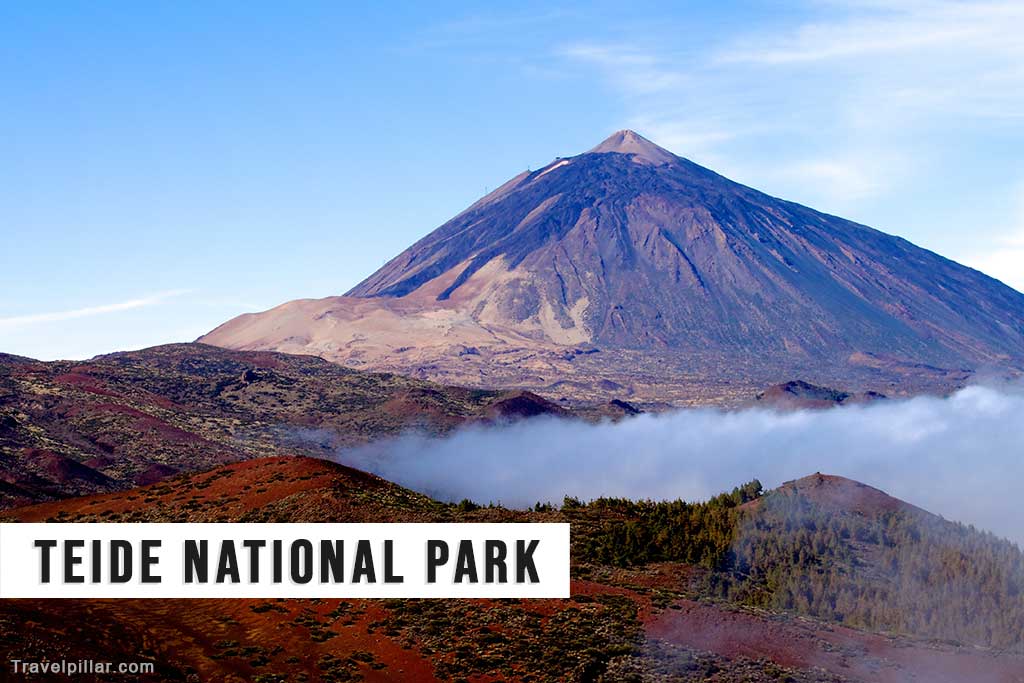
Teide National Park is the most visited national park in Spain and the most important natural attraction in Tenerife. Dominated by Mount Teide, the highest mountain in Spain at 3,715 metres, the park protects a vast volcanic landscape unlike anywhere else in Europe. For many visitors, a trip to Tenerife is not complete without spending at least one day exploring this remarkable UNESCO World Heritage Site.
Located in the centre of the island, Teide National Park covers almost 190 square kilometres of volcanic terrain formed by millions of years of eruptions. The landscape is often compared to the surface of Mars due to its lava fields, volcanic cones, colourful rock formations and almost treeless environment. Films, documentaries and scientific studies have frequently used the park because of its otherworldly appearance.
Mount Teide itself dominates the skyline from almost every part of Tenerife. On clear days the summit can be seen from neighbouring islands and even from hundreds of kilometres away at sea. Although technically an active volcano, its last eruption occurred in 1909 from a nearby vent, and the mountain is continuously monitored by scientists.
The journey to Teide is one of the highlights of visiting Tenerife. Roads climb through pine forests before emerging onto a high volcanic plateau surrounded by extraordinary rock formations and panoramic viewpoints. Every route into the park offers dramatic scenery and frequent opportunities to stop for photographs.
One of the most famous landmarks is Roques de García, a collection of volcanic rock formations including the iconic Roque Cinchado, often called the Finger of God. These unusual formations have become symbols of Tenerife and are among the most photographed locations in the Canary Islands.
The park is also one of the world’s leading destinations for stargazing. High altitude, clean air and minimal light pollution create exceptional conditions for observing the night sky. Many visitors join organised astronomy tours to experience the stars above Teide.
Whether you enjoy hiking, photography, geology, nature or simply spectacular scenery, Teide National Park offers one of the most memorable experiences in the Canary Islands.
Google map Teide National Park 4.8/5
Google map Mirador del Teide – viewpoint 4.8/5
Best Things to Do in Teide National Park
Ride the Teide Cable Car
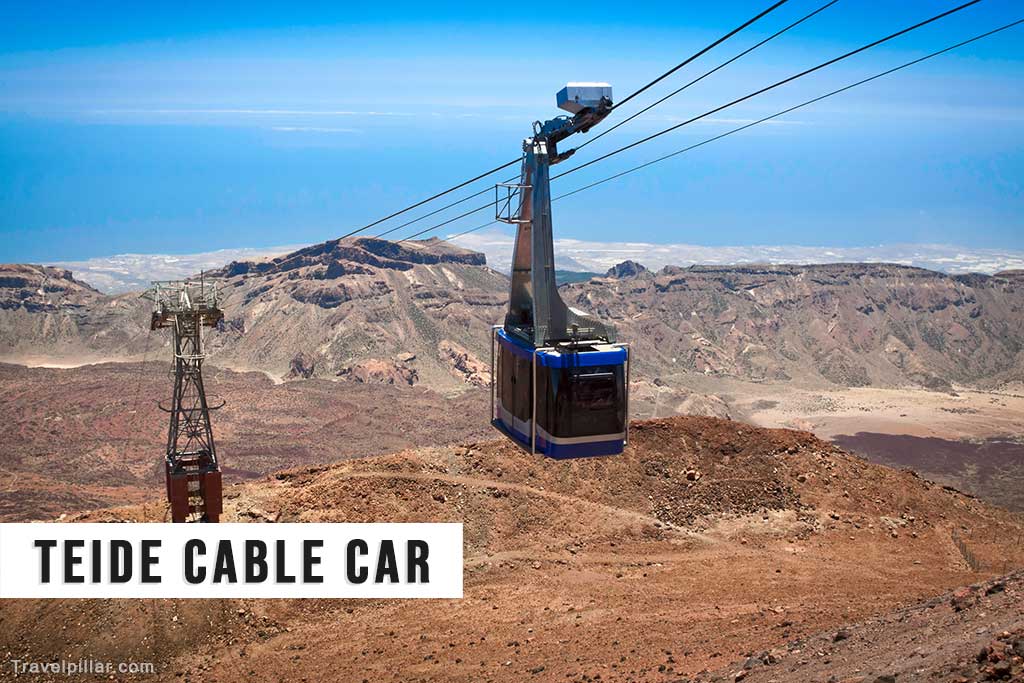
The Teide Cable Car transports visitors from approximately 2,350 metres to over 3,500 metres on the upper slopes of Mount Teide. The journey takes only a few minutes but provides spectacular views across Tenerife and the surrounding islands. Even without climbing to the summit, the views from the upper station are among the best in the Canary Islands.
Official website: https://www.volcanoteide.com/en
Google map Teleférico del Teide (base station) – Cable Car 4.3/5
Google map Mirador del Teide (upper station) 4.8/5
Visit Roques de García

Roques de García is one of the most famous attractions in the national park. These dramatic volcanic rock formations were created by erosion over thousands of years and stand against the backdrop of Mount Teide. The easy circular walking trail around the rocks is suitable for most visitors and offers excellent photographic opportunities.
Google map Roques de Garcia & Roque Cinchado 4.8/5
Hiking to the Summit of Mount Teide
Reaching the summit of Mount Teide at 3,715 metres is one of the most memorable experiences in Tenerife. Most visitors take the cable car to the upper station (La Rambleta) at approximately 3,555 metres and spend time enjoying the spectacular viewpoints rather than continuing to the summit itself.
To reach the highest point, visitors must walk the final 600 metres along the Telesforo Bravo Trail. The climb typically takes 30–45 minutes uphill and around 20–30 minutes to descend. Access is restricted and requires a free permit that must be booked in advance through the National Parks Booking Website, particularly during busy periods.
Although the trail is relatively short, the altitude can make it surprisingly challenging. Above 3,500 metres the air contains significantly less oxygen than at sea level, and many visitors experience breathlessness, fatigue or mild altitude-related symptoms. Those who reach the summit are rewarded with extraordinary views across Tenerife and, on clear days, several neighbouring Canary Islands.
Google Map Mount Teide / Pico del Teide 4.8/5
Explore the Minas de San José
This area contains striking deposits of red, orange and yellow volcanic material that create one of the most colourful landscapes in the park. The unusual terrain is often used in films and photographs due to its resemblance to other planets.
Google map 4.8/5
Enjoy Stargazing at the Teide Observatory
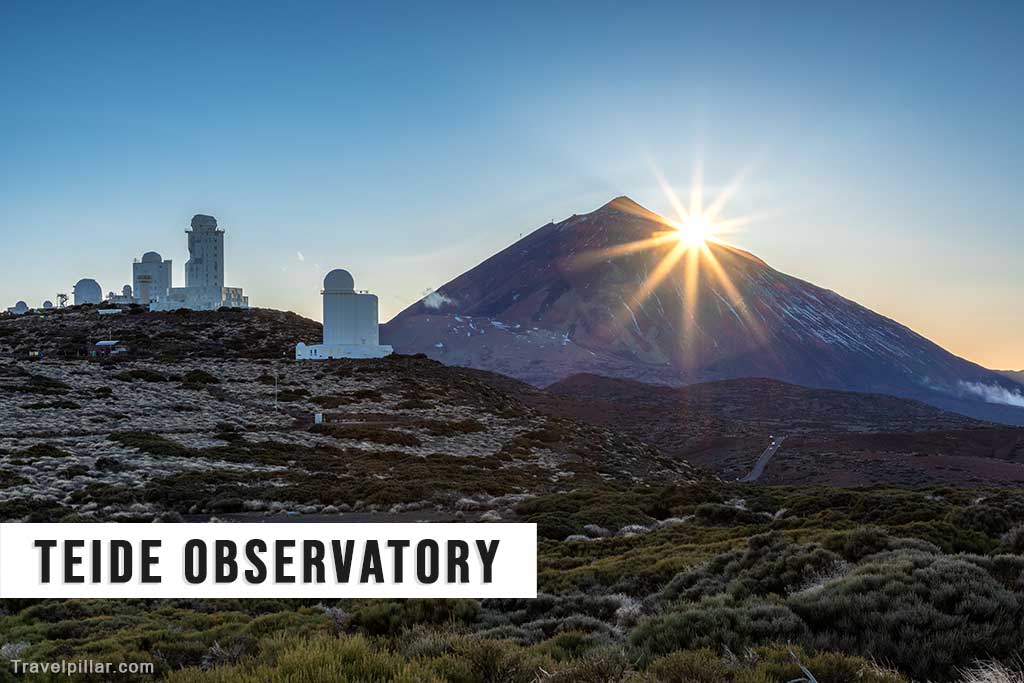
Teide National Park is internationally recognised for its dark skies. Astronomy tours operate throughout the year and provide opportunities to observe planets, galaxies and constellations through powerful telescopes. The experience is often considered one of Tenerife’s most memorable activities.
Official website: https://www.volcanoteide.com/en
Google map 4.6/5
Drive Through the National Park
Many visitors underestimate how enjoyable simply driving through the park can be. The roads are excellent and connect numerous viewpoints, lava fields and geological formations. Every section of the journey reveals new volcanic landscapes and spectacular mountain scenery.
Practical Information
How Long Should You Spend at Teide?
Most visitors spend between half a day and a full day exploring the national park. A full day allows time for viewpoints, short walks, the cable car and visitor centres.
Do You Need a Permit?
No permit is required to visit the national park or use most walking trails. However, a permit is required to access the final section leading to the summit of Mount Teide.
What Should You Bring?
Temperatures at high altitude can be much cooler than on the coast, even during summer. Visitors should bring:
- Warm clothing
- Sun protection
- Water
- Comfortable walking shoes
- A camera
Best Time to Visit
Teide National Park can be visited throughout the year. Spring and autumn often provide the most comfortable temperatures, while winter occasionally brings snow to the summit. Early morning and late afternoon usually offer the best light for photography.
Why Visit Teide National Park?
Teide National Park is much more than a volcano. It is a landscape of lava fields, craters, rock formations and panoramic viewpoints that tells the geological story of Tenerife. The combination of natural beauty, scientific importance and outdoor activities makes it one of the finest national parks in Europe and one of the essential experiences for anyone visiting the Canary Islands.