
Introduction
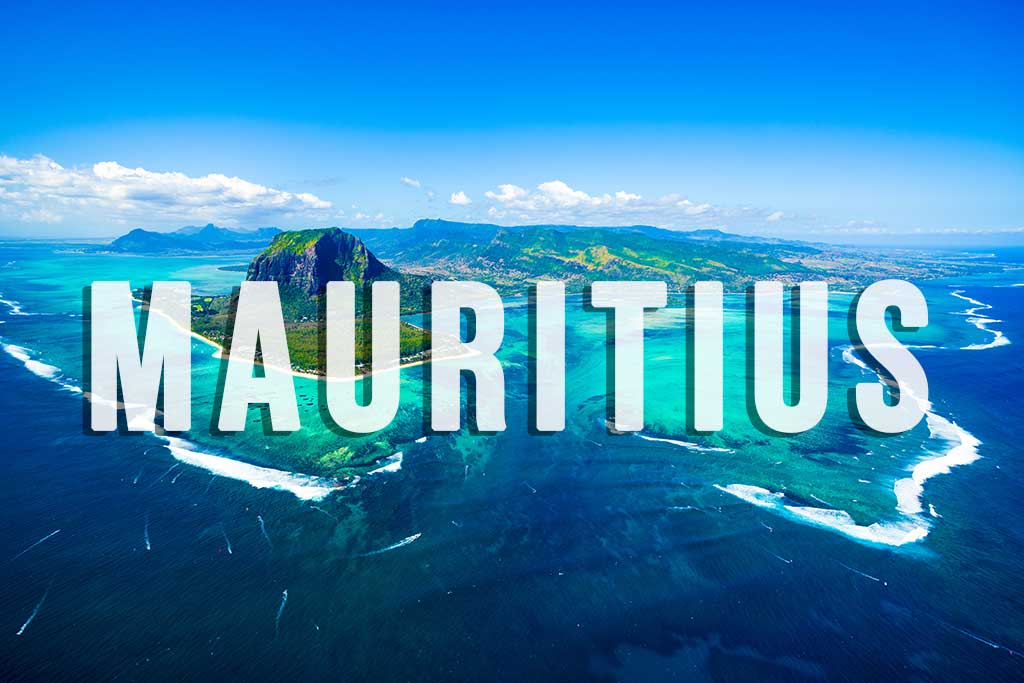
Mauritius is a beautiful island nation in the Indian Ocean, celebrated for its white-sand beaches, crystal-clear lagoons and lush volcanic landscapes. Located around 2,000 kilometres off the southeast coast of Africa, the island offers far more than a traditional beach holiday. Visitors can explore tropical rainforests, dramatic mountain scenery, colourful towns and botanical gardens, while experiencing a rich cultural heritage shaped by African, Indian, Chinese and European influences.
Although Mauritius is renowned for its luxury beach resorts, its greatest strength is its diversity. The island’s sheltered lagoons provide excellent conditions for swimming, snorkelling and watersports, while the mountainous interior offers scenic hiking trails, waterfalls and spectacular viewpoints. Historic estates, vibrant markets and temples reflect the island’s multicultural population, and its cuisine blends flavours from across the world to create one of the most distinctive food cultures in the Indian Ocean.
Mauritius is also one of the easiest Indian Ocean destinations to explore independently. A good road network makes it simple to discover different parts of the island by car, allowing visitors to combine relaxing beach days with sightseeing and outdoor adventures. Whether you’re interested in wildlife, hiking, golf, diving or simply enjoying warm hospitality beside the sea, Mauritius offers an ideal balance of relaxation and exploration.
Unlike the Maldives, where many visitors spend their entire holiday on a single resort island, or the Seychelles, which is best explored through island hopping, Mauritius encourages visitors to discover the island’s varied landscapes and attractions. It is equally well suited to couples, families and active travellers, making it one of the Indian Ocean’s most rewarding all-round holiday destinations.
Best Things to Do in Mauritius
Explore Port Louis
The capital of Mauritius offers a fascinating introduction to the island’s multicultural heritage. Visitors can wander through the lively Central Market, explore the modern Caudan Waterfront, visit the Blue Penny Museum and admire colonial buildings that reflect the island’s French and British history. Port Louis is also an excellent place to sample authentic Mauritian cuisine, where Indian, Creole, Chinese and European influences combine to create a unique culinary experience.
Visit Black River Gorges National Park
Covering much of the island’s mountainous southwest, Black River Gorges National Park protects Mauritius’ largest remaining area of native rainforest. Scenic walking trails lead through lush forests to waterfalls and panoramic viewpoints, offering opportunities to spot rare birds and endemic plants found nowhere else on Earth. Whether you’re looking for a gentle nature walk or a challenging hike, the park showcases a completely different side of Mauritius beyond its famous beaches.
Discover Le Morne Brabant
Rising dramatically above the island’s southwestern coastline, Le Morne Brabant is both a UNESCO World Heritage Site and one of Mauritius’ most recognisable landmarks. The mountain has deep historical significance as a refuge for escaped slaves during the eighteenth and nineteenth centuries. Today, guided hikes to the summit reward visitors with breathtaking views across turquoise lagoons, coral reefs and some of the island’s most beautiful beaches.
Visit Chamarel Seven Coloured Earth Geopark
One of Mauritius’ most unusual natural attractions, the Seven Coloured Earth Geopark is famous for its rolling sand dunes displaying striking shades of red, brown, purple and orange. Formed by the weathering of volcanic rock over millions of years, the colourful landscape is unlike anywhere else on the island. The park also includes the impressive Chamarel Waterfall, making it one of Mauritius’ most popular inland excursions.
Relax at Flic en Flac Beach
Stretching for several kilometres along Mauritius’ west coast, Flic en Flac is one of the island’s most popular beaches. Soft white sand, calm turquoise water and excellent sunsets make it ideal for swimming and relaxing, while nearby restaurants, cafés and hotels create a lively yet relaxed atmosphere. Offshore coral reefs also provide excellent opportunities for snorkelling and diving.
Explore Sir Seewoosagur Ramgoolam Botanical Garden
Located at Pamplemousses, this historic botanical garden is one of the oldest in the Southern Hemisphere. Visitors can admire giant water lilies, towering royal palms, spice trees and an impressive collection of tropical plants from around the world. The peaceful gardens provide a welcome contrast to the island’s beaches and are an excellent place to learn about Mauritius’ rich botanical heritage.
Swim with Dolphins in Tamarin Bay
Tamarin Bay is one of the best places in Mauritius to see wild dolphins in their natural habitat. Early morning boat excursions often provide opportunities to observe spinner and bottlenose dolphins as they feed and play in the calm waters. Several operators also offer responsible swimming experiences, allowing visitors to enjoy this unforgettable encounter while respecting the animals and their environment.
Visit Île aux Cerfs
Located just off Mauritius’ east coast, Île aux Cerfs is one of the island’s most popular day-trip destinations. Surrounded by crystal-clear lagoons and coral reefs, the island offers beautiful beaches, watersports, golf and excellent snorkelling. Regular boat transfers make it easy to visit, and its idyllic setting perfectly captures the tropical beauty for which Mauritius is famous.
Best Beaches in Mauritius
Flic en Flac Beach
Flic en Flac is one of Mauritius’ longest and most popular beaches, stretching along the island’s sunny west coast. Soft white sand, calm turquoise water and a protective coral reef make it ideal for swimming and snorkelling. The beach is lined with hotels, restaurants and cafés, creating a lively yet relaxed atmosphere, while its west-facing location makes it one of the best places on the island to watch the sunset.
Belle Mare Beach
Located on the quieter east coast, Belle Mare is renowned for its long stretch of powder-soft white sand and clear turquoise lagoon. The beach feels more spacious and less developed than many others on the island, making it a favourite with visitors looking for peace and tranquillity. Luxury resorts, excellent swimming and opportunities for kayaking and paddleboarding add to its appeal.
Le Morne Beach
Set beneath the dramatic backdrop of Le Morne Brabant, this beautiful beach is one of the most scenic in Mauritius. The shallow lagoon is perfect for swimming, while the steady trade winds attract kite surfers from around the world. Whether you’re relaxing on the sand, enjoying watersports or simply admiring the spectacular mountain scenery, Le Morne is one of the island’s true highlights.
Trou aux Biches
Trou aux Biches is famous for its calm, crystal-clear water and excellent snorkelling. The gently shelving sandy seabed makes it particularly popular with families, while the offshore coral reef supports a colourful variety of tropical fish. Shaded by casuarina trees and close to several restaurants and resorts, it is an ideal beach for spending a relaxing day by the sea.
Mont Choisy Beach
The island’s longest natural beach, Mont Choisy forms a graceful crescent of soft sand bordered by filao trees. Calm waters make it suitable for swimming throughout much of the year, while the spacious shoreline rarely feels crowded. Its location near Grand Baie also makes it easy to combine a beach day with shopping, restaurants or evening entertainment.
Blue Bay Beach
Blue Bay is best known for the protected marine park just offshore, which contains some of Mauritius’ healthiest coral reefs. Snorkellers can explore crystal-clear water filled with colourful tropical fish, while glass-bottom boat trips provide another excellent way to appreciate the marine life. The sheltered lagoon also makes Blue Bay an excellent choice for families with young children.
Choosing Where to Stay
Mauritius offers a wide variety of holiday experiences, and choosing the right part of the island can make a real difference to your trip.
The north coast, centred around Grand Baie, is one of the island’s liveliest areas. It offers excellent restaurants, shopping, nightlife and a wide choice of hotels, making it ideal for visitors who enjoy a busy atmosphere and plenty of facilities.
The west coast, including Flic en Flac and Le Morne, is famous for its beautiful sunsets, calm lagoons and excellent beaches. It’s a popular choice for couples, families and watersports enthusiasts, while its generally drier climate makes it attractive throughout much of the year.
The east coast is quieter and is home to many of Mauritius’ luxury beach resorts. Beautiful beaches such as Belle Mare and easy access to Île aux Cerfs make it an excellent choice for visitors seeking relaxation in elegant surroundings.
The south coast has a wilder, less developed feel, with dramatic cliffs, rugged scenery and nature reserves replacing large beach resorts. It appeals particularly to travellers interested in hiking, sightseeing and exploring the island’s natural landscapes.
Wherever you stay, Mauritius is small enough to explore by car, making it easy to enjoy different parts of the island on day trips.
Visitor Information
Capital: Port Louis
Language: English is the official language, while French and Mauritian Creole are widely spoken throughout the island.
Currency: Mauritian Rupee (MUR).
Getting There: Most international visitors arrive at Sir Seewoosagur Ramgoolam International Airport, located in the southeast of the island.
Getting Around: Hiring a car is one of the easiest ways to explore Mauritius, although taxis, buses and organised excursions are also widely available.
Best Time to Visit: Mauritius enjoys a warm tropical climate throughout the year. May to December generally offers cooler, drier weather, while the warmer summer months are ideal for swimming and watersports.
Electricity: Type C and Type G plugs are commonly used. Many hotels provide universal sockets, but carrying a travel adapter is recommended.
Time Zone: Mauritius Time (MUT), UTC +4.
Mauritius is much more than a tropical beach destination. Its unique combination of spectacular coastline, volcanic landscapes, rich cultural heritage and welcoming atmosphere makes it one of the Indian Ocean’s most rewarding places to visit. Whether you’re exploring mountain trails, relaxing beside a turquoise lagoon or discovering the island’s fascinating multicultural history, Mauritius offers a holiday that combines relaxation, adventure and culture in equal measure.