

Athens is the capital of Greece. The birthplace of democracy, Athens is home to ancient ruins and a vibrant modern culture. Steeped in Greek mythology, the city is known for its numerous landmarks, including the iconic Acropolis, the Parthenon, and the Temple of Olympian Zeus. Visitors can explore the city’s ancient ruins and archaeological sites, as well as experience its vibrant modern culture, cuisine, and nightlife. Athens is also home to several museums and galleries, including the National Archaeological Museum and the Acropolis Museum, which showcase the city’s rich cultural heritage. It is a popular destination for tourists looking to experience Greece’s unique beauty and history.
Official tourism website:
https://www.thisisathens.org
https://www.visitgreece.gr/mainland/attica/athens/
Google map of Athens
The Best Things to Do in Athens
#1 Acropolis

The Acropolis (Ακρόπολη Αθηνών), a UNESCO World Heritage site, is a prominent historical and archaeological attraction in Athens. Perched atop a limestone hill, it features iconic monuments dating back to the 5th century BCE, including the Parthenon, Erechtheion, and Temple of Athena Nike. Visitors can enjoy guided tours to explore the rich history and significance of this ancient citadel and appreciate the remarkable architectural masterpieces.
Official website:
http://odysseus.culture.gr/
https://etickets.tap.gr (for official tickets)
Google map 4.8/5
#2 Parthenon (Acropolis)

The Parthenon is a revered ancient Greek temple dedicated to the goddess Athena, situated on the Acropolis hill. Completed in 438 BCE, this Doric-style temple is renowned for its exquisite proportions and intricate sculptural decorations. The Parthenon’s architectural design has inspired countless buildings worldwide, making it a symbol of ancient Greece’s enduring cultural impact. Visitors can admire this iconic structure and learn about its rich historical context during their Acropolis visit.
Official website:
http://odysseus.culture.gr/
https://etickets.tap.gr (official tickets)
Google map 4.8/5
#3 Erechtheion Temple (Acropolis)

The Erechtheion Temple, located on the Acropolis hill, is an ancient Greek temple built between 421 and 406 BCE. Dedicated to both Athena and Poseidon, this Ionic-style temple is renowned for its unique architectural features, including the Porch of the Caryatids. These six female statues function as columns supporting the south porch roof. Visitors can admire the Erechtheion’s intricate design and learn about its multifaceted religious significance during their Acropolis exploration.
Official tourism website:
http://odysseus.culture.gr/
https://etickets.tap.gr (official tickets)
Google map 4.8/5
#4 Temple of Athena Nike (Acropolis)

The Temple of Athena Nike is a small, iconic structure on the Athenian Acropolis, dedicated to Athena Nike, the goddess of victory. Constructed between 427 and 424 BCE in the Ionic architectural style, the temple is visible from Athens and the surrounding countryside. The temple’s frieze features battle scenes, reflecting its dedication to victory. The Temple of Athena Nike has undergone restoration, preserving its historical and architectural significance.
Google map 4.7/5
#5 Acropolis Museum

The Acropolis Museum (Μουσείο Ακρόπολης), located near the Acropolis, showcases artifacts excavated from the site and surrounding areas. Inaugurated in 2009, this state-of-the-art museum offers a chronological display of over 4,000 objects, including statues, friezes, and pottery, providing an in-depth understanding of the Acropolis’s historical and cultural significance. The museum’s glass floor reveals the archaeological excavation site beneath, adding an immersive dimension to the visitor experience.
Official website:
https://www.theacropolismuseum.gr/en/
Google map 4.7/5
#6 Plaka

Plaka (Πλάκα) is a picturesque historical neighborhood at the foot of the Acropolis hill, characterized by narrow cobblestone streets, neoclassical architecture, and colorful houses. As Athens’ oldest district, Plaka offers visitors a unique blend of history, culture, and leisure. Explore its labyrinthine alleys, discover ancient ruins and Byzantine churches, and enjoy traditional Greek cuisine at charming tavernas. Plaka’s vibrant atmosphere and rich history make it an essential stop for travelers.
#7 National Archaeological Museum
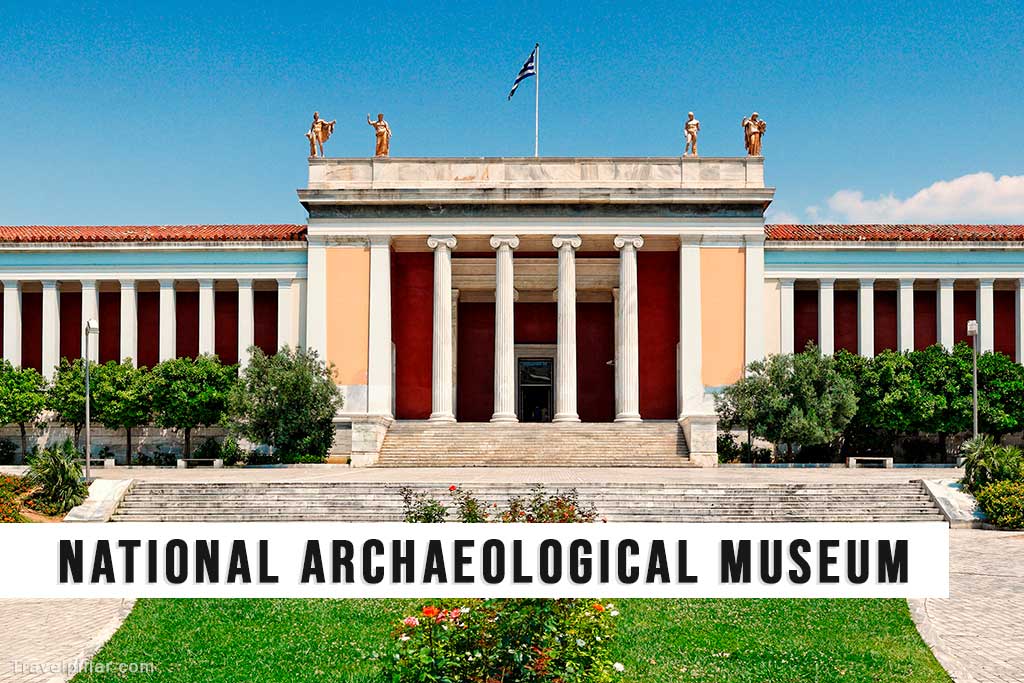
The National Archaeological Museum Athens (Εθνικό Αρχαιολογικό Μουσείο), established in 1829, houses one of the world’s most comprehensive collections of ancient Greek art and artifacts. With over 11,000 exhibits, the museum showcases Greece’s rich history, from prehistoric times to late antiquity. Highlights include the Antikythera mechanism, the Mask of Agamemnon, and the Artemision Bronze. Informative displays and multimedia presentations enhance visitors’ understanding of the artifacts and their historical context.
Official tourism website:
https://www.namuseum.gr/en/
Google map 4.6/5
#8 Mount Lycabettus

Mount Lycabettus (Λυκαβηττός), rising 277 meters above sea level, is the highest point in Athens, offering unparalleled panoramic views of the city. Accessible by foot, funicular railway, or car, this limestone peak features the whitewashed chapel of St. George, a theater, and a restaurant. Visitors can enjoy a scenic hike, attend cultural events during summer months, or simply take in the breathtaking views of the Acropolis, the Aegean Sea, and the surrounding mountains.
Official website:
https://www.lycabettushill.com/
Google map 4.8/5 (Summit)
Google map 4.1/5 (Cable car up to the top of the Mount Lycabettus)
#9 Benaki Museum

The Benaki Museum of Greek Culture (Μουσείο Μπενάκη Ελληνικού Πολιτισμού), founded in 1930, is a renowned cultural institution in Athens, showcasing a diverse range of Greek art and historical artifacts. Housed in a neoclassical mansion, the museum’s collection spans from prehistoric times to modern Greece, encompassing sculptures, paintings, ceramics, and textiles. Notable exhibits include Byzantine icons, Islamic art, and works by prominent Greek painters. The museum’s educational programs and temporary exhibitions offer a rich cultural experience for visitors.
Official website:
https://www.benaki.org/
Google map 4.7/5
A Quick Reminder of the Principal Greek Gods
The main Greek gods, also known as the Olympian gods, are the principal deities in ancient Greek religion and mythology. They reside on Mount Olympus and are:
- Zeus: The king of the gods, god of the sky, lightning, and thunder.
- Hera: The queen of the gods, goddess of marriage, women, and family.
- Poseidon: God of the sea, earthquakes, and horses.
- Demeter: Goddess of agriculture, harvest, and fertility.
- Athena: Goddess of wisdom, warfare, and crafts.
- Apollo: God of music, poetry, art, sun, light, and prophecy.
- Artemis: Goddess of the hunt, wilderness, wild animals, and the moon.
- Ares: God of war, violence, and bloodshed.
- Aphrodite: Goddess of love, beauty, and desire.
- Hephaestus: God of fire, metalworking, and crafts.
- Hermes: Messenger of the gods, god of trade, thieves, and travel.
- Dionysus: God of wine, festivities, and pleasure.
These twelve gods and goddesses form the core of the ancient Greek pantheon, though there are many other gods, goddesses, and mythical creatures in Greek mythology.
For a slightly longer description see our page Greek Gods