

Stretching along the northeastern coast of Catalonia in Spain, the Costa Brava is defined by rugged cliffs, sandy coves, and fishing villages that have retained much of their historic character. Its name, meaning “wild coast,” reflects the dramatic meeting of land and sea that has long attracted artists, travellers, and holidaymakers.
Beyond its beaches, the region offers medieval towns, archaeological sites, and landscapes that inspired painters such as Salvador Dalí. Inland, rolling hills and natural parks contrast with the vibrant coastal resorts, creating a diverse setting where history and nature combine.
The Costa Brava also preserves a strong cultural identity. Roman ruins, Gothic churches, and fortified old towns reflect centuries of settlement, while local markets and Catalan cuisine highlight traditions still thriving today. This mix of coastal scenery, artistic heritage, and historical landmarks makes it one of Spain’s most varied destinations.
Official tourism website:
https://costabrava.org
https://www.visitacostabrava.com/en
Google map of the Costa Brava
The Best Places to Visit in Costa Brava
Tossa de Mar
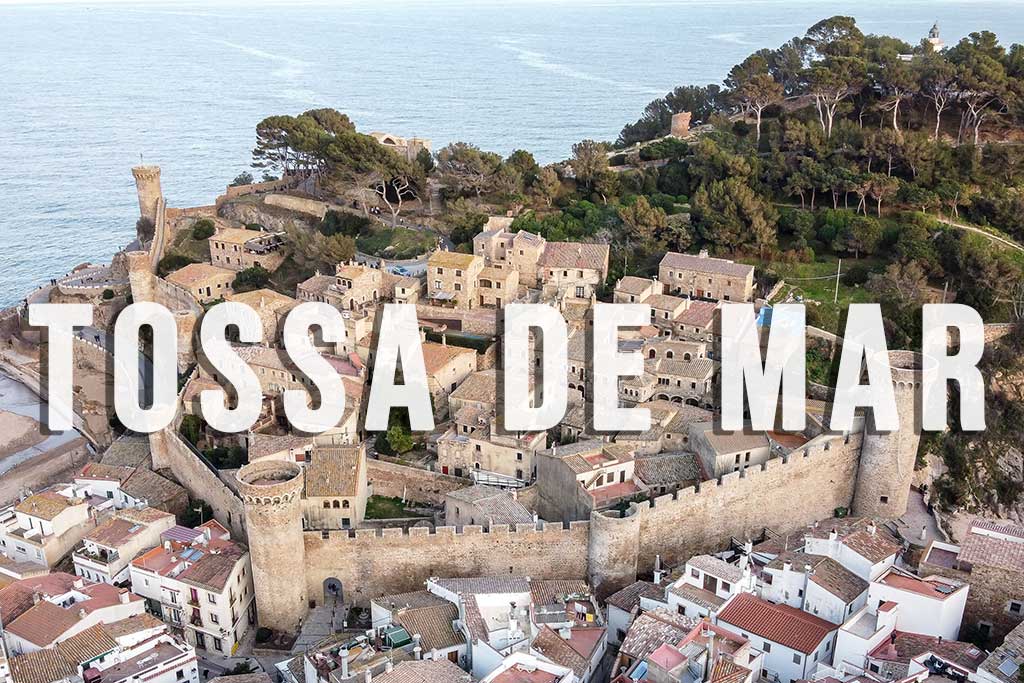
Tossa de Mar combines a medieval fortified old town with sandy beaches framed by cliffs. The walled enclosure of Vila Vella, with its towers and cobbled lanes, overlooks the bay, offering views that connect past and present. Archaeological remains and a municipal museum trace the area’s history from Roman times, while nearby coves provide quieter alternatives to the main beach. Tossa’s balance of heritage and coastal scenery makes it a defining Costa Brava location.
Cadaqués
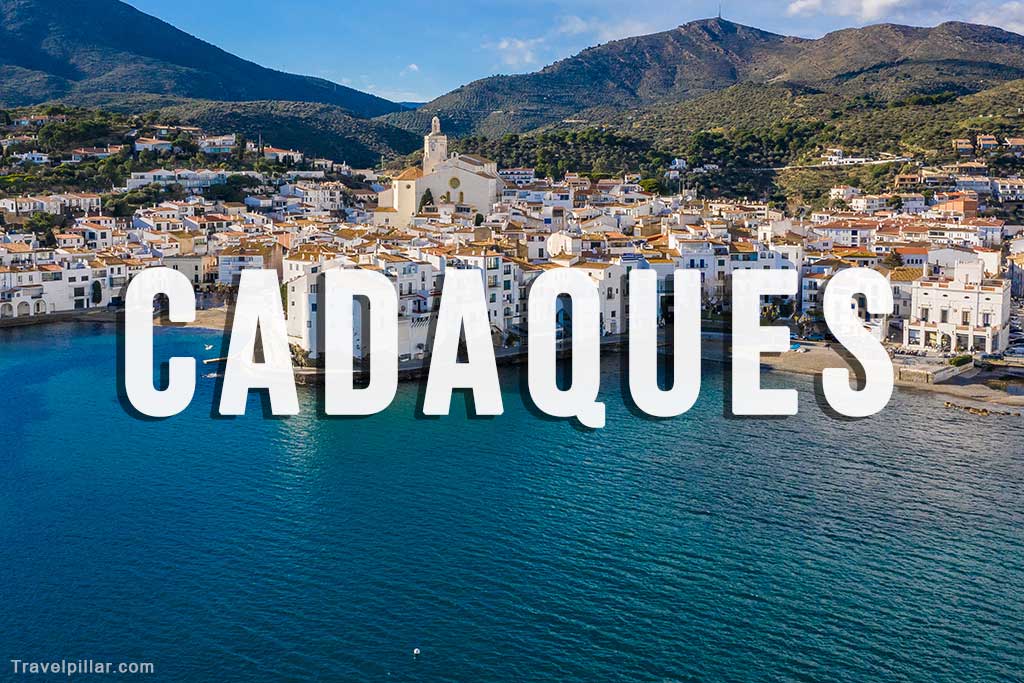
Located near Cap de Creus, Cadaqués is one of the Costa Brava’s most distinctive villages. Its whitewashed houses, narrow alleys, and seaside church reflect a long fishing tradition, while its connection to Salvador Dalí adds cultural weight. Dalí’s former house in nearby Portlligat is now a museum dedicated to his life and work. The surrounding coastline, with rocky inlets and clear waters, reinforces the village’s reputation as both artistic retreat and coastal destination.
Girona (not technically on the Costa Brava but nearby)

Although inland, Girona is often included in Costa Brava itineraries due to its cultural and historical significance. The city preserves a medieval old town with a Gothic cathedral, Romanesque cloister, and one of Europe’s best-preserved Jewish Quarters. The city walls provide panoramic views, while the Onyar River, lined with colourful houses, defines its urban character. Girona complements the coastal destinations of the Costa Brava with a distinct historical and architectural dimension.
Lloret de Mar

Lloret de Mar is one of the Costa Brava’s main resorts, known for extensive beaches and lively nightlife. Beyond its modern reputation, the town preserves sites such as the Santa Clotilde Gardens, laid out in Italian Renaissance style, and the 11th-century Castle of Sant Joan overlooking the bay. The mix of tourism infrastructure and historic features illustrates the contrasts that define much of the Costa Brava.
Camí de Ronda Long Distance Trail
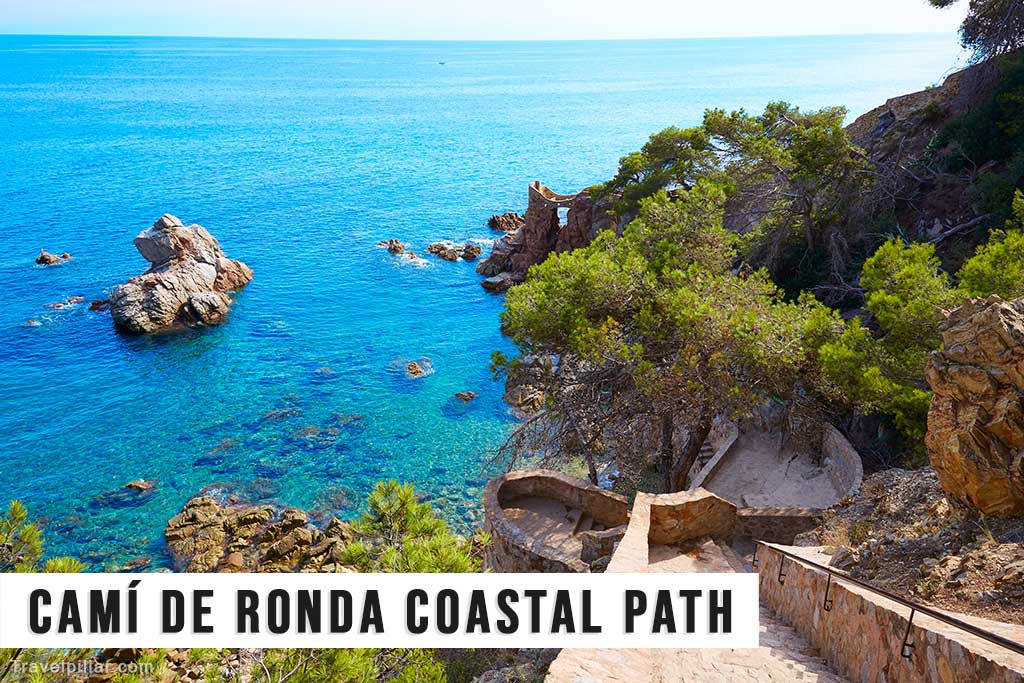
The Camí de Ronda is a long-distance trail that follows the Costa Brava in Spain. While much of it runs along the coast, linking coves, cliffs, and fishing villages, inland sections cross pine forest, hills, and agricultural land. Originally used by fishermen and customs officers, it now serves walkers seeking both scenic seascapes and varied landscapes that illustrate the region’s maritime and rural heritage.
Useful website: https://www.camideronda.com/en/
Cap de Creus (National Park)
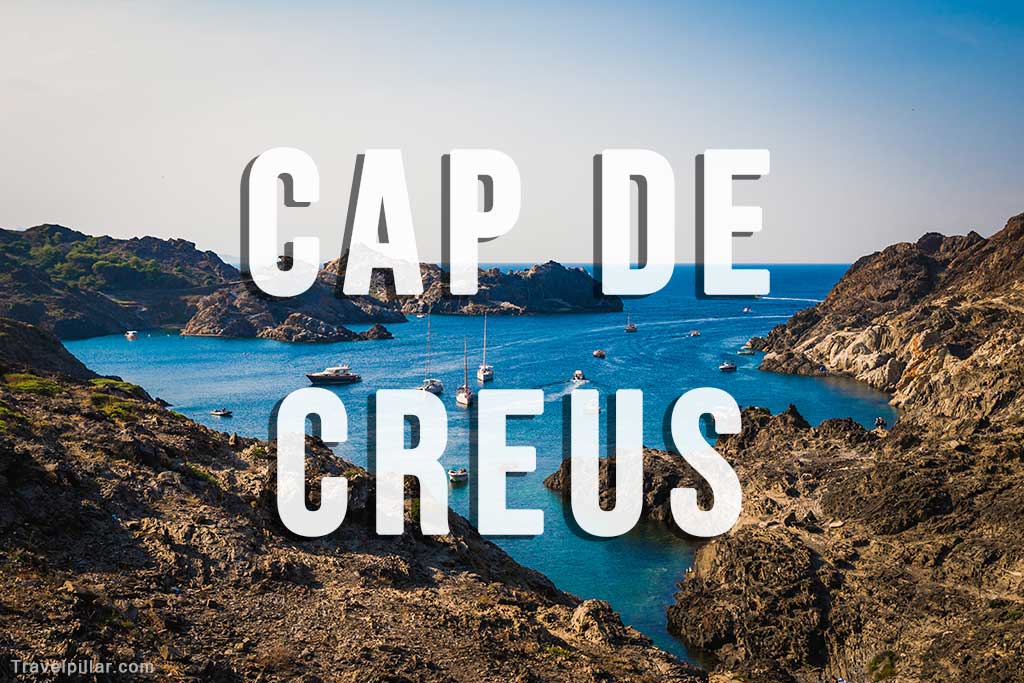
At the easternmost point of the Iberian Peninsula, Cap de Creus is known for rugged headlands, wind-shaped rock formations, and hidden coves. The park is protected for its unique geology and biodiversity, attracting hikers, birdwatchers, and divers. A former monastery at Sant Pere de Rodes lies nearby, adding historical depth to the landscape. Cap de Creus remains a striking example of the Costa Brava’s untamed natural character.
Google map 4.7/5
Begur
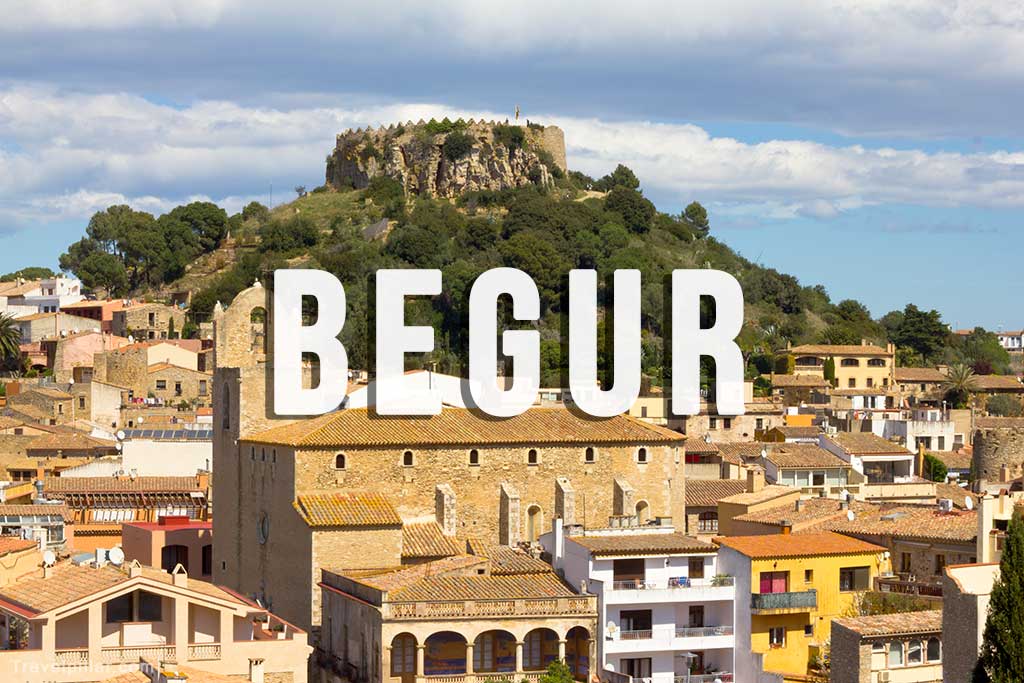
Begur is a hilltop town marked by the ruins of its medieval castle, which provide panoramic views over the coastline. Its narrow streets feature Indianos houses, built by locals who returned from the Americas in the 19th century. The nearby coves of Sa Tuna and Aiguablava are among the region’s most scenic beaches. The combination of architecture, history, and coastal access defines Begur as a cultural and natural highlight.
Figueres

Figueres is the birthplace of Salvador Dalí and home to the Dalí Theatre-Museum, one of Spain’s most visited cultural sites. The museum showcases Dalí’s surrealist works within a building he designed, making it both art collection and architectural statement. Beyond Dalí, Figueres contains the 18th-century Sant Ferran Castle, one of the largest fortresses in Europe. The town’s cultural institutions make it a central reference point for the artistic identity of the Costa Brava.
Besalu (not technically on the Costa Brava but nearby)
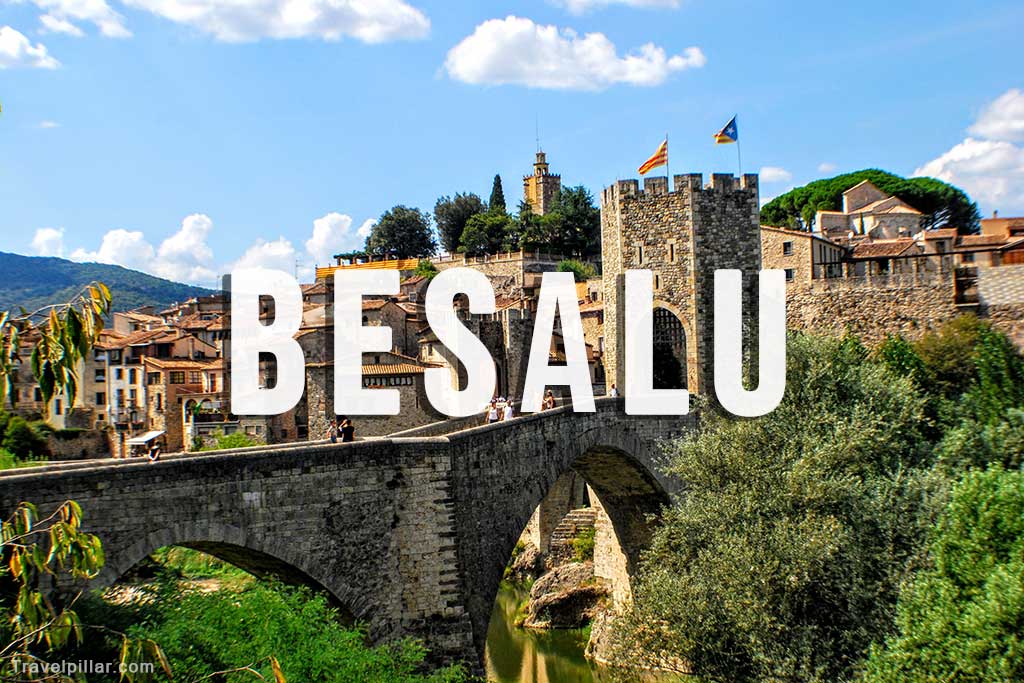
Besalú is a medieval town located inland from the Costa Brava, recognised for its 12th-century Romanesque bridge over the Fluvià River. Its historic centre preserves narrow cobbled streets, stone houses, and religious monuments, including the remains of a Jewish quarter and a mikveh. The town reflects the defensive and religious character of medieval Catalonia. Besalú complements the coastal destinations of the Costa Brava with a well-preserved example of inland heritage.
Pals

Pals is a medieval hilltop village with cobbled lanes, stone houses, and a preserved Gothic quarter. The restored Torre de les Hores, a Romanesque tower, is a notable landmark. From the village, views extend over rice fields that have been cultivated since medieval times. Pals demonstrates how inland settlements complement the coastal attractions of the Costa Brava, offering historical depth and agricultural traditions within a short distance of the sea.
Blanes
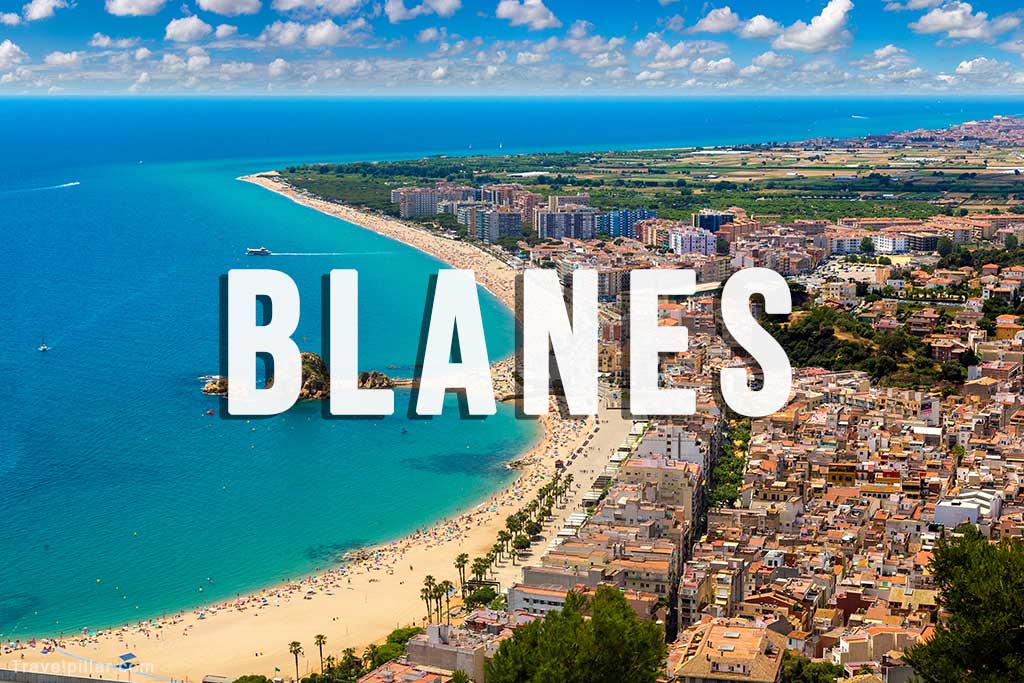
Blanes marks the southern gateway to the Costa Brava and is known for its botanical gardens. Marimurtra Garden hosts a wide range of Mediterranean and exotic plants on terraces overlooking the sea. The town itself combines sandy beaches with a historic quarter and a fishing harbour. Annual festivals, including fireworks displays, add to Blanes’s role as a cultural and recreational hub at the start of the Costa Brava coastline.
Sant Pere de Rodes Monastery
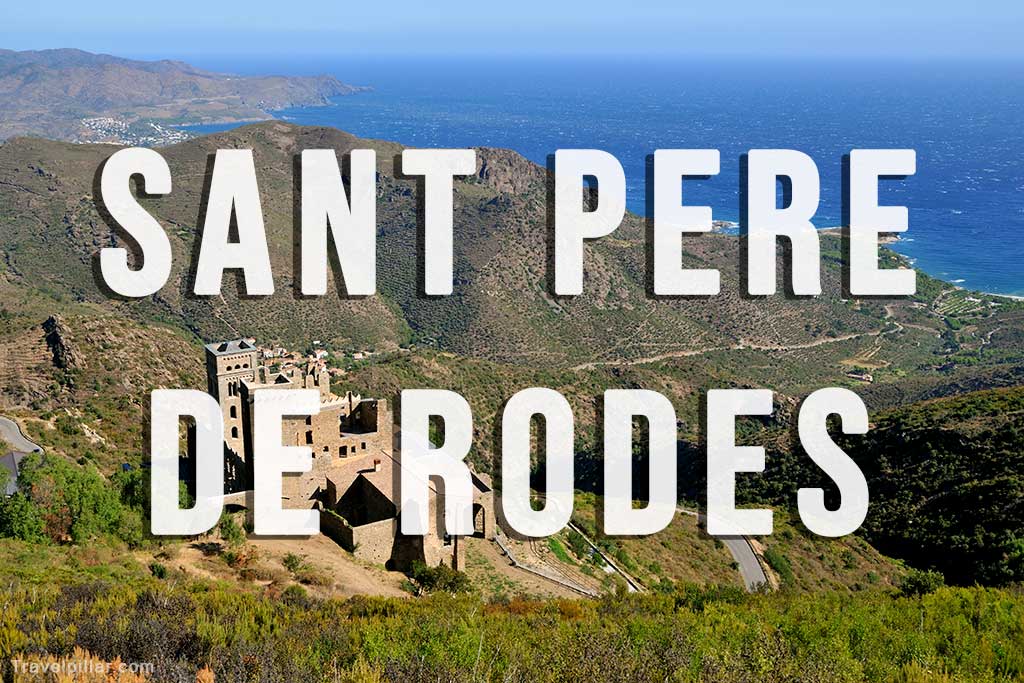
Located in the hills above Port de la Selva, Sant Pere de Rodes is a Romanesque Benedictine monastery dating from the 10th century. Its church, cloisters, and towers are set against a dramatic backdrop of mountains and sea. The site once held political and spiritual influence in the region. Today it is preserved as a cultural monument, notable for its architecture and striking location overlooking the Cap de Creus peninsula.
Official website: https://patrimoni.gencat.cat/en/
Google map 4.6/5
Empuries

Empúries is the site of ancient Greek and Roman settlements, located near L’Escala. The archaeological remains include temples, mosaics, and sections of defensive walls, reflecting centuries of Mediterranean trade and cultural exchange. A museum displays artefacts that illustrate the city’s role in shaping the region. Positioned beside the sea, Empúries provides both historical insight and a striking setting, making it a key archaeological landmark of the Costa Brava.
Google map – Museu d’Arqueologia de Catalunya – Empúries 4.6/5
Google map – Platja d’Empúries (Empuries Beach) 4.6/5
Calella de Palafrugell
Calella de Palafrugell retains the character of a traditional fishing village, with low whitewashed houses and small sandy coves. The town is well known for its cultural events, including a long-running summer music festival held in the nearby Cap Roig Gardens. Walking paths connect Calella with neighbouring coastal towns, providing access to some of the Costa Brava’s most scenic stretches of shoreline. Its atmosphere remains relatively unspoiled compared to larger resorts.
Roses
Located beside the Gulf of Roses near Cap de Creus Natural Park, Roses is one of the largest holiday towns on the northern Costa Brava. The town contains long sandy beaches, a marina and several historic attractions including the Ciutadella de Roses and Castell de la Trinitat. Roses also provides good access to nearby coves, coastal walking routes and boat excursions towards Cadaqués and the Cap de Creus peninsula.
Palamós
Centred around a working fishing harbour and marina, Palamós combines traditional port activity with beaches, restaurants and holiday accommodation. The town is particularly associated with locally caught red prawns, an important regional speciality. Nearby attractions include Platja de Castell, Cala S’Alguer and sections of the Camí de Ronda coastal path, which connects quieter coves and less developed stretches of coastline.
S’Agaró
Positioned between Platja d’Aro and Sant Feliu de Guíxols, S’Agaró is characterised by seafront villas, landscaped gardens and attractive coastal scenery. Sant Pol Beach is the main sandy beach and is popular with families during summer. The area is also known for one of the finest sections of the Camí de Ronda coastal path, which follows the shoreline past coves and viewpoints.
Sant Feliu de Guíxols
Sant Feliu de Guíxols is a historic coastal town on the central Costa Brava known for its beach, marina and traditional Catalan atmosphere. The town developed around a Benedictine monastery, parts of which survive beside the seafront. Sant Feliu also provides access to several attractive sections of the Camí de Ronda coastal path linking nearby coves, cliffs and beaches towards S’Agaró and beyond.
Tamariu
Tamariu is a small coastal village on the central Costa Brava near Palafrugell, known for its sandy beach, waterfront promenade and relatively relaxed atmosphere. Originally a fishing settlement, the village retains a lower-rise and less developed character than many larger Costa Brava resorts. The beach is bordered by restaurants and cafés, while nearby sections of the Camí de Ronda coastal path connect Tamariu with surrounding coves, cliffs and coastal viewpoints.
L’Estartit
L’Estartit is a coastal resort on the northern Costa Brava known for its long sandy beach, marina and access to the Medes Islands marine reserve. The town is popular for diving, snorkelling and boat excursions due to the clear water and protected marine life around the islands. L’Estartit also provides access to the nearby Montgrí Natural Park, which contains coastal walking routes, cliffs and quieter coves away from the main beach area.
Transport Tips
Main airport: Girona Airport https://www.aena.es/en/girona-costa-brava.html
There is no train station at Girona Airport, for onward train travel you need to take a bus to Girona Station near the centre of the city.
There are a couple of bus services connecting the airport to the city centre (bus station/train station) which takes about 40 minutes.
Local bus companies:
Sagalés Airport Line https://www.sagalesairportline.com/en
Bus service from Girona Airport direct to Girona City Centre (bus station/estació bus), Lloret de Mar, Blanes, Figueres and Barcelona (Airport & Estació del Nord).
Moventis https://www.moventis.es/es (Spanish)
TEISA https://www.teisa-bus.com/en/index.html
The Best Costa Brava Beaches
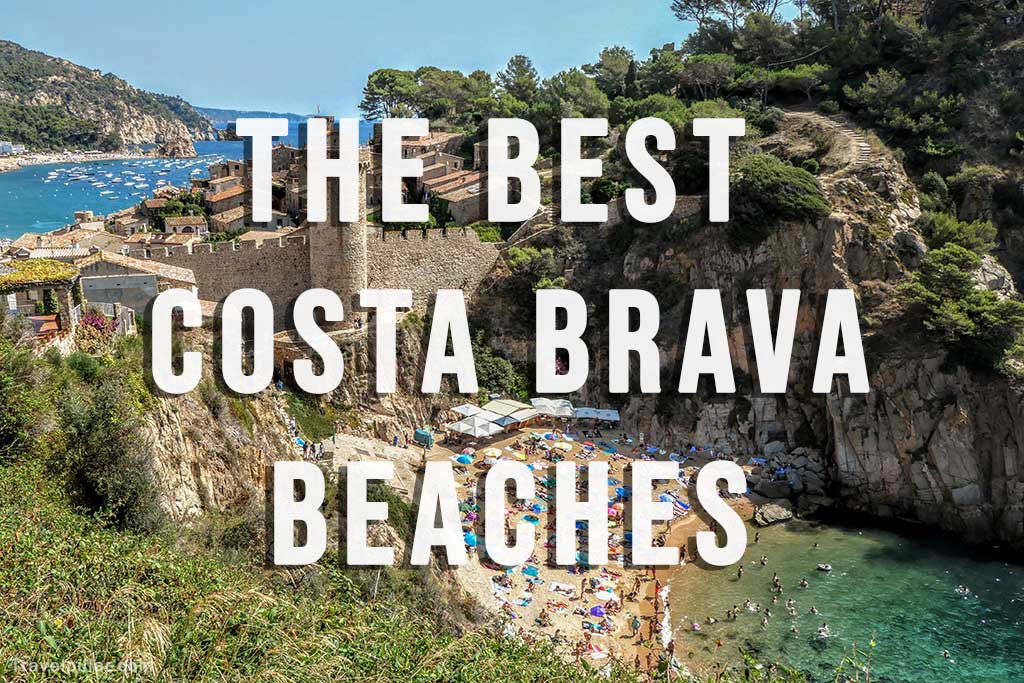
The Costa Brava contains some of the most varied beaches in Spain, ranging from long sandy bays and family beaches to small rocky coves hidden beneath pine-covered cliffs. Many beaches are connected by sections of the Camí de Ronda coastal path and are located close to historic towns such as Cadaqués, Begur and Tossa de Mar. Our guide to the best Costa Brava beaches includes well-known destinations, quieter coves, snorkelling beaches and scenic coastal locations arranged from north to south along the Catalan coastline. The guide also includes practical information about nearby towns, walking access and surrounding scenery.
Explore Spain’s Other Costas
Spain’s coastline stretches for thousands of kilometres, and each Costa offers a different holiday experience. If you’re still deciding where to visit, explore our other Costa guides to find the destination that’s right for you.
Costa Dorada
Meaning “Golden Coast”, the Costa Dorada is known for its long sandy beaches, calm waters and family-friendly resorts. Historic Tarragona, PortAventura World and attractive seaside towns such as Salou and Cambrils make it one of Spain’s most popular holiday regions.
Costa Blanca
The Costa Blanca combines lively beach resorts with traditional Spanish towns and over 200 kilometres of Mediterranean coastline. From Benidorm’s vibrant atmosphere to the charm of Altea, Jávea and Moraira, it offers something for families, couples and beach lovers alike.
Costa Cálida
The Costa Cálida is centred around the unique Mar Menor, Europe’s largest saltwater lagoon. Together with the historic city of Cartagena, traditional fishing villages and quieter beaches, it provides a more authentic Mediterranean experience.
Costa Tropical
Sheltered by the Sierra Nevada mountains, the Costa Tropical enjoys a unique subtropical climate where mangoes and avocados thrive. Beautiful beaches, whitewashed villages and easy access to Granada make it one of Andalusia’s hidden gems.
Costa del Sol
Spain’s best-known Costa combines excellent beaches with vibrant resorts, world-class golf courses and historic cities. Málaga, Marbella, Estepona and Nerja make it an outstanding all-round destination for holidays throughout the year.
Costa de Almería
Home to the spectacular Cabo de Gata-Níjar Natural Park, the Costa de Almería is defined by volcanic landscapes, natural beaches and one of Europe’s only deserts. It’s perfect for visitors seeking scenery, outdoor activities and a quieter side of southern Spain.
Costa de la Luz
Bordering the Atlantic Ocean, the Costa de la Luz offers vast sandy beaches, historic cities such as Cádiz, excellent seafood and some of Europe’s best windsurfing and kitesurfing conditions. Its relaxed atmosphere makes it one of Spain’s most distinctive coastal regions.