
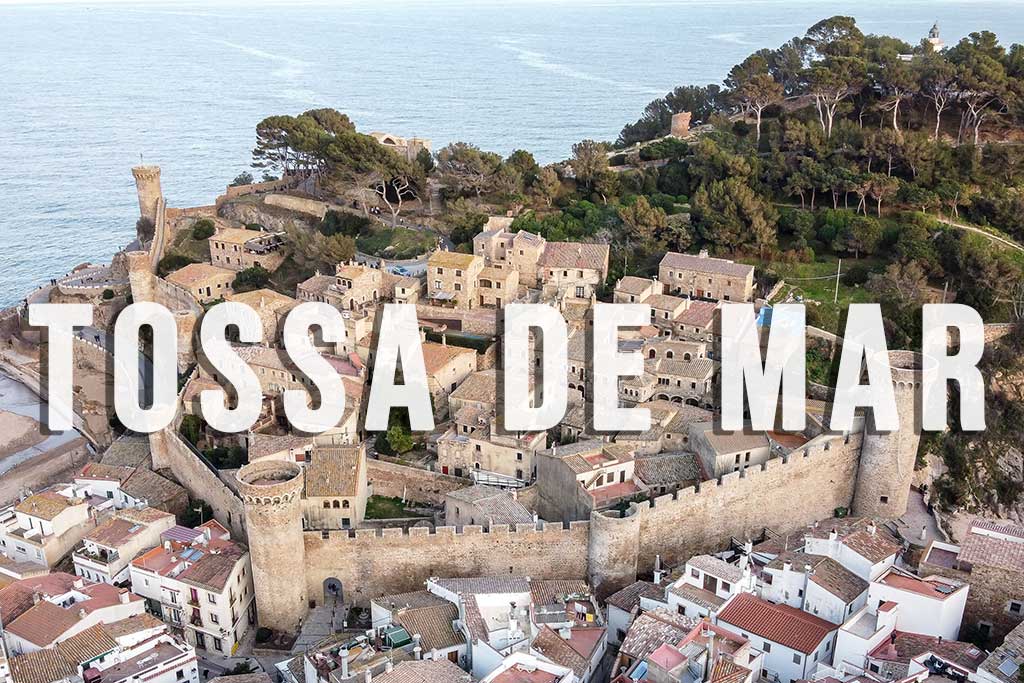
Tossa de Mar is a stunning coastal town located on the Costa Brava, in Catalonia, Spain. Known for its breathtaking natural beauty, rich history, and well-preserved medieval charm, Tossa de Mar is a sought-after destination for travelers looking to immerse themselves in the best of the Mediterranean.
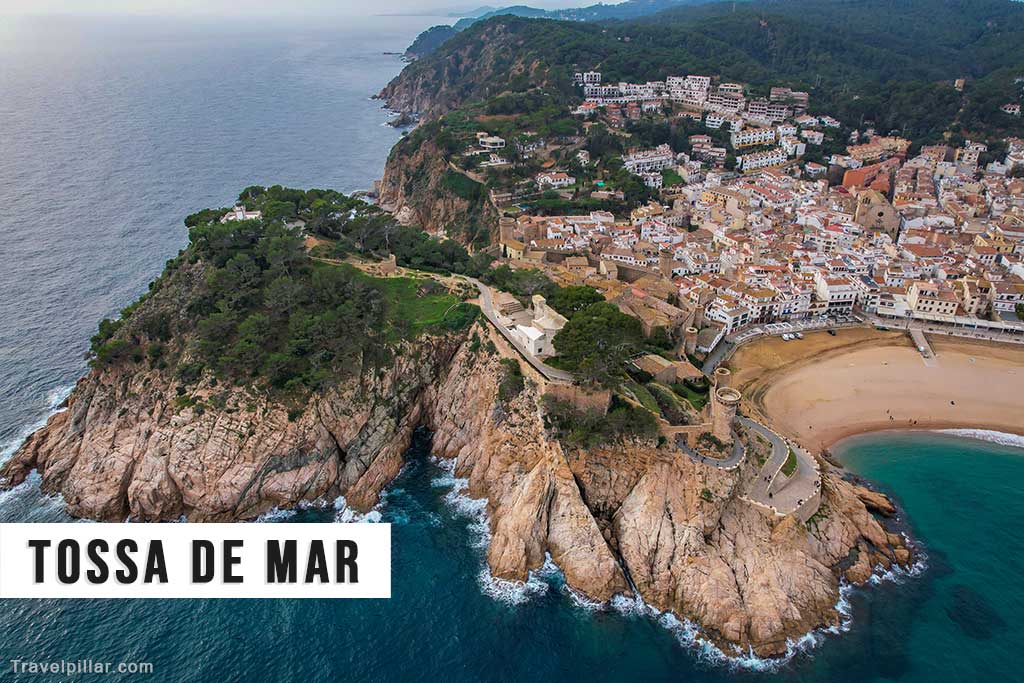
One of the town’s most iconic features is its medieval Old Town, known as the “Vila Vella.” This historic quarter is enclosed by ancient stone walls, making it one of the last remaining fortified medieval towns on the Catalan coast. Visitors can explore winding cobblestone streets, visit the 12th-century Tossa Castle, and enjoy panoramic views of the sea from the castle’s vantage point.
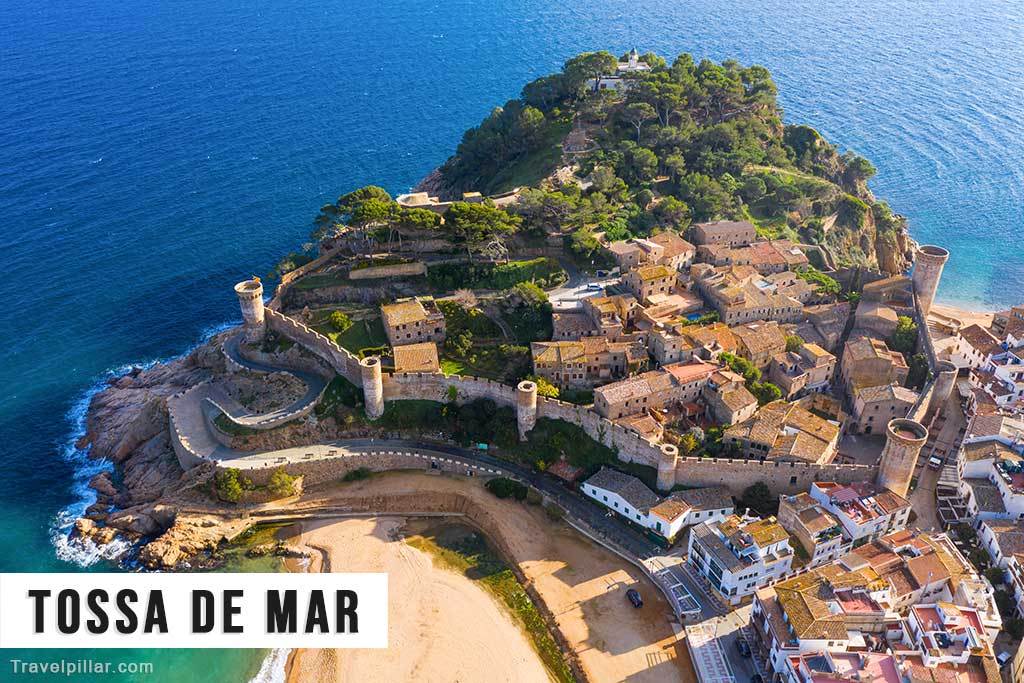
Tossa de Mar offers a variety of pristine beaches, each with its unique character. Playa Gran is the main beach, known for its golden sands and crystal-clear waters, while Mar Menuda, a smaller beach, is perfect for families with children. Cala Pola is a more secluded option, accessible via a scenic coastal walk.
The town’s artistic legacy is evident in its connection to prominent artists like Marc Chagall and Salvador Dalí, who were inspired by the town’s beauty. Art enthusiasts can visit the Municipal Museum, which showcases contemporary art and a collection of Chagall’s lithographs.
Tossa de Mar is also a hub for outdoor activities, offering hiking trails, water sports, and boat excursions. Visitors can explore the natural wonders of the surrounding area, including the stunning coves of Cala Bona and Cala Pola.
Culinary delights abound in Tossa de Mar, with a range of seafood restaurants, tapas bars, and local Catalan cuisine. It’s an ideal place to savor fresh catches from the Mediterranean and enjoy authentic Spanish dishes.
The Best Places to Visit in Tossa de Mar
Vila Vella (Old Town)
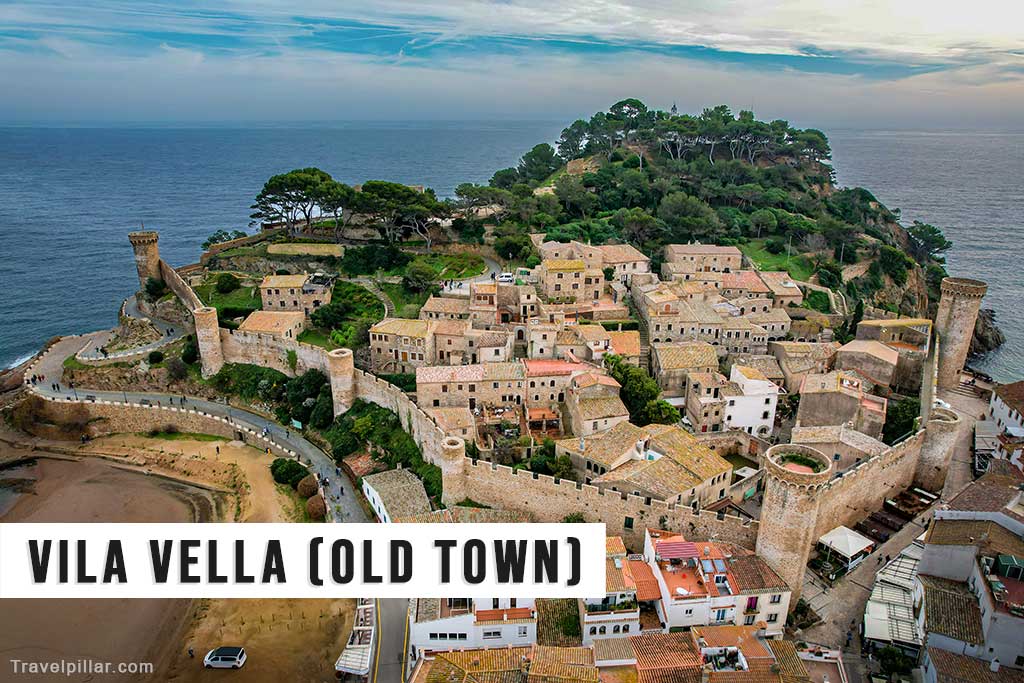
The medieval Vila Vella is the heart of Tossa de Mar’s historical charm. Encircled by defensive walls and crowned with seven towers, it is the only preserved fortified old town on the Catalan coast. Wander its narrow cobblestone streets, lined with historic homes, artisan shops, and cafés. The views from the battlements provide breathtaking panoramas of the Mediterranean and the town below.
Google map 4.8/5
Tossa de Mar Castle
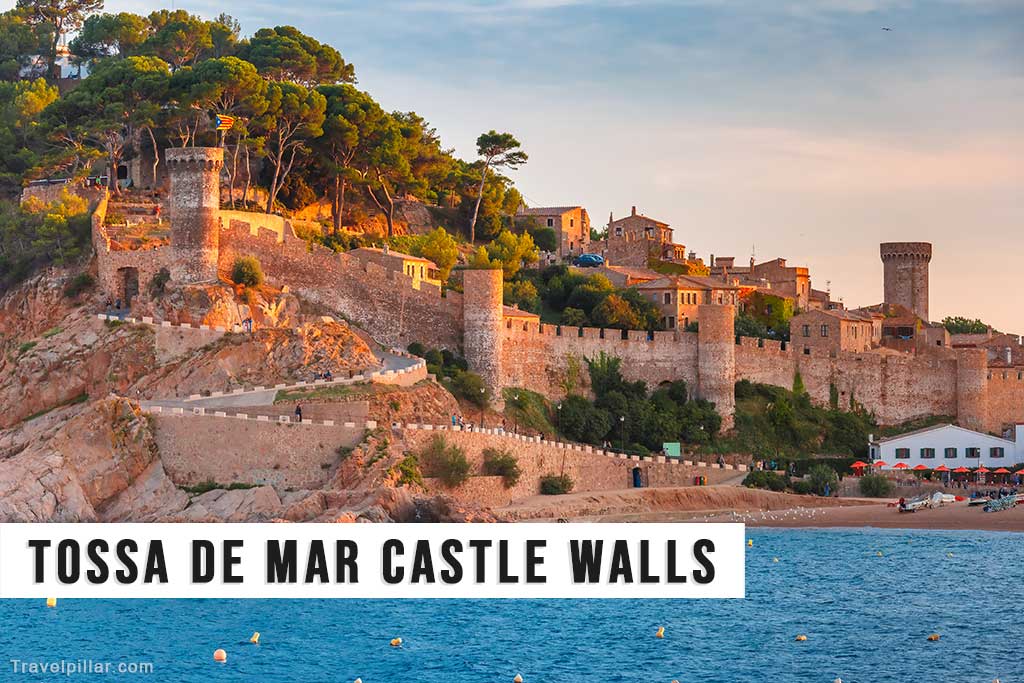
Built in the 12th century, the castle is an integral part of Vila Vella and Tossa’s iconic silhouette. Visitors can explore the interior and climb its towers, such as Torre d’en Joanàs, for stunning vistas of the sea and surrounding cliffs. The castle once protected the town from pirate attacks and now serves as a symbol of Tossa’s rich history.
Google map Torre d’en Joanàs 4.7/5
Platja Gran
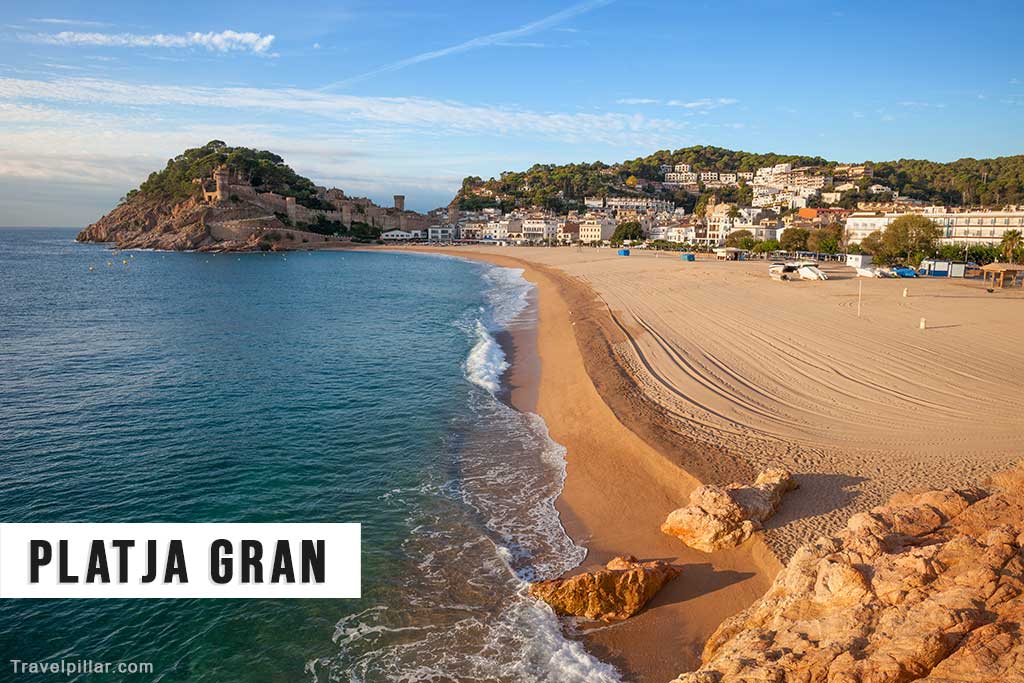
Platja Gran is Tossa de Mar’s main beach, stretching beneath the walls of Vila Vella. Its sandy shore and clear waters make it one of the most photographed beaches on the Costa Brava. The location combines leisure with heritage, as swimmers and sunbathers face views of the medieval towers. Facilities along the promenade provide restaurants, cafés, and seasonal activities, ensuring it remains central to the town’s coastal appeal.
Google map 4.4/5
Es Codolar Beach
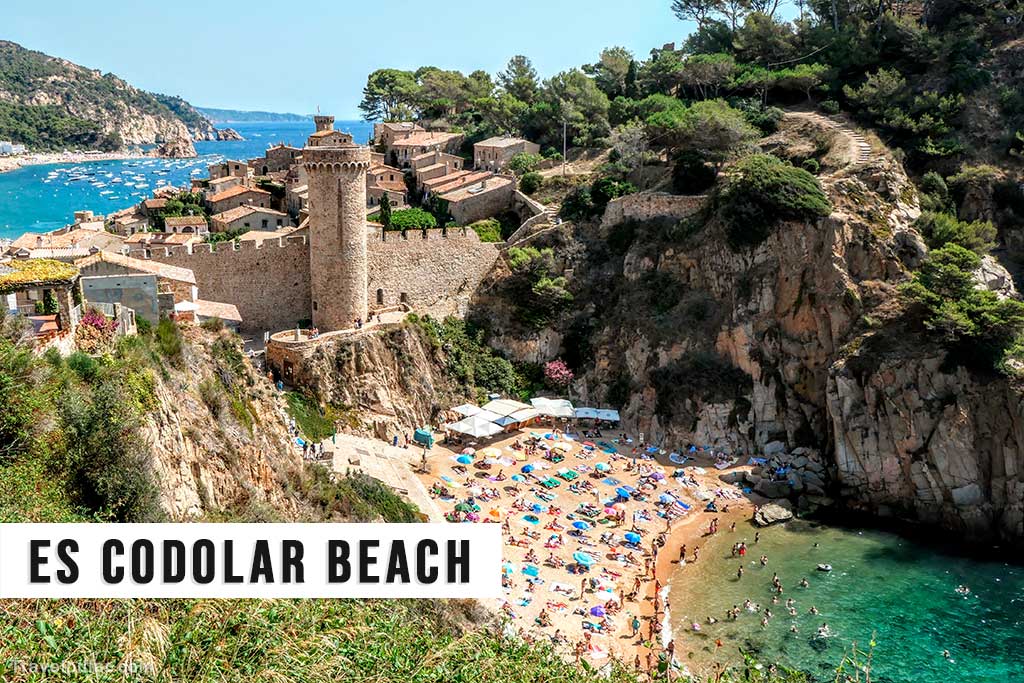
Located just behind the walls of Vila Vella, Platja d’es Codolar is a smaller beach framed by cliffs. It is less crowded than Platja Gran and retains the atmosphere of a fishing cove, with boats often drawn up on the sand. The location combines natural setting with proximity to the historic centre, making it a notable contrast to the town’s larger and busier beach.
Google map 4.6/5
Coastal Boat Excursions
Regular coastal boat services operate between several Costa Brava towns including Blanes, Fenals, Lloret de Mar and Tossa de Mar. The routes provide an alternative to travelling by road and offer views of cliffs, coves and beaches from the sea. Multiple departures normally operate during the summer season, allowing visitors to combine beaches, coastal walks and nearby towns within a single day trip along the southern Costa Brava coastline.
Official website: https://www.dofijetboats.com/
Sant Vicenç Church
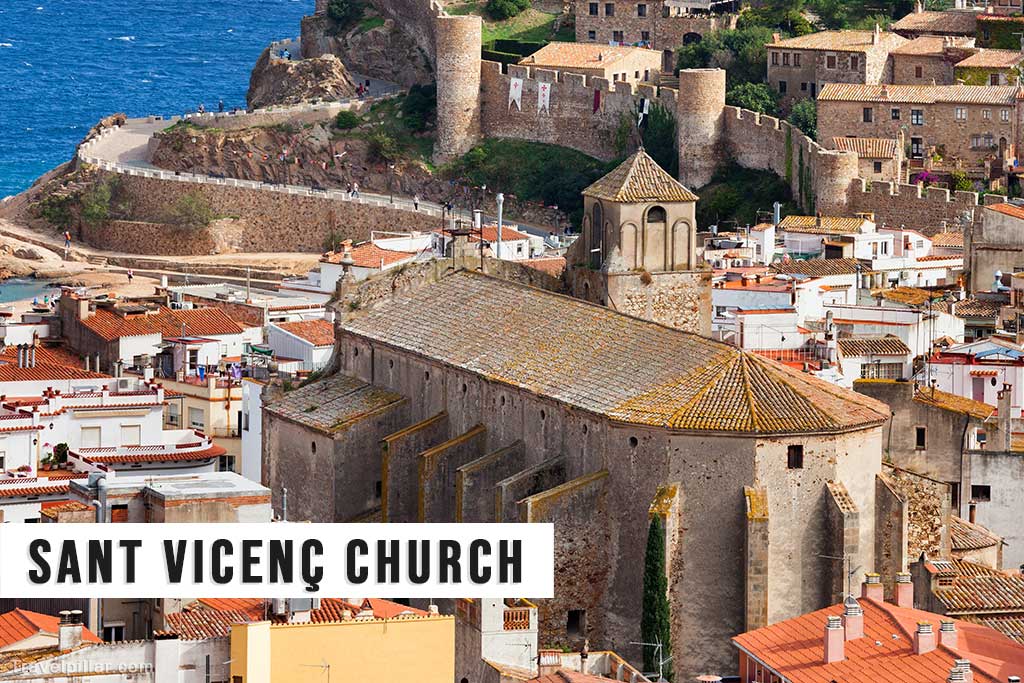
The Parish Church of Sant Vicenç, built in the late 18th century, stands outside Vila Vella. Its neoclassical façade and spacious interior replaced an earlier church located within the old town. The building reflects the town’s later expansion beyond the medieval walls. The church remains a functioning religious centre while also serving as an architectural landmark in the modern town.
Google map 4.5/5
Coastal Path to Cala Pola
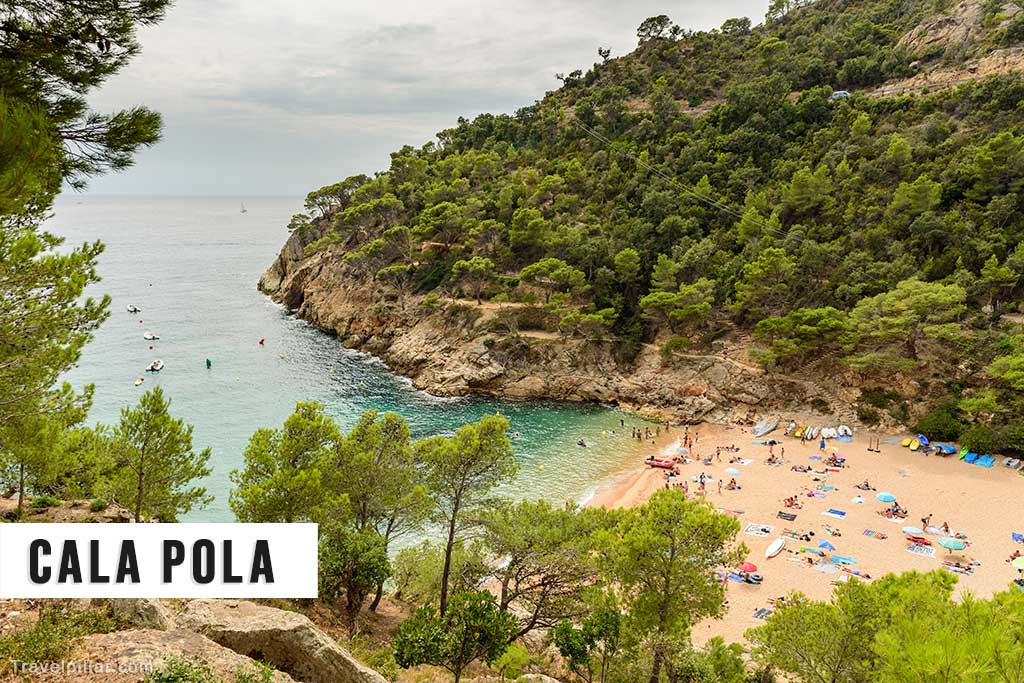
A coastal walking trail leads north from Tossa de Mar to Cala Pola, a small cove about 30 minutes away. The route follows cliffs and pine-covered hills, offering views of the Mediterranean. Cala Pola itself is a sheltered beach with clear water. The path highlights the natural landscape of the Costa Brava and provides an accessible excursion from the town.
Google map Cala Pola Beach 4.5/5
Camí de Ronda Coastal Path
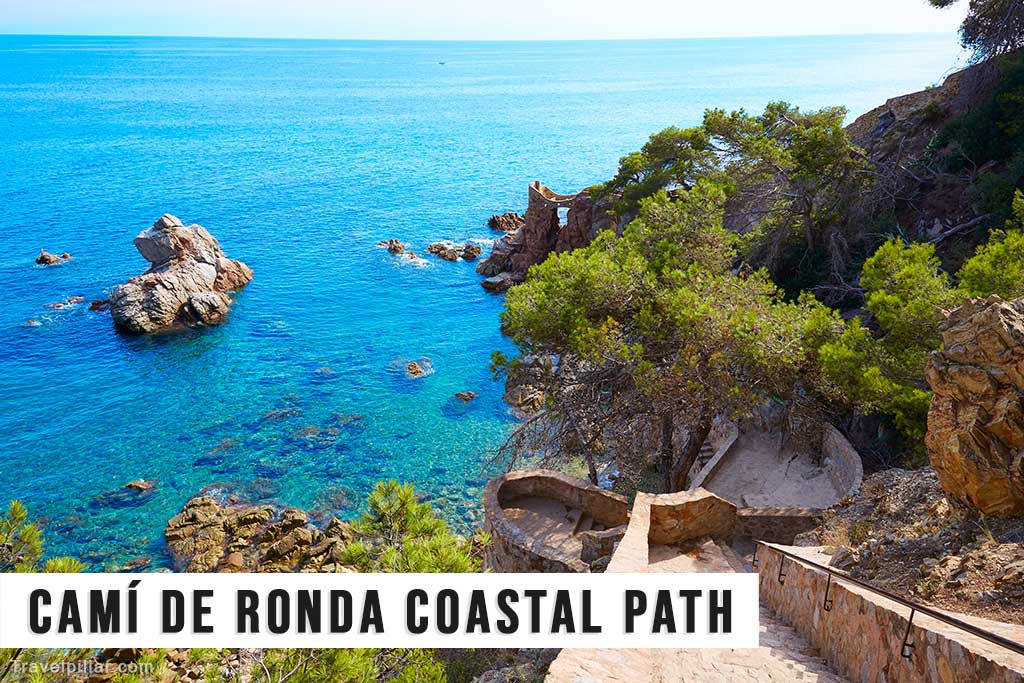
The Camí de Ronda is a historic coastal footpath once used by fishermen and customs officers. The section around Tossa de Mar connects to coves and viewpoints along the cliffs. The path demonstrates the region’s rugged geography and provides access to lesser-known stretches of coastline. It is part of a wider network across the Costa Brava.
Google map 4.8/5
Tossa Lighthouse (Far de Tossa)
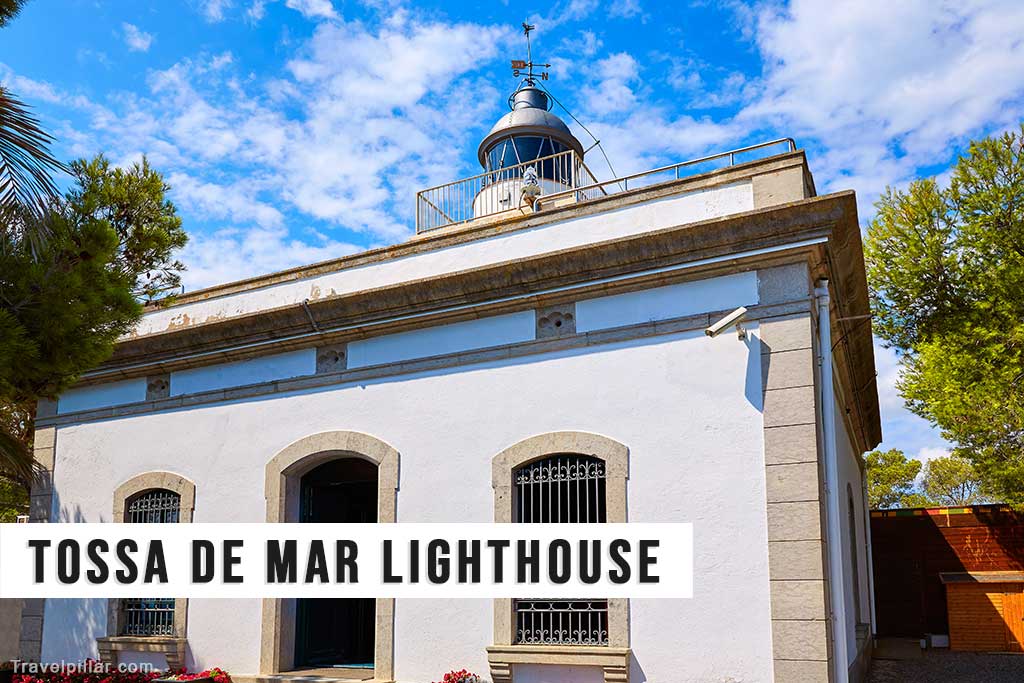
Standing at the highest point of Vila Vella, the lighthouse was built in 1917 to guide ships along the Costa Brava. It now houses a small museum about Mediterranean navigation and the history of lighthouses. From its terrace, views extend across the coastline and sea. The Far de Tossa links maritime history with panoramic scenery, reinforcing the town’s connection to both land and sea.
Google map 4.5/5
Chapel of Our Lady of Socorro
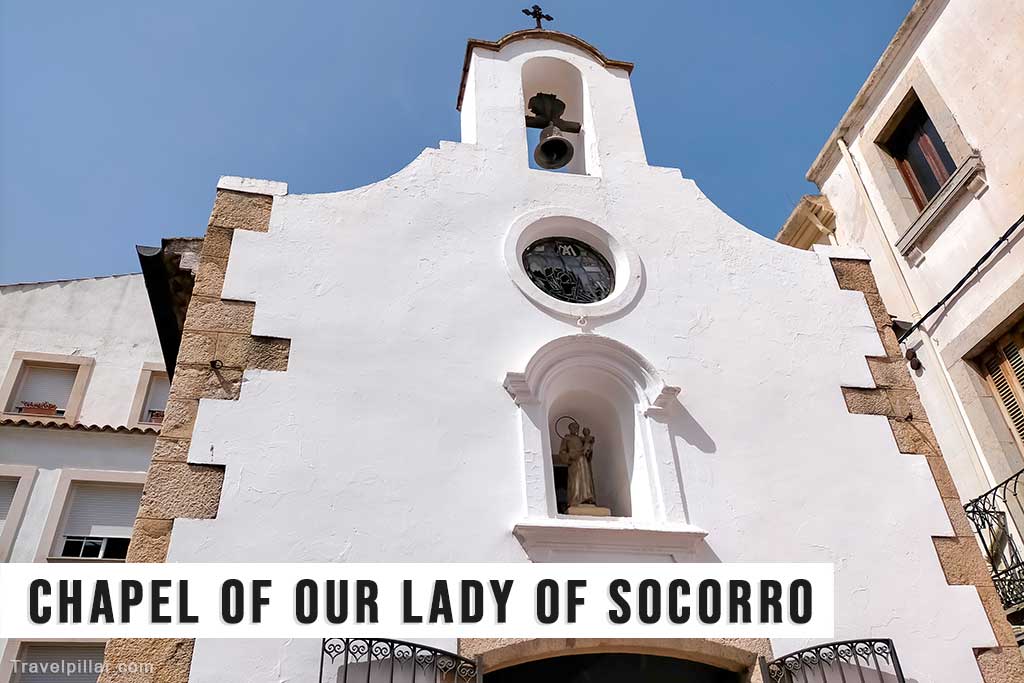
This small chapel in the town centre was built in the 16th century by sailors. It is dedicated to the Virgin of Succour, reflecting Tossa’s maritime traditions. The simple building, with its whitewashed façade, preserves religious devotion linked to seafaring communities. It remains a local landmark of faith and heritage.
Google map 4.5/5
Ava Gardner Statue
Near Platja Gran stands a statue of actress Ava Gardner, who filmed “Pandora and the Flying Dutchman” in Tossa de Mar in 1950. The film brought international attention to the town, marking the beginning of its rise as a tourist destination. The statue commemorates this link between Hollywood and Tossa, adding a modern cultural layer to its historic and natural attractions.
Google map 4.5/5
Cala Giverola
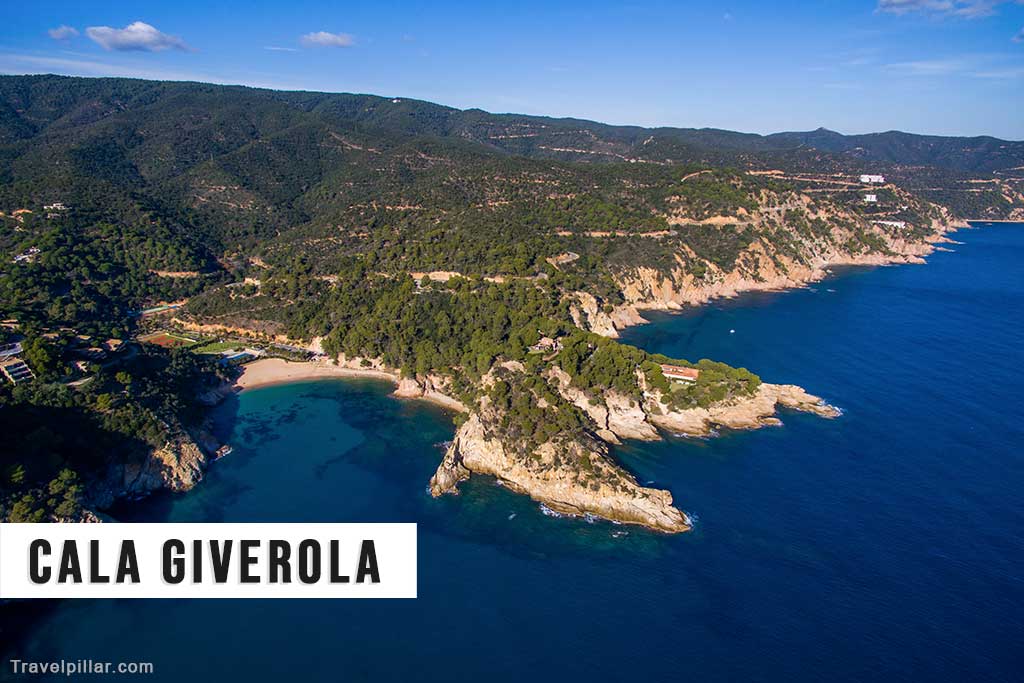
Cala Giverola is a cove north of Tossa de Mar, reached by road or walking trails. Its sandy beach and turquoise waters are framed by cliffs and pine forest. Facilities include restaurants and leisure activities. The cove is an example of the smaller beaches that characterise the Costa Brava’s natural landscape.
Google map 4.4/5
Cala Bona
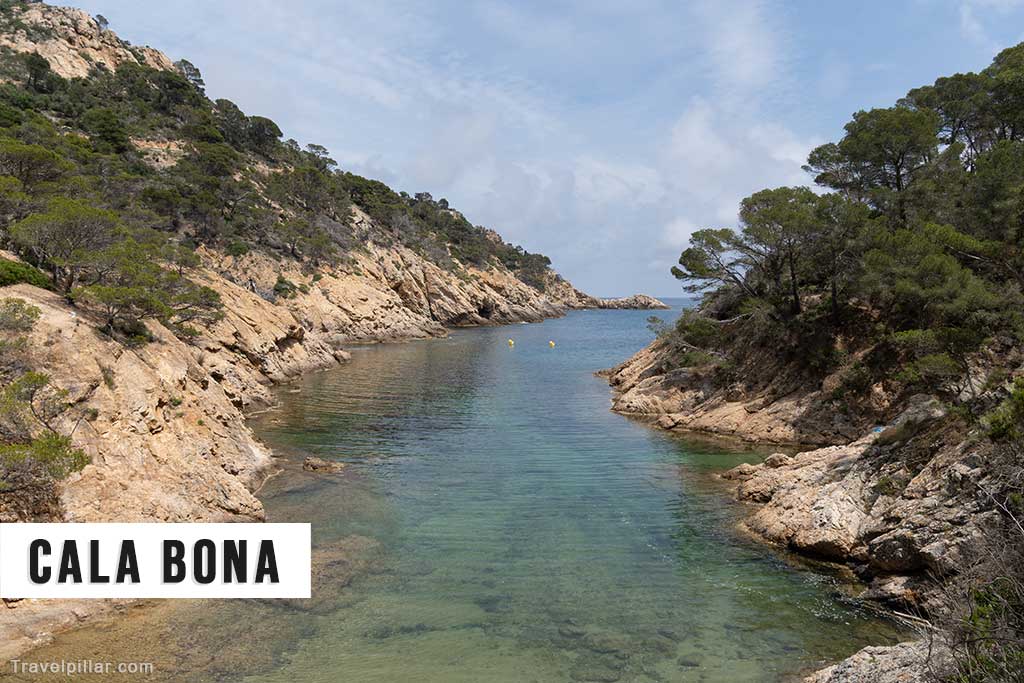
Cala Bona is a quiet cove reached by a 2.5 km coastal path from Tossa. It is smaller than Cala Giverola and retains a simple setting with clear waters. The cove is popular for swimming and snorkelling, offering a contrast to the busier main beaches. Cala Bona exemplifies the secluded coves around Tossa.
Google map 4.3/5
Municipal Museum of Tossa de Mar
Located within Vila Vella, the Municipal Museum occupies a former governor’s house. It presents archaeological finds from local Roman villas, as well as works of modern art, including pieces by Marc Chagall, who spent time in Tossa. Exhibits illustrate both the ancient and artistic importance of the town. Its position inside the historic walls enhances the museum’s role as part of Tossa de Mar’s cultural heritage.
Google map 4.2/5
Els Ametllers Roman Villa
The Roman villa of Els Ametllers, dating from the 1st century BCE, lies near the old town. Excavations revealed mosaics, thermal baths, and household artefacts that illustrate Roman life in the region. A small interpretation centre presents the site’s history and finds. The villa provides archaeological context for Tossa de Mar, showing that its significance predates the medieval period.
Google map 4.2/5