
Top 30 Famous Historical Figures
Alexander the Great
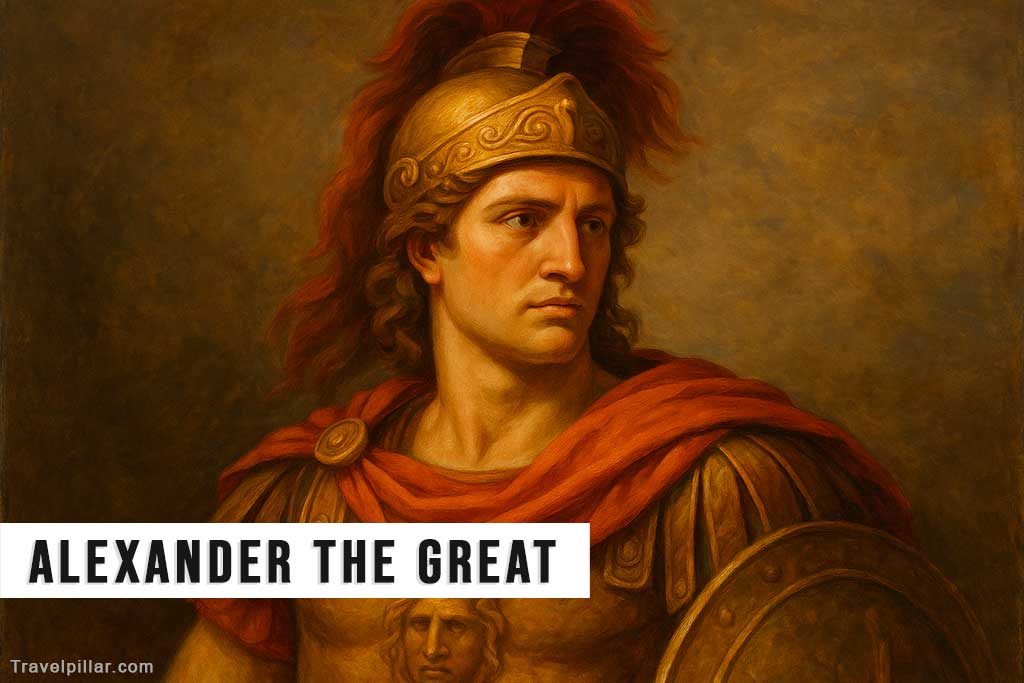
Alexander III of Macedon (356–323 BC), known as Alexander the Great, was a Macedonian king renowned for his military prowess and strategic acumen. He succeeded his father, Philip II, at age 20 and swiftly expanded his empire, conquering Persia, Egypt, and parts of India. His tactics and leadership have influenced many military campaigns since. Alexander’s death at the age of 32 left his vast empire without an heir, leading to its fragmentation.
Confucius

Confucius (551–479 BC) was a Chinese philosopher who significantly influenced East Asian thought and life. His teachings, known as Confucianism, focused on morality, ethics, and social relationships. He advocated for familial respect, social harmony, and just governance. The Analects, a collection of his ideas recorded by disciples, has shaped Chinese, Korean, Japanese, and Vietnamese societies and continues to impact global thought.
Julius Caesar

Gaius Julius Caesar (100–44 BC) was a Roman general, statesman, and historian who played a vital role in the demise of the Roman Republic and the rise of the Roman Empire. Known for his military exploits, particularly in Gaul and during the Roman Civil War, Caesar became the dictator of Rome in 46 BC. His assassination on the Ides of March, 44 BC, sparked another civil war, leading to the rise of Imperial Rome.
Jesus Christ
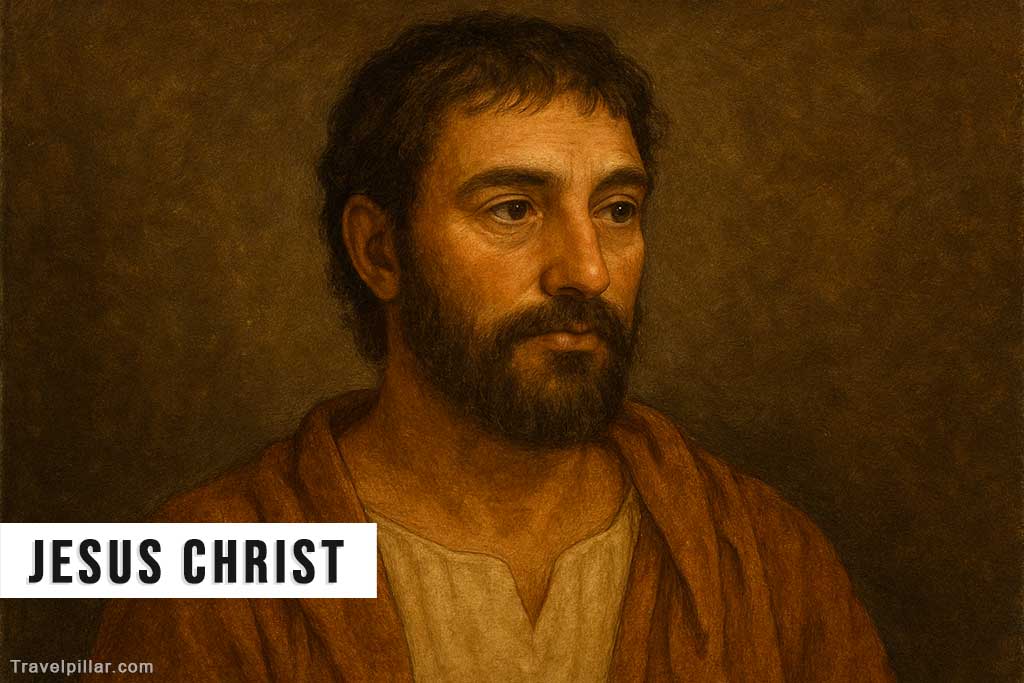
Jesus Christ, born in the 1st century AD, is the central figure of Christianity. Believed by Christians to be the son of God and the Messiah prophesied in the Old Testament, his teachings, crucifixion, and resurrection form the basis of Christian faith and practice. Though the exact dates of his birth and death are uncertain, his life and teachings have profoundly influenced Western culture and global history.
Prophet Muhammad
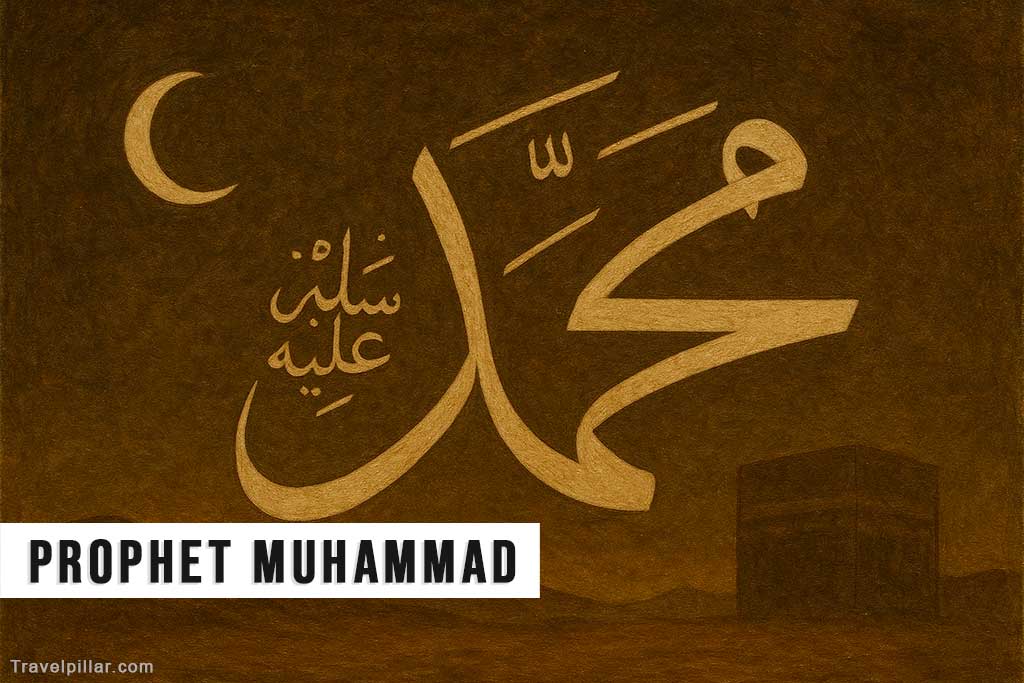
Prophet Muhammad (570–632 AD), the founder of Islam, is regarded by Muslims as the last prophet sent by God. Born in Mecca, he received revelations over 23 years, which form the Quran, Islam’s holy book. Muhammad’s teachings emphasized monotheism, morality, and social justice. His leadership unified the Arabian Peninsula under Islam, laying the foundation for the expansive Islamic Caliphates of the following centuries.
Charlemagne
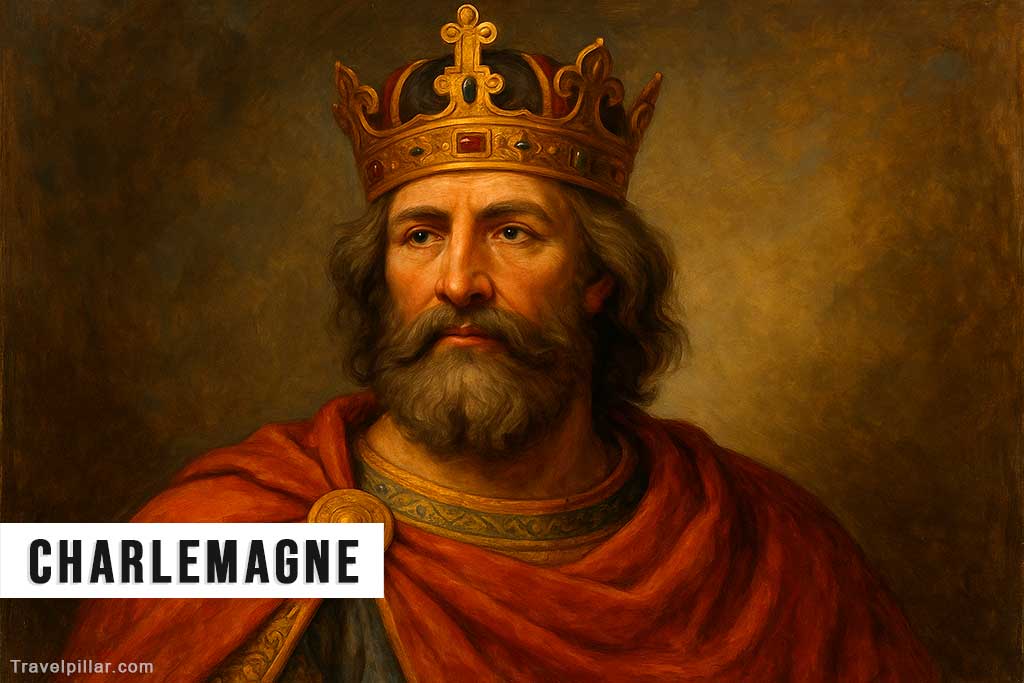
Charlemagne, also known as Charles the Great (742–814 AD), was King of the Franks and Lombards, and later Emperor of the Romans. His reign marked a period of cultural and intellectual renaissance, known as the Carolingian Renaissance. Charlemagne expanded his territories across Central Europe, consolidated power, and enforced Christian unity, laying groundwork for the future states of France and Germany. His coronation in 800 AD symbolized the fusion of Roman, Christian, and Germanic cultures.
Genghis Khan
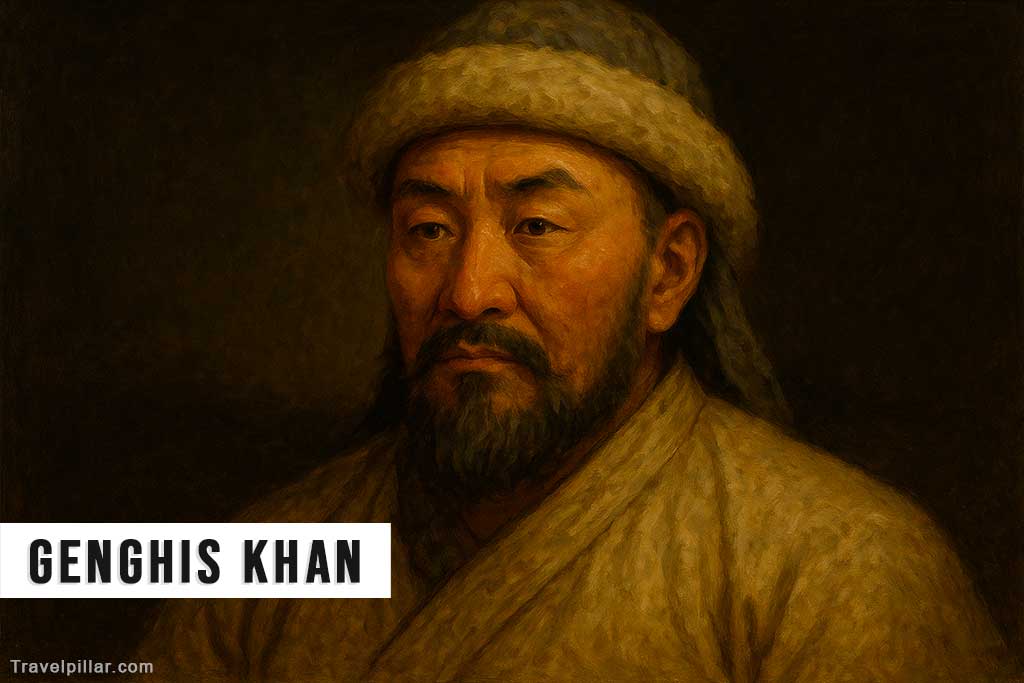
Genghis Khan (1162–1227 AD) was the founder and first Great Khan of the Mongol Empire, which became the largest contiguous empire in history. Born as Temujin in the Mongolian plateau, he united several nomadic tribes under his rule through military conquest and tactical alliances. His empire facilitated significant cultural and economic exchange across Eurasia. Despite his reputation for brutality, Genghis Khan’s innovative leadership profoundly influenced world history.
William Shakespeare

William Shakespeare (1564-1616), an English playwright and poet, is widely regarded as the greatest writer in the English language. His works, including 39 plays, 154 sonnets, and two long narrative poems, have been translated into every major living language. His characters, from tragic Hamlet to star-crossed Romeo and Juliet, are enduring icons of dramatic literature. His timeless themes and eloquent language continue to captivate audiences worldwide.
Leonardo da Vinci
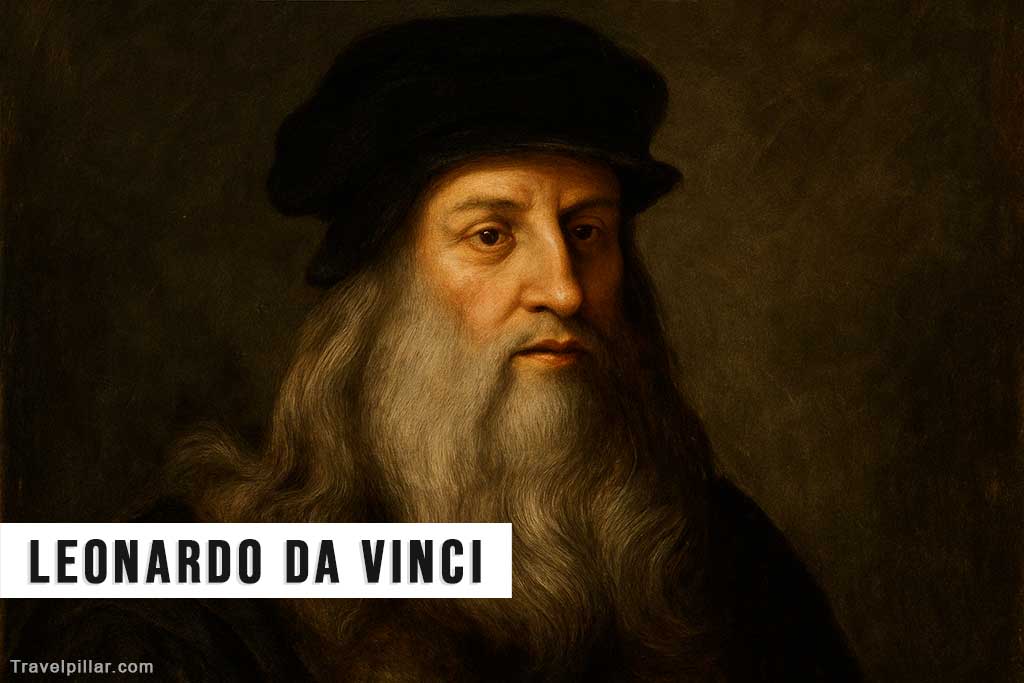
Leonardo da Vinci (1452–1519 AD) was an Italian polymath of the High Renaissance celebrated for his profound impact on art and science. His works, such as “The Last Supper” and “Mona Lisa,” have become cultural icons. Leonardo’s notebooks, filled with scientific observations and technological designs, display his curiosity and inventive intellect. His interdisciplinary approach embodied the Renaissance humanist ideal, significantly influencing future generations.
Martin Luther

Martin Luther (1483–1546 AD) was a German theologian and Augustinian monk who became the central figure of the Protestant Reformation. Disturbed by the Catholic Church’s sale of indulgences, Luther published his “95 Theses” in 1517, sparking religious and political upheaval. His teachings emphasized salvation through faith alone and the Bible’s role as the primary religious authority. His translation of the Bible into the vernacular democratized access to religious texts, influencing the development of a standard German language.
Galileo Galilei
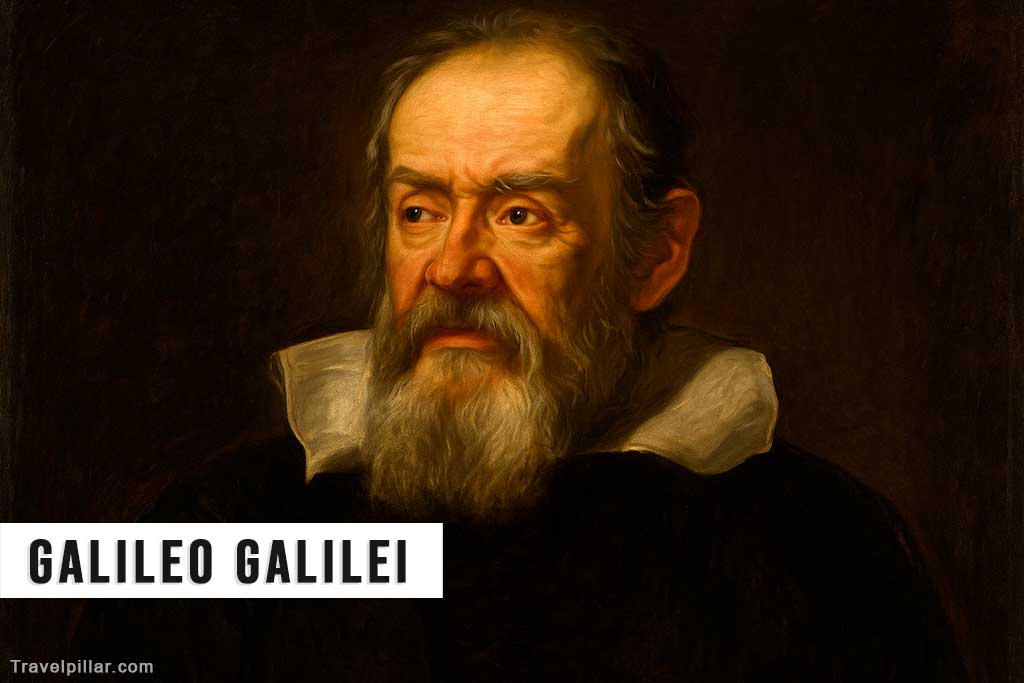
Galileo Galilei (1564–1642 AD) was an Italian physicist, astronomer, and engineer who is often called the “father of observational astronomy” and “father of modern physics.” His improvements to the telescope enabled him to make significant astronomical observations, including the moons of Jupiter and the phases of Venus. Galileo’s support for Copernican heliocentrism led to conflict with the Catholic Church, resulting in his infamous trial and house arrest.
Isaac Newton
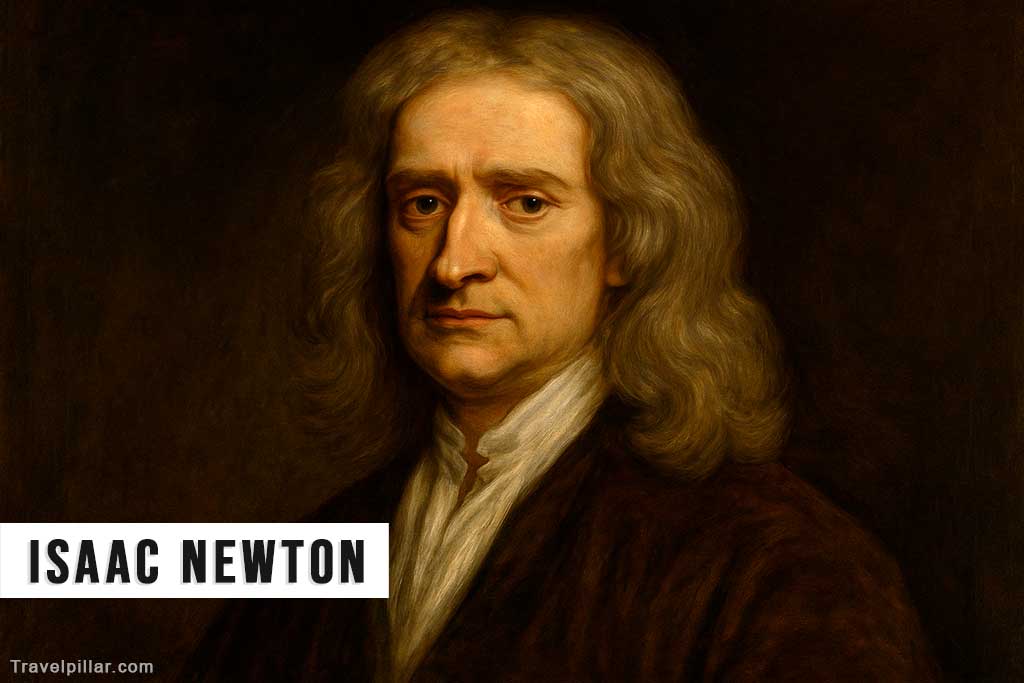
Sir Isaac Newton (1643–1727 AD) was an English mathematician, physicist, astronomer, and author who is widely recognized as one of the most influential scientists of all time. His formulation of the laws of motion and universal gravitation laid the groundwork for classical physics. Newton’s book, “Philosophiæ Naturalis Principia Mathematica,” remains a pivotal work in the history of science. He also made substantial contributions to optics and shares credit for developing calculus.
Johannes Gutenberg
Johannes Gutenberg (1400–1468 AD) was a German blacksmith, goldsmith, inventor, and publisher who introduced printing to Europe with the invention of the movable type printing press. This revolutionary technology facilitated the mass production of books and the rapid dissemination of knowledge throughout Europe. The Gutenberg Bible, the first major book printed using mass-produced movable type, has been acclaimed for its high aesthetic and technical quality.
Napoleon Bonaparte

Napoleon Bonaparte (1769–1821 AD) was a French military and political leader who rose to prominence during the French Revolution. He led several successful campaigns during the French Revolutionary Wars and became the de facto leader of the French government in 1799, eventually proclaiming himself Emperor in 1804. Despite his eventual defeat at Waterloo and exile, Napoleon’s legal reform, the Napoleonic Code, has had a lasting impact on numerous civil law jurisdictions worldwide.
Karl Marx

Karl Marx (1818–1883 AD) was a German philosopher, economist, historian, sociologist, and political theorist known for his critical theories about society, economics, and politics. Marx co-authored “The Communist Manifesto” with Friedrich Engels and authored “Das Kapital,” which critique capitalism and propose communism as an alternative. His theories, known as Marxism, have significantly influenced global political landscapes and academic thought, particularly in sociology and political science.
Charles Darwin

Charles Darwin (1809–1882 AD) was an English naturalist, geologist, and biologist who made significant contributions to the science of evolution. His landmark work, “On the Origin of Species,” introduced the scientific theory that populations evolve over generations through a process of natural selection. Darwin’s discovery and exposition of the mechanisms of evolution have fundamentally shaped modern biology, paleontology, and other scientific disciplines.
Abraham Lincoln
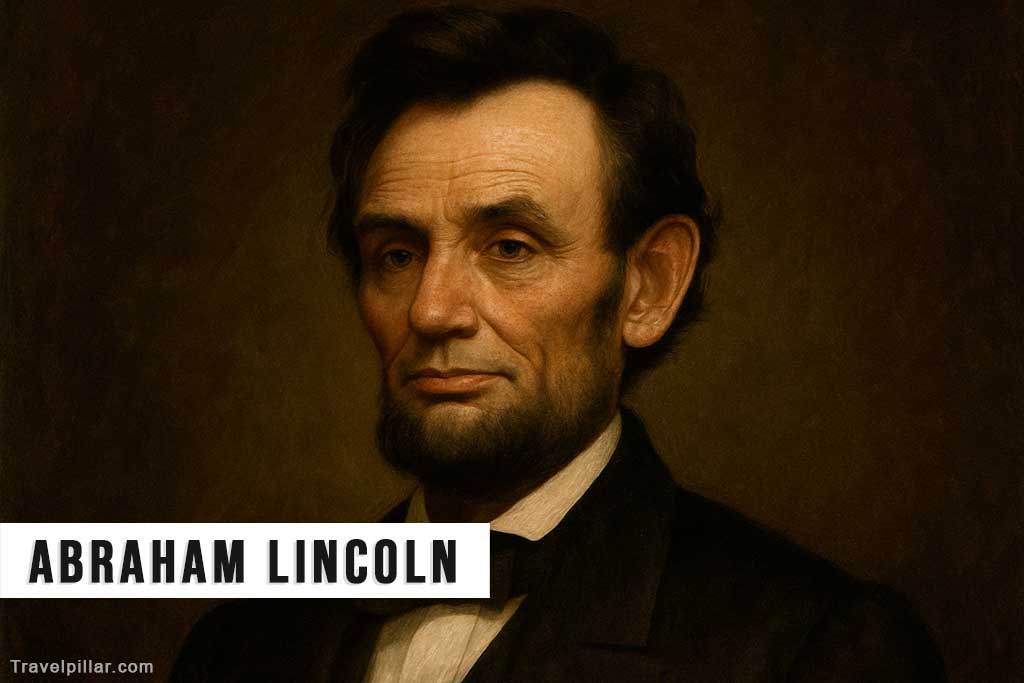
Abraham Lincoln (1809–1865 AD) was the 16th President of the United States, best known for leading the nation through the American Civil War and abolishing slavery with the Emancipation Proclamation and the 13th Amendment. His leadership during this turbulent period in American history, along with his eloquence and humble origins, has made him one of the most revered figures in American history.
Mahatma Gandhi
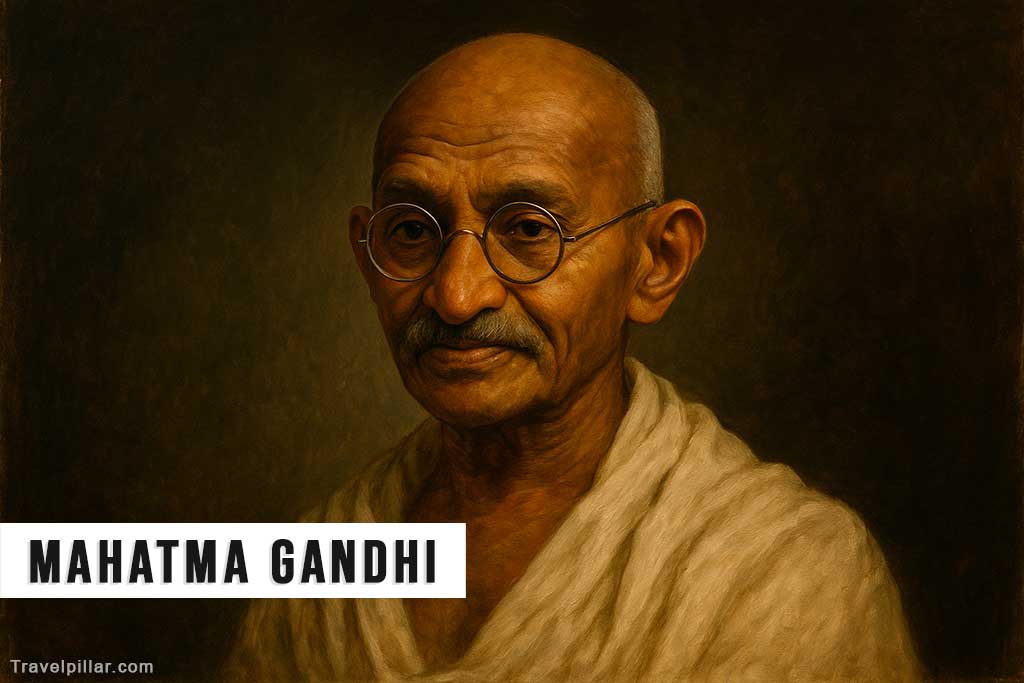
Mahatma Gandhi (1869–1948 AD), born Mohandas Karamchand Gandhi, was an Indian lawyer, anti-colonial nationalist, and political ethicist who employed nonviolent resistance to lead the successful campaign for India’s independence from British rule. His philosophy of peaceful resistance, known as Satyagraha, has inspired numerous civil rights and freedom movements around the world. Gandhi’s life and teachings continue to have a significant impact on Indian and global politics.
Albert Einstein

Albert Einstein (1879–1955 AD) was a German-born theoretical physicist who developed the theory of relativity, one of the two pillars of modern physics. His work is best known for its influence on the philosophy of science. His mass-energy equivalence formula, E = mc^2, has been dubbed “the world’s most famous equation.” Einstein received the 1921 Nobel Prize in Physics for his services to theoretical physics and his discovery of the law of the photoelectric effect.
Vladimir Lenin
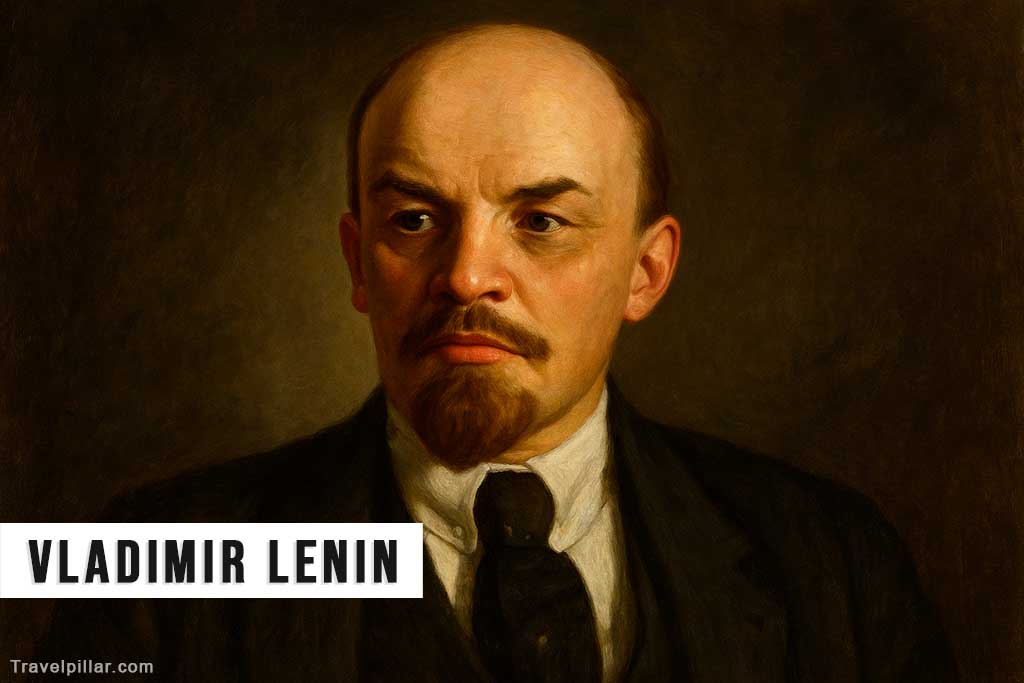
Vladimir Lenin (1870–1924 AD) was a Russian revolutionary, politician, and political theorist who served as the head of the government of Soviet Russia from 1917 to 1924 and of the Soviet Union from 1922 to 1924. Under his administration, Russia became the Soviet Union, a one-party communist state governed by the Russian Communist Party. Lenin’s theory of Marxist interpretation, Leninism, was key in the establishment of the Soviet state.
Winston Churchill
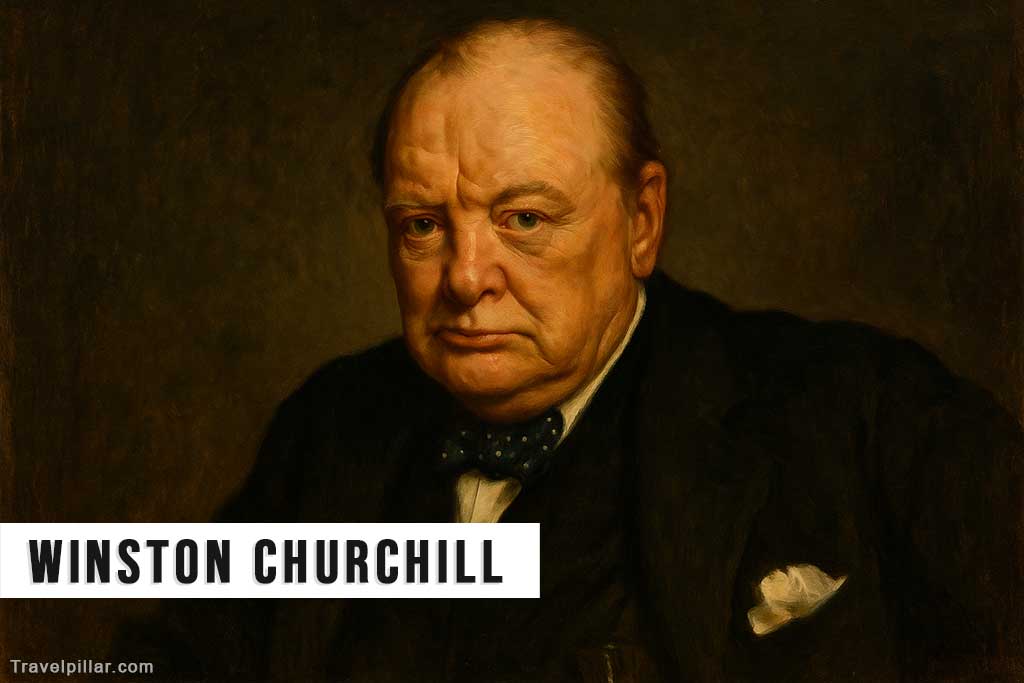
Winston Churchill (1874–1965 AD) was a British statesman, army officer, and writer who served as Prime Minister of the United Kingdom during the Second World War. Known for his formidable leadership and inspirational speeches, Churchill is widely credited with rallying British morale during the war. Post-war, he played a significant role in the transition of the British Empire into the Commonwealth of Nations. Churchill was also a prolific writer and won the Nobel Prize in Literature in 1953.
Marie Curie
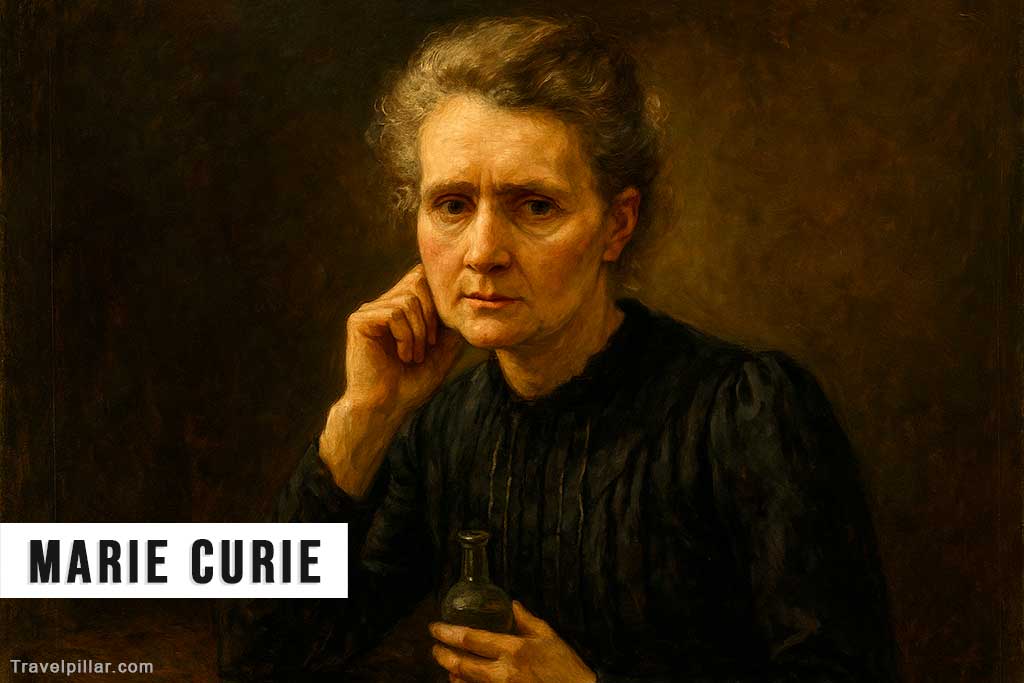
Marie Curie (1867–1934 AD) was a Polish and naturalized-French physicist and chemist who conducted pioneering research on radioactivity. She was the first woman to win a Nobel Prize, the first person to win the Nobel Prize twice, and the only person to win the Nobel Prize in two different scientific fields – Physics and Chemistry. Curie’s discoveries of the elements radium and polonium, and her extensive research on radioactivity, significantly advanced medical and industrial applications.
Rosa Parks
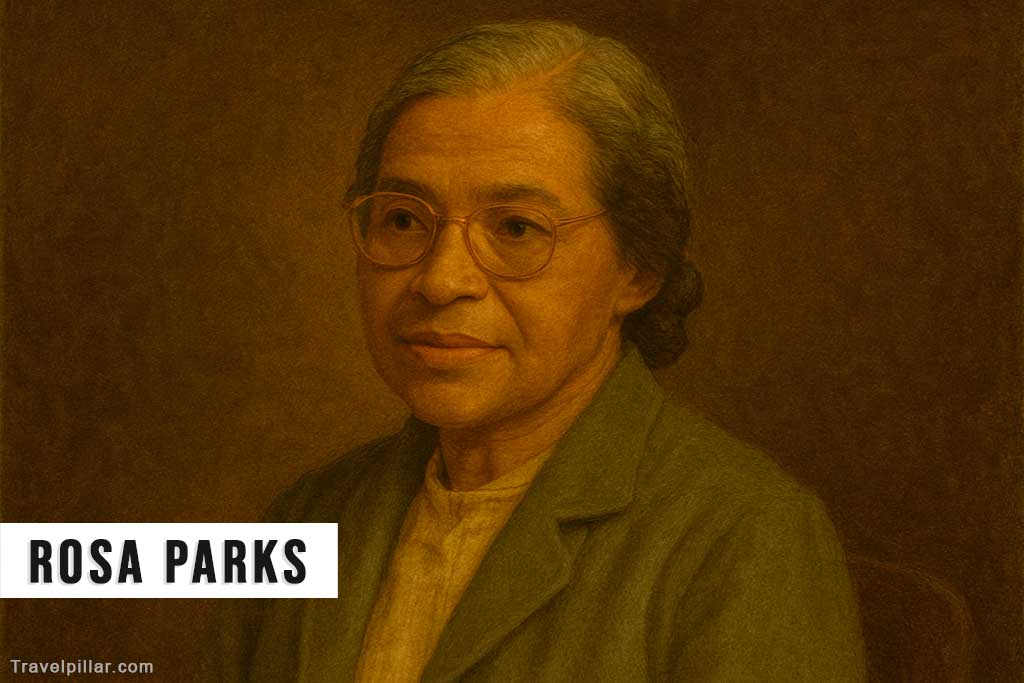
Rosa Parks (1913–2005 AD) was an African-American civil rights activist known as “the mother of the freedom movement” in the United States. Parks’ refusal to surrender her seat to a white passenger on a segregated bus in Montgomery, Alabama, in 1955, became a symbol of resistance against racial segregation. This act sparked the Montgomery Bus Boycott, a significant event in the Civil Rights Movement. Parks remains a lasting figure of dignity and strength in the struggle for racial equality.
Martin Luther King Jr.

Martin Luther King Jr. (1929–1968 AD) was an American clergyman and civil rights leader who became a national figure in the fight against racial discrimination in the United States. His advocacy of nonviolent protest and civil disobedience, inspired by Mahatma Gandhi, shaped the trajectory of the Civil Rights Movement. King’s “I Have a Dream” speech during the 1963 March on Washington remains an iconic symbol of hope for racial harmony. He was assassinated in 1968.
Nelson Mandela
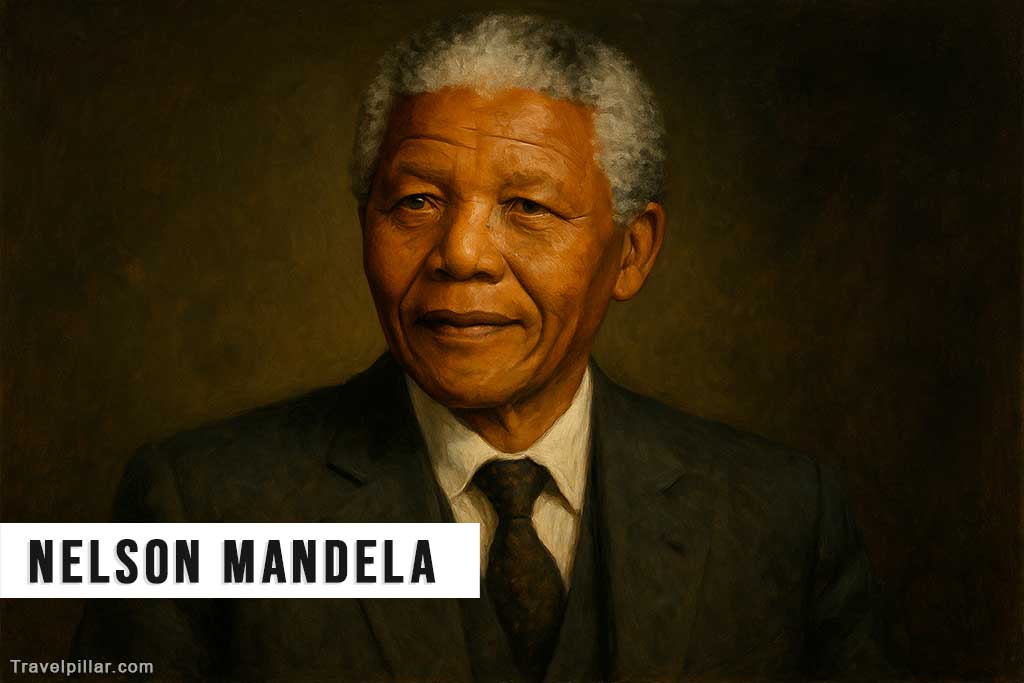
Nelson Mandela (1918–2013 AD) was a South African anti-apartheid activist, lawyer, and later president of South Africa from 1994 to 1999. Mandela’s leadership and unyielding commitment to equality and justice, including 27 years spent in prison for his anti-apartheid activities, were central to the end of apartheid and the establishment of a democratic South Africa. His life and work continue to inspire movements for civil rights and freedom worldwide.
Mao Zedong
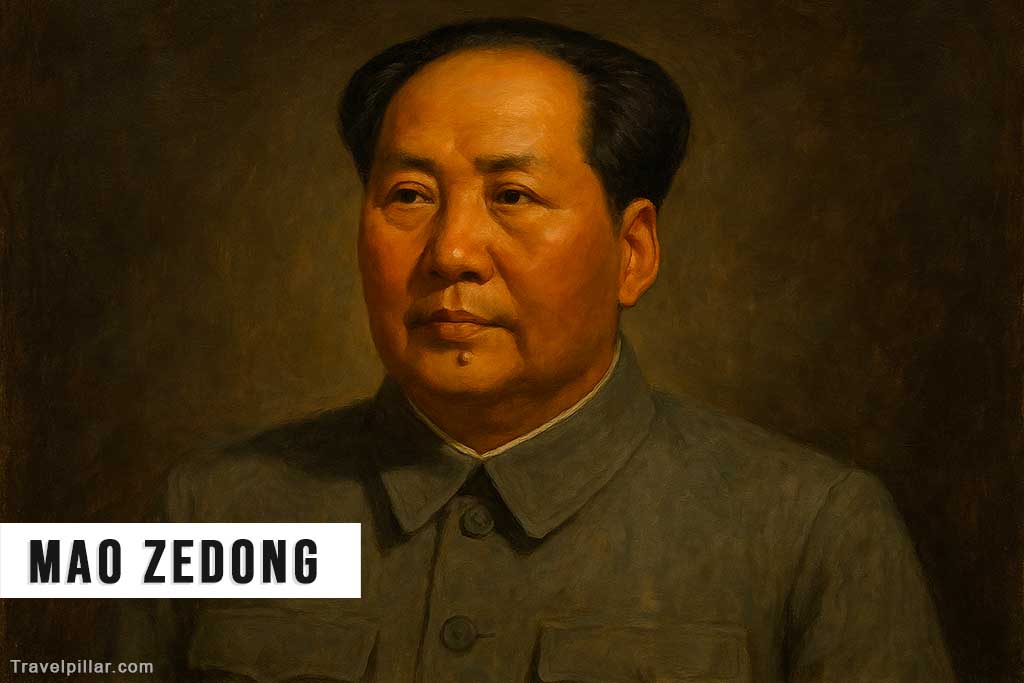
Mao Zedong (1893–1976 AD), also known as Chairman Mao, was a Chinese communist revolutionary and founding father of the People’s Republic of China, which he ruled as the Chairman of the Communist Party of China from its establishment in 1949 until his death in 1976. Mao’s theories, military strategies, and political policies, collectively known as Maoism, significantly shaped China’s socio-political structures. His controversial legacy includes widespread socio-economic change and catastrophic consequences, such as the Great Leap Forward and the Cultural Revolution.
Mother Teresa
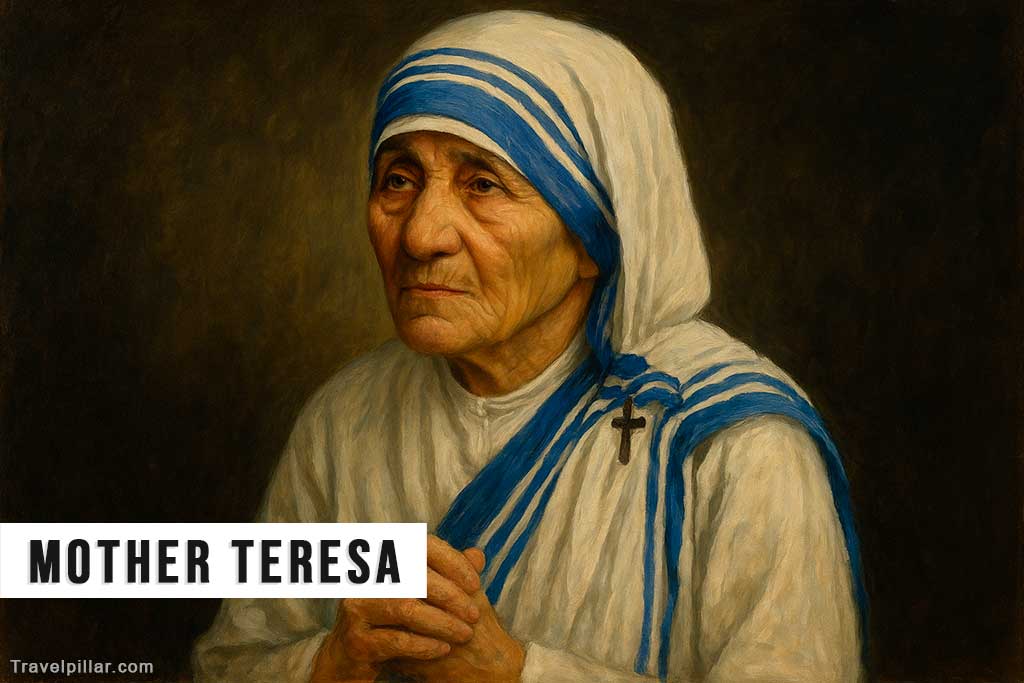
Mother Teresa (1910–1997 AD), born Anjezë Gonxhe Bojaxhiu, was an Albanian-Indian Roman Catholic nun and missionary who dedicated her life to serving the poor and destitute around the world. In 1950, she founded the Missionaries of Charity in Kolkata, India, which provides aid to those in poverty, illness, and dying. Her humanitarian work earned her the Nobel Peace Prize in 1979. Despite controversies, she remains globally respected for her selfless service.
Amelia Earhart
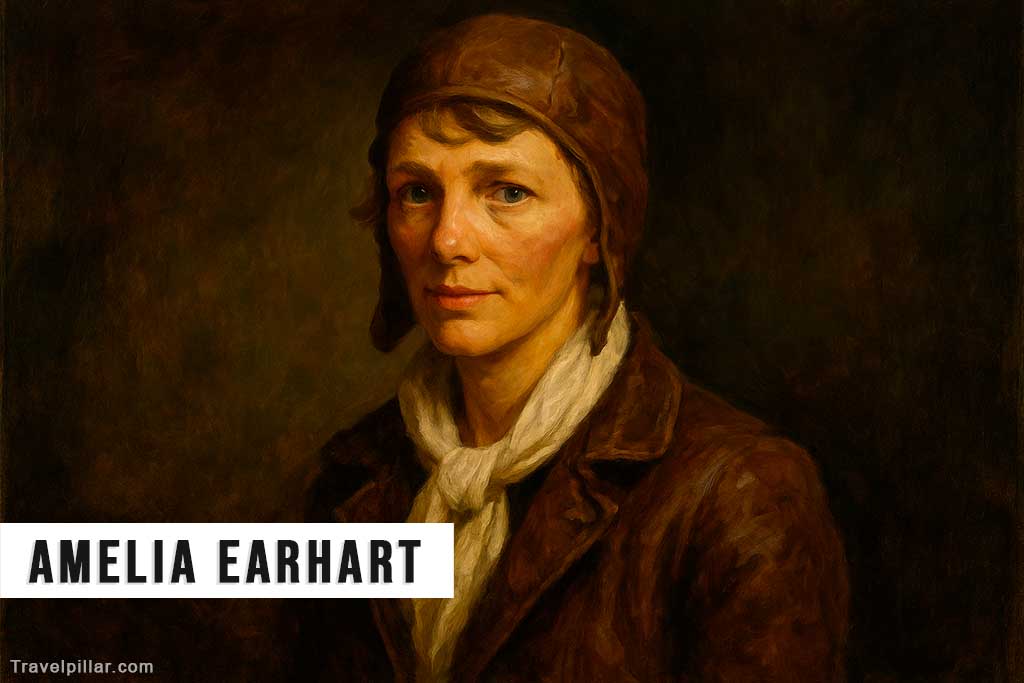
Amelia Earhart (1897–1937 AD) was an American aviation pioneer and author who was the first female aviator to fly solo across the Atlantic Ocean, for which she received the U.S. Distinguished Flying Cross. Earhart set many other records, wrote best-selling books about her flying experiences, and was instrumental in the formation of The Ninety-Nines, an organization for female pilots. Her disappearance during an attempt to circumnavigate the globe in 1937 remains a mystery.
Nikola Tesla
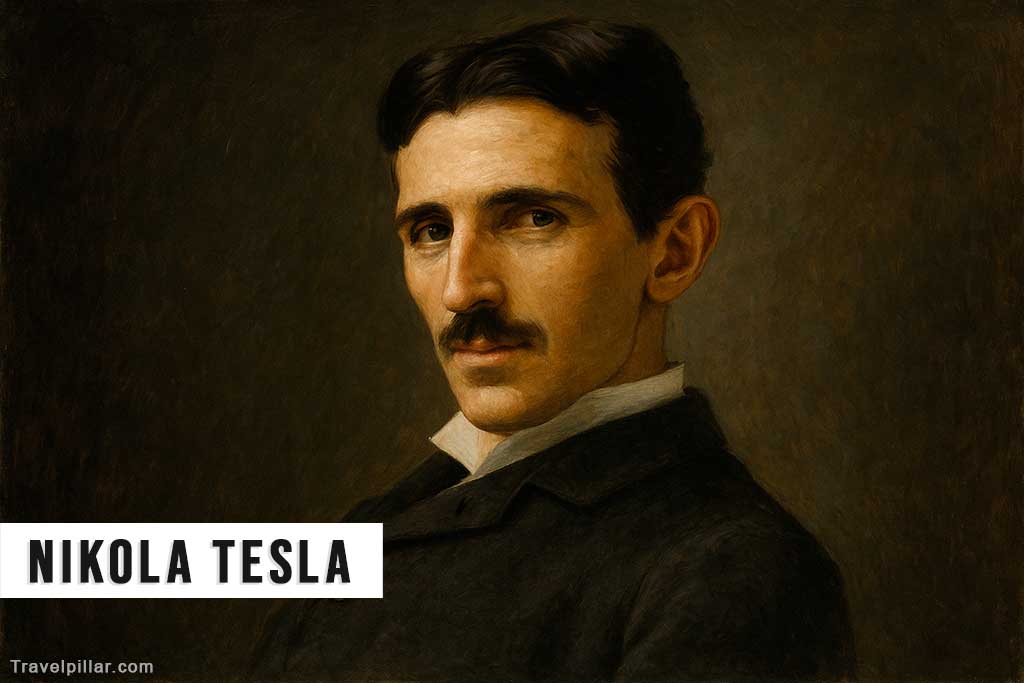
Nikola Tesla (1856–1943 AD) was a Serbian-American inventor, electrical engineer, mechanical engineer, and physicist who is best known for his contributions to the design of the modern alternating current (AC) electricity supply system. His work formed the basis of modern electricity and included pioneering developments in electromagnetism, radio, radar, and wireless transmission. Despite his significant scientific contributions, Tesla lived much of his life in financial difficulty.
Sigmund Freud
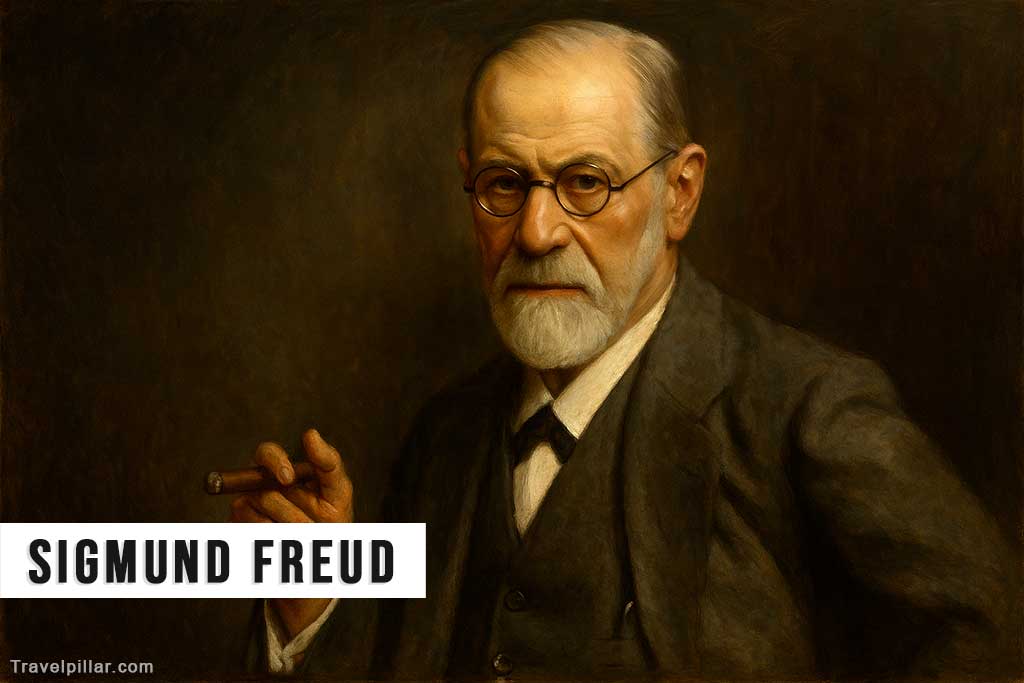
Sigmund Freud (1856–1939 AD) was an Austrian neurologist and the founder of psychoanalysis, a clinical method for treating psychopathology through dialogue between a patient and a psychoanalyst. Freud developed therapeutic techniques such as the use of free association, introduced the concept of the unconscious mind, and created a comprehensive theory of personality centered around ego, super-ego, and id. His theories remain influential in psychology, psychiatry, and psychotherapy, though they are also controversial.