

Lisbon, the capital of Portugal, is a city steeped in history, culture, and architectural richness. Nestled along the Tagus River, it boasts a diverse landscape of hills, historic neighborhoods, and scenic waterfronts. The city’s architecture reflects various influences, from Moorish to Manueline styles. Key landmarks include the São Jorge Castle, Belém Tower, and the historic Alfama district. Lisbon’s vibrant atmosphere is complemented by its traditional Fado music, charming cafés, and bustling markets. As a major European port city, Lisbon serves as a gateway to Portugal’s maritime legacy, offering visitors a compelling blend of past and present.
Official tourism website: https://www.visitlisboa.com/en
The Best Things to Do in Lisbon
Praça do Comércio (Terreiro do Prazo)

The Praça do Comércio is a historic square located in Lisbon. Built in the 18th century, the square served as the main commercial center of Lisbon for centuries. Today, the square is a popular tourist attraction and a hub of activity, offering visitors stunning views of the Tagus River and the surrounding architecture.
Google map 4.7/5
Arco da Rua Augusta
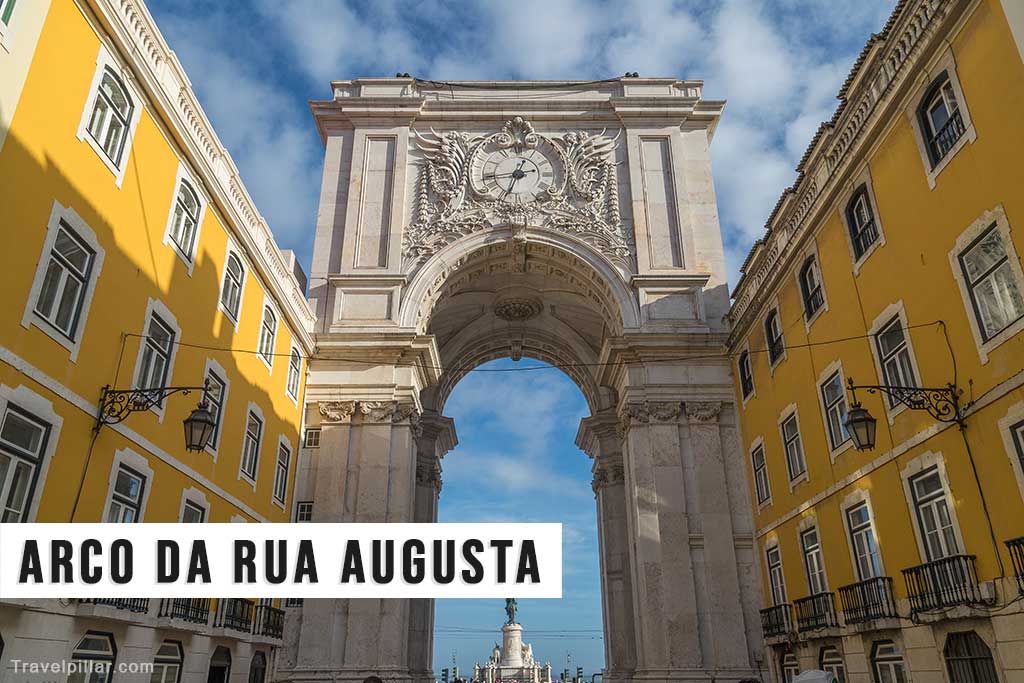
The Arco da Rua Augusta is a historic landmark located. Built in the 18th century, the arch served as a gateway to the city’s main commercial center. Today, the arch is a popular tourist attraction and offers visitors stunning views of the city from its observation deck.
Official website: https://www.visitlisboa.com/en/
Google map 4.7/5
Alfama (neighbourhood)
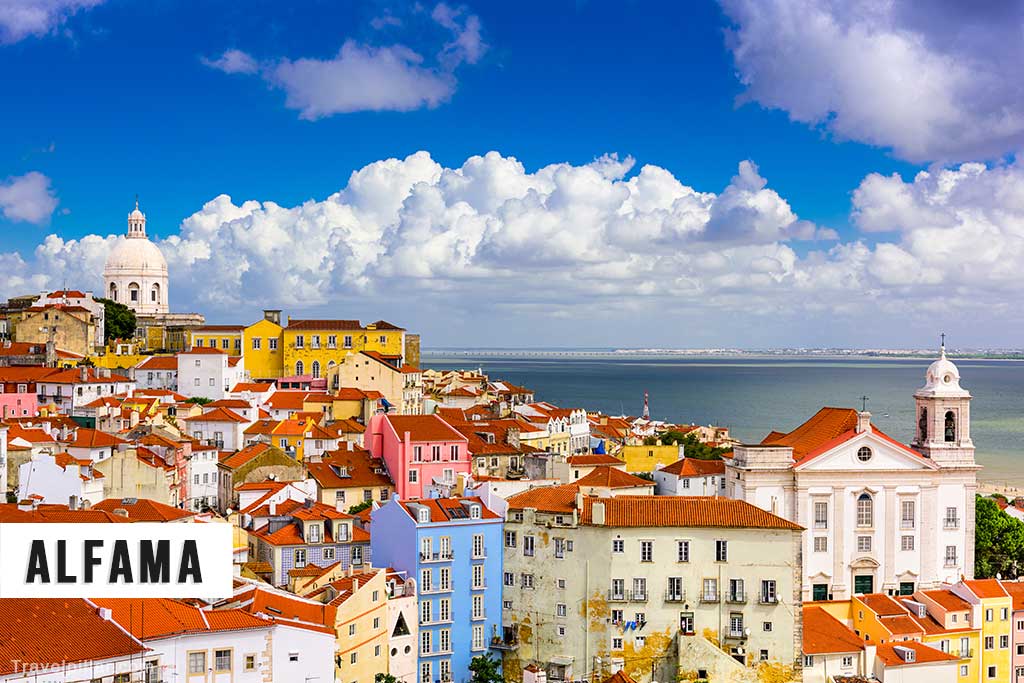
Alfama is a historic neighbourhood known for its narrow streets, colourful houses, and stunning views of the city. Visitors can explore the neighborhood’s many historic landmarks, including the Castle of Sao Jorge and the Lisbon Cathedral, and soak up the atmosphere in the many traditional tavernas and restaurants.
Lisbon Cathedral
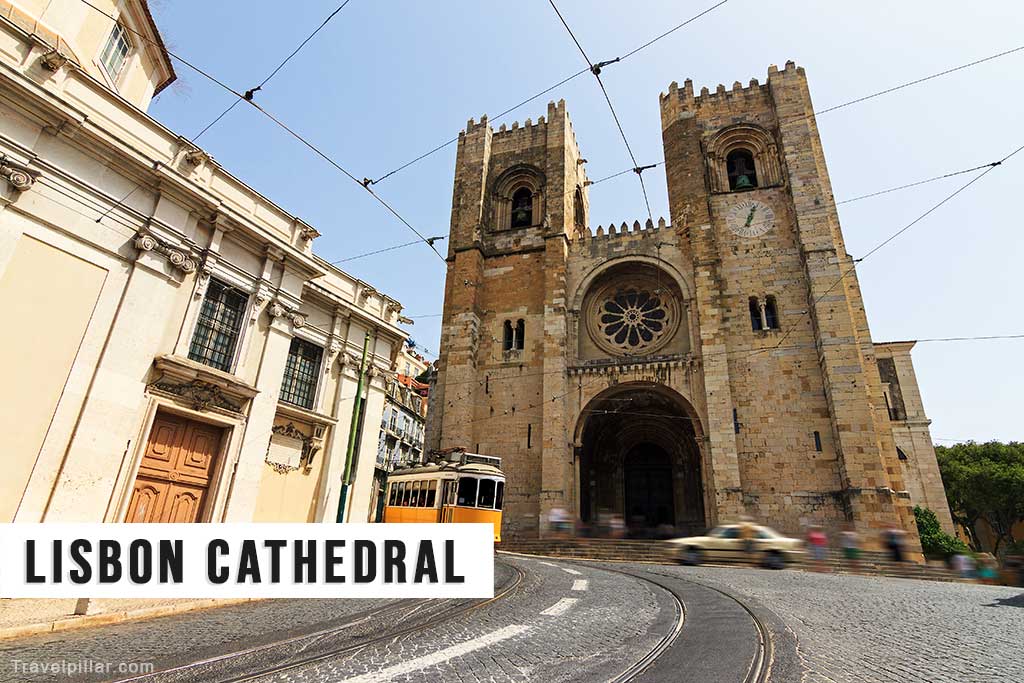
Lisbon Cathedral, or the Patriarchal Cathedral of Saint Mary Major, is one of Lisbon’s oldest churches, dating back to the 12th century. A blend of Romanesque, Gothic, and Baroque architecture, the cathedral boasts a distinctive façade and interior adorned with azulejo tiles. Surviving earthquakes and renovations, it stands as a symbol of Lisbon’s resilience. Visitors can explore its historic cloister and ascend to the roof for panoramic city views, immersing themselves in centuries of religious and architectural heritage.
Google map 4.4/5
Torre de Belém (Belem Tower)
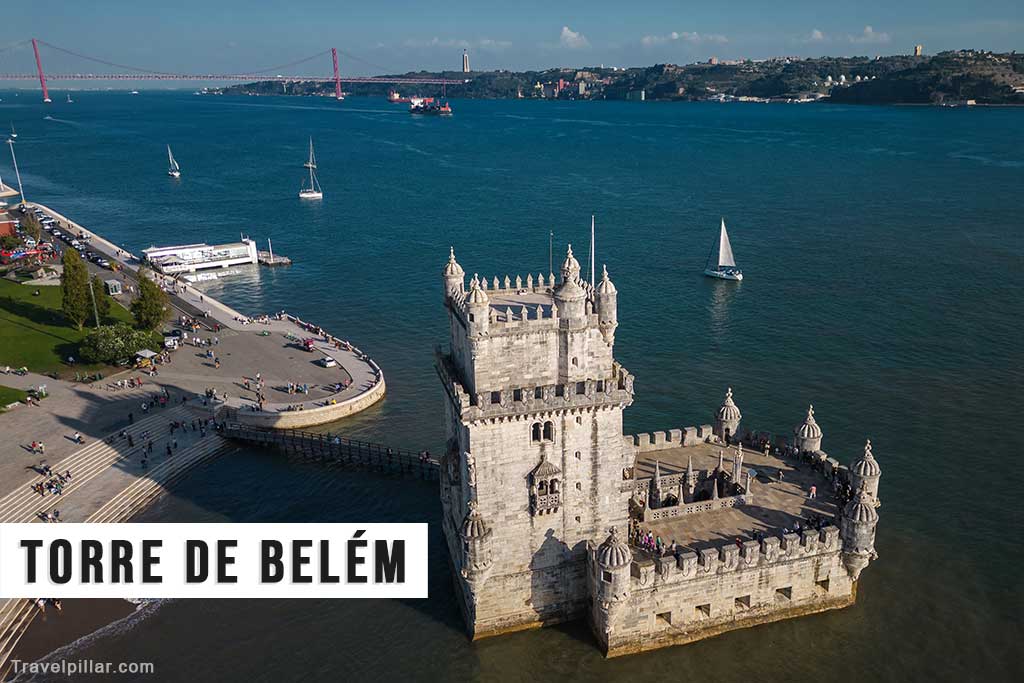
Built in the 16th century, the Belem Tower served as a fortress to protect the city from invaders. Today, the tower is a popular tourist attraction and a UNESCO World Heritage site, offering visitors stunning views of the city and the Tagus River.
Official website: https://www.museusemonumentos.pt/en/
Google map 4.6/5
Mosteiro dos Jerónimos (Jeronimos Monastery)
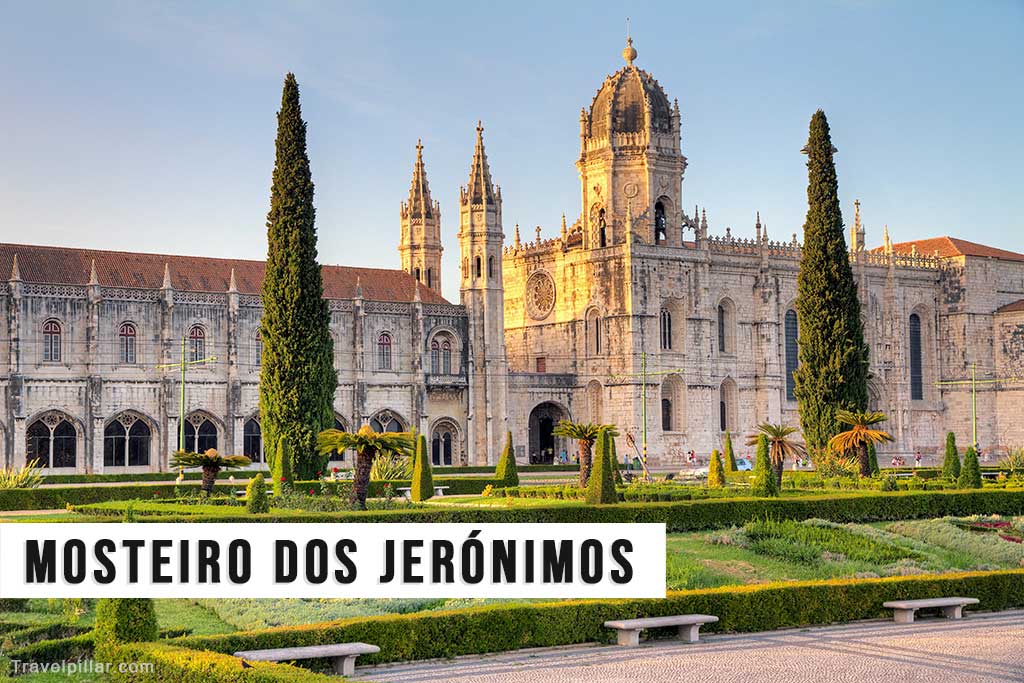
The Jeronimos Monastery was built in the 16th century and is considered a masterpiece of Manueline architecture and is a UNESCO World Heritage site. Visitors can explore the monastery’s many chapels and cloisters, and view the tomb of the famous Portuguese explorer Vasco da Gama.
Official website: https://www.museusemonumentos.pt/en/
Google map 4.6/5
Oceanario de Lisboa (Lisbon Oceanarium)

The Oceanario de Lisboa is a world-renowned aquarium. Home to over 15,000 marine animals and over 450 different species, the aquarium offers visitors a unique glimpse into the underwater world. Visitors can view sharks, rays, and other sea creatures up close, and learn about the importance of ocean conservation.
Official website: https://oceanario.pt/en/
Google map 4.7/5
Miradouro da Graça (Graça Viewpoint)
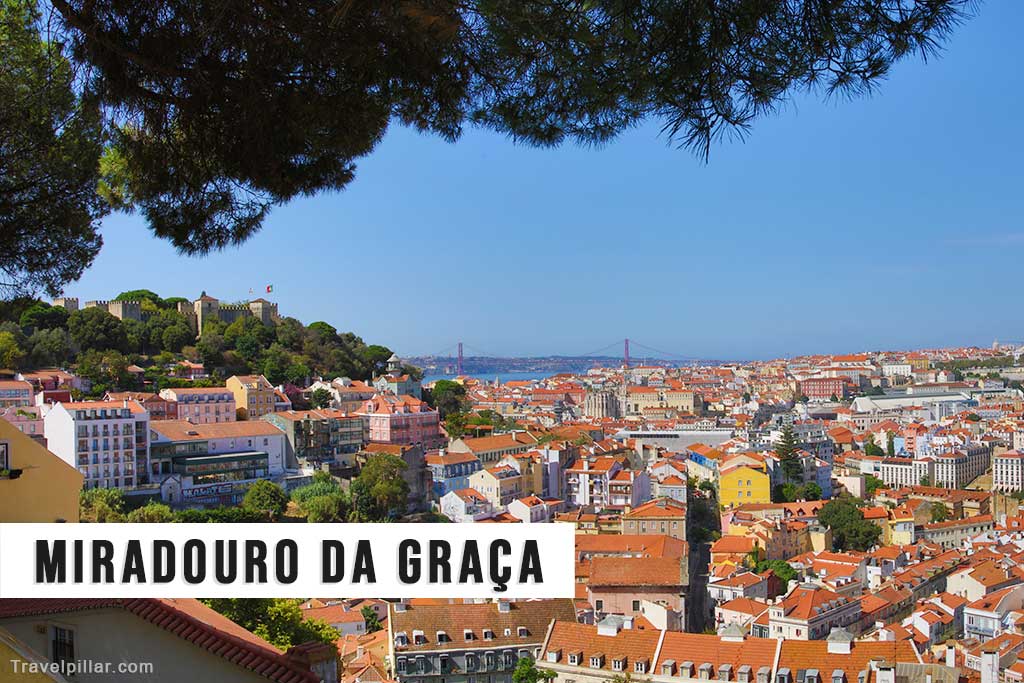
The Miradouro da Graça is a popular viewpoint offering visitors stunning views of the city and the Tagus River. The viewpoint is a popular spot for watching the sunset or enjoying a picnic.
Google map 4.7/5
Tram 28
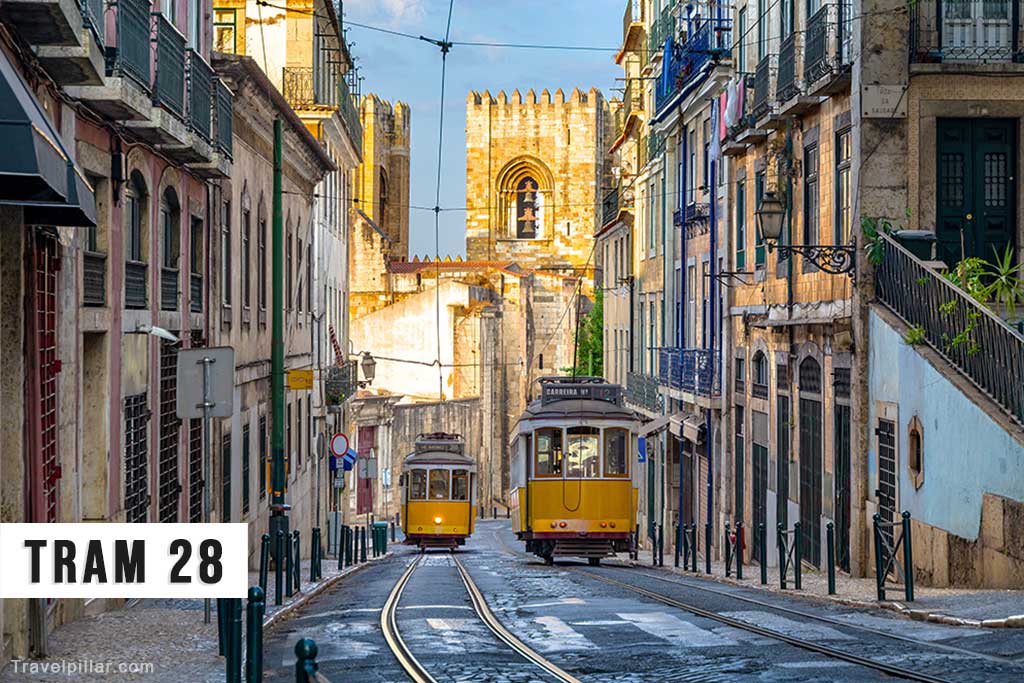
Tram 28 in Lisbon is a historic and iconic tram route traversing through the city’s charming neighborhoods. Operating since the early 20th century, it offers a scenic journey from Martim Moniz through Alfama, Baixa, and Graça, showcasing Lisbon’s architectural diversity. Passengers enjoy views of landmarks like São Jorge Castle. The vintage yellow tram, known as “elétrico,” provides both practical transportation and a cultural tour, immersing riders in the city’s past and present. It’s a must-do experience for those seeking a nostalgic and picturesque exploration of Lisbon.
Google map 4.3/5
Santa Justa Lift (Elevador de Santa Justa)
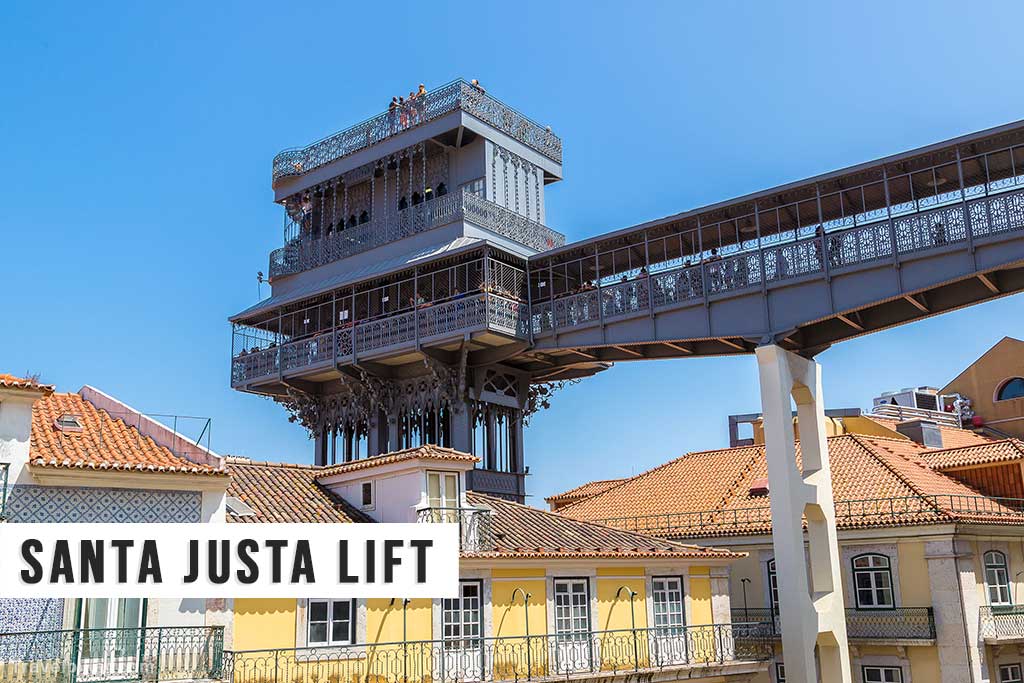
Santa Justa Lift, or Elevador de Santa Justa, is a distinctive wrought-iron elevator in central Lisbon. Designed by Raul Mesnier de Ponsard, it was inaugurated in 1902. The lift connects the lower streets of Baixa to Carmo Square, offering both practical transport and stunning city views. Its neo-Gothic design features intricate ironwork, resembling the Eiffel Tower. Classified as a National Monument, Santa Justa Lift is a testament to Lisbon’s architectural finesse and provides visitors with a unique blend of functionality and historical charm.
Google map 4.1/5
Museu Nacional de Arte Antiga (National Museum of Ancient Art)
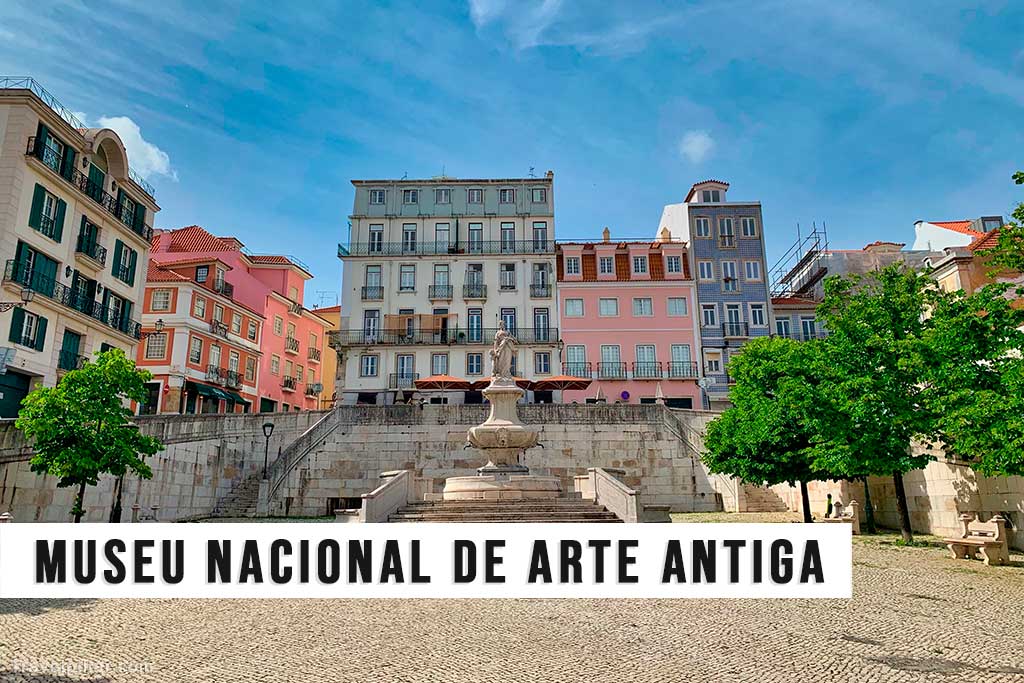
The Museu Nacional de Arte Antiga is a national museum and home to over 40,000 works of art The museum’s collection includes paintings, sculptures, and decorative arts from Portugal and around the world. Visitors can view works by famous artists such as Hieronymus Bosch and Albrecht Dürer.
Official website: http://www.museudearteantiga.pt/english
Google map 4.6/5
Castelo de São Jorge (St George’s Castle)
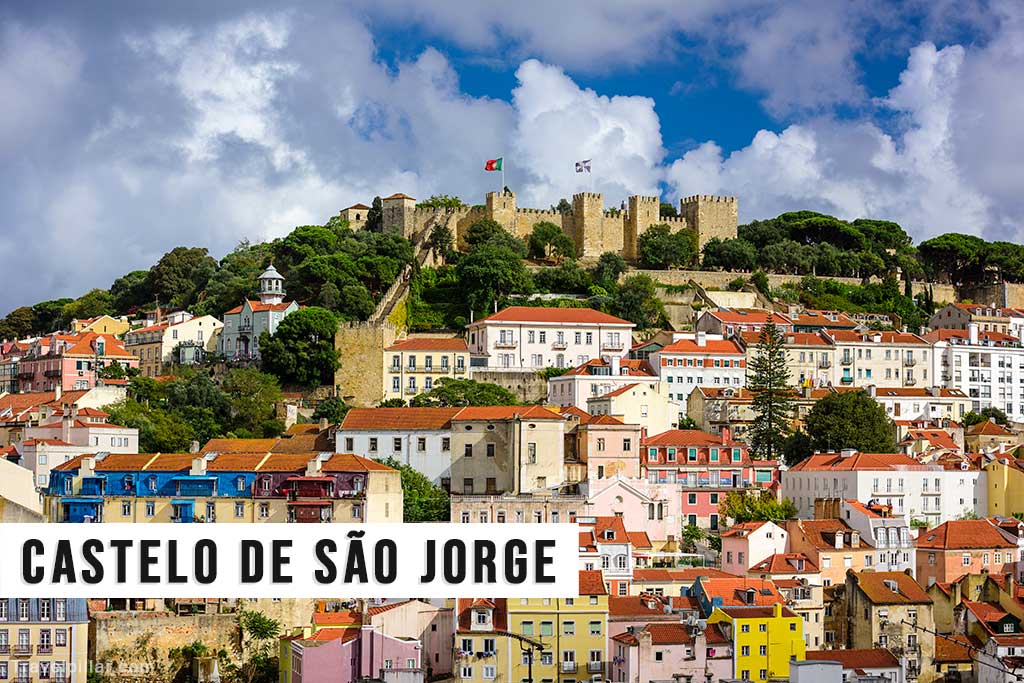
The Castelo de São Jorge is a historic castle located in Lisbon, Portugal. Built in the 11th century, the castle served as a royal residence for centuries. Today, the castle is a popular tourist attraction and offers visitors stunning views of the city and the Tagus River.
Official website: https://castelodesaojorge.pt/en/
Google map 4.4/5
National Pantheon (Panteão Nacional)
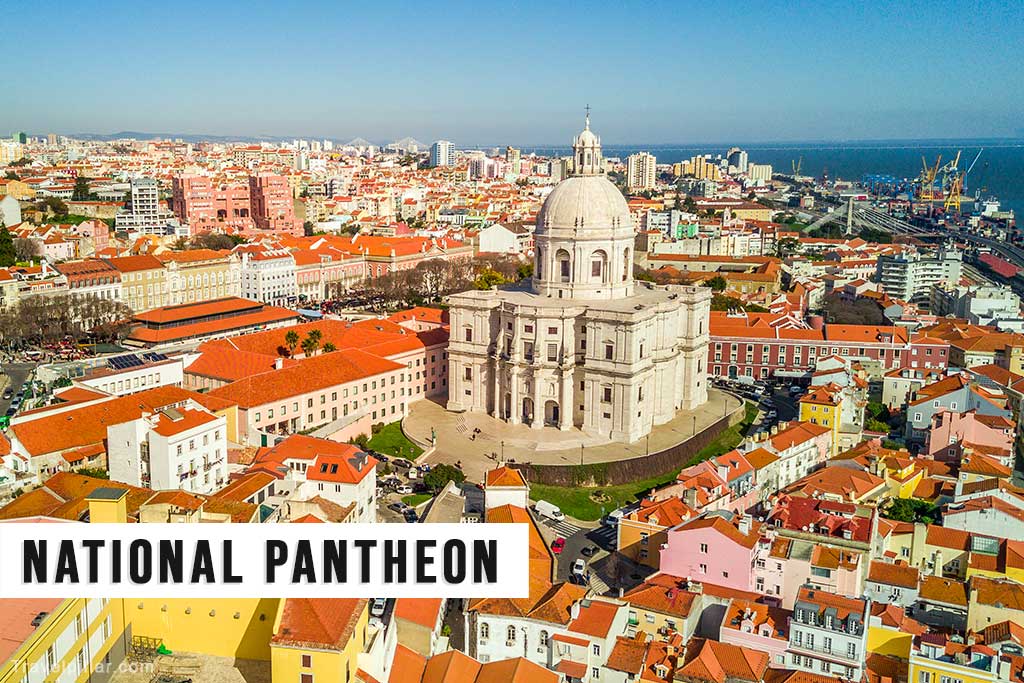
The National Pantheon is a historic landmark located in Lisbon, Portugal. Originally built as a church in the 17th century, the building later became a mausoleum for Portugal’s national heroes. Visitors can view the tombs of famous Portuguese figures such as Vasco da Gama and Luís de Camões.
Official website: https://panteaonacional.gov.pt (Portugese)
Google map 4.5/5
Church and Monastery of São Vicente de Fora

The Church and Monastery of São Vicente de Fora is a historic landmark located in Lisbon. Built in the 17th century, the church is considered a masterpiece of Baroque architecture. Visitors can view the church’s stunning interior and the monastery’s cloisters and gardens.
Official website: https://mosteirodesaovicentedefora.com/en/
Google map 4.6/5
Carmo Convent (Museu Arqueológico do Carmo)
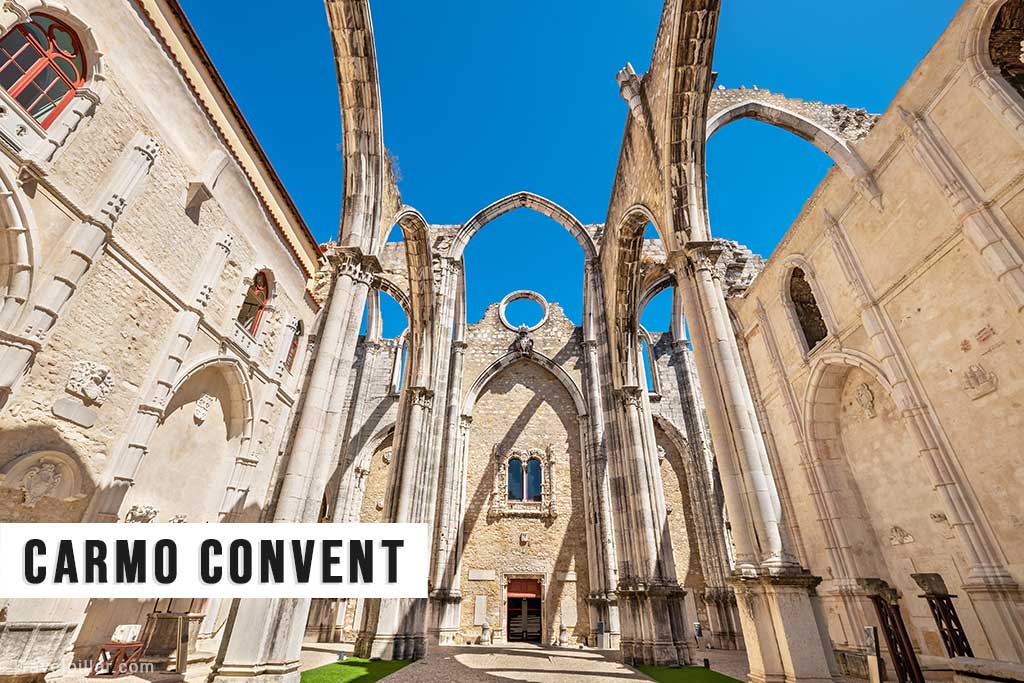
The Carmo Convent is a historic landmark located in Lisbon, Portugal. Built in the 14th century, the convent served as the main church for the city until it was destroyed in the 1755 earthquake. Today, the ruins of the church are a popular tourist attraction and offer visitors a unique glimpse into Lisbon’s history.
The Museu Arqueológico do Carmo is a museum located in Lisbon, Portugal. Housed in the ruins of the Carmo Convent, the museum’s collection includes artifacts from Portugal’s prehistoric and medieval periods. Visitors can view a wide range of objects, including ceramics, jewelry, and weapons, and learn about the history of Portugal.
Official website: https://www.museuarqueologicodocarmo.pt/
Google map 4.5/5
Museu Calouste Gulbenkian
The Museu Calouste Gulbenkian is a museum located in Lisbon, Portugal, dedicated to the art of ancient and modern times. The museum’s collection includes a wide range of objects, including paintings, sculptures, and decorative arts from around the world. Visitors can explore the museum’s many galleries and learn about the history of art.
Official website: https://gulbenkian.pt/museu/en/
Google map 4.7/5
Bairro Alto
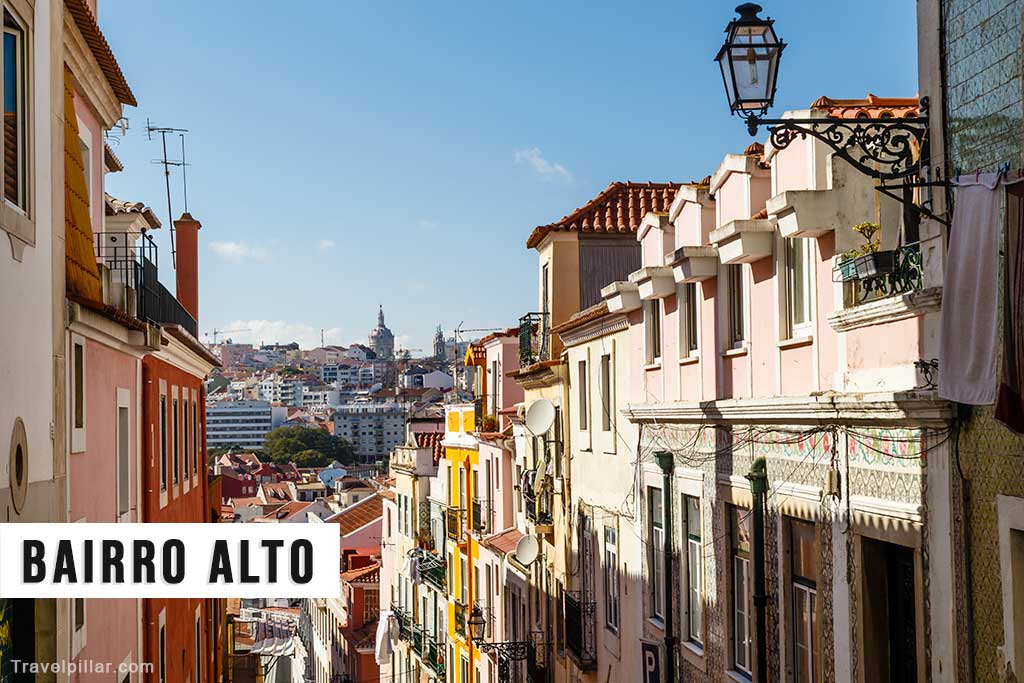
Bairro Alto is a historic neighborhood in Lisbon, Portugal, known for its vibrant nightlife and colorful street art. Visitors can explore the neighborhood’s many bars and clubs, and soak up the atmosphere in the many traditional tavernas and restaurants.
Queluz National Palace and Gardens
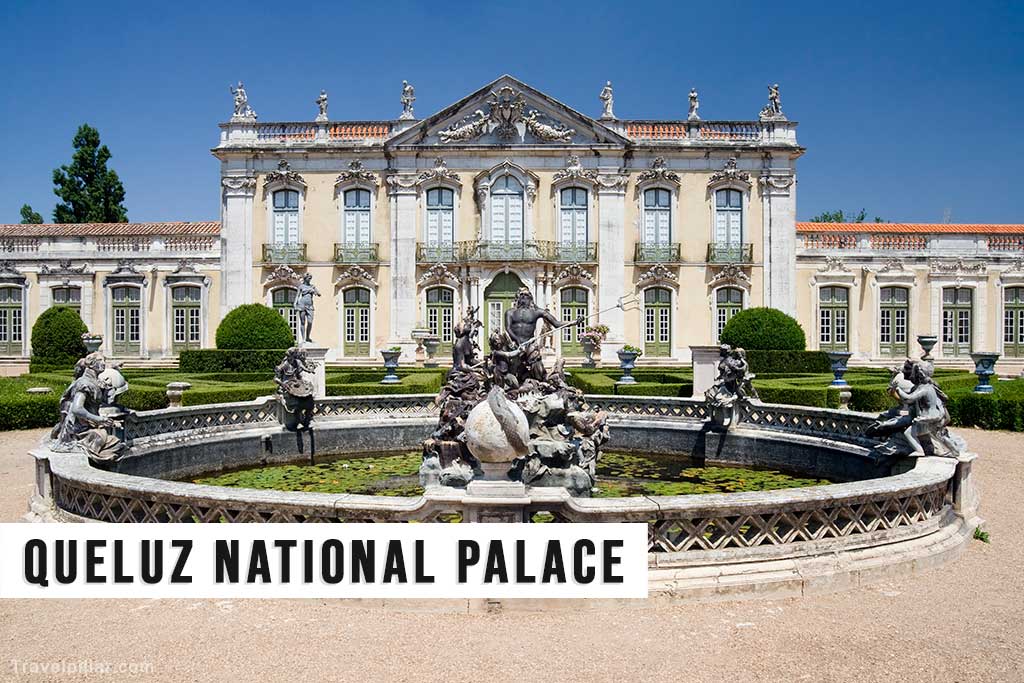
Queluz National Palace is a historic palace located in the Lisbon region of Portugal. Built in the 18th century, the palace is considered one of Portugal’s most important examples of Rococo architecture. Visitors can explore the palace’s many rooms, including the stunning throne room and the impressive ballroom.
Official website: https://www.parquesdesintra.pt/en/
Google map 4.6/5 (Palace)
Google map 4.7/5 (Palace Gardens)
Pastéis de Belém (Pastry Shop)

Pastéis de Belém is a renowned pastry shop in the Belém district of Lisbon, famous for its delicious custard tarts known as Pastéis de Nata. Dating back to 1837, this historic establishment has been baking these iconic pastries using a closely guarded secret recipe. The flaky, golden-brown crust filled with rich custard, dusted with cinnamon and powdered sugar, creates a delectable treat. Frequented by locals and tourists alike, Pastéis de Belém offers an authentic taste of Portugal’s culinary heritage in a charming and historic setting.
Google map 4.6/5
Rossio Square
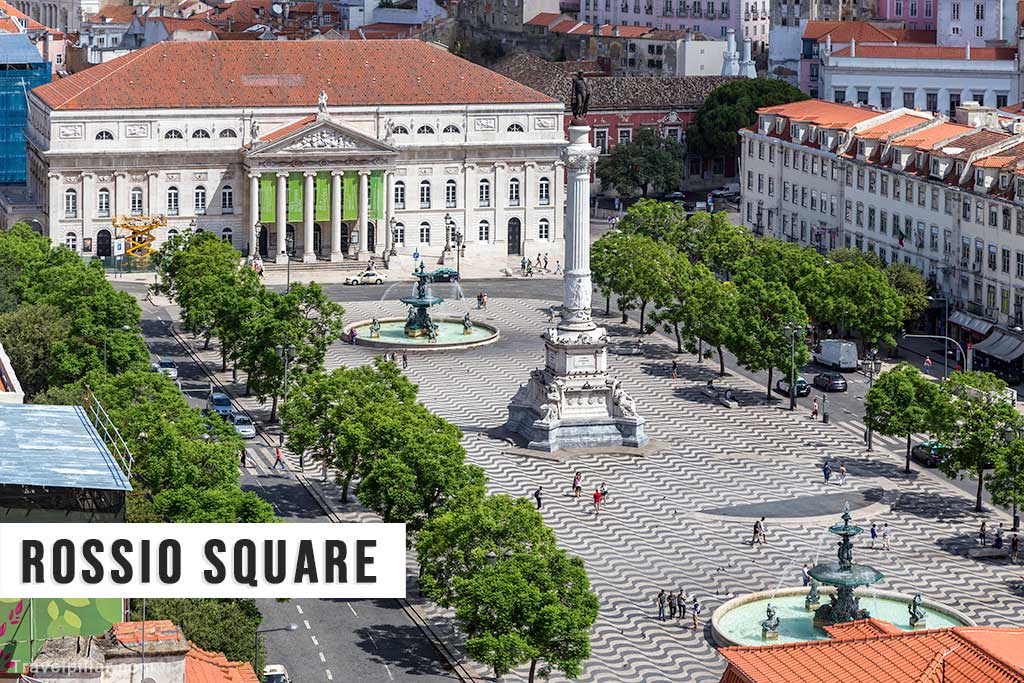
Rossio Square is a historic square located in the heart of Lisbon, Portugal. Built in the 18th century, the square is a popular meeting place for locals and tourists alike. Visitors can explore the square’s many shops and restaurants, and soak up the atmosphere in the bustling plaza.
Google map 4.6/5
Chiado District
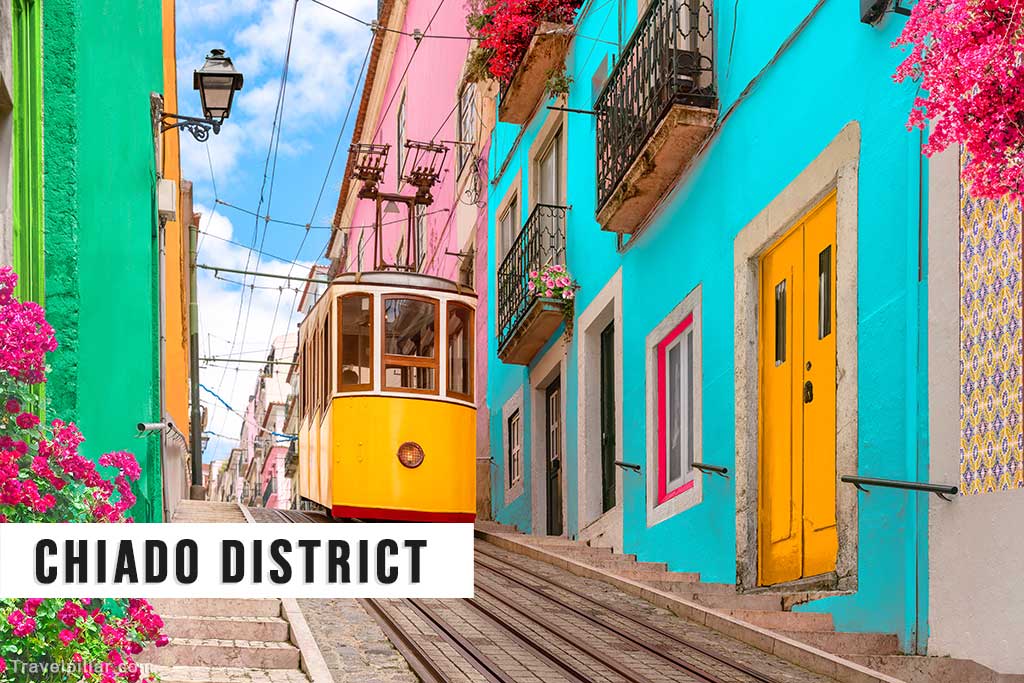
The Chiado District in Lisbon is a historic and lively neighborhood renowned for its cultural significance and vibrant atmosphere. Located between the Bairro Alto and Baixa districts, Chiado is a hub for shopping, dining, and entertainment. It emerged from the ashes of a devastating 18th-century fire and has since evolved into a fashionable district. Chiado features elegant boutiques, traditional cafes, and iconic theaters like the Teatro Nacional de São Carlos. It remains a popular destination for both locals and tourists, offering a blend of historical charm and contemporary flair in the heart of Lisbon.
Museu Nacional do Azulejo (National Tile Museum)
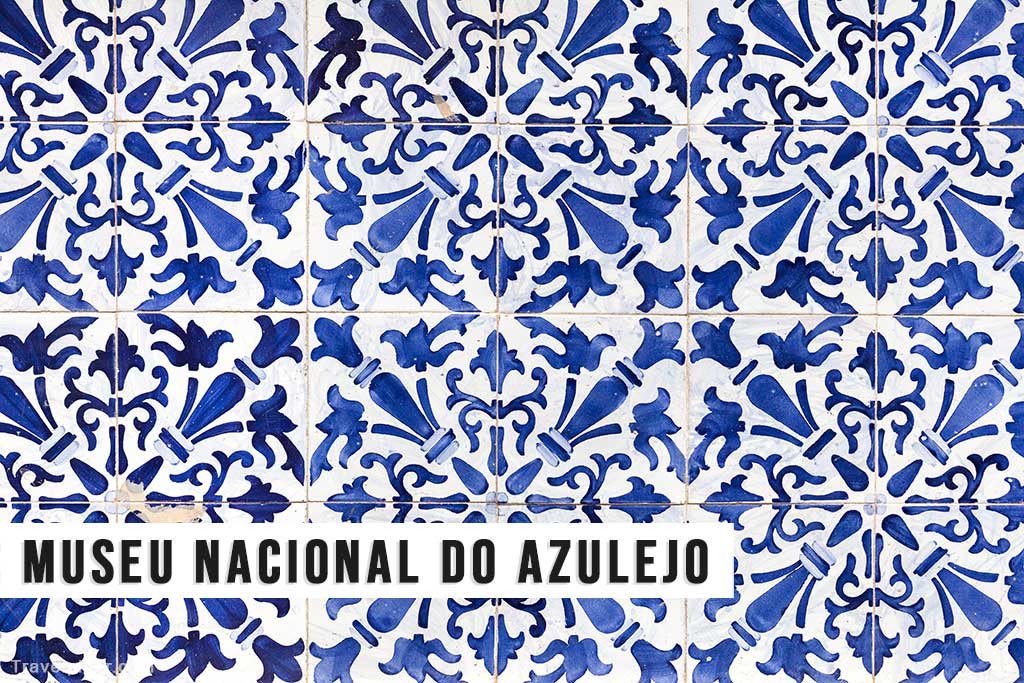
The Museu Nacional do Azulejo is a museum located in Lisbon, Portugal, dedicated to the art of azulejo tiles. The museum’s collection includes a wide range of tiles from around Portugal, and visitors can learn about the history of this important art form.
Google map 4.5/5
LX Factory
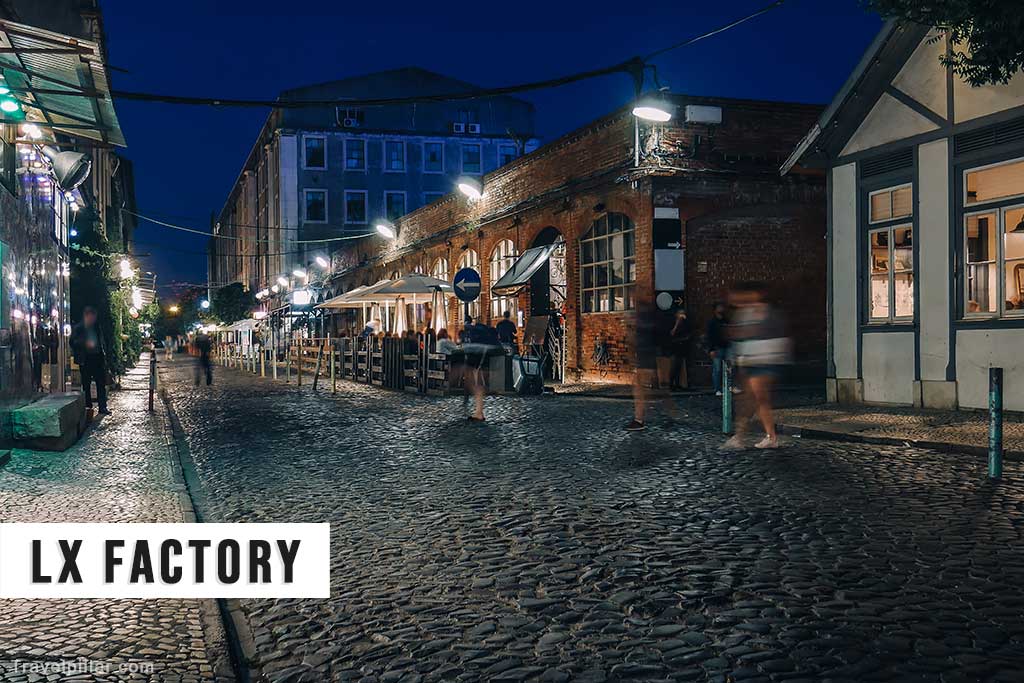
LX Factory is a dynamic cultural and creative hub situated in the Alcântara district of Lisbon. Once an industrial complex, it has been transformed into a vibrant space for art, commerce, and innovation. LX Factory hosts an eclectic mix of trendy shops, galleries, offices, and restaurants, creating a unique and bohemian atmosphere. With a commitment to supporting local artists and entrepreneurs, LX Factory has become a must-visit destination for those seeking a blend of creativity and urban revitalization in Lisbon.
Google map 4.5/5
Day trip to Sintra

Sintra is a charming town near Lisbon, Portugal, known for its stunning palaces, historic castles, and beautiful gardens. Visitors can explore the town’s many historic landmarks, including the famous Pena Palace and the Moorish Castle, and relax in the lush gardens of the Quinta da Regaleira.
Day Trip to Cabo da Roca
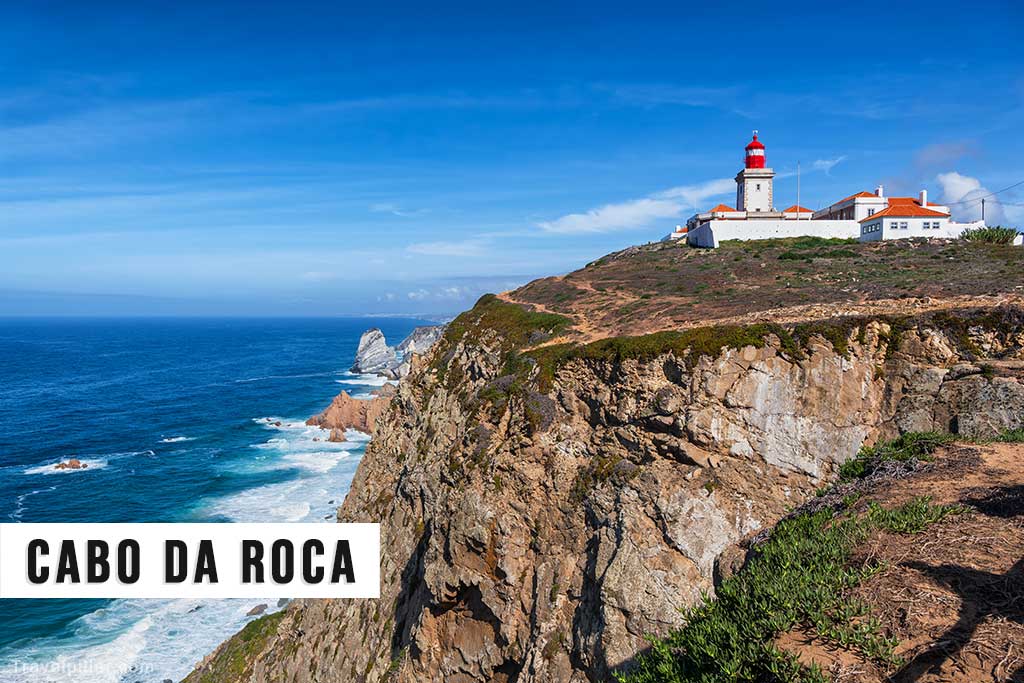
Cabo da Roca, located in Portugal, stands as the westernmost point of mainland Europe. Situated within the Sintra-Cascais Natural Park, it offers a rugged and scenic coastal landscape with cliffs rising 140 meters above the Atlantic Ocean. The Cabo da Roca Lighthouse, built in the 18th century, guides sailors along this historic maritime route. Renowned for its stunning sunsets, Camões’ inscription marks it as the place “where the land ends and the sea begins,” adding a poetic touch to its geographical significance. Accessible by road, Cabo da Roca is a captivating destination.
Google map 4.7/5 Cabo da Roca
Google map 4.8/5 Farol do Cabo da Roca (lighthouse)
Day Trip to Cascais
Cascais, a coastal town in Portugal, is renowned for its historical charm and scenic beauty. Originally a fishing village, it transformed into a popular resort destination. With its picturesque beaches, historic architecture, and proximity to Lisbon, Cascais attracts visitors seeking a tranquil retreat. The town’s marina, museums, and lively town center contribute to its allure. Cascais remains an appealing destination, offering a relaxed coastal ambiance coupled with cultural and recreational attractions.