
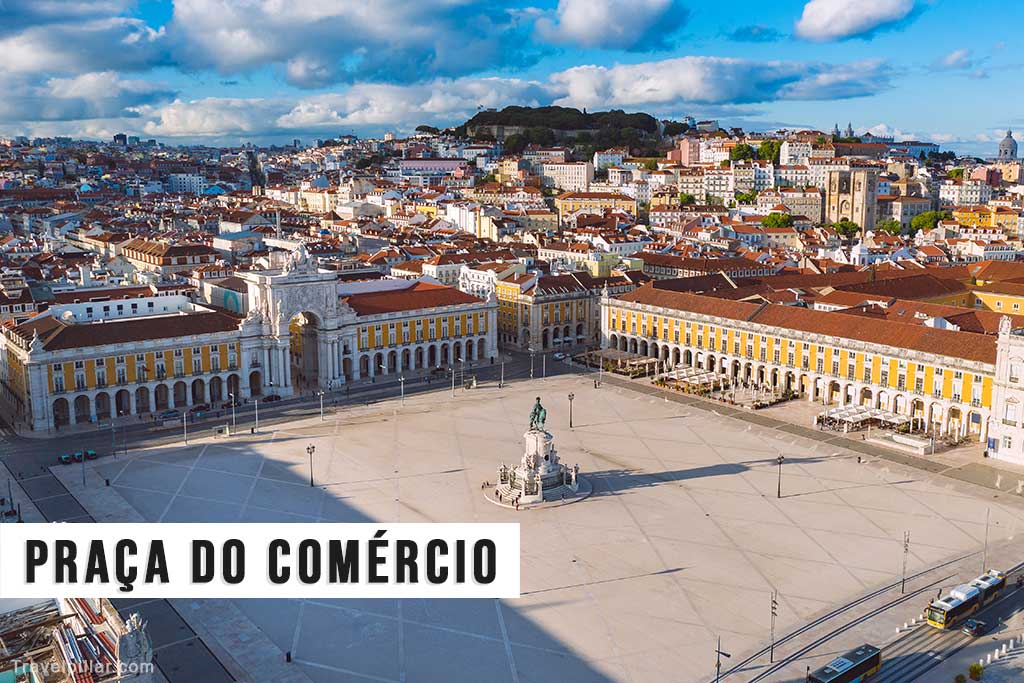
Praça do Comércio, also known as Commerce Square or Terreiro do Paço in Portuguese, is one of the most iconic and historically significant squares in Lisbon, Portugal. Situated along the banks of the Tagus River, this grand plaza has witnessed centuries of history, including royal gatherings, political events, and economic activities.
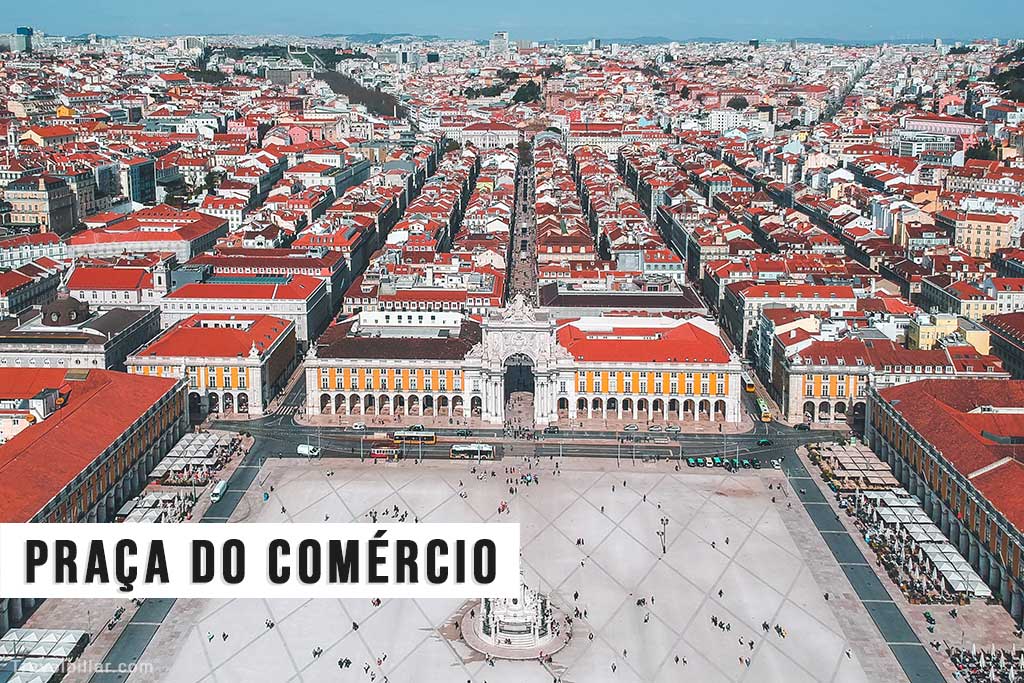
The square’s history dates back to the 16th century when King Manuel I ordered the construction of a grand royal palace, Paço da Ribeira, on the site. This palace was designed in a luxurious Manueline architectural style, reflecting Portugal’s newfound wealth from overseas exploration and trade. The palace served as the royal residence until it was tragically destroyed by the 1755 Lisbon earthquake.
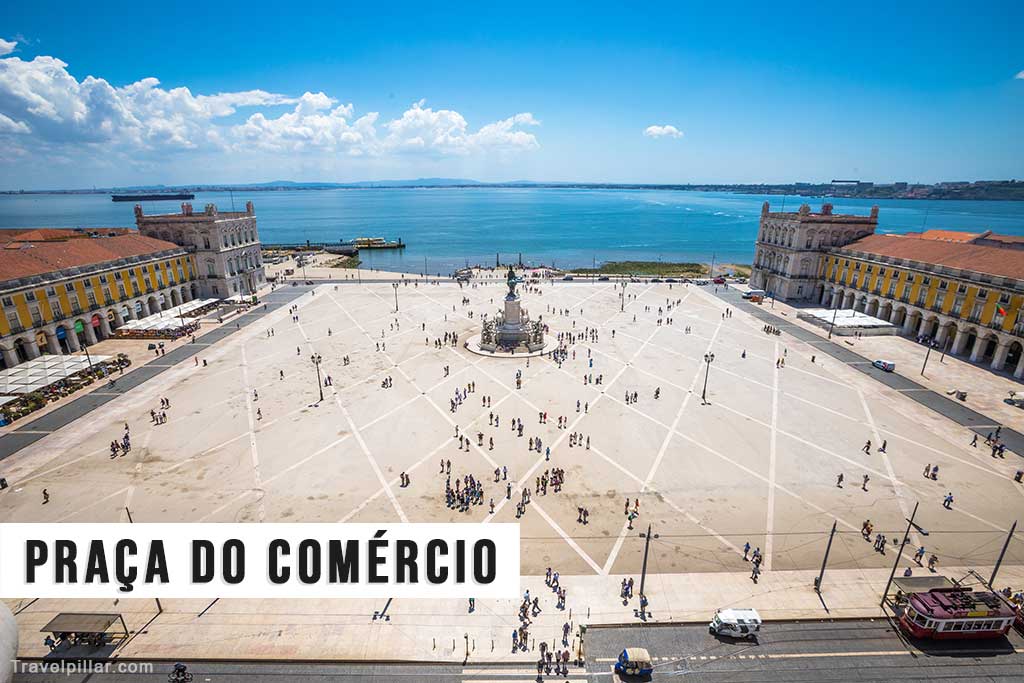
Following the earthquake, the square underwent significant redevelopment under the guidance of Marquis of Pombal, who was responsible for the rebuilding of Lisbon’s city center. The square was redesigned with a neoclassical style, featuring symmetrical arcades, grand facades, and a statue of King José I at its center.
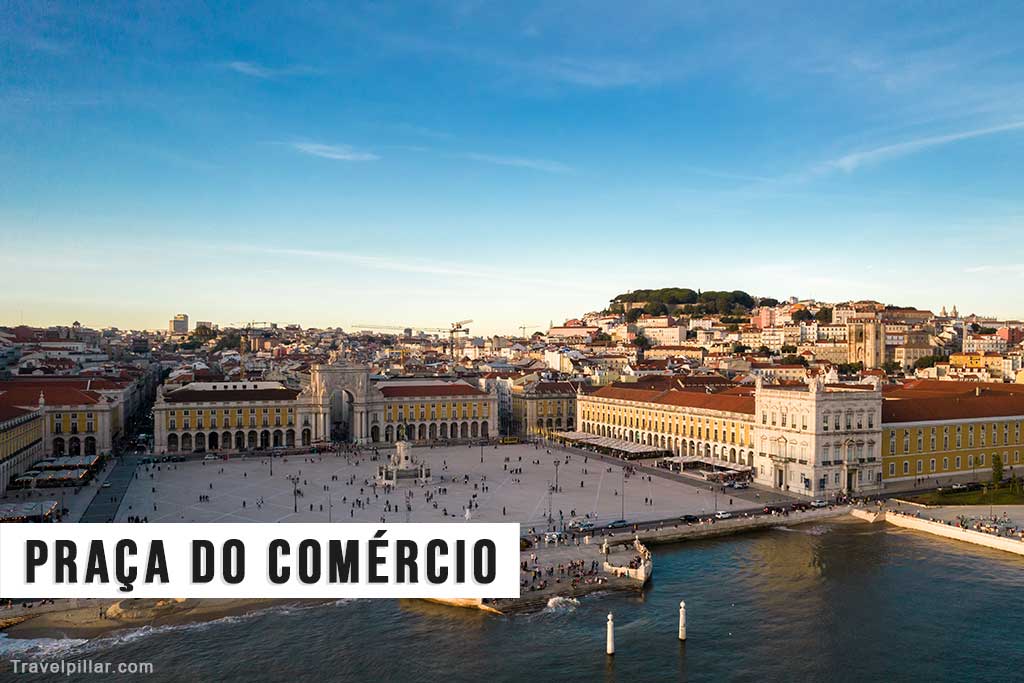
Praça do Comércio was historically the main entrance to the city, as it faced the Tagus River and served as a gateway for ships arriving in Lisbon. It was also the site where merchants conducted their business and where significant state ceremonies took place.
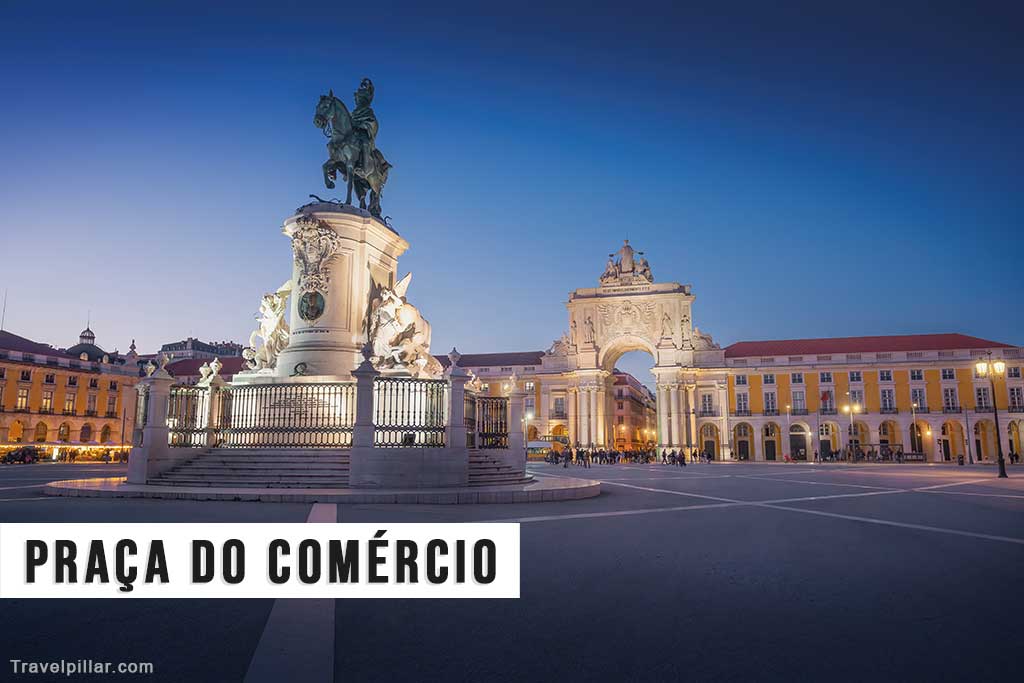
Today, Praça do Comércio remains a bustling hub in Lisbon and serves as a symbol of the city’s rich history and maritime heritage. Visitors can explore the arcades that house government offices and enjoy views of the Tagus River and the iconic Ponte 25 de Abril suspension bridge. The square is also home to several cafes and restaurants, making it a pleasant spot to relax and people-watch.
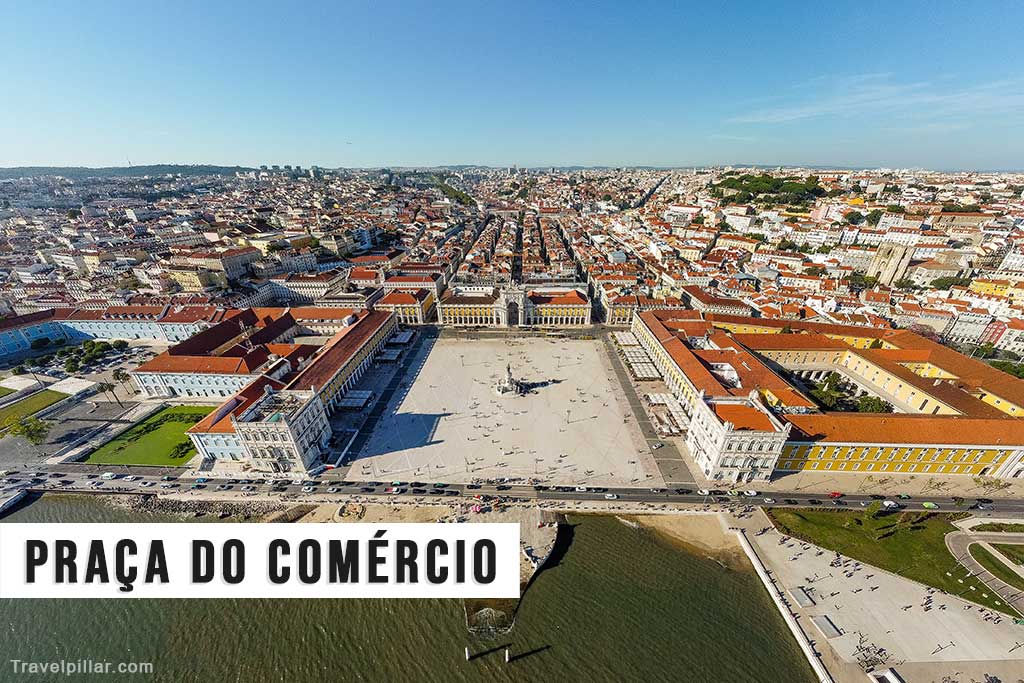
One of the notable buildings on the square is the Ribeira Palace, a reconstruction of the original royal palace that now houses government ministries and the Lisbon Chamber of Commerce.
In conclusion, Praça do Comércio is a historic and architecturally significant square that encapsulates the grandeur and history of Lisbon. Its neoclassical design, waterfront location, and role in the city’s past make it a must-visit destination for tourists and a central point for exploring Lisbon’s cultural and historical treasures.
Google map 4.7