

Wales is a country of mountains, rugged coastline, medieval castles and a strong Celtic heritage. Although relatively small, it offers an impressive variety of landscapes, from the high peaks of Eryri (Snowdonia) National Park to the beaches of Pembrokeshire and the lively capital city of Cardiff. Visitors can explore historic castles, walk sections of the Wales Coast Path, ride heritage railways through former slate-mining country or simply enjoy some of the UK’s most scenic countryside.
Whether you’re planning a weekend break or a longer road trip, Wales is easy to explore. North Wales is known for its mountains and castles, the west coast for its beaches and coastal walks, while South Wales combines historic towns, national parks and the country’s largest city.
Our recommendation: If it’s your first visit to Wales, allow at least five or six days to explore Eryri (Snowdonia), Conwy, Caernarfon, the Pembrokeshire Coast and Cardiff. Together they provide an excellent introduction to Wales’ landscapes, history and culture.
Confused about the difference between Wales, Great Britain, United Kingdom and the British Isles? Click Here for an explanation.
Official tourism website:
https://www.visitwales.com
https://www.visitbritain.com/
Google map of Wales
The Best Things to Do in Wales
Eryri (Snowdonia) National Park

Eryri (Snowdonia) National Park covers more than 820 square miles of mountains, lakes, forests and former slate-mining landscapes in North Wales. The park is home to Yr Wyddfa (Snowdon), the highest mountain in Wales, along with numerous walking trails, scenic roads, waterfalls and traditional villages. Whether you want to hike, take the mountain railway or simply enjoy the scenery, Eryri is one of the country’s best-known natural attractions.
Our recommendation: Allow at least two days if possible. Even if you don’t climb Yr Wyddfa, there are plenty of shorter walks, viewpoints and historic villages worth visiting.
Official website: https://eryri.gov.wales
Google map 4.9/5
St Davids

Although Britain’s smallest city, St Davids is one of Wales’ most important historic and religious destinations. Its magnificent cathedral has attracted pilgrims for centuries, while the nearby ruins of the Bishop’s Palace provide a fascinating glimpse into medieval Wales. Surrounded by the spectacular Pembrokeshire coastline, St Davids also makes an excellent base for walking, wildlife cruises and visiting some of Wales’ finest beaches.
Our recommendation: Combine your visit with a boat trip to Ramsey Island or spend time exploring the beautiful beaches and coastal paths surrounding the city.
Official website:
https://www.stdavidscathedral.org.uk (Cathedral)
https://www.visitwales.com (City tourist information)
Google map 4.8/5 (St David’s Cathedral)
Pembrokeshire Coast National Park

Pembrokeshire Coast National Park protects 186 miles of some of the finest coastline in Britain. The park includes sandy beaches, rocky headlands, wildlife-rich islands and attractive coastal villages, all linked by the Pembrokeshire Coast Path. Boat trips, coastal walks, kayaking and wildlife watching are among the most popular activities.
Our recommendation: It’s difficult to see the whole park in one visit, so choose a small section such as St Davids, Barafundle Bay or Tenby and explore it properly rather than trying to cover too much.
Official websites:
https://www.pembrokeshirecoast.wales
https://www.visitpembrokeshire.com
Google map 4.8/5
Cardiff

Cardiff is Wales’ capital and the country’s largest city. Although many visitors come to see Cardiff Castle and the redeveloped Cardiff Bay, the city also offers excellent shopping, museums, sporting events and a good choice of restaurants. It makes a convenient base for exploring South Wales and combines well with attractions such as Caerphilly Castle, St Fagans National Museum of History and Bannau Brycheiniog National Park.
Our recommendation: Allow at least two days if possible. Spend one day exploring the city centre and Cardiff Castle, then another discovering Cardiff Bay and the waterfront attractions.
Official website: https://www.visitcardiff.com
Tenby

Tenby is one of Wales’ most attractive seaside towns, known for its medieval walls, colourful harbour and three excellent sandy beaches. The compact town centre is easy to explore on foot, with narrow streets lined by independent shops, cafés and restaurants. Boat trips depart from the harbour during the summer, while the surrounding Pembrokeshire Coast National Park offers excellent walking and beautiful coastal scenery.
Our recommendation: Spend a full day exploring the town and harbour, then relax on one of the beaches or take a boat trip to nearby Caldey Island.
Official website: https://www.visitwales.com
Gower Peninsula

The Gower Peninsula was the UK’s first designated Area of Outstanding Natural Beauty and remains one of Wales’ finest coastal destinations. It is famous for wide sandy beaches, dramatic limestone cliffs, scenic coastal walks and traditional villages. Popular places to visit include Rhossili Bay, Three Cliffs Bay and Oxwich Bay, while surfers, walkers and wildlife enthusiasts will all find plenty to enjoy throughout the peninsula.
Our recommendation: Rhossili Bay is one of the highlights, but it’s worth exploring beyond the famous viewpoints to discover some of Gower’s quieter beaches and walking trails.
Official website: https://enjoygower.com
Google map 4.8/5
Conwy

Conwy is one of Britain’s best-preserved medieval towns, surrounded by almost complete 13th-century town walls and dominated by the impressive Conwy Castle. Visitors can walk the ancient walls, explore the historic streets, visit Britain’s Smallest House and enjoy views across the Conwy Estuary. Together with the castle, the town forms part of a UNESCO World Heritage Site.
Our recommendation: Walk the medieval town walls before visiting the castle for a better appreciation of how the town was defended over 700 years ago.
Official website: https://cadw.gov.wales
Google map 4.7/5
Anglesey
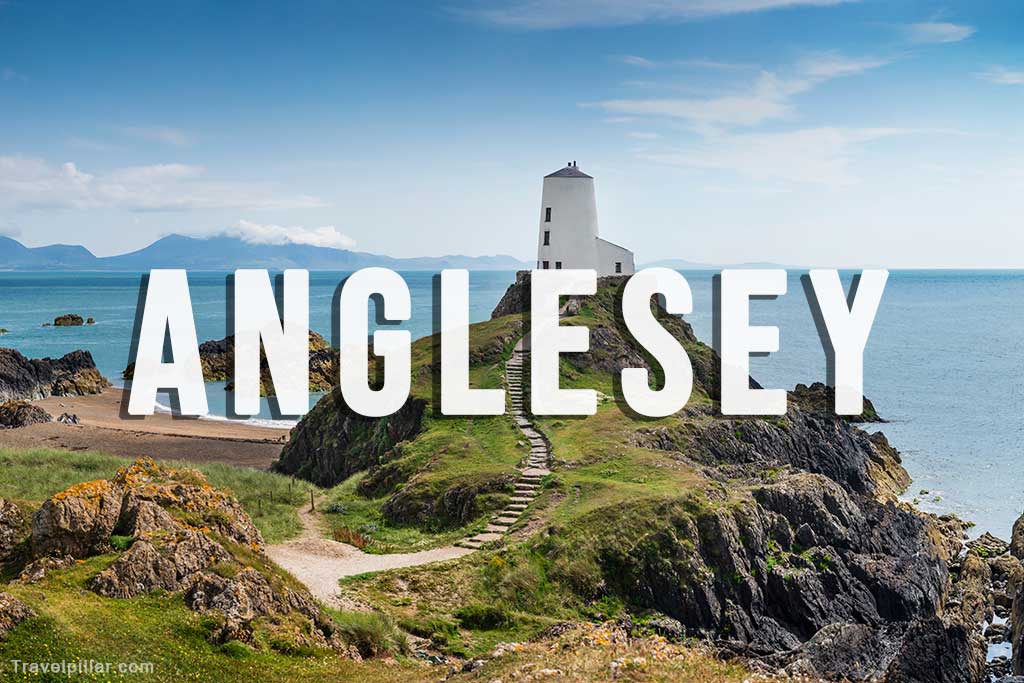
Anglesey is an island off the northwest coast of Wales, connected to the mainland by the Menai Suspension Bridge and Britannia Bridge. The island is known for its varied coastline, sandy beaches, historic castles and ancient monuments, including Bryn Celli Ddu burial chamber and Beaumaris Castle. Its quieter atmosphere and scenic coastal landscapes make it a popular destination for walking, cycling and wildlife watching.
Our recommendation: Combine a visit to Beaumaris with a drive around the coast, stopping at South Stack Lighthouse and some of Anglesey’s excellent beaches.
Official website: https://www.visitanglesey.co.uk/
Google map 4.8/5
Bannau Brycheiniog (Brecon Beacons) National Park
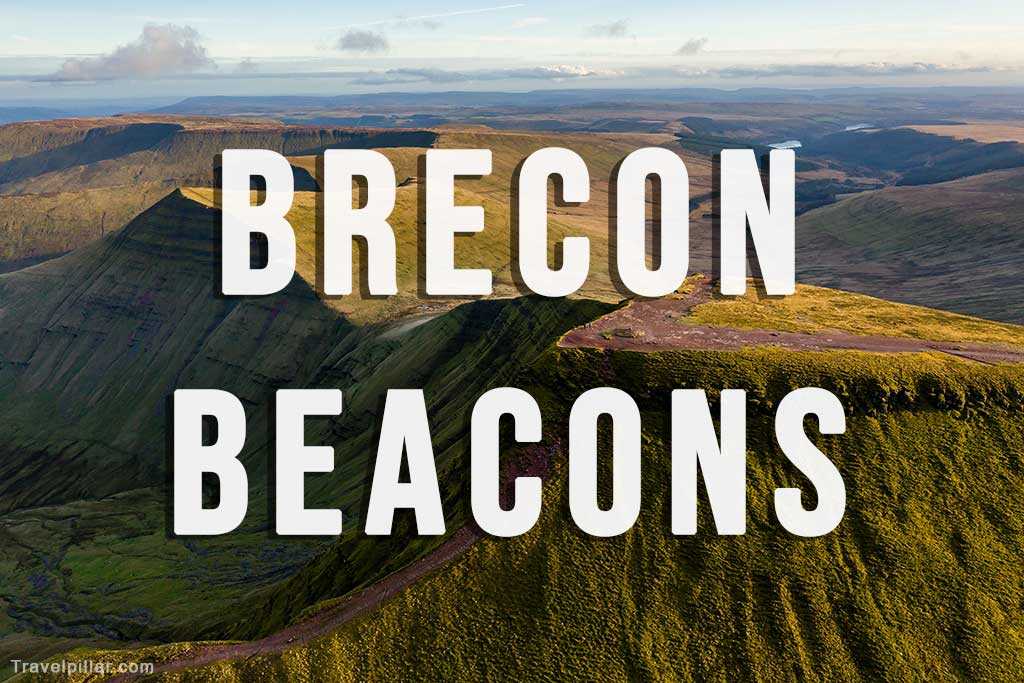
Formerly known as the Brecon Beacons National Park, Bannau Brycheiniog National Park covers more than 500 square miles of mountains, waterfalls, caves and rolling countryside in South Wales. Popular activities include climbing Pen y Fan, exploring the spectacular Waterfall Country and enjoying some of the UK’s best dark skies. The park is also home to attractive market towns and scenic reservoirs.
Our recommendation: If you’re not planning to climb Pen y Fan, Waterfall Country offers some of the most rewarding walks in the national park.
Official website: https://beacons-npa.gov.uk
Google map 4.8/5
Llandudno & Great Orme
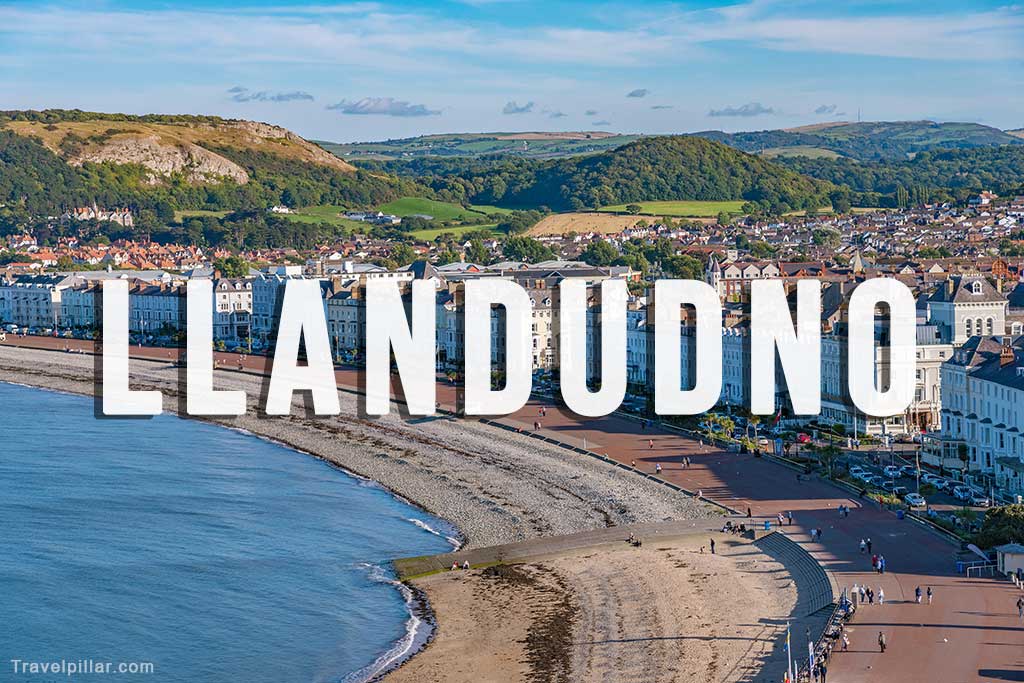
Llandudno is a classic Victorian seaside resort with a wide promenade, traditional pier and elegant seafront architecture. Overlooking the town is the Great Orme, a limestone headland offering panoramic coastal views, prehistoric copper mines, walking trails and the historic Great Orme Tramway. Together they make one of North Wales’ most popular seaside destinations.
Our recommendation: Take the tramway or cable car to the summit of the Great Orme, then walk back down if the weather is good.
Official website: https://www.visitwales.com
Google map (city)
Google map 4.7/5 (Llandudno Promenade)
Google map 4.8/5 (Great Orme)
Caernarfon Castle
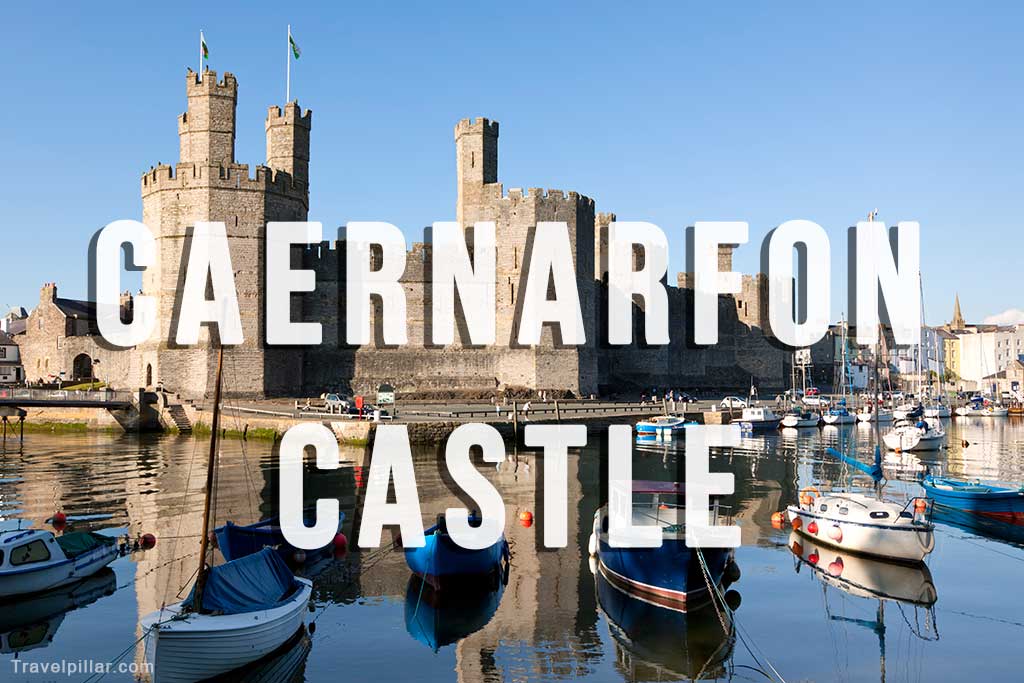
Caernarfon Castle is one of the largest and best-preserved medieval castles in Britain. Built by Edward I during his conquest of Wales, its distinctive polygonal towers and massive walls dominate the waterfront and remain remarkably intact. The castle forms part of a UNESCO World Heritage Site and has also played an important role in modern royal history as the traditional location of the investiture of the Prince of Wales.
Our recommendation: Allow time to walk around the town as well as the castle, as the medieval streets and harbour add to the overall experience.
Official website: https://cadw.gov.wales
Google map 4.6/5
Portmeiron

Portmeirion is a distinctive Italian-inspired village overlooking the Dwyryd Estuary in North Wales. Designed by Sir Clough Williams-Ellis over a period of fifty years, it combines colourful architecture, subtropical gardens and peaceful woodland walks in an unusual setting. The village became internationally famous as the filming location for the 1960s television series The Prisoner.
Our recommendation: Visit early or stay overnight if possible to experience the village after the day visitors have left.
Official website: https://portmeirion.wales/
Google map 4.5/5
Caerphilly Castle
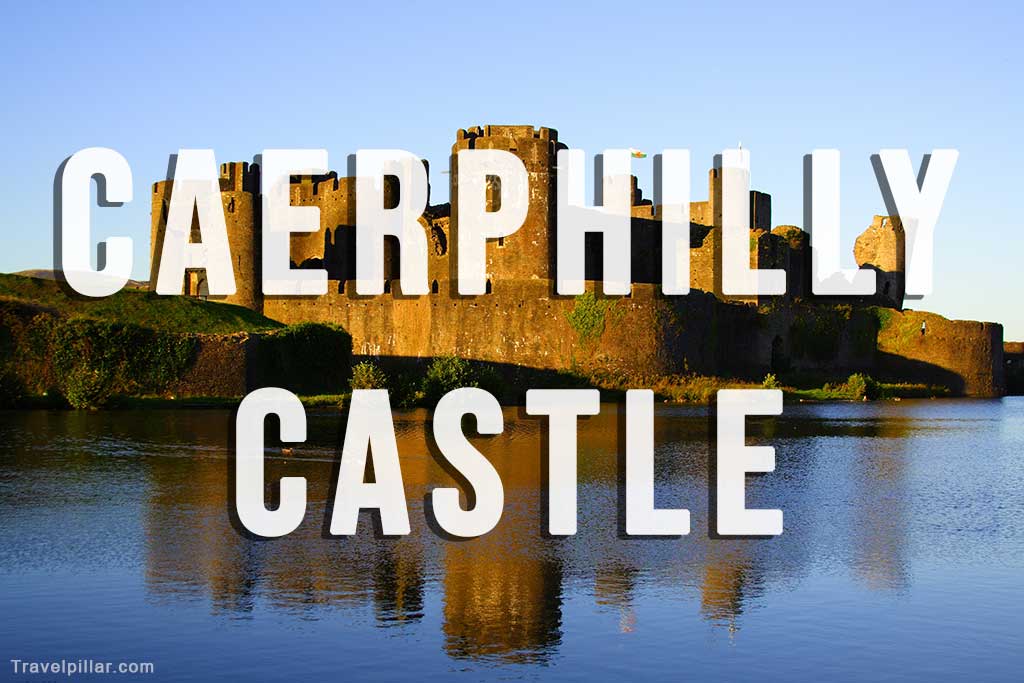
Caerphilly Castle is the largest castle in Wales and one of the finest examples of medieval military architecture in Britain. Built during the 13th century, it is famous for its extensive water defences, impressive gatehouses and leaning south-east tower. Visitors can explore the vast grounds, climb the battlements and discover the castle’s role in Welsh history.
Our recommendation: The castle is easy to combine with a visit to Cardiff, making it an excellent day trip from the Welsh capital.
Official website: https://cadw.gov.wales
Google map 4.7/5
The Wye Valley
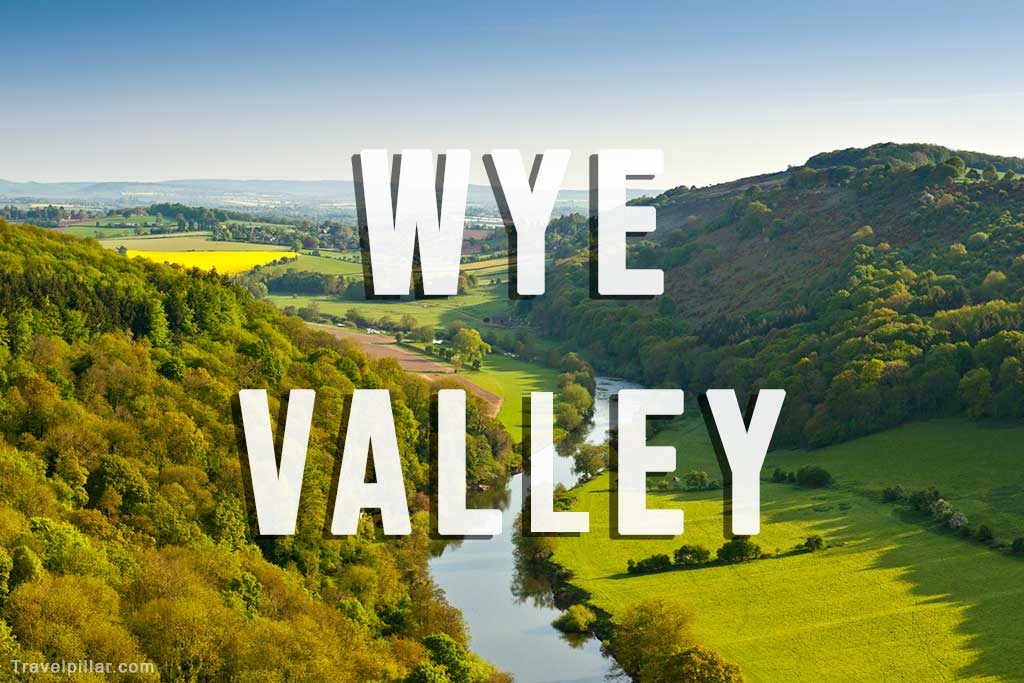
The Wye Valley follows the River Wye along the England-Wales border and is one of Britain’s most scenic river valleys. Wooded hillsides, limestone cliffs, historic market towns and the ruins of Tintern Abbey make it a rewarding destination for walking, cycling and canoeing. The valley’s peaceful scenery has inspired artists and writers for centuries.
Our recommendation: Tintern Abbey is the valley’s best-known attraction, but it’s also worth visiting one of the viewpoints overlooking the river, such as Symonds Yat.
Google map 4.7/5
Wales Coast Path

Stretching for around 870 miles, the Wales Coast Path follows the entire Welsh coastline, making it the first continuous walking route around a country’s coast. The trail passes sandy beaches, dramatic cliffs, historic castles, nature reserves and traditional fishing villages, with routes suitable for both short walks and long-distance hikers.
Our recommendation: You don’t need to walk long distances to enjoy the path. Many of the best sections can be explored on shorter walks from nearby towns and villages.
Official website: https://www.walescoastpath.gov.uk/
Carreg Cennen Castle
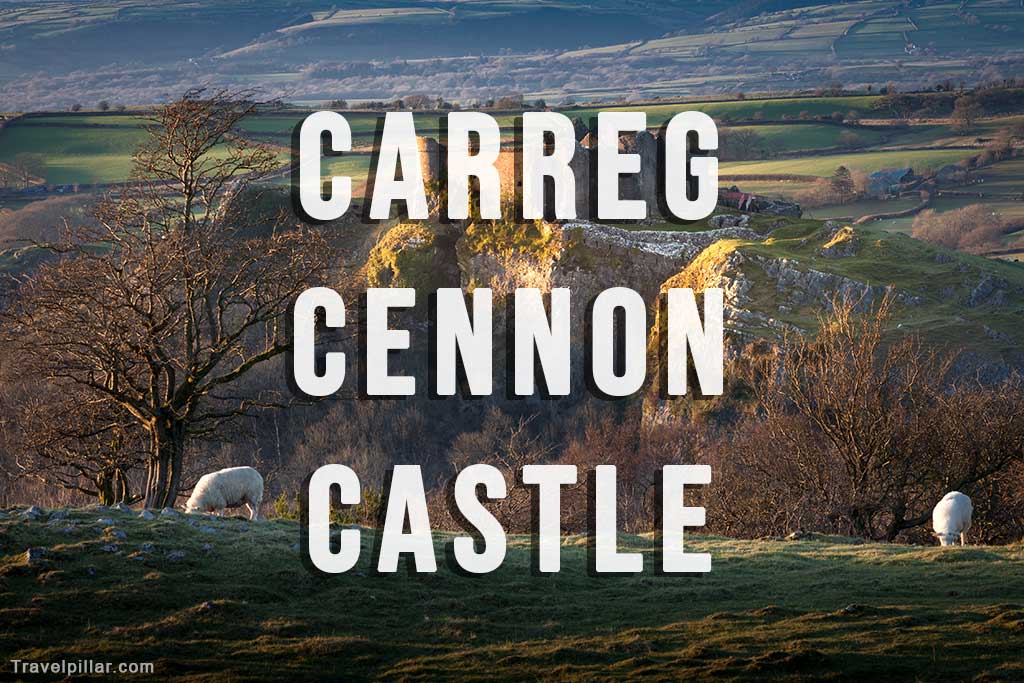
Carreg Cennen Castle stands dramatically on a limestone cliff overlooking the countryside of Carmarthenshire. Dating largely from the 13th century, the ruined fortress is one of the most spectacularly positioned castles in Wales. Visitors can explore the castle walls, descend into its famous natural cave and enjoy panoramic views across the surrounding landscape.
Our recommendation: The cave beneath the castle is one of its most unusual features, so don’t miss it if you’re comfortable with steep steps.
Official website: http://www.carregcennencastle.com
Google map 4.7/5
Ffestiniog Railway
The Ffestiniog Railway is one of the world’s oldest narrow-gauge railways and remains one of Wales’ best heritage railway experiences. Historic steam trains travel between Porthmadog and Blaenau Ffestiniog, passing forests, mountains, waterfalls and former slate quarries along the way. The railway played an important role in transporting slate from the quarries to the coast during the 19th century.
Our recommendation: Sit on the left-hand side when travelling from Porthmadog for some of the best views across the valley.
Official website: https://www.festrail.co.uk
Google map 4.6/5 (Blaenau Station)
Bodnant Garden (National Trust)

Managed by the National Trust, Bodnant Garden is one of Britain’s finest gardens, covering around 80 acres above the Conwy Valley. The gardens are renowned for their collection of trees, shrubs and seasonal flowers, including the famous Laburnum Arch, which attracts visitors each spring. Woodland walks, formal terraces and riverside paths provide interest throughout the year.
Our recommendation: If possible, visit in late spring when the Laburnum Arch is in flower, although the gardens are worth visiting in every season.
Official website: https://www.nationaltrust.org.uk
Google map 4.8/5
National Slate Museum

Located in Llanberis at the foot of Eryri (Snowdonia) National Park, the National Slate Museum tells the story of the Welsh slate industry that shaped the landscape, economy and communities of North Wales during the 19th century. Housed in the former Dinorwic Quarry workshops, the museum features original machinery, restored quarry buildings and demonstrations of traditional slate-splitting techniques. Together with the surrounding Slate Landscape of Northwest Wales UNESCO World Heritage Site, it provides an excellent insight into the region’s industrial heritage.
Our recommendation: Combine your visit with nearby Llanberis, the Llanberis Lake Railway or a trip on the Snowdon Mountain Railway for a full day exploring the area.
Official website: https://museum.wales
Google map 4.7/5
Pontcysyllte Aqueduct & Llangollen Canal

The Pontcysyllte Aqueduct is one of Wales’ greatest engineering achievements and a UNESCO World Heritage Site. Completed in 1805 by engineers Thomas Telford and William Jessop, the aqueduct carries the Llangollen Canal 38 metres above the River Dee, making it the highest navigable aqueduct in Britain. Visitors can walk across the aqueduct, take a canal boat trip or enjoy riverside walks through the surrounding Dee Valley.
Our recommendation: Walking across the aqueduct is an experience in itself, but a canal boat trip offers a completely different perspective and is well worth considering.
Official website: https://www.pontcysyllte-aqueduct.co.uk
Google map 4.8/5
Aberystwyth
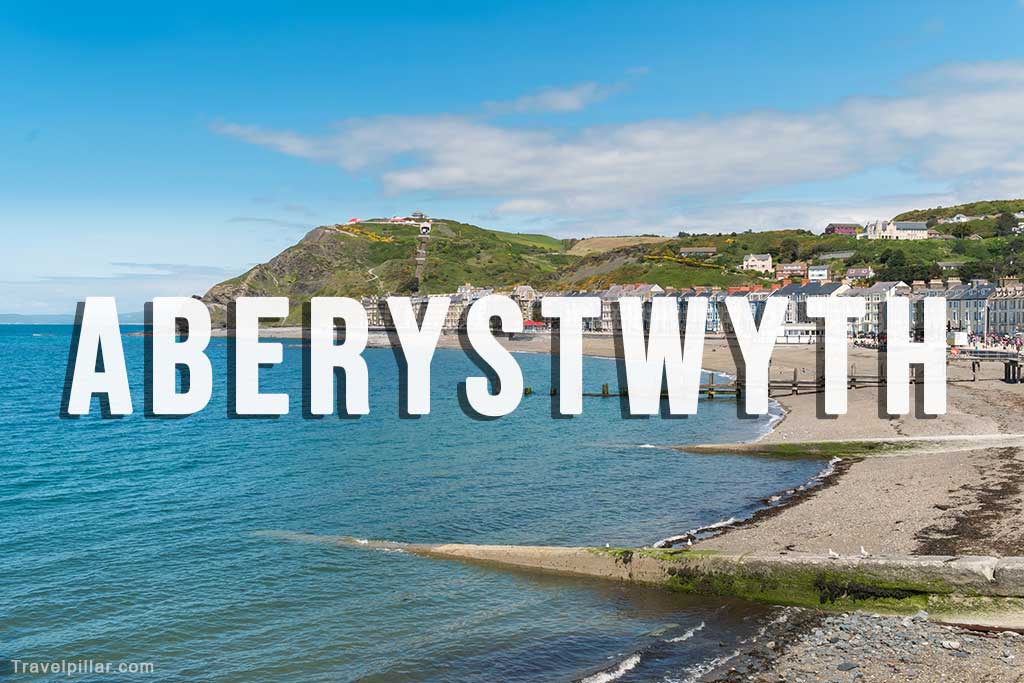
Aberystwyth is a historic university town on the west coast of Wales overlooking Cardigan Bay. Its long seafront promenade, Victorian pier and hilltop castle ruins make it one of Mid Wales’ most popular coastal destinations. Visitors can also ride the historic Cliff Railway to Constitution Hill, explore the National Library of Wales or use the town as a base for discovering the Cambrian Coast and surrounding countryside.
Our recommendation: Ride the Cliff Railway to Constitution Hill for some of the best views over Aberystwyth and Cardigan Bay, particularly on a clear evening.
Google map
Google map 4.6/5
St. Fagans National Museum of History
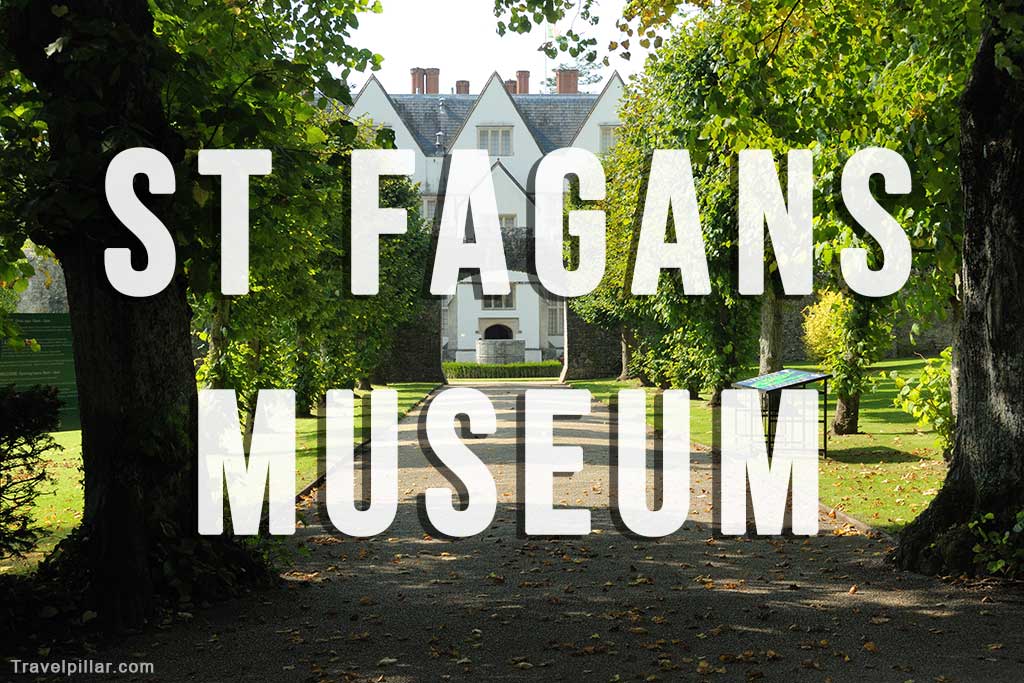
Located just outside Cardiff, St Fagans National Museum of History is one of Wales’ most popular visitor attractions and one of Europe’s leading open-air museums. More than 40 historic buildings from across Wales have been carefully dismantled, relocated and rebuilt here, allowing visitors to explore traditional cottages, farms, workshops, chapels and schools spanning several centuries of Welsh history. Traditional crafts, demonstrations and exhibitions help bring the country’s cultural heritage to life.
Our recommendation: Allow at least half a day to explore the museum properly. Admission is free, and it combines particularly well with a visit to Cardiff.
Official website: https://museum.wales
Google map 4.7/5