

Rome, Italy is a city steeped in history, culture, and beauty. Known as the “Eternal City”, Rome has been a center of civilization for over 2,500 years and is considered one of the cradles of Western civilization. This city is home to numerous landmarks, monuments, and structures that stand as a testament to its rich heritage, including the Colosseum, the Vatican City, the Pantheon, and the Roman Forum. Discover more things to see and do in our Rome City Guide below.
The streets of Rome are lined with beautiful fountains, ornate churches, and historic palaces, making it a truly unique and breathtaking destination. In addition to its rich history and architecture, Rome is also renowned for its delicious cuisine, world-class museums, and vibrant cultural scene. Whether you’re interested in exploring ancient ruins, admiring stunning artwork, or simply taking in the city’s charming atmosphere, Rome has something to offer for everyone.
Official tourism websites:
https://www.italia.it/en/lazio/rome
https://turismoroma.it/en
Google map of Rome
Top 20 Rome Attractions
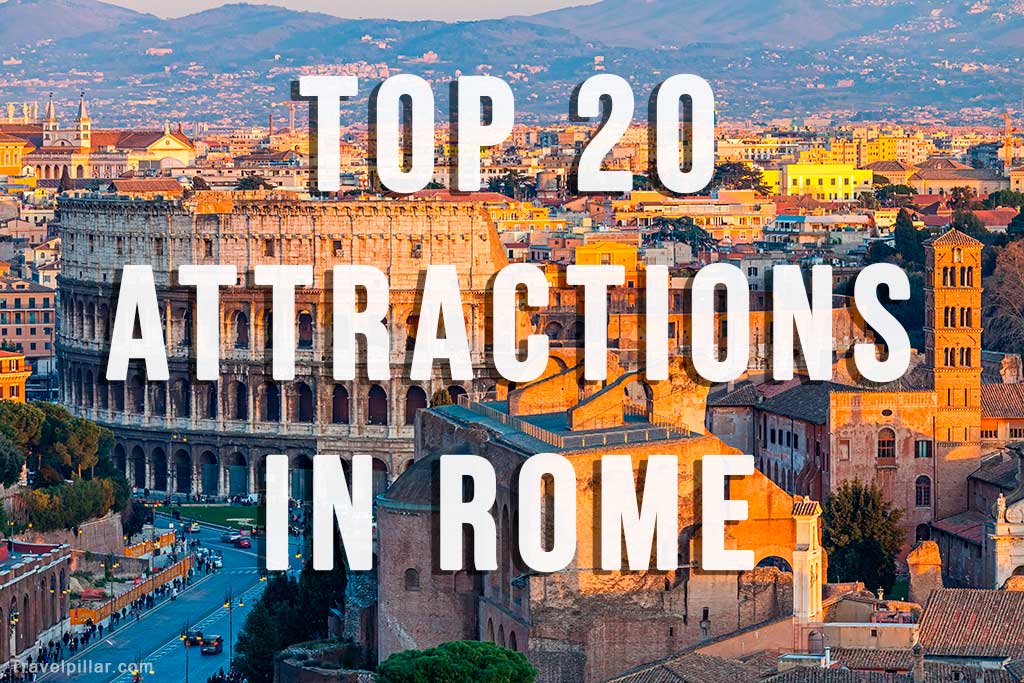
Rome’s top 20 attractions present the core sites that define the city’s ancient, religious, and artistic heritage. Highlights include Vatican City with St. Peter’s Basilica, the Sistine Chapel, and the Vatican Museums, alongside the Colosseum, Roman Forum, Palatine Hill, and the Pantheon. Other key landmarks include Santa Maria Maggiore, the Trevi Fountain, Piazza Navona, Castel Sant’Angelo, and the Capitoline Museums. Major squares and neighbourhoods such as Trastevere and Piazza Venezia also feature prominently. Together these sites illustrate Rome’s development from imperial capital to centre of the Catholic Church and a major European cultural destination.
Best Attractions in Rome (Ranked 21-40)

Attractions ranked 21 to 40 broaden the focus beyond the principal monuments and include gardens, churches, neighbourhoods, museums, and traditional Roman experiences. Villa Borghese Gardens provide landscaped green space near the historic centre, while the Spanish Steps remain a notable Baroque landmark. Testaccio reflects everyday Roman life and cuisine. Important churches such as San Clemente, Santa Sabina, and Saint Mary of Minerva reveal layered architectural history. Sites including the Catacombs, Baths of Caracalla, and the National Museum of Rome add further insight into the city’s ancient foundations. These locations allow for a more detailed and varied exploration of Rome.
Top Attractions in Rome (Ranked 41-60)

Attractions ranked 41 to 60 highlight additional archaeological sites, Renaissance palaces, historic streets, and modern institutions. Circus Maximus, the Appian Way, Teatro di Marcello, and the Ara Pacis reflect Rome’s imperial infrastructure and commemorative architecture. Landmarks such as the Cestius Pyramid and Largo di Torre Argentina illustrate the survival of ancient structures within the modern city. Palazzo Farnese and Quirinal Palace represent later political and architectural developments, while streets including Via Condotti and Via Giulia combine shopping with historic character. These sites extend beyond the main visitor circuit and contribute to a more comprehensive understanding of Rome’s urban and cultural landscape.
Museums and Galleries

Museums and galleries in Rome cover a wide range of historical periods and artistic movements. Major institutions display ancient Roman artifacts, Renaissance paintings, Baroque sculpture, and contemporary art. Notable collections include the Vatican Museums, Galleria Borghese, and the Capitoline Museums. Many venues are housed in historic buildings, adding architectural interest. Together, they reflect the city’s ongoing role in preserving, interpreting, and exhibiting significant works from classical antiquity to the present day.
Churches and Cathedrals

Rome’s churches and cathedrals represent a wide range of architectural styles, from early Christian basilicas to Baroque masterpieces. Major sites include St. Peter’s Basilica, San Giovanni in Laterano, Santa Maria Maggiore, and San Paolo Fuori le Mura. Many churches house important artworks, including frescoes, sculptures, and mosaics. These religious buildings reflect the city’s historical role as a center of Christianity and its influence on ecclesiastical architecture and decoration across Europe.
Historical Sites

Rome’s historical sites encompass ancient, medieval, and Renaissance periods. Key locations include the Colosseum, Roman Forum, Palatine Hill, and Pantheon, reflecting the city’s imperial past. Medieval and Renaissance sites such as Castel Sant’Angelo and Piazza del Campidoglio illustrate later developments. These sites provide insight into Rome’s political, religious, and cultural history, documenting its transformation from the capital of an empire to a major center of the Catholic Church and European art.
Parks and Piazzas
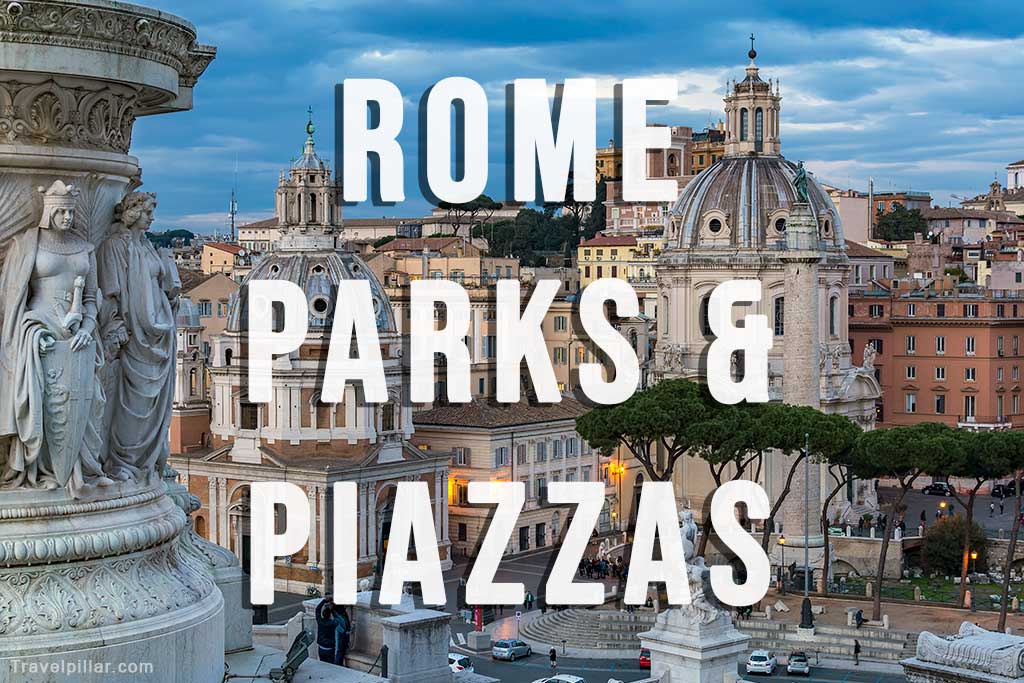
Rome’s parks and piazzas form integral parts of its urban landscape. Notable parks include Villa Borghese and Villa Doria Pamphili, offering green spaces and cultural institutions. Major piazzas such as Piazza Navona, Piazza del Popolo, and Piazza di Spagna serve as social and architectural focal points. These areas illustrate Rome’s historical approach to public space, combining leisure, civic life, and artistic expression within both formal gardens and monumental urban squares.
Neighbourhoods

Rome’s most popular neighbourhoods include Trastevere, known for its narrow streets and nightlife, and Monti, featuring boutiques and archaeological sites. The Centro Storico contains major landmarks and historic squares, while Prati offers shopping near the Vatican. Testaccio is recognised for traditional Roman cuisine, and Campo de’ Fiori is known for its market and bars. These neighbourhoods illustrate Rome’s diverse urban character, combining residential life with commercial, cultural, and historical functions.
Shopping

Rome’s best shopping areas include Via del Corso for high-street brands and Via Condotti for luxury fashion near the Spanish Steps. Campo de’ Fiori offers daily markets selling food and local products. Porta Portese hosts a large Sunday flea market. Monti features independent boutiques and vintage shops. These locations cater to varied preferences, from designer labels to traditional goods, reflecting Rome’s blend of modern retail, artisanal craftsmanship, and local market culture.