

Rome’s best churches and cathedrals demonstrate its central role in Christian history and art. Major basilicas such as St Peter’s, San Giovanni in Laterano, and Santa Maria Maggiore reflect different architectural periods and papal patronage. The Sistine Chapel is known for Renaissance frescoes, while churches like Sant’Ignazio di Loyola and Chiesa del Gesù illustrate Baroque design. Sites such as San Clemente and Santa Maria in Ara Coeli show layered historical and religious significance.
#1 St. Peter’s Basilica (Basilica di San Pietro)

St. Peter’s Basilica, located in Vatican City, is one of the most renowned churches in the world. Built over the tomb of Saint Peter, its construction spanned from 1506 to 1626, involving architects such as Michelangelo and Bernini. The basilica features a stunning dome, ornate interiors, and masterpieces like Michelangelo’s Pietà. As a major pilgrimage site and symbol of Catholicism, it represents architectural grandeur and spiritual significance in the heart of Rome.
Official website: https://www.basilicasanpietro.va/en
Google map 4.8/5
#3 Sistine Chapel (Cappella Sistina)
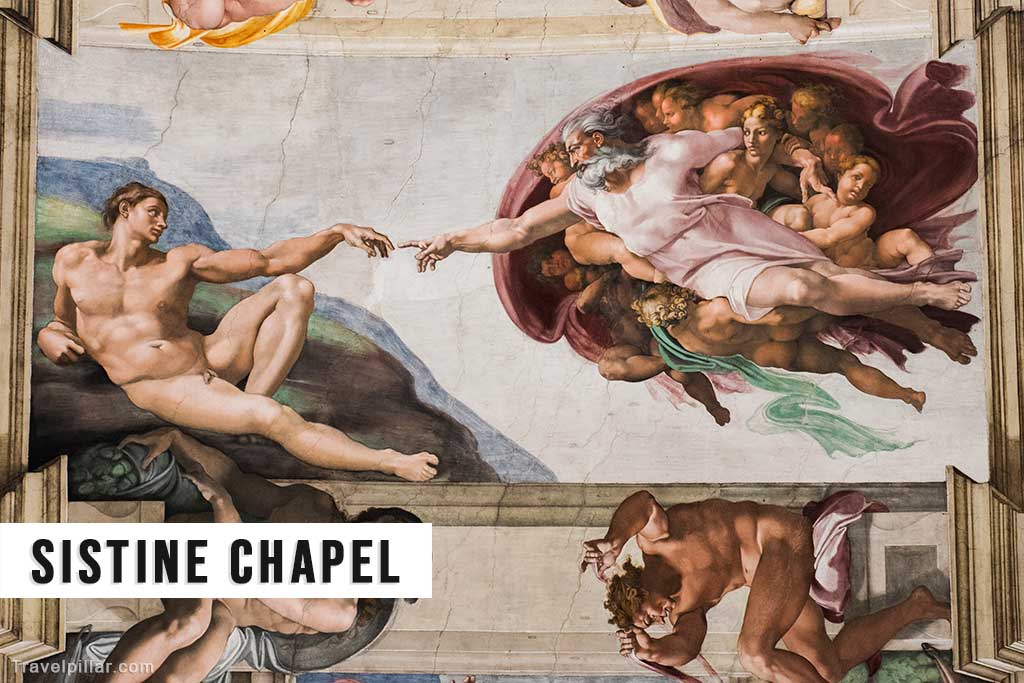
The Sistine Chapel is a masterpiece of Renaissance art and the site of papal conclaves. Completed in the late 15th century, its walls feature frescoes by prominent artists, including Botticelli and Perugino. The ceiling and The Last Judgment, painted by Michelangelo, are renowned for their artistic brilliance and theological depth. As part of the Vatican Museums, the chapel attracts visitors worldwide, showcasing the pinnacle of artistic achievement.
Virtual Tour: https://www.vatican.va
Google map 4.7/5 Located within the Vatican Museums
#5 Santa Maria Maggiore – Basilica di Santa Maria Maggiore
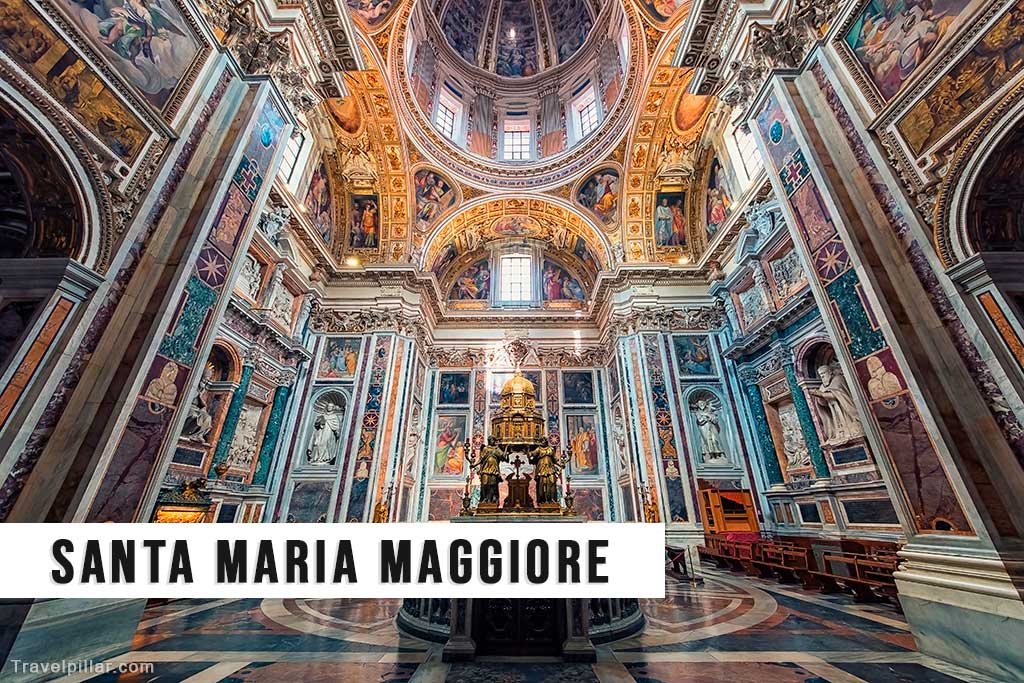
Santa Maria Maggiore, one of Rome’s four major basilicas, is a remarkable example of early Christian architecture. Built in the 5th century, it features stunning mosaics depicting biblical scenes and a richly adorned interior blending Roman and Baroque elements. The basilica houses significant relics, including a fragment of Christ’s manger. Located on the Esquiline Hill, it remains a major pilgrimage site and a testament to Rome’s religious and artistic heritage.
Official website: https://www.basilicasantamariamaggiore.va/en/
Google map 4.8/5
#12 Basilica di Santa Maria in Ara Coeli

Basilica di Santa Maria in Ara Coeli is a medieval church located on Rome’s Capitoline Hill. Known for its Romanesque-Gothic architecture, the basilica features an impressive wooden ceiling and ancient Roman columns. It houses the Santo Bambino statue and the 9th-century frescoes depicting the life of St. Francis of Assisi.
Google map 4.8/5
#13 Basilica of San Giovanni in Laterano
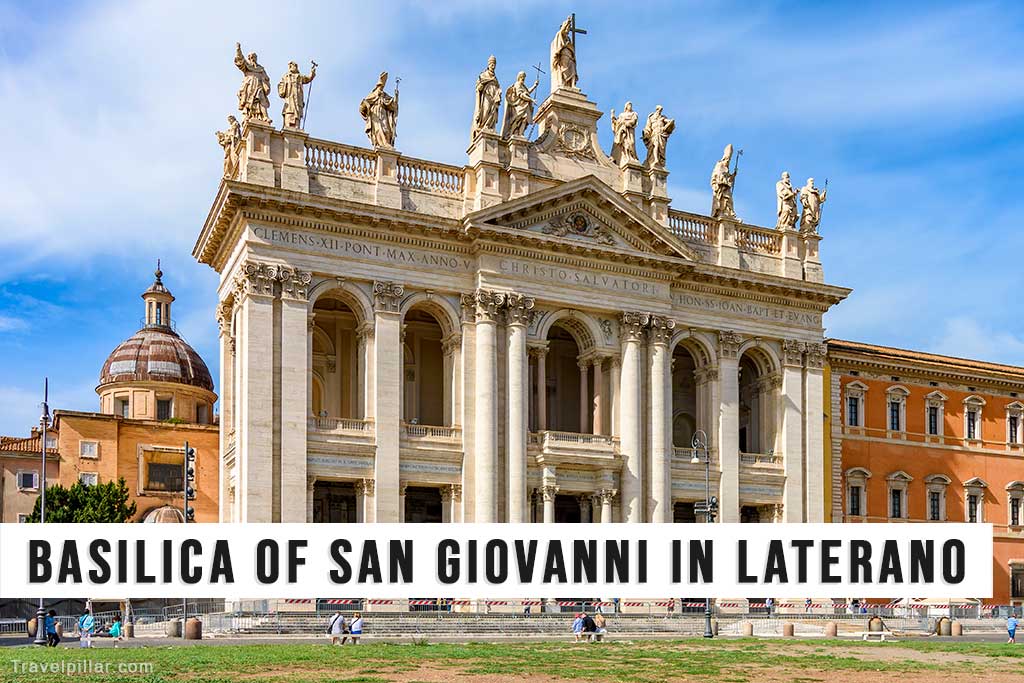
The Basilica of San Giovanni in Laterano is Rome’s cathedral and the oldest of the city’s four major basilicas. As the official ecclesiastical seat of the Pope, it holds a significant status within the Catholic Church. The basilica features a Baroque facade, ancient relics, and impressive interior artworks and decorations.
Google map 4.8/5
#14 Chiesa di Sant’Ignazio di Loyola
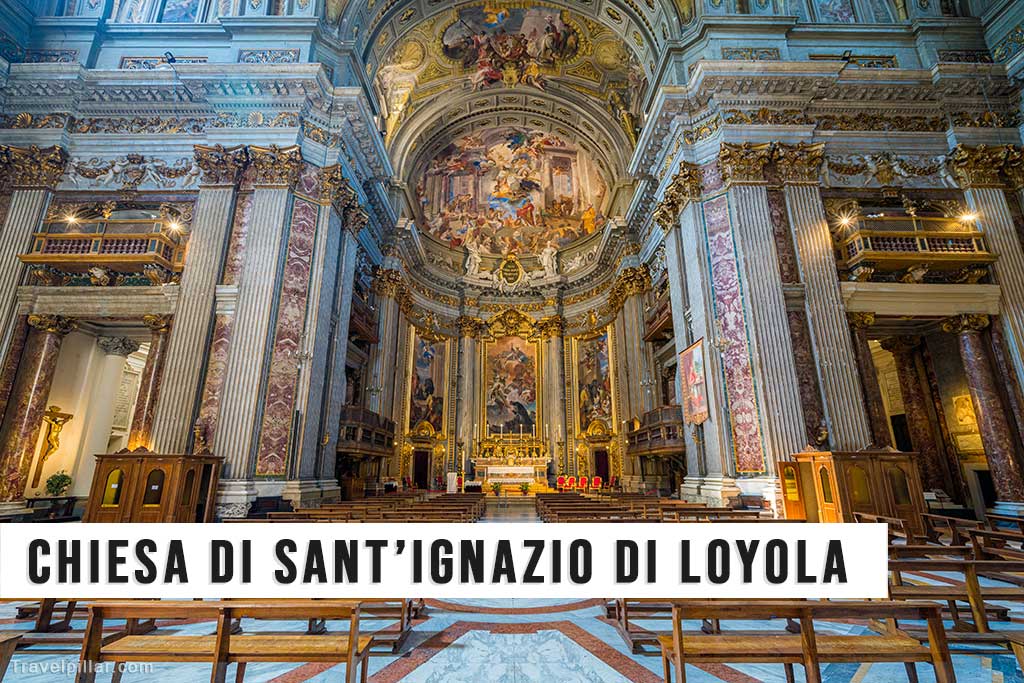
Chiesa di Sant’Ignazio di Loyola is a Baroque church dedicated to St. Ignatius of Loyola, founder of the Jesuit order. Completed in 1650, it is known for its trompe-l’oeil ceiling fresco, The Triumph of the Name of Jesus, by Andrea Pozzo, and its grand, richly decorated interior.
Google map 4.8/5
#15 Chiesa del Gesù

Chiesa del Gesù is the mother church of the Jesuit order in Rome, exemplifying Baroque architecture. Completed in 1584, it is renowned for its richly decorated interior, including the ceiling fresco The Triumph of the Name of Jesus by Giovanni Battista Gaulli. The church is a significant site for Jesuit history and worship.
Google map 4.8/5
#16 Sant’Agnese in Agone Church
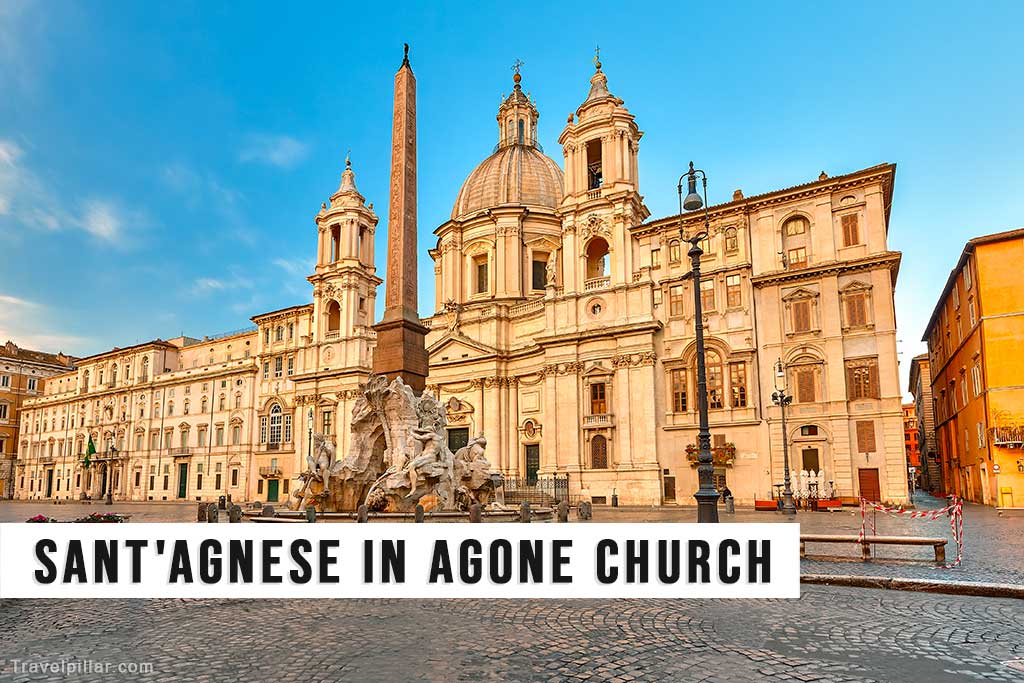
Sant’Agnese in Agone is a 17th-century Baroque church located on Piazza Navona. Built on the traditional site of Saint Agnes’ martyrdom, it was commissioned by Pope Innocent X and designed by Girolamo Rainaldi, Carlo Rainaldi, and Francesco Borromini. The church features a concave façade, twin bell towers, and a central dome. Its interior includes polychrome marble decoration and a relief of Saint Agnes’ martyrdom, reflecting Baroque architectural integration with urban public spaces.
Official website: https://www.santagneseinagone.org/en/
Google map 4.8/5
#17 Basilica of San Clemente
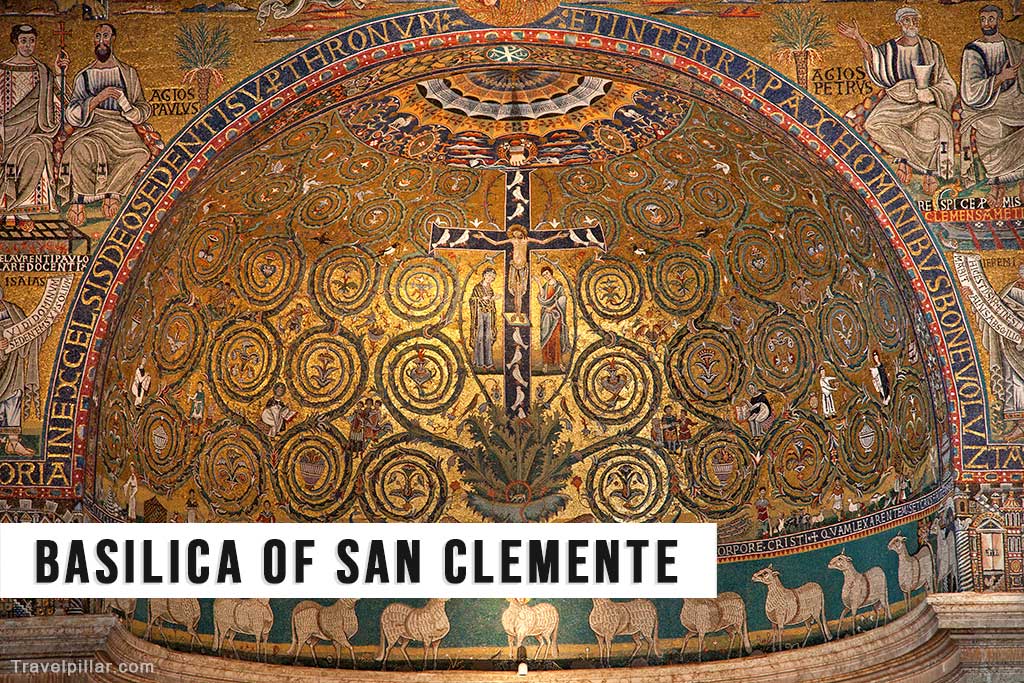
The Basilica of San Clemente is a layered architectural and historical site. Built in the 12th century, it sits atop a 4th-century basilica, which itself rests on a 1st-century Roman house and Mithraic temple. Known for its stunning mosaics and frescoes, the basilica showcases the evolution of Roman art and architecture. Its excavated lower levels provide unique insights into the city’s religious and cultural transformations over centuries.
Google map 4.7/5
#18 Basilica of Saint Mary of Minerva
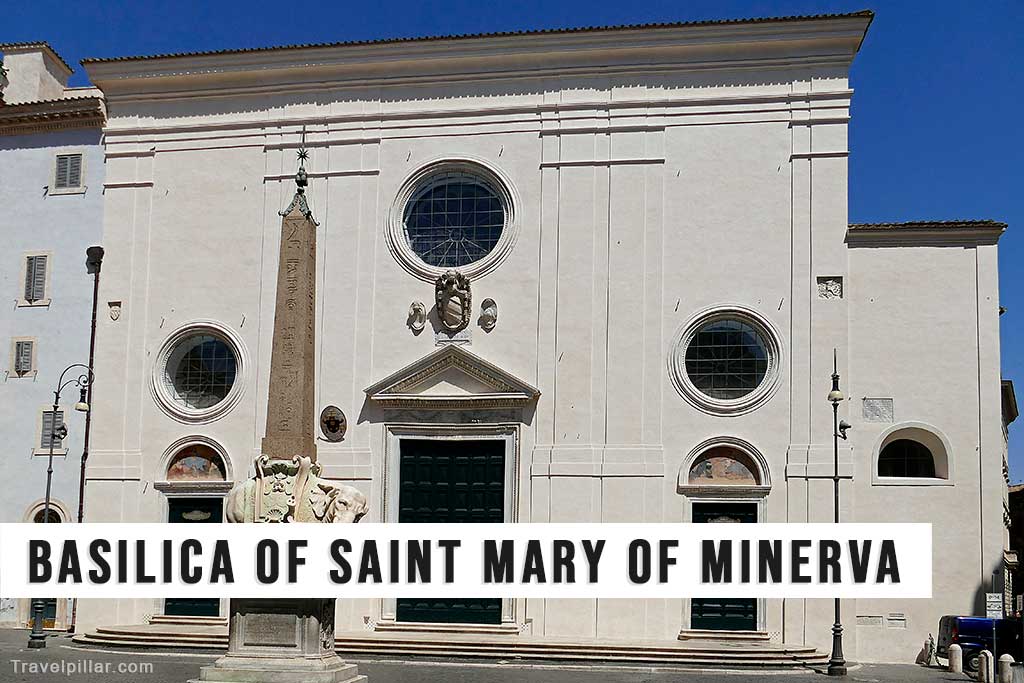
The Basilica of Saint Mary of Minerva, located near the Pantheon in Rome, is a Gothic-style church built in the 13th century. Its interior features vaulted ceilings, intricate frescoes, and significant works of art, including Michelangelo’s Christ the Redeemer. The church also houses the tombs of Saint Catherine of Siena and several Renaissance popes. Known for its striking architecture and historical importance, it remains a prominent religious and cultural site in Rome.
Official website: https://www.santamariasopraminerva.it/en/
Google map 4.7/5
#19 Basilica di Santa Sabina all’Aventino

The Basilica di Santa Sabina all’Aventino is a 5th-century church located on Rome’s Aventine Hill. It is one of the best-preserved examples of early Christian architecture, featuring a simple, elegant interior with original Corinthian columns and a notable 5th-century carved wooden door depicting biblical scenes. The basilica offers a serene atmosphere for reflection.
Official website: https://basilicasantasabina.it (only in Italian)
Google map 4.7/5
#20 Basilica di Santa Maria in Trastevere
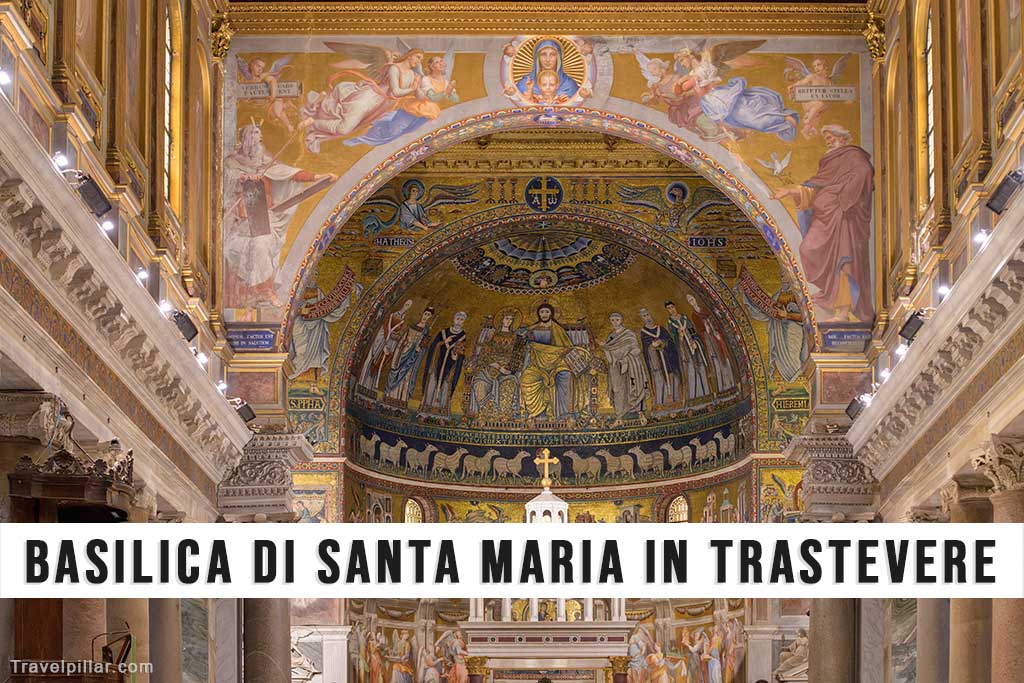
The Basilica of Santa Maria in Trastevere is one of Rome’s oldest churches, with origins dating back to the 3rd century and its current structure completed in the 12th century. It is known for its Romanesque campanile and impressive mosaics depicting the Virgin Mary, located both on the façade and inside the apse. The church combines early Christian foundations with medieval renovations, reflecting the architectural and artistic development of Roman ecclesiastical buildings.
Google map 4.7/5
#21 Basilica of Saint Mary of the Angels and Martyrs
The Basilica of Saint Mary of the Angels and Martyrs, located in Piazza della Repubblica, was designed by Michelangelo within the ruins of the ancient Baths of Diocletian. Consecrated in 1561, the basilica features a striking blend of classical Roman and Renaissance architecture. Notable for its meridian line and celestial-themed artwork, it serves as a unique religious and scientific site. The basilica reflects Rome’s integration of history, faith, and innovation.
Official website: https://www.santamariadegliangeliroma.com/en/
Google map 4.7/5
#22 Trinità dei Monti Church (top of the Spanish Steps)
Trinità dei Monti is a late Renaissance church located at the top of the Spanish Steps in Rome. Built between 1502 and 1585, it features a façade with twin bell towers designed by Giacomo della Porta. The interior contains significant artworks, including Daniele da Volterra’s “Deposition from the Cross.” The church remains under French ownership and offers panoramic views over the city, combining religious significance with architectural and artistic heritage.
Official website: https://trinitadeimonti.net/en/
Google map 4.6/5