
The Sistine Chapel, located within Vatican City in Rome, is one of the most renowned cultural and artistic landmarks in the world. It is primarily known for its extensive frescoes by Michelangelo, which cover the chapel’s ceiling and the altar wall. Constructed between 1473 and 1481 by Pope Sixtus IV, from whom it derives its name, the chapel has been a focal point of the Vatican for over five centuries.

The architecture of the Sistine Chapel follows a simple rectangular layout, measuring about 40.9 meters in length and 13.4 meters in width. The chapel’s design was inspired by the biblical Temple of Solomon, serving as a private chapel for the papal household. Its walls are divided into three horizontal bands, with frescoes depicting the lives of Moses and Christ, created by a team of Renaissance artists including Sandro Botticelli, Pietro Perugino, and Domenico Ghirlandaio.
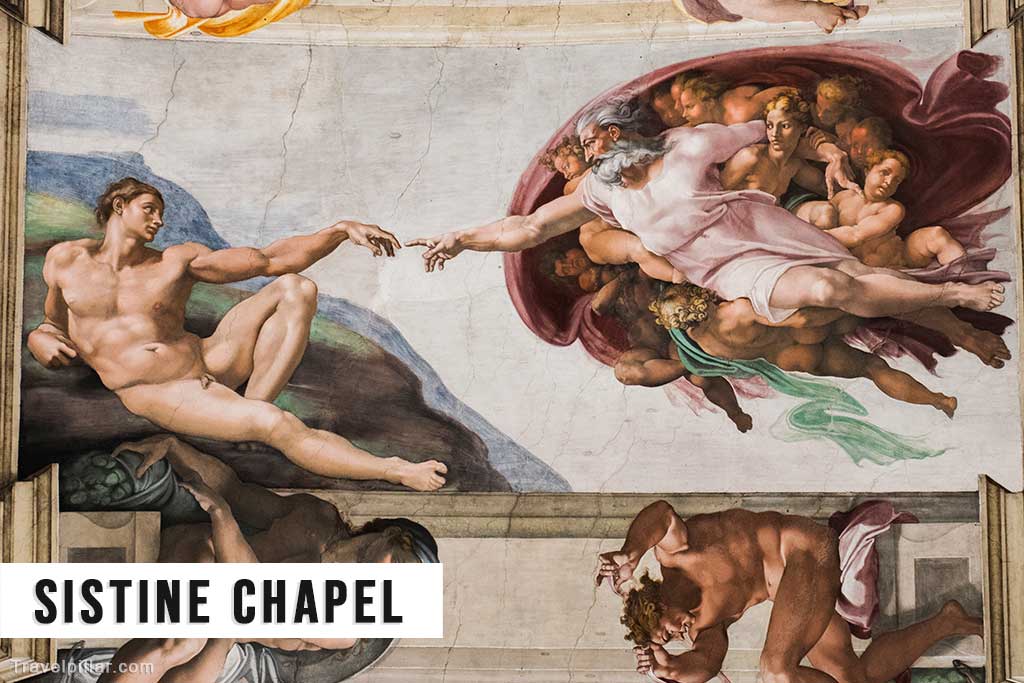
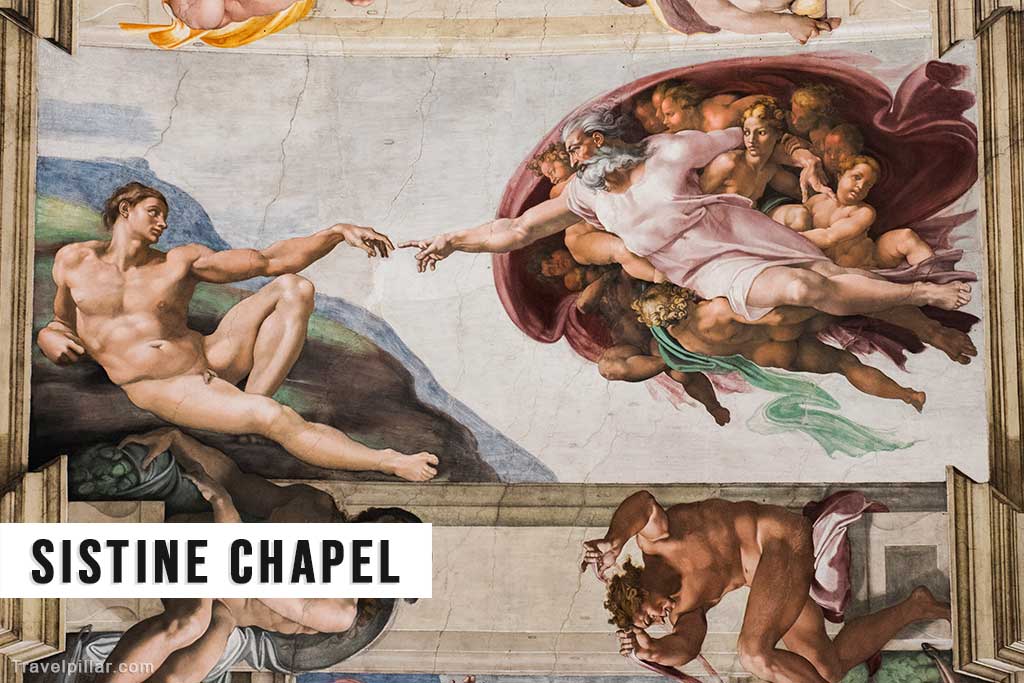
The ceiling frescoes, completed by Michelangelo between 1508 and 1512 under the commission of Pope Julius II, are the most famous artworks in the chapel. These frescoes cover an area of approximately 500 square meters and depict nine scenes from the Book of Genesis. Notable scenes include “The Creation of Adam,” “The Fall of Man,” and “The Great Flood.” The ceiling’s intricate detail and dynamic composition showcase Michelangelo’s mastery of human anatomy and his innovative use of perspective.
The chapel’s altar wall features Michelangelo’s “The Last Judgment,” painted between 1536 and 1541. This monumental fresco represents the Second Coming of Christ and the final judgment of souls. It is characterized by its dramatic depiction of the saved ascending to heaven and the damned descending to hell, reflecting the artist’s evolving style and the influence of the Counter-Reformation.
Today, the Sistine Chapel serves as the site of the Papal Conclave, where cardinals gather to elect a new pope. It also attracts millions of visitors annually, drawn by its artistic and historical significance. Visitors are encouraged to book tickets in advance due to its popularity and to respect the chapel’s sanctity by adhering to the dress code and maintaining silence inside the premises.
Virtual Tour: https://www.vatican.va
Google map 4.7/5 Located within the Vatican Museums
The Ceiling Frescoes of the Sistine Chapel
The ceiling of the Sistine Chapel, painted by Michelangelo between 1508 and 1512, features nine central panels depicting scenes from the Book of Genesis. These panels are arranged in three groups:
1. The Separation of Light from Darkness
This panel depicts the first act of creation, where God separates light from darkness. Michelangelo portrays God as a powerful, dynamic figure, twisting in motion as he creates order from chaos. The swirling drapery and muscular form emphasize divine strength and energy. Positioned at the apex of the ceiling, this scene signifies the beginning of the Genesis narrative, symbolizing the emergence of life and the cosmos under divine authority.
2. The Creation of the Sun, Moon, and Plants
In this panel, God is depicted twice, symbolizing His omnipresence. On one side, He creates the sun and moon; on the other, He reaches toward the earth, bringing vegetation to life. Michelangelo’s dynamic composition emphasizes the celestial and terrestrial aspects of creation. The dramatic gestures and flowing robes highlight God’s authority over nature, while the vibrant depiction of plants underscores the vitality and abundance of the natural world.
3. The Separation of Land from Water
Here, Michelangelo portrays God separating the waters to form dry land. God’s powerful figure, surrounded by turbulent clouds, demonstrates His control over the elements. The scene captures a sense of motion and divine will as the earth takes shape. The panel emphasizes the order God brings to the universe, setting the stage for the creation of life. The depiction of swirling waters and dramatic skies adds to the panel’s visual intensity.
4. The Creation of Adam
Arguably the most iconic scene, this panel shows God imparting life to Adam with a near-touch of their fingers. Michelangelo emphasizes the physical and spiritual connection between Creator and creation. God is surrounded by angels and shrouded in a billowing cloak, symbolizing divine majesty. Adam’s relaxed posture contrasts with God’s dynamic energy, reflecting humanity’s dependence on divine will. This moment signifies the birth of humankind and divine-human intimacy.
5. The Creation of Eve
In this scene, God brings Eve forth from Adam’s side as he lies asleep. Michelangelo’s depiction of Eve captures a mix of humility and grace as she clasps her hands in reverence. God, surrounded by angels, extends His hand toward Eve, symbolizing her creation and divine blessing. The dramatic composition and sculptural quality of the figures highlight Michelangelo’s mastery in portraying both spiritual and physical transformation.
6. The Temptation and Expulsion from the Garden of Eden
This panel combines two episodes: the serpent tempting Adam and Eve, and their subsequent expulsion from Eden. On the left, the serpent, depicted with a human upper body, offers the forbidden fruit. On the right, an angel with a flaming sword drives the pair from paradise. Michelangelo contrasts the serene innocence of the temptation with the anguish and shame of the expulsion, reflecting the consequences of disobedience.
7. The Sacrifice of Noah
Following the flood, Noah and his family offer a sacrifice in gratitude for their survival. The panel depicts Noah’s reverence as he kneels by an altar, with smoke rising from the sacrificial fire. Michelangelo emphasizes the themes of redemption and renewal, portraying the moment as one of divine-human reconciliation. The figures’ postures and gestures convey humility and reverence, reinforcing the narrative’s spiritual significance.
8. The Great Flood
This dynamic scene illustrates the chaos and desperation during the biblical flood. Michelangelo captures the struggle of humanity as people cling to rocks and boats, attempting to survive. In the foreground, families seek refuge, while others succumb to the rising waters. The dramatic composition and emotionally charged figures reflect the catastrophic nature of the event, juxtaposing human fragility with divine judgment.
9. The Drunkenness of Noah
This panel depicts a vulnerable moment as Noah lies exposed after consuming wine from his vineyard. Michelangelo portrays the reactions of Noah’s sons, with one covering his father’s nakedness in an act of respect. The scene underscores themes of human weakness and familial duty. Through the muscular figures and expressive gestures, Michelangelo explores the complex dynamics of shame, forgiveness, and human fallibility.
Michelangelo’s “The Last Judgment”
Michelangelo’s The Last Judgment, located on the altar wall of the Sistine Chapel, is one of the most celebrated frescoes of the Renaissance. Commissioned by Pope Clement VII and completed under Pope Paul III between 1536 and 1541, the fresco depicts the Second Coming of Christ and the final judgment of souls, as described in Christian theology.
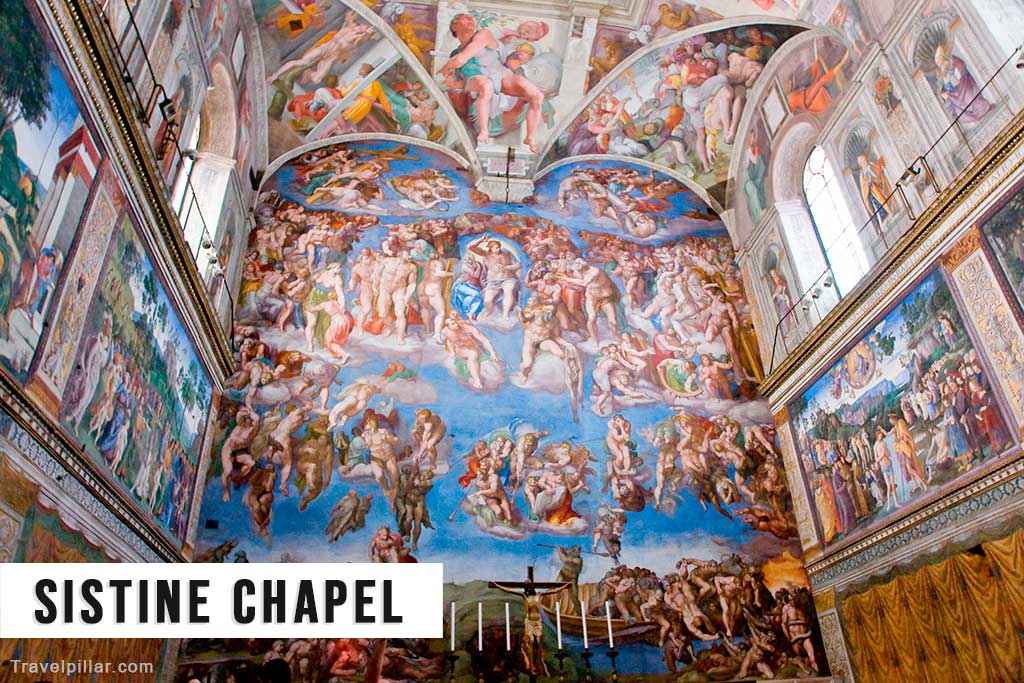
The composition spans the entire altar wall, measuring 13.7 meters by 12 meters, and contains over 300 figures. At the center is Christ, depicted as a powerful and commanding figure, surrounded by a glowing mandorla of light. His right hand is raised in judgment, separating the saved from the damned. To his right, the Virgin Mary is shown in a posture of submission, reflecting her intercessory role. Surrounding them are angels, saints, and martyrs, many of whom hold the instruments of their suffering, emphasizing the narrative of redemption and sacrifice.
The upper section features angels heralding the final judgment with trumpets, while the lower section shows the resurrection of the dead. On the left, the saved ascend toward heaven, assisted by angels, while on the right, the damned are dragged into hell by demons. Michelangelo’s vivid and dynamic figures capture the emotional intensity of the event, from the ecstasy of salvation to the anguish of condemnation.
A notable feature of the fresco is the inclusion of Michelangelo’s self-portrait, depicted in the flayed skin of Saint Bartholomew, symbolizing the artist’s own introspection and humility. The depiction of hell, inspired by Dante’s Inferno, is filled with grotesque and chaotic imagery, contrasting sharply with the order and serenity of heaven.
The fresco sparked controversy at the time of its unveiling due to the nudity of many figures, leading to subsequent modifications ordered by the Church. Despite this, The Last Judgment remains a masterpiece of Renaissance art, showcasing Michelangelo’s unparalleled skill in anatomy, composition, and emotional expression. It continues to inspire and challenge viewers with its profound exploration of divine justice and human destiny.