

Rio de Janeiro, affectionately known as “Cidade Maravilhosa” or the Marvelous City, is a vibrant metropolis in Brazil, famous for its breathtaking landscapes, iconic landmarks, and lively culture.
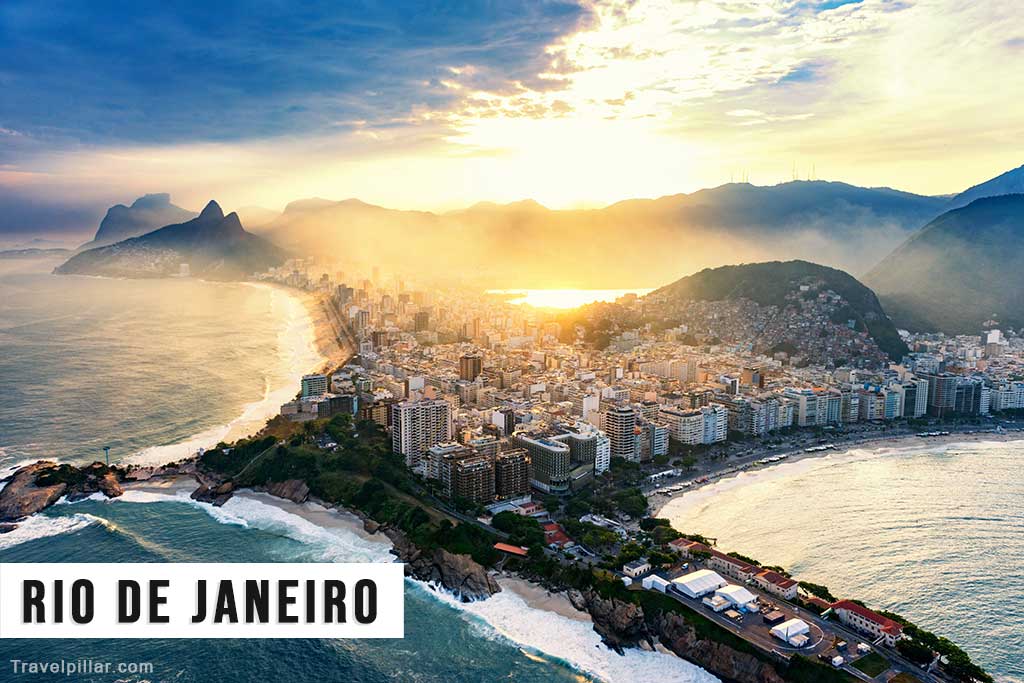
Nestled between lush mountains and the Atlantic Ocean, Rio boasts renowned attractions such as the Christ the Redeemer statue, Sugarloaf Mountain, and the world-famous Copacabana and Ipanema beaches. With its captivating samba rhythms and annual Carnival celebration, Rio offers an unforgettable experience for visitors.
Brasil’s official tourism website: https://visitbrasil.com/en/
Google map of Rio de Janeiro
The Best Places to Visit in Rio de Janeiro
Christ the Redeemer

Christ the Redeemer is an iconic statue located in Rio de Janeiro. Situated atop the Corcovado mountain, the statue stands at 30 meters tall and features a sweeping view of the city. Completed in 1931, the statue has become a symbol of both Rio de Janeiro and Brazil, attracting millions of visitors each year.
Official website: https://en.santuariocristoredentor.com.br
Google map 4.8/5
Copacabana Beach

Copacabana Beach is a world-famous beach situated in Rio de Janeiro, Brazil. Spanning over 4 kilometers, the beach features white sand, clear water, and a lively atmosphere. Visitors can enjoy sunbathing, swimming, and beachside dining, as well as various water sports and beach games.
Google map 4.7/5
Sugarloaf Mountain

Sugarloaf Mountain is a granite peak rising 396 meters above the harbor. Visitors can reach the top of the mountain via cable car, offering breathtaking panoramic views of the city and surrounding landscape. Sugarloaf Mountain also features hiking trails and various amenities, including a restaurant and gift shop.
Google map 4.8/5
The Tijuca National Park

The Tijuca National Park is a vast natural reserve located in Rio de Janeiro. The park encompasses over 3,000 hectares of forest, featuring numerous hiking trails, waterfalls, and scenic viewpoints. The park is home to an array of wildlife, including monkeys, sloths, and toucans, making it a popular destination for nature lovers.
Google map 4.8/5
The Rio de Janeiro Botanical Garden

The Rio de Janeiro Botanical Garden is a historic botanical garden located in the city. Established in 1808, the garden features a diverse collection of over 6,500 plant species, including rare and exotic specimens. The garden also features numerous historic structures, including the Imperial Palm House and the Japanese Garden.
Google map 4.7/5
The Museum of Tomorrow (Museu do Amanhã)

The Museum of Tomorrow is a modern, interactive science museum. Opened in 2015, the museum focuses on the future of humanity and the planet, featuring exhibits on topics such as climate change, technological innovation, and sustainable development. The museum’s unique architecture, designed to resemble a ship, adds to its appeal.
Official website: https://museudoamanha.org.br/en
Google map 4.7/5
Rio de Janeiro Cathedral (Catedral Metropolitana de São Sebastião do Rio de Janeiro)
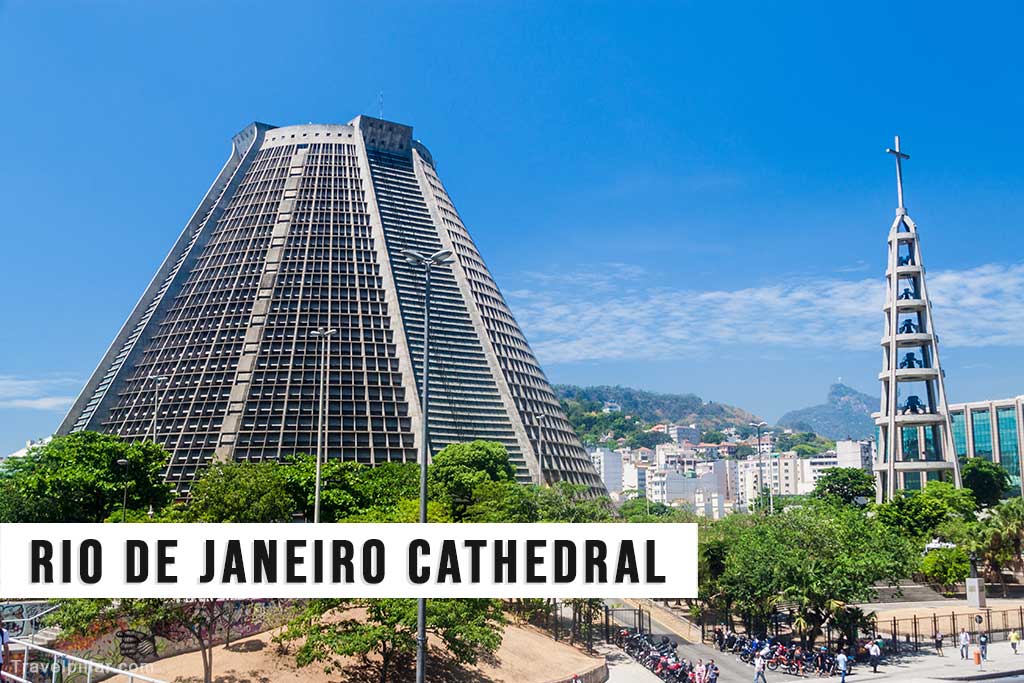
The Rio de Janeiro Cathedral, also known as the Metropolitan Cathedral of Saint Sebastian, is a modernist cathedral. Completed in 1979, the cathedral features a unique cone-shaped design and can accommodate up to 20,000 worshippers. The interior is notable for its stained glass windows, minimalist design, and large, bronze sculptures.
Official website: https://catedral.com.br
Google map 4.7/5
Ipanema Beach

Located just south of Copacabana, Ipanema Beach is another famous and picturesque beach in Rio de Janeiro. With its stunning views of the Two Brothers mountain peaks and lush greenery, Ipanema offers a more serene and romantic setting. Visitors can enjoy various beach activities, such as surfing, paddleboarding, and beach soccer. The beach is also surrounded by upscale restaurants, bars, and boutiques, making it a popular destination for the city’s elite.
Google map 4.7/5
Prainha Beach

Prainha Beach is a picturesque beach located in the southwestern part of the city. Known for its clear waters and natural beauty, the beach attracts surfers and beachgoers seeking a quieter alternative to the bustling Copacabana and Ipanema beaches. The beach is surrounded by hills covered in lush vegetation, offering stunning views of the surrounding landscape.
Google map 4.8/5
Favela Tour with Local Guide
A favela tour with a local guide offers insight into the social, cultural, and economic aspects of Rio de Janeiro’s hillside communities. These guided visits, often in places like Rocinha or Santa Marta, highlight local initiatives, street art, and daily life. Tours aim to promote understanding and support community projects while ensuring visitor safety. Participants are encouraged to choose reputable operators who work directly with residents and respect local customs and privacy.
The Maracanã Stadium

The Maracanã Stadium is a legendary sports venue located in Rio de Janeiro, Brazil. Completed in 1950, the stadium is renowned for its history and atmosphere, having hosted numerous important sporting events, including two FIFA World Cup finals. The stadium can accommodate over 78,000 spectators and features an interactive museum showcasing the stadium’s past.
Official website: https://www.estadiodomaracana.com.br
Google map 4.7/5
The Santa Teresa Neighborhood

The Santa Teresa neighborhood is a charming, historic district. Known for its narrow streets, vibrant arts scene, and colonial architecture, Santa Teresa offers visitors a unique glimpse into Rio’s past and present. The neighborhood features numerous galleries, cafes, and boutique hotels, as well as the iconic Santa Teresa tram, which provides a scenic tour of the area.
Google map
The Parque Lage

The Parque Lage is a picturesque public park located in Rio de Janeiro. Originally a private residence, the park features a stunning mansion, reflecting pool, and lush gardens. The mansion houses an art school and a café, providing visitors with an opportunity to appreciate the park’s natural beauty and cultural significance. The park also offers various hiking trails and scenic overlooks.
Google map 4.6/5
Escadaria Selarón

Escadaria Selarón is a colorful staircase located in the bohemian neighborhood of Lapa. Created by Chilean-born artist Jorge Selarón over a period of 20 years, the staircase features over 2000 tiles collected from around the world. The colorful tiles, ranging from bright reds to deep blues, create a vibrant and unique artistic expression, making it a popular destination for visitors and locals alike.
Google map 4.6/5
The Sambadrome

The Sambadrome is a purpose-built stadium that hosts the annual Rio Carnival parade. The Sambadrome features a 700-meter-long runway surrounded by grandstands that can accommodate up to 90,000 spectators. During the Carnival parade, samba schools compete for the championship title, showcasing their colorful costumes, floats, and music. The Sambadrome is a must-visit destination for those seeking to experience the vibrant culture and energy of Rio Carnival.
Official website: http://www.sambadrome.com (non-secure)
Google map 4.5/5
Lapa Arches (Arcos da Lapa)

The Lapa Arches, also known as the Carioca Aqueduct, is a historic landmark located in the city. Constructed in the mid-18th century, the arches were used to transport water from the Carioca River to the city center. The arches are now a popular destination for tourists, offering picturesque views of the city and serving as a backdrop for numerous street performances and events.
Google map 4.5/5
Rio Carnival

The Rio Carnival is a globally renowned, annual festival occurring in the five days before Lent. The world’s largest carnival, it showcases Brazil’s vibrant culture, music, and dance traditions, attracting millions of visitors worldwide. Key features include the Samba Parade, with samba schools competing in the Sambódromo, and various city-wide “blocos,” or street parties. The Carnival is a celebration of Brazilian culture, presenting a unique, immersive experience.
Official website: https://www.riocarnaval.org/
Rio de Janeiro Day Trips
Pedra do Telegrafo

Pedra do Telégrafo, located about 60 kilometres from central Rio de Janeiro in Pedra Branca State Park, is a popular hiking destination known for panoramic coastal views and a rock ledge used for perspective-based photographs. The 1.5 km trail from Barra de Guaratiba passes through Atlantic Forest and overlooks beaches such as Grumari and Prainha. Early visits are recommended to avoid crowds, and visitors should bring water, sunscreen, and follow conservation guidelines.
Google map 4.8/5
Petrópolis
Petrópolis, located about 68 kilometres from Rio de Janeiro in the Serra dos Órgãos mountains, is known for its imperial history and cooler climate. Founded as a summer retreat for Brazil’s royalty, it features the Imperial Museum, former palaces, and 19th-century architecture. The city also offers gardens, churches, and local cuisine. Accessible by road, Petrópolis provides a cultural and historical contrast to Rio’s coastal attractions, making it a popular year-round excursion.
Google map 4.8/5
Ilha Grande
Ilha Grande, located about 150 kilometres from Rio de Janeiro, is a large island known for its beaches, rainforest trails, and diverse marine life. Once a prison site, it now attracts visitors for activities such as hiking, snorkelling, and diving. The island is car-free, preserving its natural environment, and is accessible by boat from Angra dos Reis or Mangaratiba. Popular sites include Lopes Mendes Beach and the Blue Lagoon.
Google map 4.8/5