
The Tijuca National Park is one of the largest urban forests in the world, located in the city of Rio de Janeiro, Brazil. Covering approximately 32 square kilometers, the park is an essential part of the Atlantic Forest, a South American biome known for its high biodiversity and endemism.
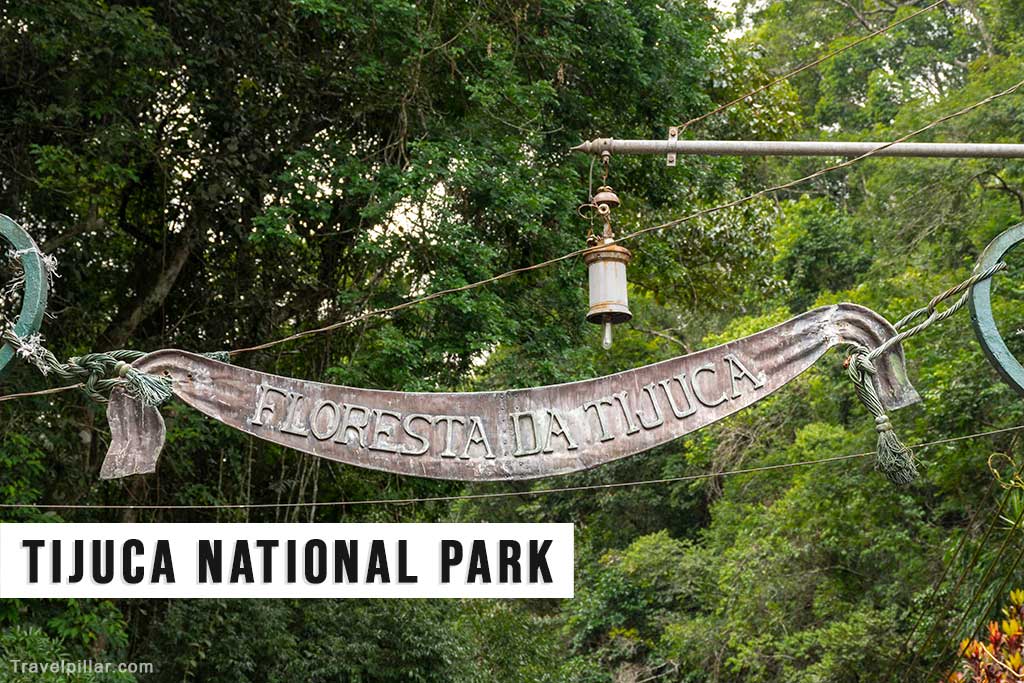
The park is divided into three sectors: the Tijuca Forest, the Carioca Mountain Range, and the Pedra Bonita and Gávea sectors. The Tijuca Forest is the second-largest sector and is noted for its trails, waterfalls, caves, and viewpoints. It is also home to Christ the Redeemer statue, one of the New7Wonders of the World, atop Corcovado Mountain.

The Tijuca National Park is a testament to successful reforestation efforts in the 19th century after the area was severely degraded by coffee plantations. Emperor Pedro II ordered the area to be replanted with native species to secure the water supply for the growing city of Rio de Janeiro.
The park’s rich biodiversity includes hundreds of species of plants and wildlife, some of which are endemic and endangered. It is a popular destination for hiking, birdwatching, rock climbing, and exploring the many natural and historical attractions, including waterfalls, vistas, statues, and ruins of historical buildings.
In conclusion, the Tijuca National Park is a precious green lung within the bustling city of Rio de Janeiro, showcasing a successful environmental restoration story and a rich biodiversity hotspot. It offers an oasis of tranquility and a journey into nature for locals and tourists alike.
Google map 4.8/5