

Madrid is the capital and most populous city in Spain. It is also the political, economic and cultural centre of the country.
While Madrid has a good modern infrastructure, it has preserved the look and feel of many of its historic neighbourhoods and streets.
City highlights include the Plaza Mayor (Main Square), the Royal Palace of Madrid (offial residence of the Spanish royal family), Buen Retiro Park and the National Library building.
The Golden Triangle of Art comprises three world class museums: Prado Museum, Reina Sofia Museum and the Thyssen-Bornemisza Museum.
Official tourism website:
https://www.spain.info
https://www.esmadrid.com/en
Google map of Madrid
The Best Things to Do in Madrid
Royal Palace of Madrid (Palacio Real)
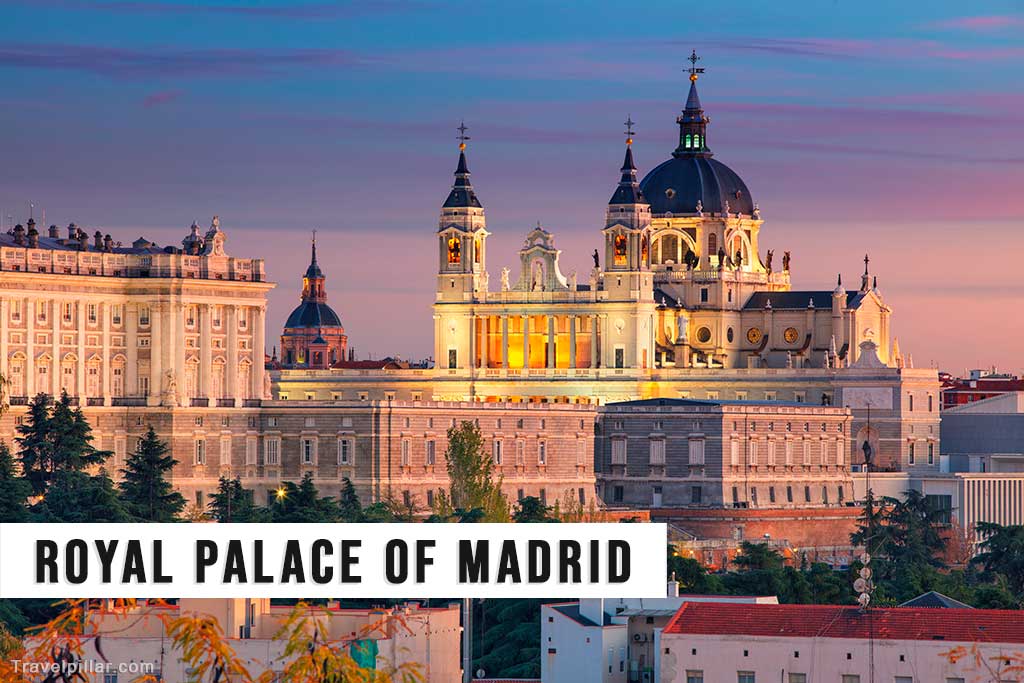
Royal Palace of Madrid (Palacio Real) is the official residence of the Spanish royal family, located in the heart of Madrid. Constructed between 1738 and 1759, this magnificent Baroque-style building features over 3,000 rooms and houses an extensive collection of historical paintings, sculptures, and tapestries. Notable attractions within the palace include the Throne Room, Royal Pharmacy, and Royal Armoury. Though the royal family no longer resides here, the palace remains a symbol of national identity and is open for public tours.
Official website: https://www.patrimonionacional.es/
Google map 4.6/5
Museo Nacional Del Prado

Museo Nacional Del Prado is one of the world’s most renowned art museums, located in central Madrid. Founded in 1819, the Prado holds an extensive collection of European art, spanning from the 12th to the early 20th century. The museum boasts over 8,000 paintings, including works by renowned Spanish artists such as Velázquez, Goya, and El Greco, as well as masterpieces by Titian, Rubens, and Bosch. Open daily, the Prado offers visitors a unique opportunity to explore the rich history of European art.
Official website: https://www.museodelprado.es/en
Google map 4.7/5
Plaza Mayor (Main Square)
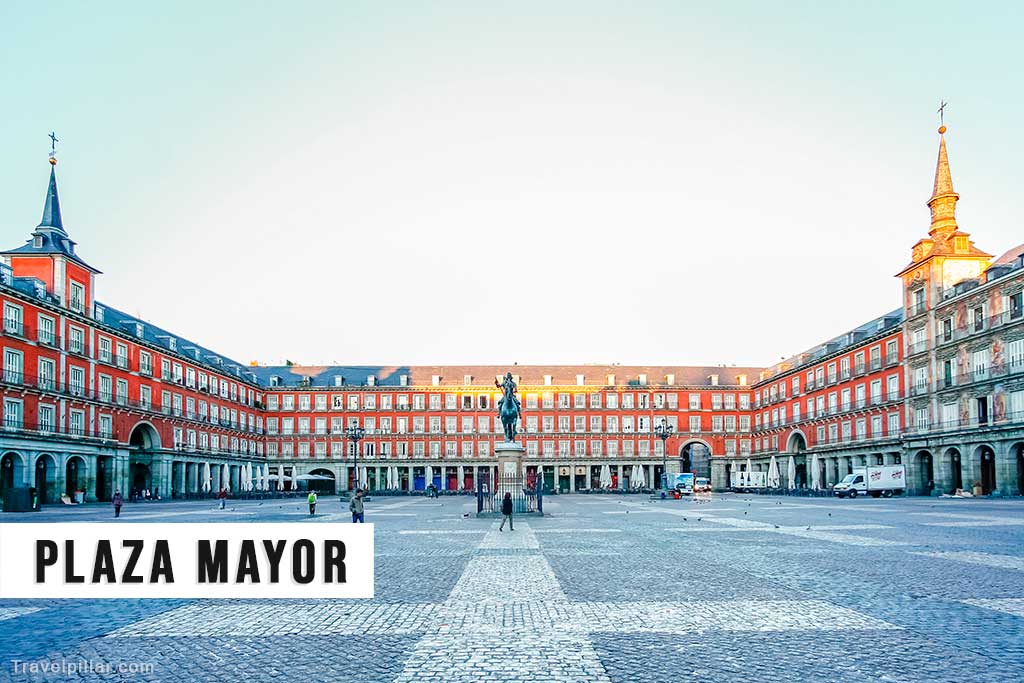
The Plaza Mayor is a historic square located in the center of Madrid, designed in the Herrerian style by architect Juan de Herrera. Completed in 1619, the square has witnessed numerous events, including markets, bullfights, and public executions. Surrounded by three-story residential buildings, the Plaza Mayor features the Casa de la Panadería and the equestrian statue of King Philip III at its center, offering visitors a glimpse into Madrid’s vibrant history.
Official website: https://www.esmadrid.com
Google map 4.6/5
Parque de El Retiro (El Retiro Park)
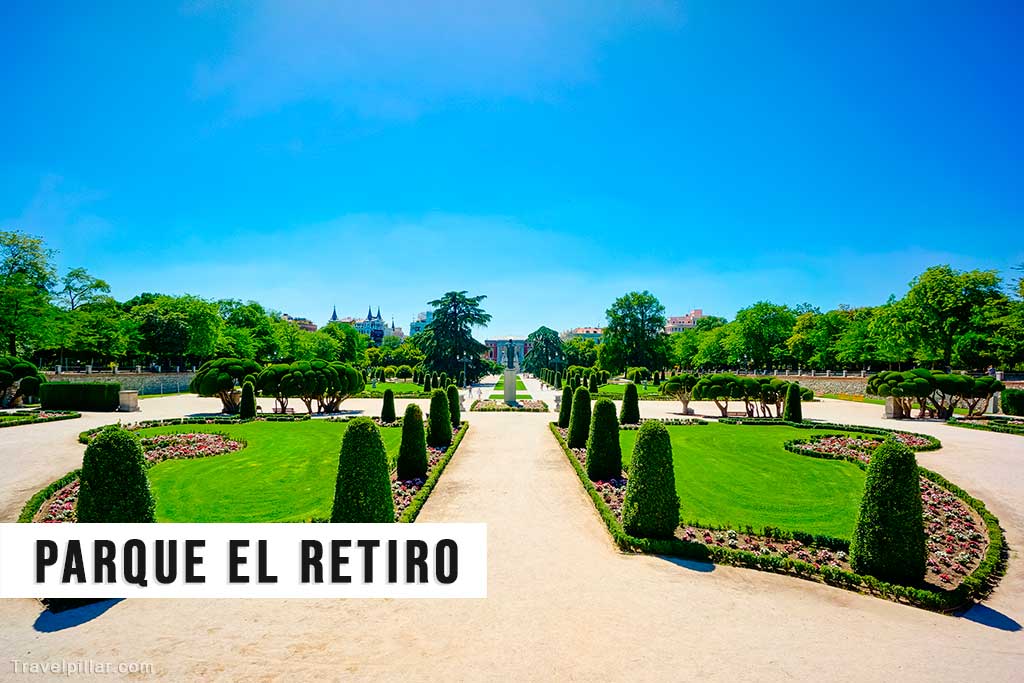
Parque de El Retiro is a sprawling 350-acre public park in central Madrid, established in the early 17th century as a retreat for the Spanish royal family. The park features numerous gardens, sculptures, and fountains, including the famous Monument to Alfonso XII and the Crystal Palace. A popular destination for locals and tourists alike, El Retiro offers various recreational activities, from boating to outdoor concerts, providing a serene escape from the bustling city.
Official website: https://www.esmadrid.com
Google map 4.8/5
National Archaeological Museum
The National Archaeological Museum (Museo Arqueológico Nacional – MAN) is a major cultural institution in Madrid, dedicated to the preservation and display of Spain’s archaeological heritage. Founded in 1867, the museum houses over 1.5 million artifacts, including prehistoric, Iberian, and Roman collections. Highlights include the Lady of Elche, the Treasure of Guarrazar, and the Bicha of Balazote. With its vast collection of artifacts and educational exhibits, the National Archaeological Museum offers visitors an insight into Spain’s rich history.
Official website: http://www.man.es/man/en/
Google map 4.7/5
Museo Thyssen-Bornemisza
Museo Thyssen-Bornemisza is a privately-owned art museum located in Madrid, showcasing an extensive collection of European and American paintings. Established in 1992, the museum features works by artists such as Rembrandt, Van Gogh, and Hopper, spanning from the 13th to the 20th century. The museum’s diverse collection offers visitors a unique perspective on the evolution of Western art, making it a must-visit destination for art enthusiasts.
Official website: https://www.museothyssen.org/en
Google map 4.7/5
Estadio Santiago Bernabeu (Real Madrid Stadium)
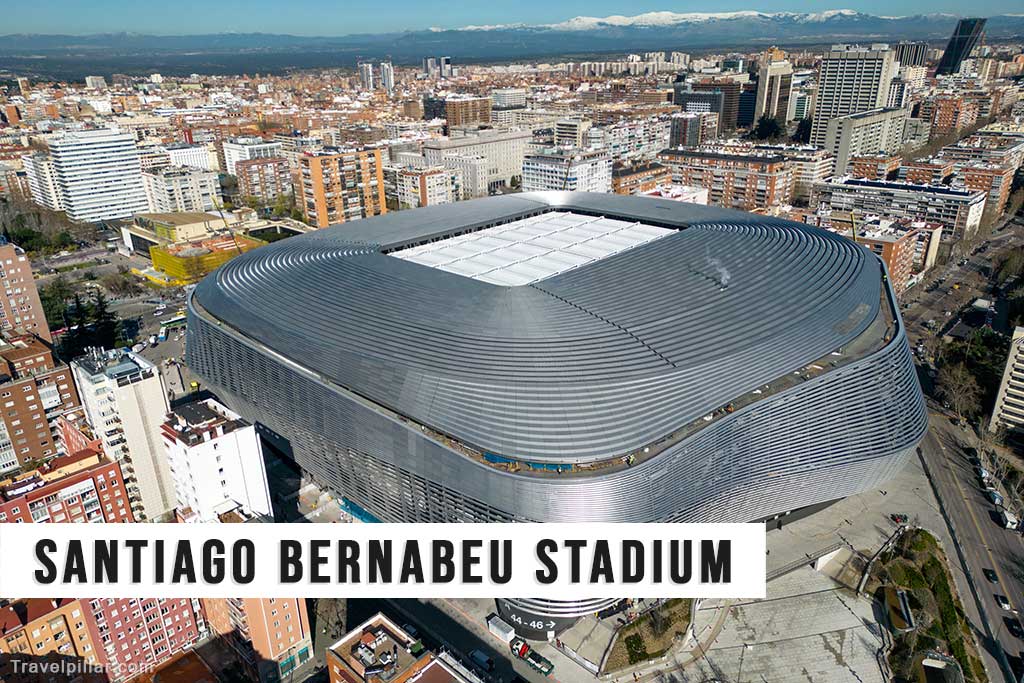
Estadio Santiago Bernabeu is the iconic home stadium of Real Madrid, one of the world’s most successful football clubs. Located in the Chamartín district, the stadium was inaugurated in 1947 and has a seating capacity of 81,044 spectators. The venue has hosted numerous significant events, including World Cup matches and UEFA Champions League finals. Guided tours provide access to the locker rooms, presidential box, and trophy room, offering fans a unique behind-the-scenes experience.
Official website:
https://bernabeu.realmadrid.com/en-US
Google map 4.6/5
Gran Via (Shopping)
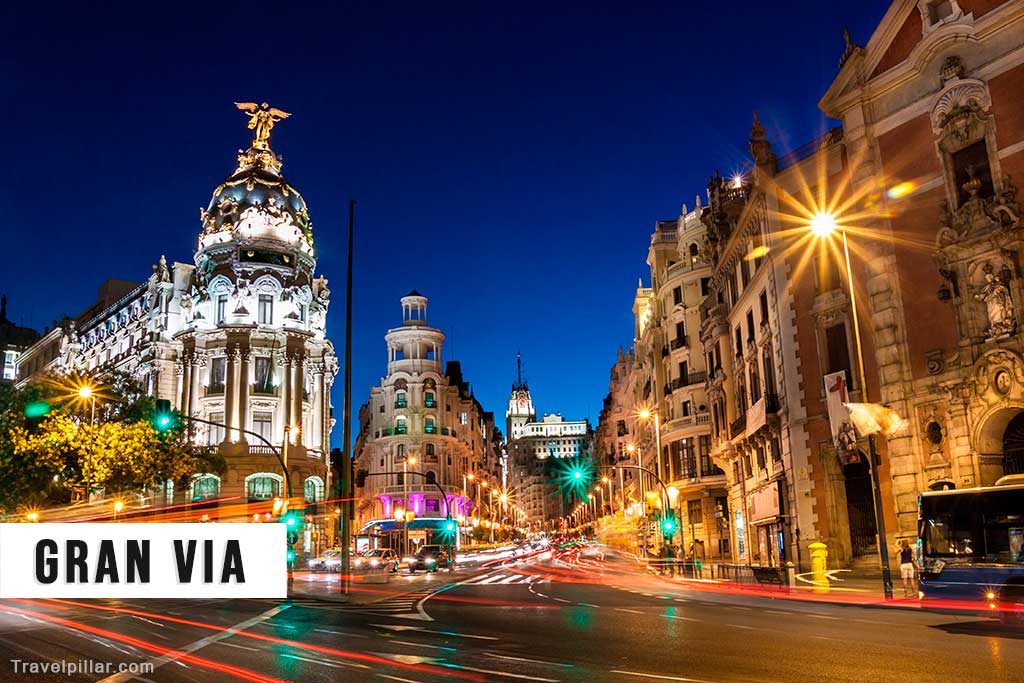
Gran Via is a bustling thoroughfare in central Madrid, known for its vibrant shopping, dining, and entertainment scene. Constructed between 1904 and 1929, the street is lined with architectural gems, showcasing a mix of Art Deco, Vienna Secession, and Neo-Mudéjar styles. Gran Via is often referred to as the “Spanish Broadway” due to its numerous theaters and cinemas. A stroll along this lively avenue is essential for experiencing Madrid’s vibrant urban culture.
Google map 4.7/5
Cibeles Fountain (Fuente de Cibeles)
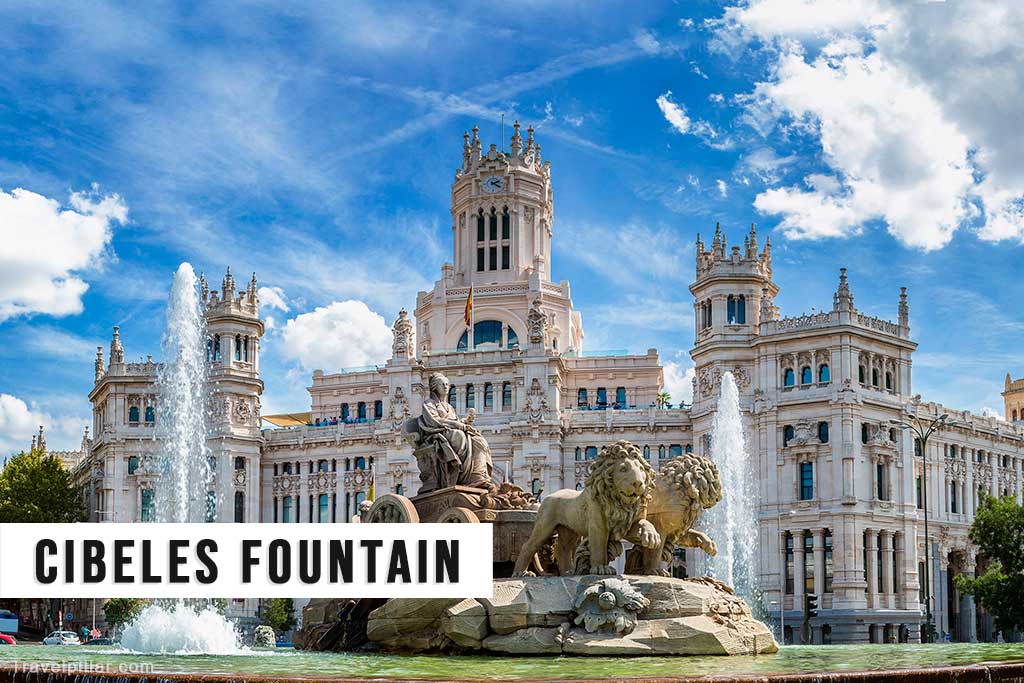
Fuente de Cibeles is a renowned fountain and monument located at the intersection of Calle de Alcalá and Paseo de Recoletos in Madrid. Designed by architect Ventura Rodríguez and sculpted by Francisco Gutiérrez and Roberto Michel, the fountain was completed in 1782. The iconic marble sculpture depicts the goddess Cybele riding a chariot pulled by lions, symbolizing the power of nature. The Fuente de Cibeles serves as an emblem of Madrid and a popular gathering point for locals and tourists alike.
Official website: https://www.esmadrid.com/en/
Google map 4.7/5
Real Monasterio de San Lorenzo de El Escorial
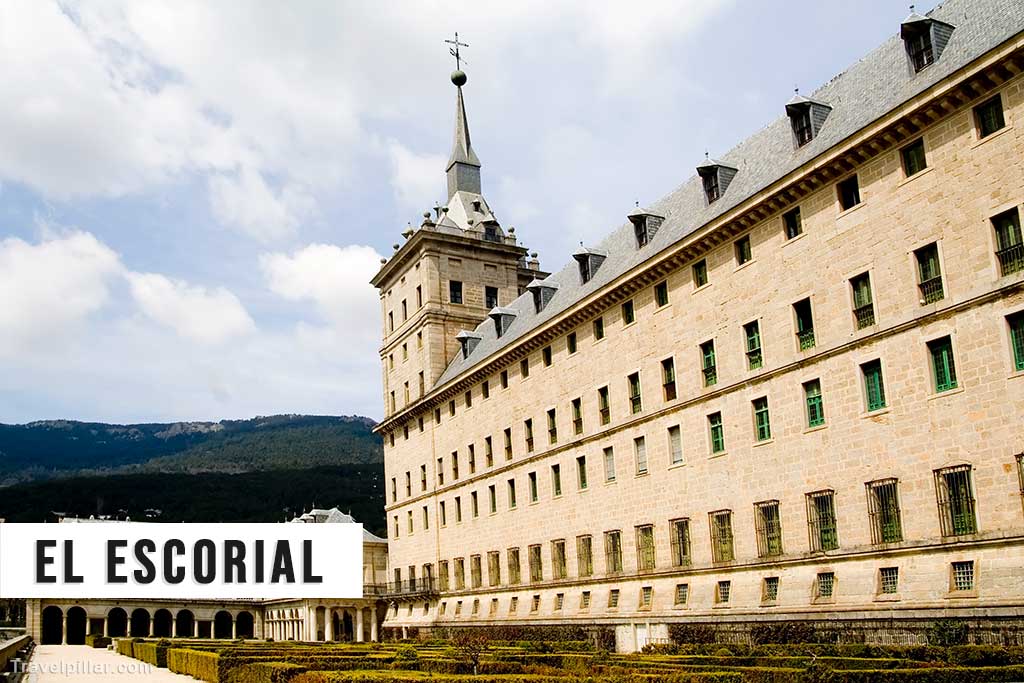
Real Monasterio de San Lorenzo de El Escorial is a historical residence and monastery situated approximately 45 kilometers northwest of Madrid. Commissioned by King Philip II, the complex was built between 1563 and 1584 as a symbol of Spain’s religious and political power. Designed by architect Juan Bautista de Toledo, El Escorial is a masterpiece of Renaissance architecture and a UNESCO World Heritage site. The complex features a library, basilica, and royal burial chambers, making it a prominent cultural and historical destination.
Official website: https://monasteriodelescorial.com (Spanish)
Google map 4.7/5
Sorolla Museum (Museo Sorolla)
Museo Sorolla is an intimate art museum located in the former residence of Spanish painter Joaquín Sorolla in Madrid. Established in 1932, the museum houses an extensive collection of Sorolla’s works, showcasing his signature impressionist style and mastery of light. Visitors can explore the artist’s studio, gardens, and personal artifacts, offering a unique insight into his life and creative process. The Museo Sorolla is a hidden gem that provides a tranquil escape from the bustling city.
Official website: https://www.cultura.gob.es/msorolla/en/
Google map 4.7/5
Royal Basilica of Saint Francis the Great
Royal Basilica of Saint Francis the Great is a prominent Roman Catholic church situated in Madrid’s La Latina neighborhood. Completed in 1784, the basilica was designed by architects Antonio Plo and Francisco Cabezas, featuring a neoclassical exterior and an impressive central dome. The interior houses an extensive collection of religious art, including works by Goya and Zurbarán. As one of the largest churches in Madrid, the Royal Basilica of Saint Francis the Great is an important religious and architectural landmark.
Official website: https://www.esmadrid.com/en/
Google map 4.7/5
Puerta de Alcalá
Puerta de Alcalá is a monumental gateway located in Madrid’s Plaza de la Independencia, near the entrance to El Retiro Park. Designed by architect Francesco Sabatini and completed in 1778, the neoclassical structure features five arches and is adorned with decorative sculptures. The Puerta de Alcalá, commissioned by King Charles III, served as the eastern entrance to the city and has become a symbol of Madrid’s historic grandeur. The landmark is a must-see for visitors interested in the city’s architectural heritage.
Official website: https://www.esmadrid.com/en/
Google map 4.7/5
Catedral de Santa María la Real de la Almudena
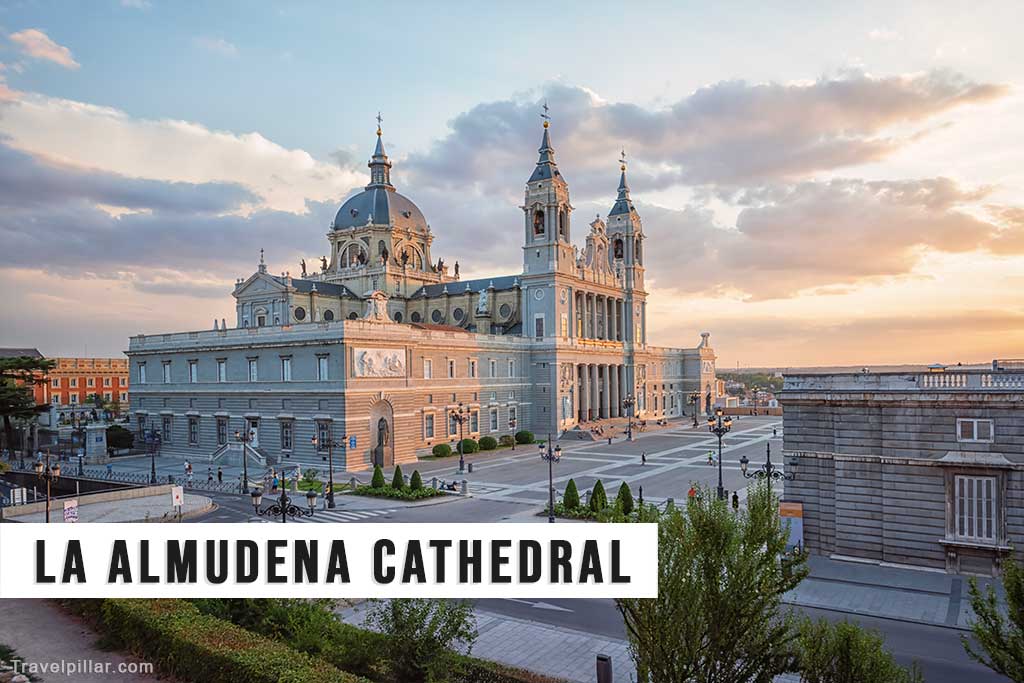
Catedral de Santa María la Real de la Almudena is the primary Roman Catholic cathedral in Madrid, located opposite the Royal Palace. Construction began in 1883 and was completed in 1993, blending a variety of architectural styles including Neo-Gothic, Neoclassical, and Neo-Romanesque. The cathedral houses a museum showcasing religious artifacts and offers stunning views of the city from its dome. As the seat of the Archdiocese of Madrid, Almudena Cathedral is an important religious and cultural landmark.
Official website: https://catedraldelaalmudena.es (Spanish)
Google map 4.6/5
Museo Nacional Centro de Arte Reina Sofia

Museo Nacional Centro de Arte Reina Sofia is a contemporary art museum in Madrid, dedicated to 20th and 21st-century Spanish art. Established in 1990, the museum houses an extensive collection of works by renowned artists such as Pablo Picasso, Salvador Dalí, and Joan Miró. The museum’s most famous piece, Picasso’s “Guernica,” is a powerful anti-war statement, attracting visitors from around the world. The Reina Sofia is an essential stop for those interested in modern art.
Official website: https://www.museoreinasofia.es/en
Google map 4.5/5
Templo de Debod
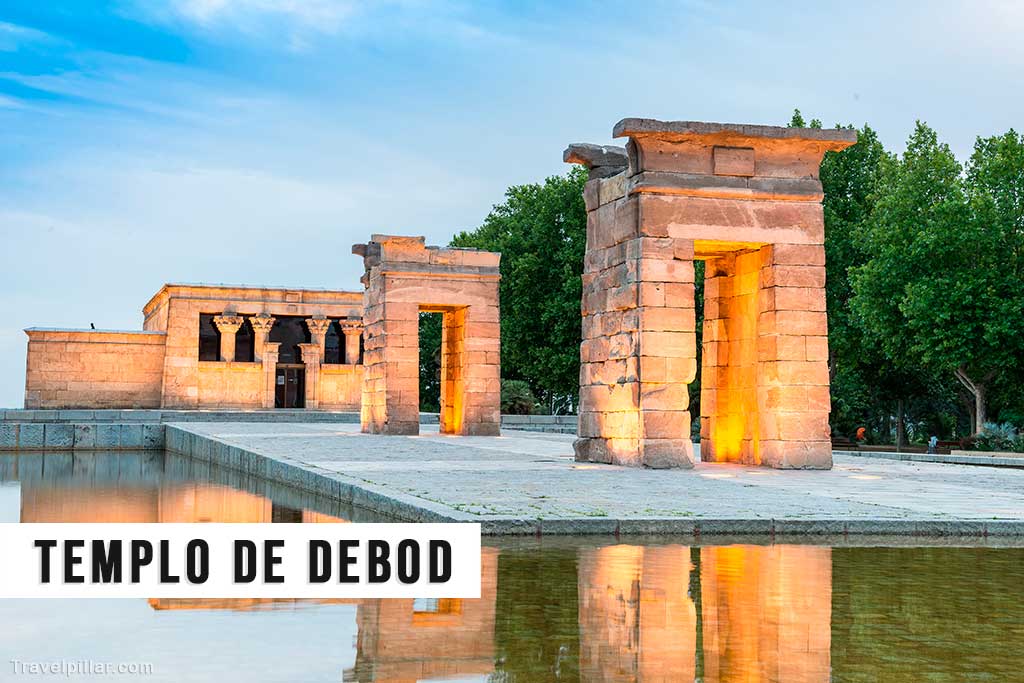
Templo de Debod is an ancient Egyptian temple situated in Madrid’s Cuartel de la Montaña Park. Dating back to the 2nd century BC, the temple was dedicated to the gods Amun and Isis. In 1968, the Egyptian government gifted the temple to Spain as a gesture of gratitude for its help in saving the Abu Simbel temples. The Templo de Debod offers a unique opportunity to explore ancient Egyptian architecture and culture within the heart of Madrid. Entrance is FREE.
Official website: https://www.esmadrid.com/en/
Google map 4.4/5
Mercado de San Miguel
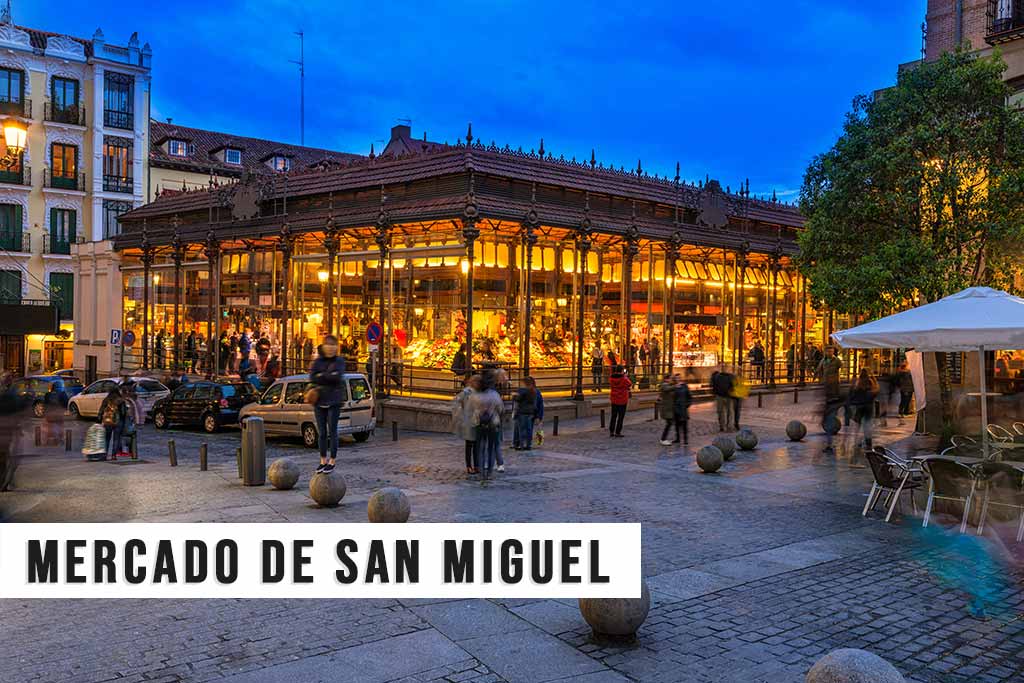
Mercado de San Miguel is a historic covered market located in central Madrid, near the Plaza Mayor. Originally built in 1916, the market was fully restored in 2009 and now serves as a gourmet food hall, featuring over 30 vendors offering a wide variety of local and international cuisine. Visitors can sample a range of tapas, fresh seafood, and artisanal products in a lively, bustling atmosphere. The Mercado de San Miguel is a popular destination for food lovers seeking an authentic Spanish culinary experience.
Official website: https://mercadodesanmiguel.es/en/
Google map 4.4/5
Museo Cerralbol
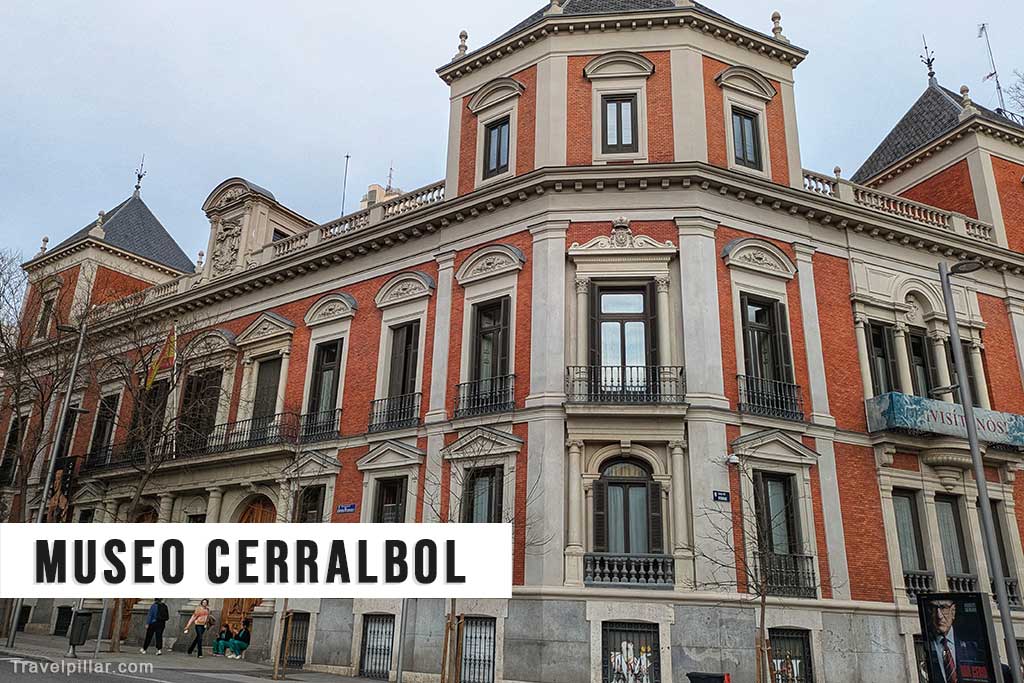
Museo Cerralbo is a lesser-known art museum located in the former residence of the 17th Marquis of Cerralbo, Enrique de Aguilera y Gamboa, in Madrid. Established in 1944, the museum showcases the Marquis’s extensive collection of art, antiques, and historical artifacts. The opulent mansion offers a glimpse into the aristocratic lifestyle of the late 19th and early 20th centuries, with richly decorated rooms and exquisite furnishings. The Museo Cerralbo is a hidden gem that provides an intimate and immersive experience of Madrid’s cultural history.
Official website: https://www.cultura.gob.es/
Google map 4.6/5
Monasterio de las Descalzas Reales
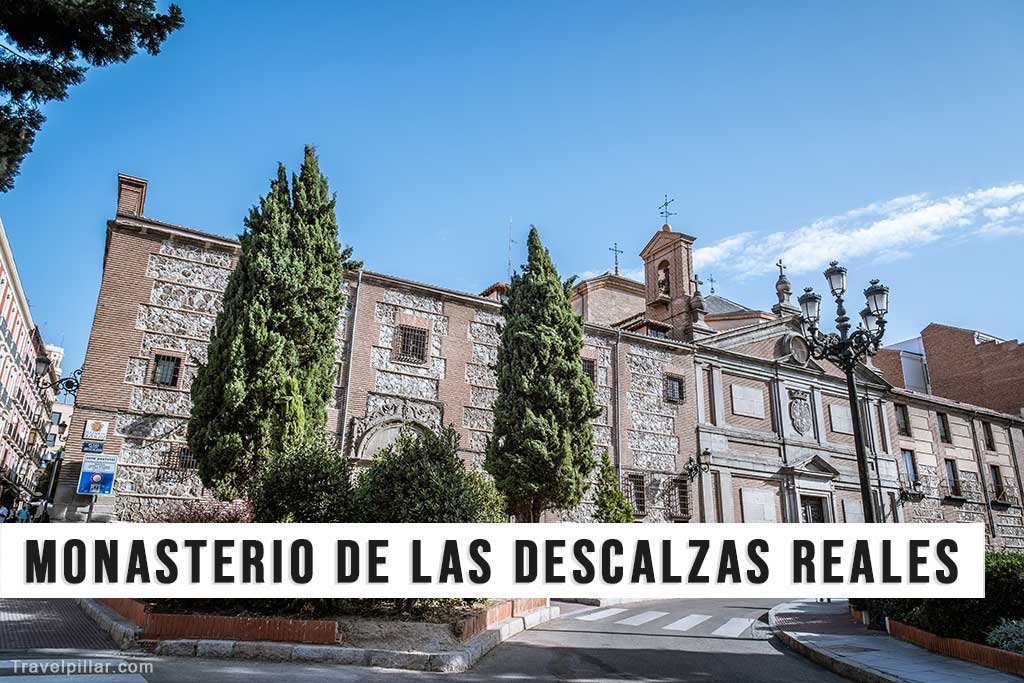
Monasterio de las Descalzas Reales is a historic royal monastery situated in the heart of Madrid. Founded in 1559 by Princess Joanna of Austria, the monastery served as a residence for noblewomen who chose to enter religious life. The building, designed in a Plateresque style, houses an extensive collection of religious art, including works by Titian, Rubens, and Velázquez. Guided tours offer visitors a glimpse into the lives of the nuns and the monastery’s rich artistic heritage.
Official website: https://www.patrimonionacional.es/en/
Google map 4.4/5
El Rastro Market

El Rastro Market is a bustling open-air flea market held every Sunday in the historic La Latina neighborhood of Madrid. Established in the 18th century, the market features over 1,000 vendors selling a wide variety of goods, including antiques, clothing, and artwork. El Rastro Market is a lively destination for bargain hunters and collectors, offering a unique opportunity to experience the authentic atmosphere of Madrid’s street markets and immerse oneself in local culture.
Google map 4.2/5
Day tour to Toledo
Taking a day tour to Toledo is a popular excursion for visitors seeking to explore the rich history and culture of Spain beyond Madrid. Located just 70 kilometers south of the capital, Toledo is a UNESCO World Heritage site, renowned for its well-preserved medieval architecture and diverse cultural influences. The city is home to notable landmarks such as the Alcázar, the Cathedral of Toledo, and the El Greco Museum. A day trip to Toledo offers a unique opportunity to experience the beauty and history of this ancient city.
Google map of Toledo
Day tour to Avila & Segovia
Another popular day tour is to Avila and Segovia which is an excellent way to discover two of Spain’s most picturesque and historically significant cities. Located approximately 110 kilometers northwest of Madrid, Avila is famous for its well-preserved medieval walls and the Convent of Santa Teresa. Segovia, situated 90 kilometers north of Madrid, boasts the iconic Roman aqueduct, the Alcázar of Segovia, and the Gothic-style Segovia Cathedral. A combined day tour to Avila and Segovia allows visitors to explore the rich architectural and cultural heritage of these historic cities.
Google map of Avila
Google map of Segovia