

Porto is the second-largest city in Portugal, situated in the northwest region along the Douro River. Established as a Roman outpost, the city boasts a rich history, with its Ribeira district, a UNESCO World Heritage site, offering a glimpse of its medieval past. Porto is known for its port wine production, with numerous cellars offering tastings and tours. The iconic Dom Luís I Bridge connects the city’s two halves, while the Livraria Lello, a historic bookstore, attracts literature and architecture enthusiasts. The city’s blend of history, culture, and gastronomy makes it a popular destination for travelers.
Google map of Porto
The Best Things to Do in Porto
Ribeira District

Ribeira District is a historic neighborhood in Porto, Portugal, recognized as a UNESCO World Heritage site. Nestled along the Douro River, the area features narrow, winding streets, colorful houses, and lively squares. Visitors can explore the district’s medieval past through its preserved architecture, such as the Church of São Francisco and the Palácio da Bolsa. The district also offers a vibrant atmosphere, with numerous restaurants, cafes, and bars showcasing Porto’s gastronomy and nightlife.
Ponte de Dom Luis I Bridge

Ponte de Dom Luís I Bridge is a double-deck metal arch bridge spanning the Douro River in Porto, Portugal. Designed by Belgian engineer Théophile Seyrig, a disciple of Gustave Eiffel, the bridge was completed in 1886. The top deck is dedicated to the Metro do Porto light rail system, while the lower deck serves pedestrians and vehicular traffic. The bridge offers stunning panoramic views of Porto and the neighboring city of Vila Nova de Gaia.
Google map 4.7/5
Clerigos Church and Tower (Igreja e Torre dos Clérigos)

Clerigos Church and Tower (Igreja e Torre dos Clérigos) is a Baroque religious complex in Porto, Portugal. Designed by the Italian architect Nicolau Nasoni, the church was completed in 1750, while the adjoining 75-meter-high tower was finished in 1763. The tower, a symbol of Porto, offers visitors 360-degree views of the city from its observation deck, accessible by climbing 225 steps. The church features an ornate, intricately carved interior and hosts occasional concerts and events.
Google map 4.5/5
Porto Cathedral (Sé do Porto)

Porto Cathedral (Sé do Porto) is a Romanesque-Gothic church in Porto, Portugal, dating back to the 12th century. Over the centuries, the cathedral underwent various architectural additions, including a Gothic cloister and a Baroque loggia. The cathedral features a fortress-like facade, with two square towers and a central rose window. The interior is adorned with 18th-century azulejos, traditional Portuguese blue and white tiles, depicting religious and historical scenes.
Google map 4.6/5
Bolsa Palace (Palacio da Bolsa)

Bolsa Palace (Palácio da Bolsa) is a neoclassical building in Porto, Portugal, built between 1842 and 1910 as the city’s stock exchange. The palace is renowned for its opulent interior, including the Arabian Hall, a Moorish Revival-style room adorned with intricate stucco work. The palace also features the Pátio das Nações, a courtyard with a glass dome, and various ceremonial rooms, reflecting Porto’s economic history. Guided tours are available for visitors to explore the palace’s architectural splendor.
Google map 4.5/5
Monument Church Of St Francis (Igreja Monumento de Sao Francisco)
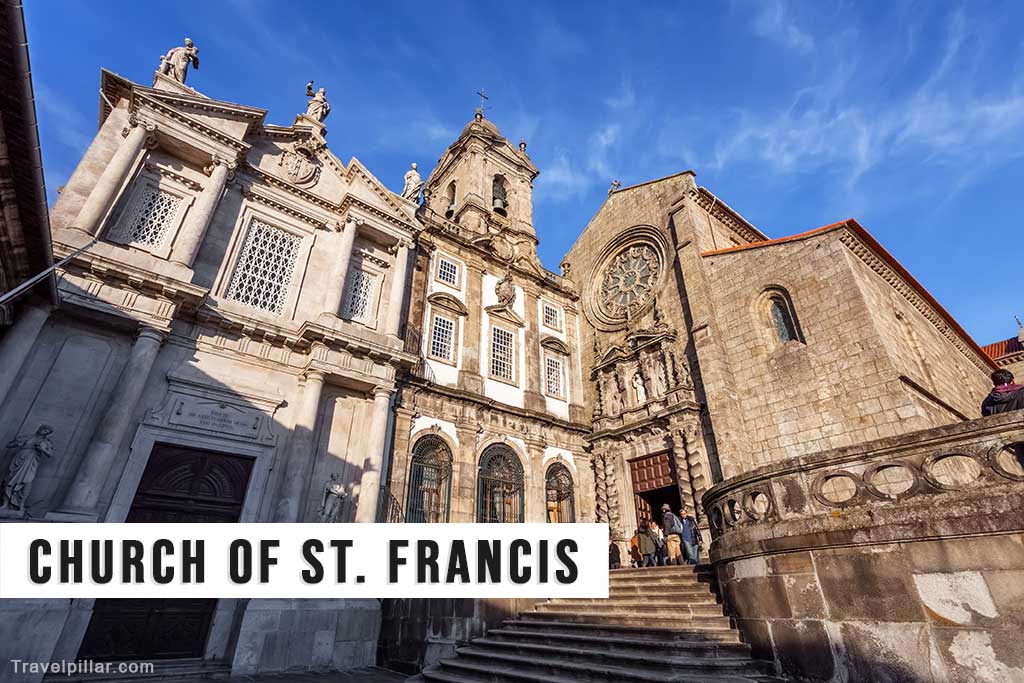
Monument Church of St. Francis (Igreja Monumento de São Francisco) is a Gothic church in Porto, Portugal, dating back to the 14th century. Known for its ornate Baroque interior, the church features extensive wood carvings and gold leaf decorations, with over 300 kilograms of gold used in its ornamentation. The church’s highlights include the Tree of Jesse, a sculptural masterpiece, and the catacombs housing the remains of Porto’s nobility.
Google map 4.4/5
Chapel of Souls (Capela das Almas)
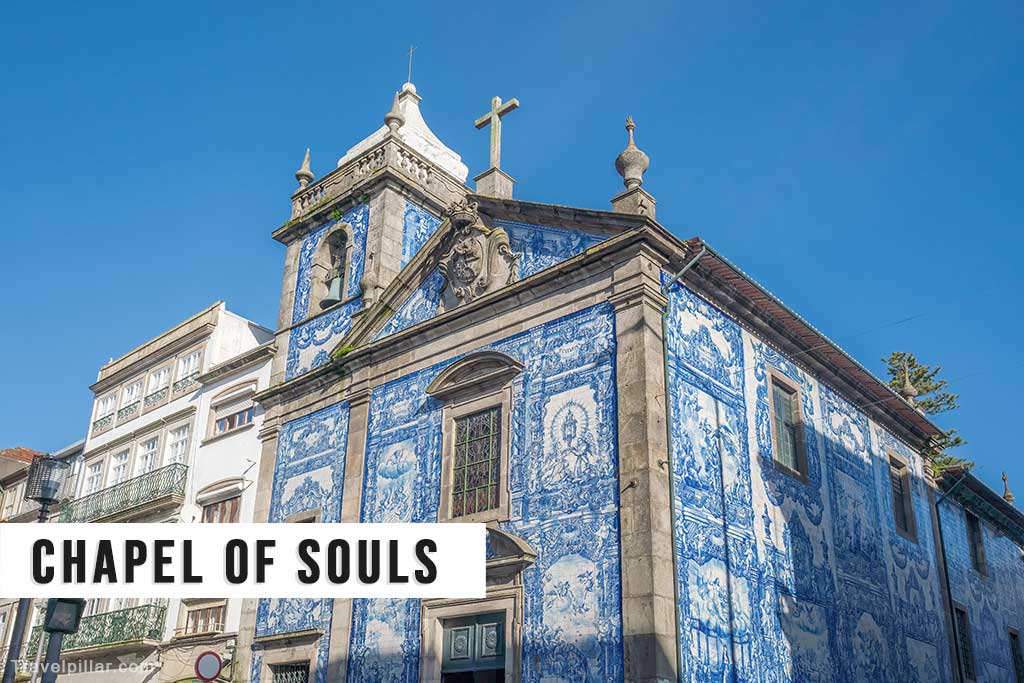
Chapel of Souls (Capela das Almas) is an 18th-century church in Porto, Portugal, renowned for its striking facade adorned with azulejos, the traditional Portuguese blue and white tiles. The tiles, created by artist Jorge Colaço in 1929, depict scenes from the lives of Saint Francis of Assisi and Saint Catherine. Located on the bustling Rua de Santa Catarina, the chapel’s vivid exterior makes it a popular photographic subject for visitors and locals alike.
Google map 4.6/5
Serralves Museum of Contemporary Art
Serralves Museum is a contemporary art museum in Porto, Portugal, housed in a striking modern building designed by the renowned Portuguese architect Álvaro Siza Vieira. Inaugurated in 1999, the museum showcases a diverse collection of contemporary artworks, including paintings, sculptures, and multimedia installations. The museum is part of the larger Serralves cultural complex, which also includes a beautifully landscaped park, the Art Deco-style Serralves Villa, and various temporary exhibition spaces.
Google map 4.4/5
Church of Santa Clara (Igreja de Santa Clara)
Church of Santa Clara (Igreja de Santa Clara) is a 15th-century Gothic church in Porto, Portugal, with an intricately decorated Baroque interior. The church’s gilded wood carvings, dating from the 17th and 18th centuries, cover the walls, pillars, and ceiling, creating an opulent, visually striking effect. The Church of Santa Clara is a hidden gem, often overlooked by tourists, offering a serene and intimate experience for those who venture inside.
Google map 4.7/5
Casa da Musica
Casa da Música is a distinctive concert hall in Porto, Portugal, designed by the Dutch architect Rem Koolhaas and inaugurated in 2005. The building’s asymmetric, angular shape creates a unique acoustic environment for various musical performances, including classical, jazz, and world music concerts. Casa da Música also serves as the home of the Porto National Orchestra and hosts various educational programs and workshops for music enthusiasts of all ages.
Google map 4.6/5
Porto São Bento (Sao Bento Station)

Porto São Bento (São Bento Station) is a historical railway station in Porto, Portugal, built in the early 20th century on the site of a former Benedictine monastery. The station’s main hall features a stunning display of approximately 20,000 azulejos, created by artist Jorge Colaço, depicting important moments in Portuguese history. The tiles, arranged in large, narrative panels, form an impressive backdrop for the bustling activity of the station, making it a must-visit landmark for travelers.
Google map 4.7/5
Livraria Lello (Book shop)
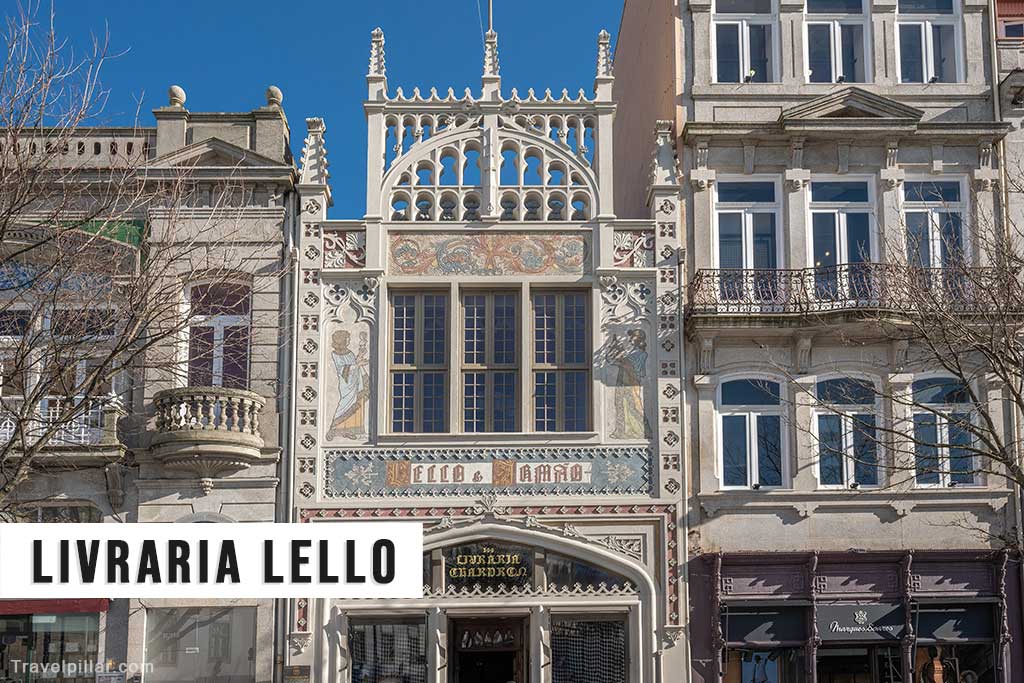
Livraria Lello (Bookshop) is an iconic bookstore in Porto, Portugal, founded in 1906 by the Lello brothers. Often cited as one of the most beautiful bookshops in the world, Livraria Lello features a neo-Gothic facade, a striking red staircase, and a stained-glass ceiling. The bookstore has gained international recognition due to its rumored connection to J.K. Rowling’s Harry Potter series, as the author lived in Porto during the early 1990s. Today, Livraria Lello attracts book lovers and architecture enthusiasts alike.
Google map 4.1/5
Jardins do Palacio de Cristal
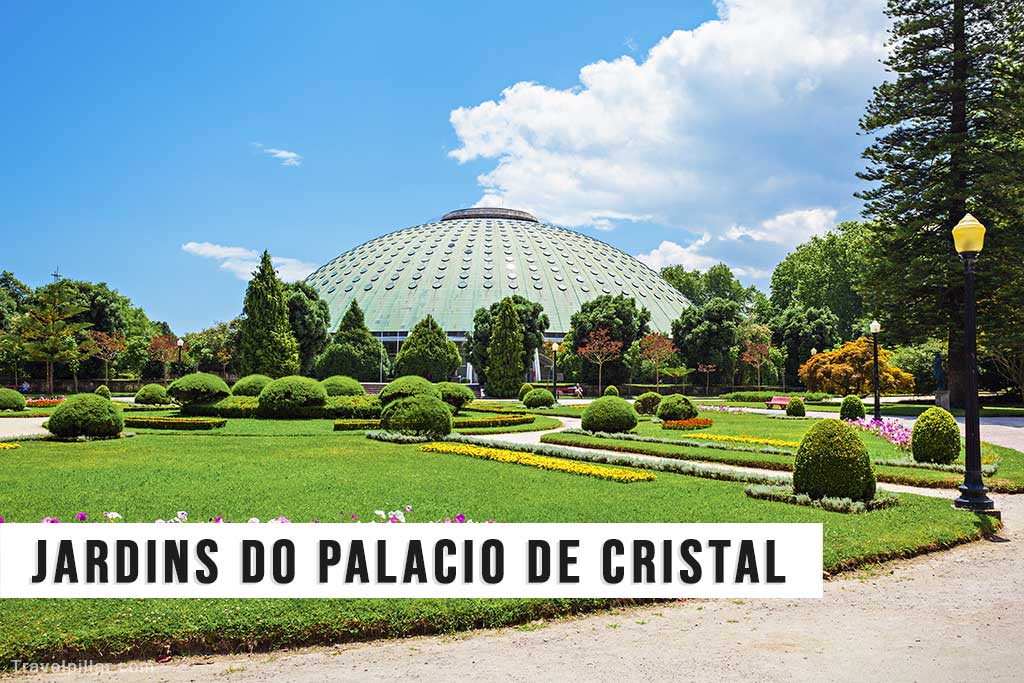
Jardins do Palácio de Cristal is a public park in Porto, Portugal, named after the Crystal Palace, a 19th-century exhibition venue that once stood on its grounds. The park features beautifully landscaped gardens, including themed areas such as the French Garden and the Rose Garden, as well as fountains, statues, and walking paths. The park’s elevated location offers stunning panoramic views of the Douro River, making it a popular spot for both relaxation and photography.
Google map 4.6/5
Jardim do Morro

Jardim do Morro is a picturesque park located in Vila Nova de Gaia, across the Douro River from Porto, Portugal. The park is situated on a hilltop, offering sweeping views of Porto and the Dom Luís I Bridge. Jardim do Morro is a popular destination for tourists and locals alike, who come to enjoy picnics, leisurely strolls, and to watch the sunset over the city’s skyline. The park is easily accessible via the Metro do Porto’s top deck.
Google map 4.7/5
Miradouro das Fontainhas
Miradouro das Fontainhas is a scenic viewpoint in Porto, Portugal, overlooking the Douro River and the city’s historic center. The viewpoint is situated in the Fontainhas neighborhood, known for its colorful houses and narrow streets. Miradouro das Fontainhas offers a less crowded alternative to other viewpoints in the city, providing a quiet and intimate spot for visitors to enjoy the picturesque views of Porto’s skyline, particularly during the annual São João Festival.
Google map 4.7/5
Farolim de Felgueiras
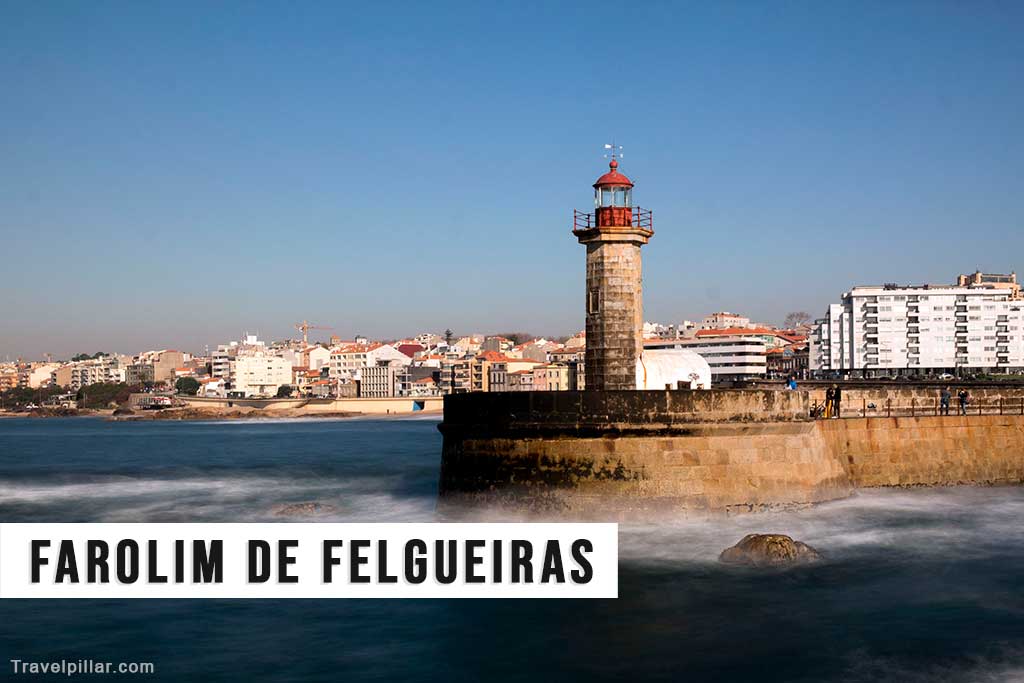
Farolim de Felgueiras is a lighthouse located at the mouth of the Douro River in Porto, Portugal. Built in the 19th century, the lighthouse stands at the end of a long pier, offering unobstructed views of the Atlantic Ocean and the surrounding coastal scenery. The pier is a popular destination for leisurely walks, with visitors and locals alike enjoying the refreshing sea breeze and the mesmerizing sight of waves crashing against the rocks.
Google map 4.7/5
Mercado do Bolhão
Mercado do Bolhão is a traditional public market in Porto, Portugal, housed in a two-story, neoclassical building dating back to 1914. The market is a hub of local commerce, with vendors selling fresh produce, meat, fish, cheese, and other regional specialties. Mercado do Bolhão offers visitors an authentic glimpse into the daily life of Porto’s residents, as well as the opportunity to purchase local ingredients and handicrafts. The market is currently undergoing renovation, with a temporary market located nearby.
Google map 4.3/5
Church of Saint Ildefonso (Igreja Paroquial de Santo Ildefonso)
Church of Saint Ildefonso (Igreja Paroquial de Santo Ildefonso) is an 18th-century Baroque church in Porto, Portugal. The church’s facade is adorned with approximately 11,000 azulejos, created by the renowned artist Jorge Colaço, depicting scenes from the life of Saint Ildefonso and other religious motifs. The church’s interior features a grand altar, gilded wood carvings, and a pipe organ. Located near the bustling Praça da Batalha, the Church of Saint Ildefonso is a striking landmark in the city.
Google map 4.5/5
Igreja do Carmo

Igreja do Carmo is an 18th-century Rococo church in Porto, Portugal, known for its elaborate facade and distinct azulejos. The church’s exterior is decorated with blue and white tiles, designed by Silvestre Silvestri, depicting scenes of the founding of the Carmelite Order and the biblical story of Mount Carmel. The church is located next to the Igreja dos Carmelitas, separated by a narrow house, which once served as a residence for nuns to prevent contact between the two religious orders.
Google map 4.5/5
Shopping in Porto
Shopping in Porto offers visitors a diverse range of options, from bustling street markets to upscale boutiques. The city’s most famous shopping street, Rua de Santa Catarina, is a pedestrian-only thoroughfare lined with international and local shops, as well as the iconic Café Majestic. The historical Bolhão Market and the modern Bom Sucesso Market provide opportunities to purchase local products and handicrafts, while the Cedofeita and Clérigos neighborhoods boast designer boutiques and concept stores.
Google map Café Majestic – Start of Rua de Santa Catarina
Google map 4.3/5 Bolhão Market
Porto Cuisine
Porto Cuisine is known for its rich flavors and hearty dishes, reflecting the city’s maritime heritage and agricultural traditions. Iconic dishes include the Francesinha, a meat and cheese sandwich smothered in a spicy tomato sauce, and Tripas à Moda do Porto, a tripe and bean stew. The city is also famous for its pastries, such as the Pastel de Nata, a custard tart, and the Bola de Berlim, a sugar-coated doughnut filled with sweet egg cream. Local seafood, cheeses, and wines round out Porto’s gastronomic offerings.
Port Wine
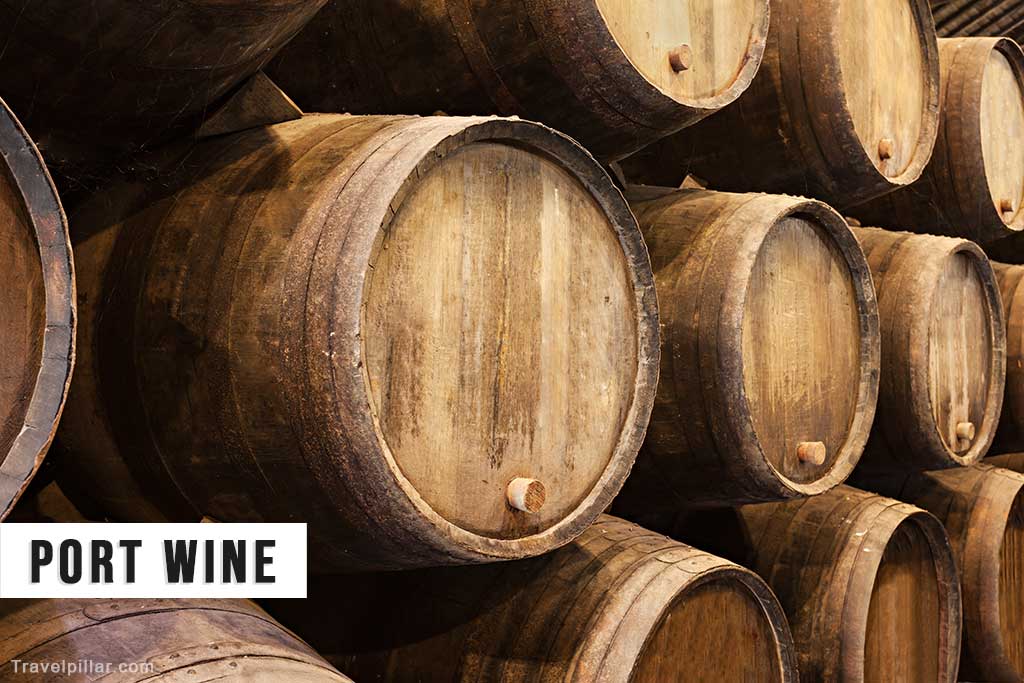
Port wine is a fortified wine produced exclusively in the Douro Valley of northern Portugal. Characterized by its rich flavors and high alcohol content, Port is typically made from a blend of native grape varieties, such as Touriga Nacional, Tinta Roriz, and Tinta Barroca. The wine is fortified with grape spirit during the fermentation process, resulting in a sweet and robust beverage. Port wine is enjoyed worldwide and is often served as a dessert wine or aperitif.
Port Tasting

Port Tasting is an essential experience for visitors to Porto, Portugal, as the city is the birthplace of port wine, a fortified wine produced exclusively in the Douro Valley. The Vila Nova de Gaia district, located across the river from Porto, is home to numerous wine cellars offering guided tours and tastings. Visitors can learn about the history of port wine, the winemaking process, and the different varieties, including ruby, tawny, white, and vintage ports, while enjoying a glass or two of this iconic beverage.