

The Maracanã Stadium, officially named Estádio Jornalista Mário Filho, is a historic football stadium located in the Maracanã neighborhood of Rio de Janeiro, Brazil. Opened in 1950 to host the FIFA World Cup, it was once the world’s largest stadium by capacity, able to accommodate nearly 200,000 spectators.
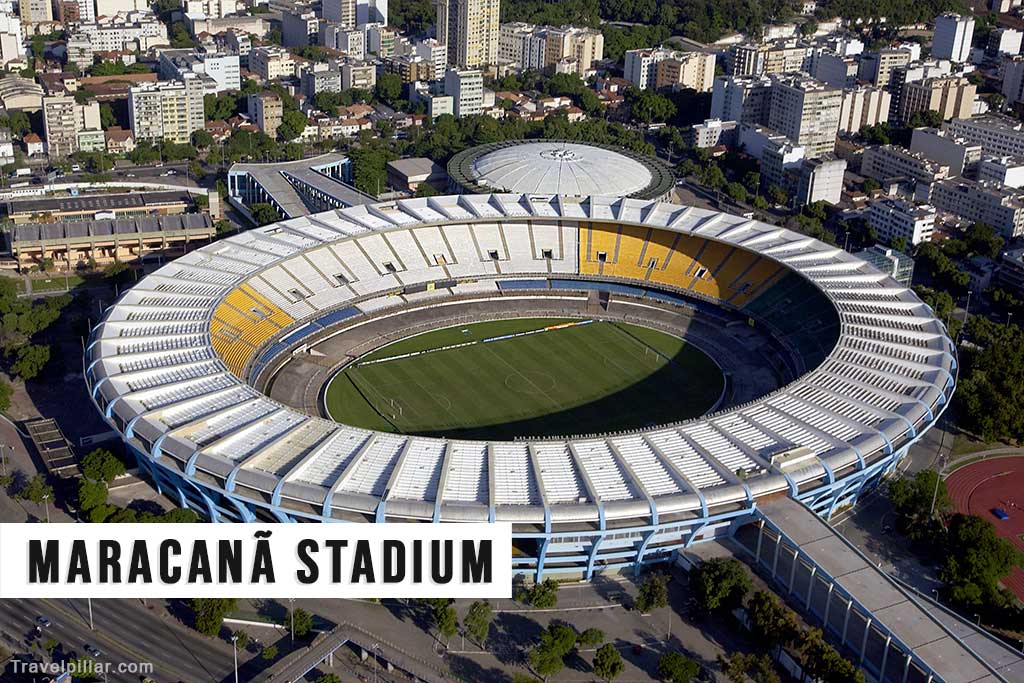
Designed by architects Waldir Ramos, Raphael Galvão, Miguel Feldman, Oscar Valdetaro, Pedro Paulo Bernardes Bastos, and Orlando Azevedo, the stadium is circular, without corners, a design that was considered innovative at the time of its construction. It is renowned for its elliptical framework, streamlined concrete structure, and large, sweeping roof.
Maracanã has been the venue for numerous significant events in football history, including the final games of the 1950 and 2014 FIFA World Cups, and the opening and closing ceremonies of the 2016 Summer Olympics. It has also hosted a variety of other events, including concerts by international music artists.
In addition to its use for sporting events, Maracanã Stadium also offers tours that take visitors through the players’ locker rooms, the press box, and onto the pitch, giving a behind-the-scenes look at the iconic venue. The stadium also houses a sports museum showcasing Brazil’s football history.
Official website: https://www.estadiodomaracana.com.br
Google map 4.7/5