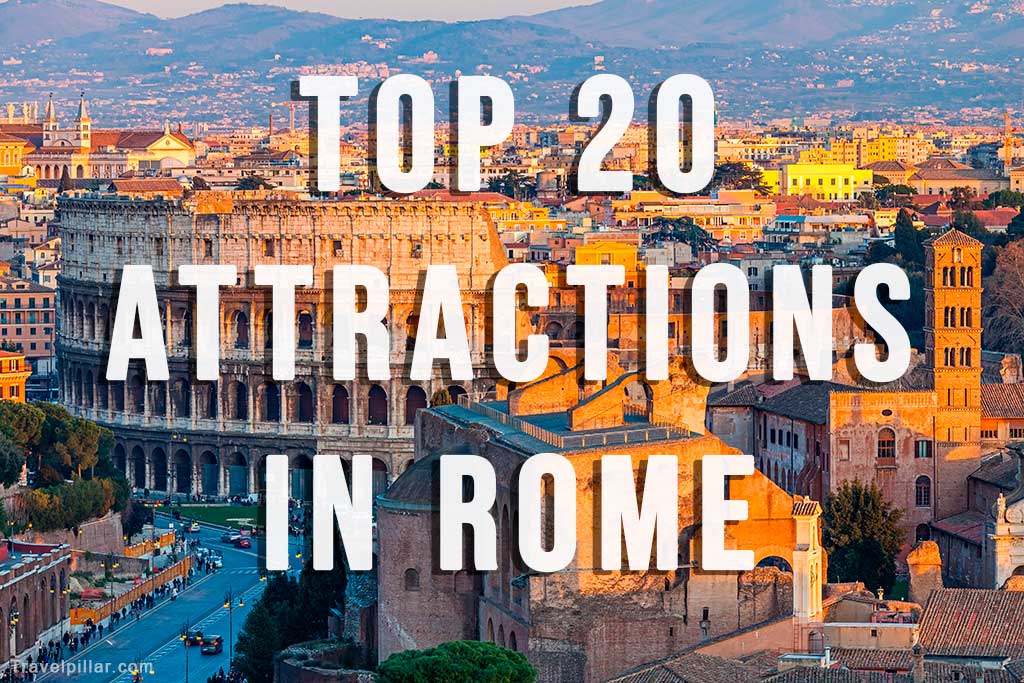
The next 20 best attractions in Rome, ranked 21 to 40, highlight additional historical, religious, and urban sites that complement the city’s major landmarks. These include landscaped gardens, important basilicas, residential neighbourhoods, and scenic viewpoints. Together, they provide a broader understanding of Rome’s urban structure, social fabric, and architectural diversity beyond its most visited monuments, offering visitors further opportunities to explore different aspects of the city’s cultural and historical environment.
#21 Villa Borghese (Gardens)
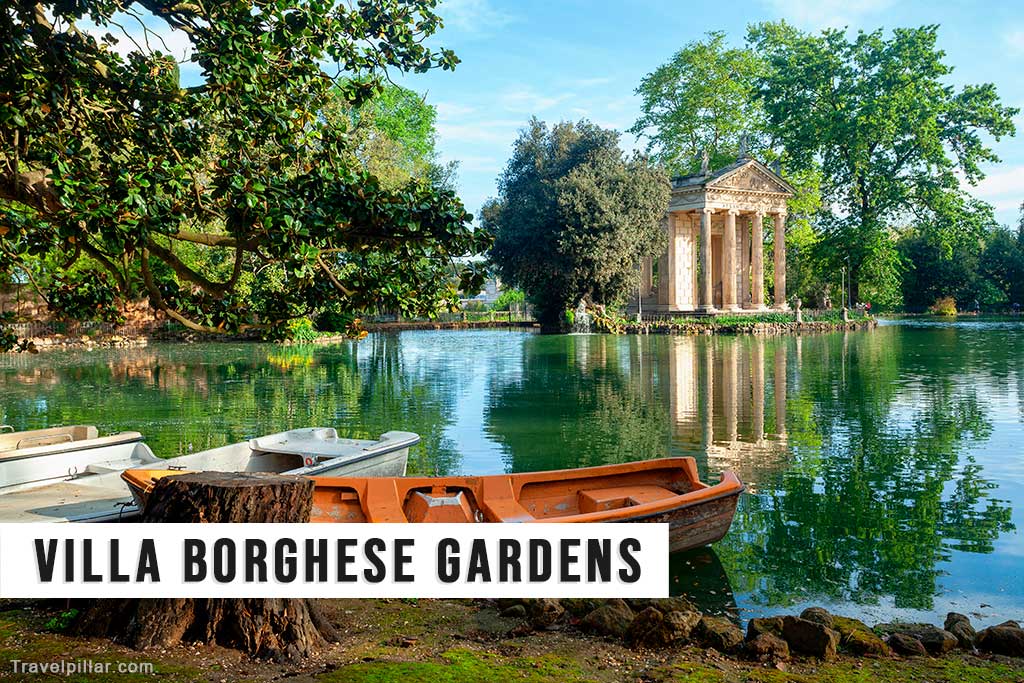
Villa Borghese Gardens is Rome’s most significant public park, covering approximately 80 hectares. It features landscaped gardens, wooded areas, lakes, and walking paths. The park contains cultural institutions such as the Borghese Gallery, Bioparco Zoo, and Casa del Cinema. Originally developed as a private estate in the 17th century by Cardinal Scipione Borghese, it now serves as a recreational and cultural space, offering visitors leisure activities alongside art collections and historic architecture.
Google map 4.6/5
#22 Spanish Steps
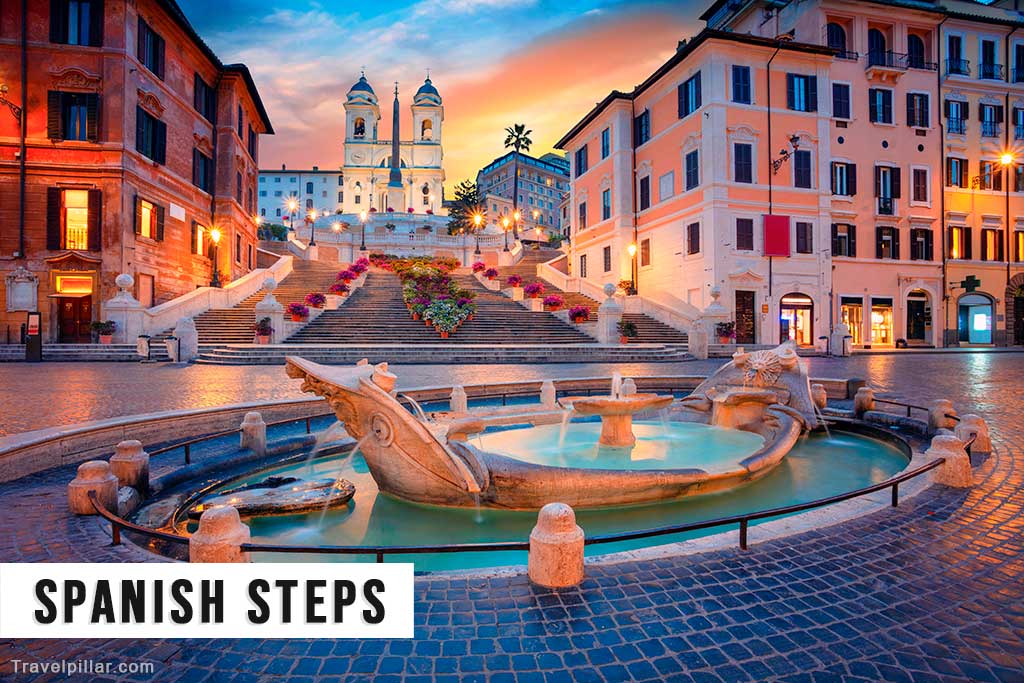
The Spanish Steps, located in Rome’s Piazza di Spagna, are an iconic 18th-century architectural feature. Designed by Francesco de Sanctis, the 135 steps connect the Trinità dei Monti Church with the piazza below. At their base lies the Barcaccia Fountain, attributed to Pietro Bernini. A popular meeting spot, the steps offer views of the surrounding area and provide access to nearby landmarks, blending elegance and functionality in the heart of Rome.
Google map 4.5/5
#23 Testaccio (Neighborhood)
Testaccio is a historic neighborhood known for its traditional Roman cuisine and lively markets. Located south of the city center, it is home to the Mercato di Testaccio, a popular food market offering fresh produce and local delicacies. The area also features notable cultural sites, such as the Pyramid of Cestius and Monte dei Cocci, an ancient Roman pottery mound. Testaccio’s vibrant nightlife and authentic eateries attract both locals and visitors.
Google map
#24 Go on a Food Tour
Embarking on a food tour in Rome offers a comprehensive exploration of the city’s rich culinary heritage. Participants can experience authentic Roman dishes, from Cacio e Pepe and Carbonara to Supplì and Carciofi alla Romana. Tours often include visits to bustling markets, traditional trattorias, gelaterias, and family-run bakeries, providing insights into local ingredients, cooking techniques, and the cultural significance of Roman cuisine. A food tour is an immersive way to experience Rome’s gastronomic delights and learn about its deep-rooted food traditions.
#25 Go for a Cooking Class
Taking a cooking class in Rome offers an interactive way to engage with Italian culinary traditions. Participants learn to prepare classic Roman dishes like Pasta alla Carbonara, Gnocchi, or Tiramisu under the guidance of local chefs. Classes often take place in professional kitchens or traditional Roman homes, providing a hands-on experience in selecting ingredients, mastering techniques, and understanding the cultural significance of Italian cuisine. A cooking class is an enriching way to immerse oneself in Rome’s food culture and bring home a taste of Italy.
#26 Basilica of San Clemente
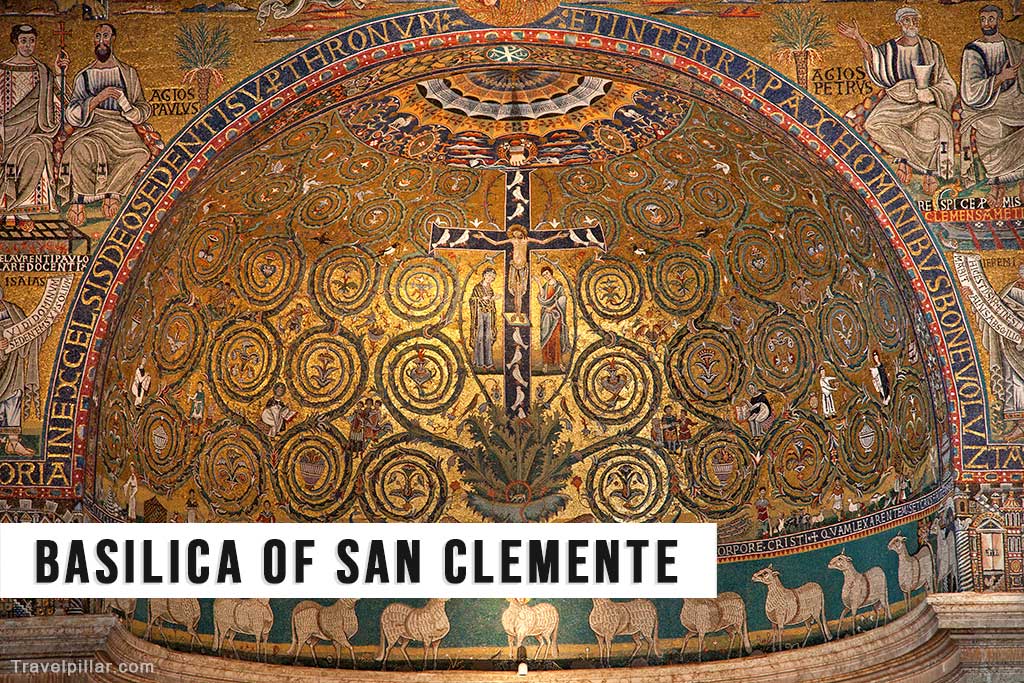
The Basilica of San Clemente is a layered architectural and historical site. Built in the 12th century, it sits atop a 4th-century basilica, which itself rests on a 1st-century Roman house and Mithraic temple. Known for its stunning mosaics and frescoes, the basilica showcases the evolution of Roman art and architecture. Its excavated lower levels provide unique insights into the city’s religious and cultural transformations over centuries.
Google map 4.7/5
#27 Basilica of Saint Mary of Minerva
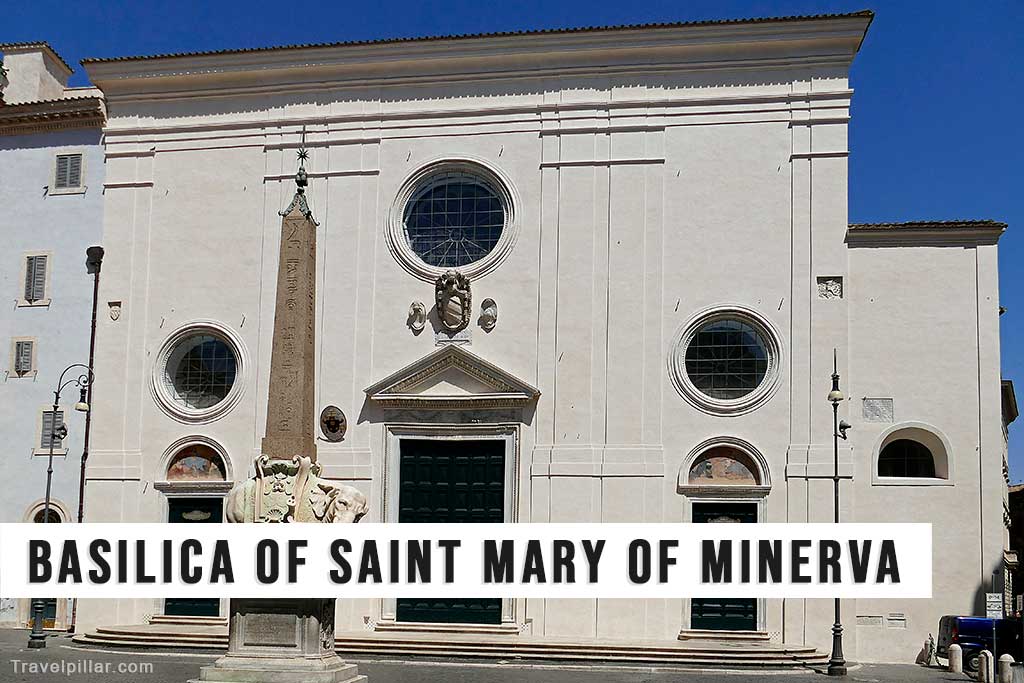
The Basilica of Saint Mary of Minerva, located near the Pantheon in Rome, is a Gothic-style church built in the 13th century. Its interior features vaulted ceilings, intricate frescoes, and significant works of art, including Michelangelo’s Christ the Redeemer. The church also houses the tombs of Saint Catherine of Siena and several Renaissance popes. Known for its striking architecture and historical importance, it remains a prominent religious and cultural site in Rome.
Google map 4.7/5
#28 Aventine Hill

Aventine Hill, one of Rome’s seven hills, is a peaceful and historic area offering stunning views of the city. Notable sites include the Basilica of Santa Sabina, an early Christian church known for its simplicity, and the Orange Garden, a tranquil park with panoramic vistas. The hill is also home to the famous Keyhole of the Knights of Malta, providing a unique perspective of St. Peter’s Basilica. Aventine Hill blends history and serenity.
Google map 4.8/5
#29 Basilica di Santa Sabina all’Aventino

The Basilica di Santa Sabina all’Aventino is a 5th-century church located on Rome’s Aventine Hill. It is one of the best-preserved examples of early Christian architecture, featuring a simple, elegant interior with original Corinthian columns and a notable 5th-century carved wooden door depicting biblical scenes. The basilica offers a serene atmosphere for reflection.
Google map 4.7/5
#30 Giardino degli Aranci (Orange Garden)

Giardino degli Aranci, or the Orange Garden, is a serene park located on Aventine Hill. Established in the 1930s, it features shaded walkways, fragrant orange trees, and a terrace offering panoramic views of the Tiber River and St. Peter’s Basilica. Known for its peaceful ambiance, the garden is a popular spot for both locals and visitors seeking tranquility and scenic beauty. Its charm lies in its simplicity and breathtaking vistas.
Google map 4.7/5
#31 The Keyhole of the Knights of Malta
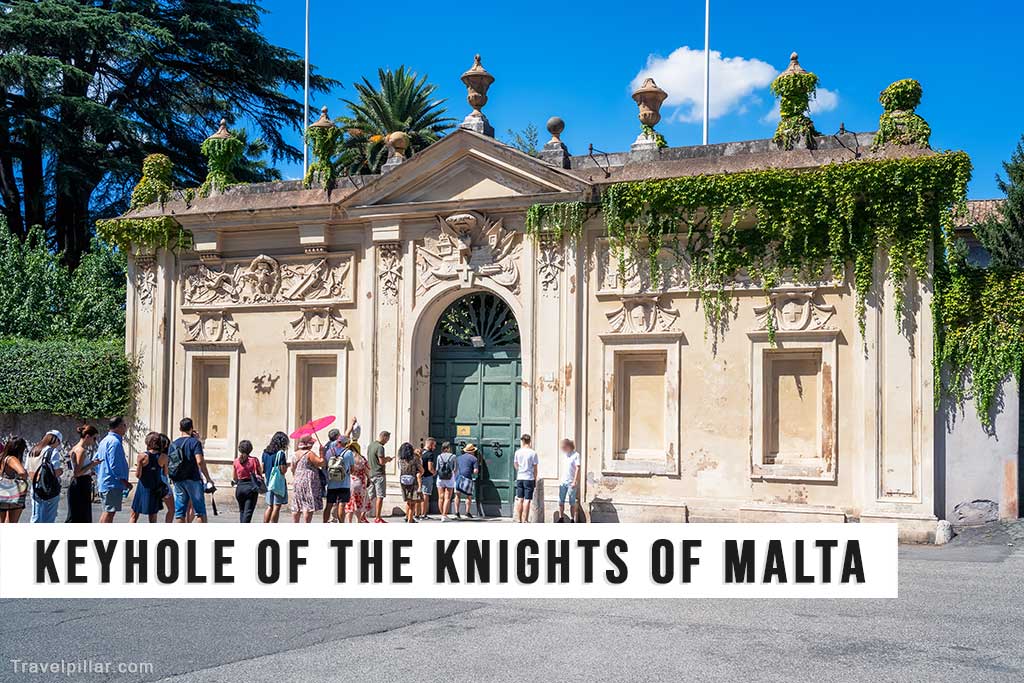
The Keyhole of the Knights of Malta, located on Aventine Hill, is a unique and intriguing attraction. Peering through the keyhole of the Villa del Priorato di Malta’s gate reveals a perfectly framed view of St. Peter’s Basilica. This alignment, blending nature and architecture, is both a curiosity and a symbol of perspective. The site, surrounded by historic charm and serene gardens, offers a subtle yet memorable experience for visitors.
Google map 4.4/5
#32 Put Your Hand in the Mouth of Truth

The Mouth of Truth (Bocca della Verità) is an ancient marble mask located in the portico of the Church of Santa Maria in Cosmedin in Rome. Dating back to the 1st century AD, the mask is believed to have served as a drain cover or fountain. It is famously associated with a medieval legend that claims it would bite off the hand of anyone who told a lie while placing their hand inside its mouth.
Google map 4.2/5
#33 Piazza del Popolo

Piazza del Popolo, located in northern Rome, is a grand neoclassical square designed by Giuseppe Valadier in the 19th century. Its central feature is an ancient Egyptian obelisk dedicated to Ramses II, surrounded by fountains. Flanked by twin churches, Santa Maria dei Miracoli and Santa Maria in Montesanto, the piazza also leads to the Pincio Terrace, offering panoramic views. Historically a gateway to Rome, it remains a vibrant cultural and architectural landmark.
Google map 4.6/5
#34 Galleria Doria Pamphilj

Galleria Doria Pamphilj is a private art gallery located in Rome’s Palazzo Doria Pamphilj. It houses an extensive collection of Renaissance and Baroque artworks, including masterpieces by Velázquez, Caravaggio, and Titian. The gallery is known for its opulent rooms and hallways, reflecting the grandeur of a noble Roman residence.
Google map 4.6/5
#35 Gallerie Nazionali Palazzo Barberini
The National Galleries of Ancient Art at Palazzo Barberini in Rome showcase a vast collection of Italian Renaissance and Baroque paintings. Housed in a 17th-century Baroque palace, the gallery features notable works by artists such as Caravaggio, Raphael, and Titian. Highlights include Caravaggio’s “Judith Beheading Holofernes” and the opulent “Triumph of Divine Providence” ceiling fresco by Pietro da Cortona.
Official website: https://barberinicorsini.org/
Google map 4.6/5
#36 Catacombs of Rome
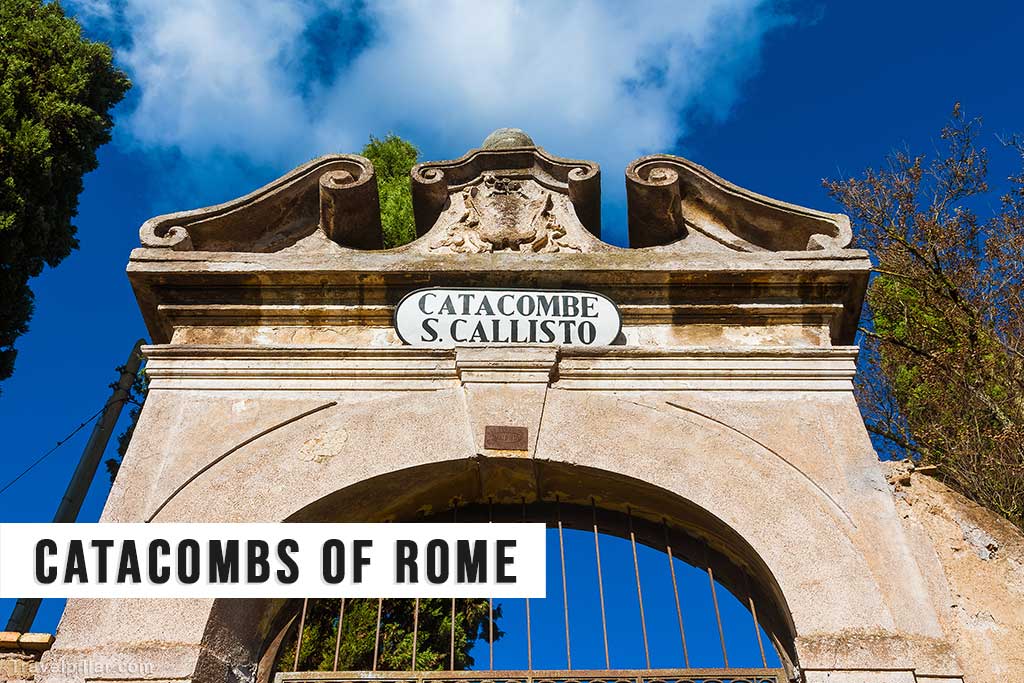
The Catacombs of Rome are a network of underground burial sites used by early Christians and Jews from the 2nd to 5th centuries AD. Located outside the city walls, these catacombs feature intricate tunnels and chambers with frescoes, inscriptions, and religious symbols. Notable sites include the Catacombs of San Callisto, San Sebastiano, and Domitilla, providing insight into early Christian funerary practices and art.
Google map (Catacombe di San Callisto) 4.6/5
Google map (Catacombe Domitilla) 4.6/5
Google map (Catacombe di San Sebastiano) 4.5/5
#37 Baths of Caracalla (Terme di Caracalla)

The Baths of Caracalla are a vast and well-preserved ancient Roman bath complex in Rome, built between 212 and 216 AD during Emperor Caracalla’s reign. Covering 25 hectares, the site features impressive ruins of the main bath chambers, gyms, and gardens. Once accommodating up to 1,600 bathers, the baths reflect Rome’s engineering prowess and social culture.
Google map 4.6/5
#38 National Museum of Rome (at the Baths of Diocletian)

The National Museum of Rome, housed in the ancient Baths of Diocletian, showcases a vast collection of artifacts spanning Roman history. Located near Termini Station, this museum highlights the grandeur of the Roman Empire through sculptures, inscriptions, and mosaics. The baths, constructed in 298 AD, were the largest of their kind and are partially preserved, offering insights into ancient engineering. The museum blends historical significance with cultural preservation in a monumental setting.
Official website: https://museonazionaleromano.it/en/
Google map 4.5/5
#39 Belvedere del Gianicolo (scenic viewpoint)
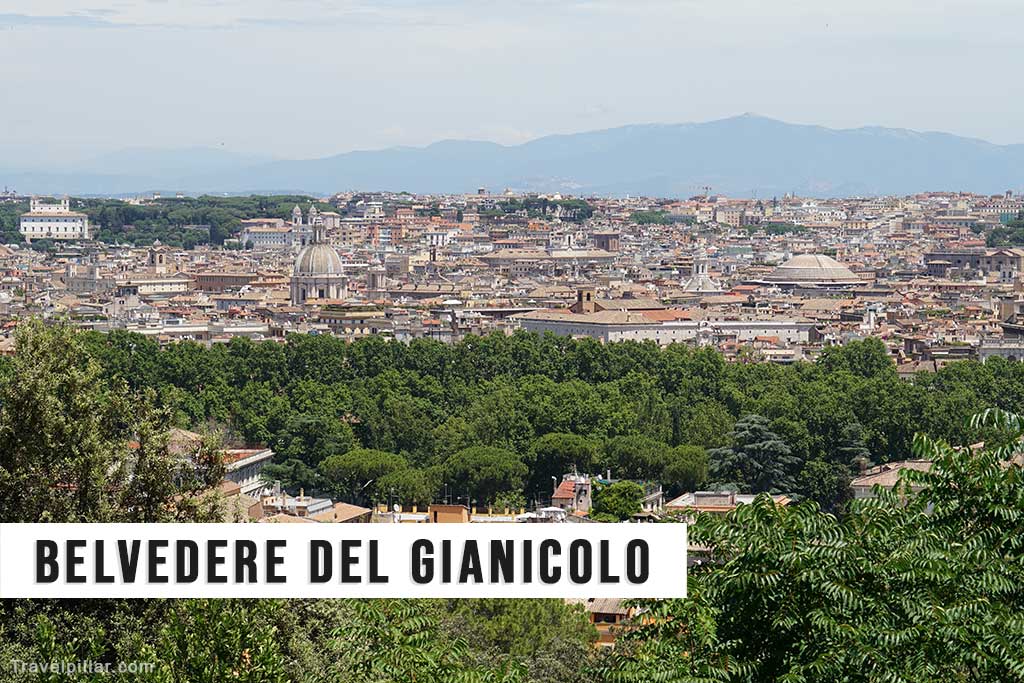
The Belvedere del Gianicolo, located on Rome’s Janiculum Hill, is a popular viewpoint offering panoramic views of the city. Overlooking Rome’s historic center, it provides unobstructed vistas of landmarks like St. Peter’s Basilica and the Pantheon. The site also features a statue of Garibaldi and is known for its daily noon cannon firing tradition.
Google map 4.6/5
#40 Campo de’ Fiori
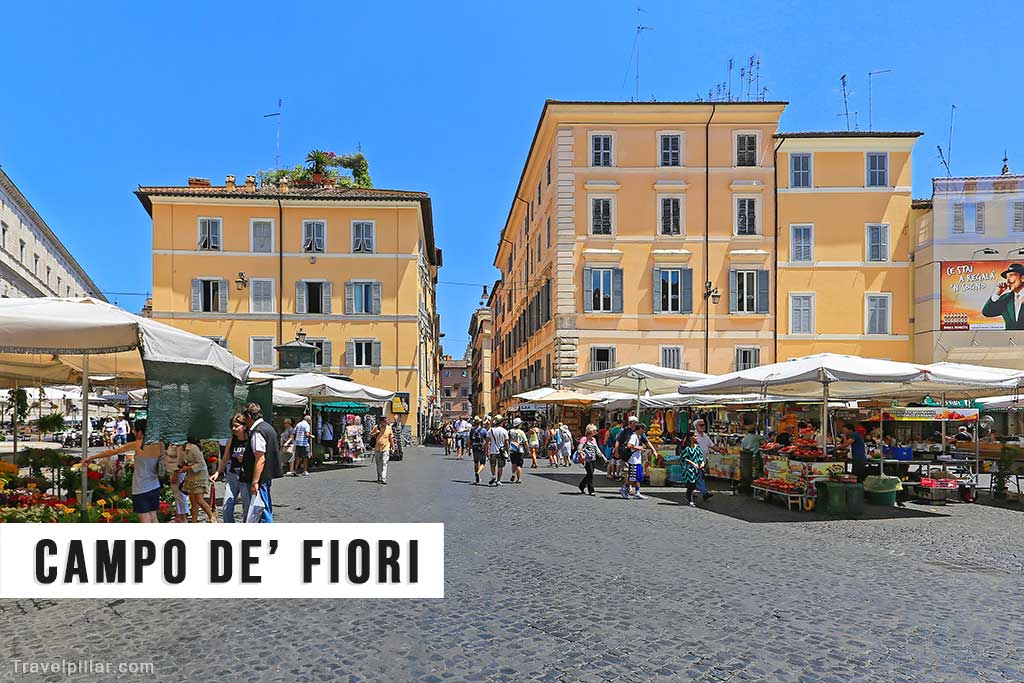
Campo de’ Fiori is a lively square in Rome known for its vibrant daily market, selling fresh produce, flowers, and local goods. The square, whose name means “Field of Flowers,” is surrounded by cafes, restaurants, and shops. It is also notable for the statue of Giordano Bruno, commemorating the philosopher executed here in 1600.
Google map 4.4/5