
The Costa de la Luz, meaning “Coast of Light”, stretches along Spain’s Atlantic coastline from Tarifa in the south to the Portuguese border in the province of Huelva. Blessed with miles of golden sandy beaches, dramatic sand dunes, historic towns and unspoilt natural landscapes, it offers a very different experience from Spain’s Mediterranean costas. While the Costa del Sol is renowned for glamorous resorts and golf courses, the Costa de la Luz is known for its relaxed atmosphere, traditional Andalusian character and some of the country’s finest beaches.
The Atlantic Ocean shapes both the scenery and the lifestyle of the region. Stronger winds and rolling waves make the coastline one of Europe’s leading destinations for surfing, windsurfing and kitesurfing, while the cooler Atlantic waters support an outstanding seafood tradition. Fresh tuna, shellfish and locally caught fish feature prominently on restaurant menus, particularly in traditional fishing towns such as Conil de la Frontera and Zahara de los Atunes.
Beyond the beaches, the Costa de la Luz is rich in history and nature. Cádiz, one of Europe’s oldest continuously inhabited cities, boasts an impressive old town, historic fortifications and a magnificent cathedral overlooking the sea. Inland, picturesque white villages perch on hilltops, while Doñana National Park protects one of Europe’s most important wetland ecosystems and provides a sanctuary for countless bird species and the endangered Iberian lynx.
The Costa de la Luz also enjoys an enviable climate, with more than 300 days of sunshine each year. Combined with its relatively undeveloped coastline and slower pace of life, this makes it an ideal destination for visitors seeking authentic Andalusia alongside beautiful beaches. Whether you’re interested in history, wildlife, watersports or simply relaxing beside the Atlantic Ocean, the Costa de la Luz offers one of Spain’s most rewarding coastal holidays.
Best Things to Do on the Costa de la Luz
Explore Cádiz

Often described as the oldest continuously inhabited city in Western Europe, Cádiz is one of Andalusia’s greatest cultural treasures. Founded by the Phoenicians more than 3,000 years ago, the city is surrounded by the Atlantic Ocean and packed with historic landmarks. Visitors can wander through its narrow streets, admire the magnificent Cádiz Cathedral, climb the Torre Tavira for panoramic views and relax in lively plazas filled with cafés and seafood restaurants. Its unique combination of history, culture and seaside atmosphere makes Cádiz an essential stop on any visit to the Costa de la Luz.
Visit Tarifa
Situated at the southernmost point of mainland Europe, Tarifa is famous for its spectacular beaches, strong Atlantic winds and laid-back atmosphere. It has become one of Europe’s premier destinations for windsurfing and kitesurfing, attracting enthusiasts from around the world. The attractive old town is enclosed within medieval walls and filled with narrow streets, independent shops and traditional tapas bars. On clear days, visitors can even see the mountains of Morocco across the Strait of Gibraltar, just 14 kilometres away.
Relax on Bolonia Beach
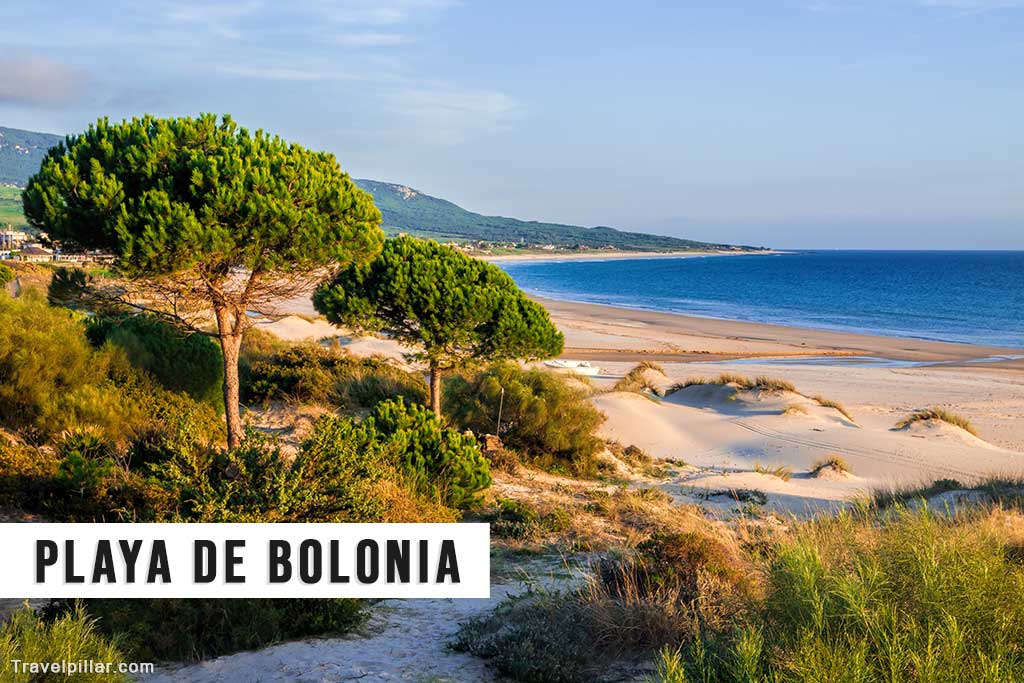
Playa de Bolonia is widely regarded as one of Spain’s finest beaches. This unspoilt stretch of golden sand is backed by one of Andalusia’s largest natural sand dunes and crystal-clear Atlantic waters. Unlike many resort beaches, Bolonia has remained largely untouched by development, giving it a wonderfully natural atmosphere. Visitors can also explore the nearby Roman ruins of Baelo Claudia, where remarkably preserved streets, temples and an ancient theatre overlook the beach.
Google map 4.8/5
Visit Doñana National Park
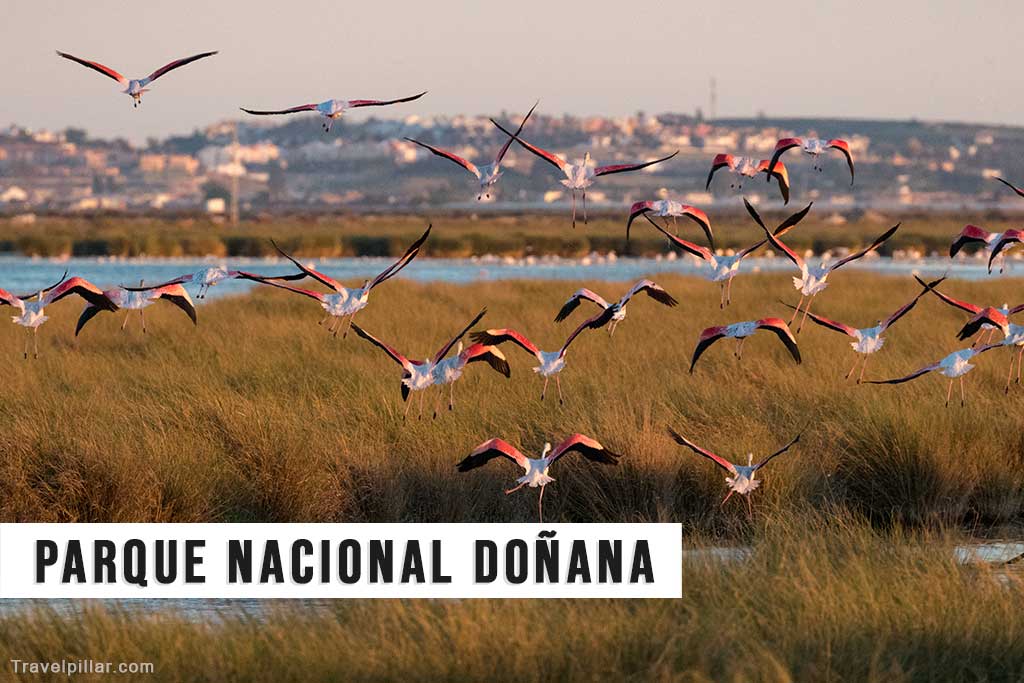
A UNESCO World Heritage Site, Doñana National Park is one of Europe’s most important wildlife reserves. Its diverse landscapes include wetlands, forests, sand dunes and lagoons that provide habitat for hundreds of bird species, particularly during spring and autumn migrations. The park is also one of the last refuges of the critically endangered Iberian lynx. Guided 4×4 tours and organised excursions allow visitors to explore this remarkable ecosystem while learning about its internationally important conservation work.
Google map 4.6/5
Discover Vejer de la Frontera
Perched on a hill overlooking the surrounding countryside, Vejer de la Frontera is widely regarded as one of Andalusia’s most beautiful white villages. Its maze of narrow cobbled streets, flower-filled courtyards and whitewashed houses reflects centuries of Moorish influence. Visitors can stroll through the historic centre, admire panoramic views from the medieval castle and enjoy excellent local restaurants serving traditional Andalusian cuisine.
Visit Jerez de la Frontera
Jerez is world-famous as the birthplace of sherry and one of the spiritual homes of flamenco. Visitors can tour historic bodegas to learn how the region’s famous fortified wines are produced before enjoying tastings of different varieties. The city is also home to the Royal Andalusian School of Equestrian Art, where spectacular performances showcase the skills of the famous Andalusian horses. Elegant squares, churches and lively tapas bars make Jerez an excellent day trip from the coast.
Go Whale and Dolphin Watching
The Strait of Gibraltar is one of Europe’s best locations for whale and dolphin watching. Boat trips departing from Tarifa offer the opportunity to see common dolphins, bottlenose dolphins and pilot whales throughout much of the year, while orcas are occasionally spotted during the summer months. The unique meeting point of the Atlantic Ocean and Mediterranean Sea creates nutrient-rich waters that attract an impressive variety of marine life.
Explore Conil de la Frontera
Conil de la Frontera has grown from a traditional fishing village into one of the Costa de la Luz’s most attractive seaside towns while retaining much of its authentic Andalusian charm. Whitewashed streets, lively squares and excellent seafood restaurants combine with beautiful sandy beaches to create a relaxed holiday destination that appeals to families and couples alike.
Best Beaches on the Costa de la Luz
Playa de Bolonia
Frequently ranked among Spain’s finest beaches, Playa de Bolonia combines soft golden sand, turquoise Atlantic waters and spectacular natural scenery. The enormous sand dune and nearby Roman ruins make it one of the most unique beaches in Andalusia.
Google map 4.8/5
Playa de la Barrosa
Located near Chiclana de la Frontera, Playa de la Barrosa stretches for several kilometres and offers excellent facilities, calm conditions and plenty of space to relax. Its Blue Flag status and family-friendly atmosphere make it one of the region’s most popular beaches.
Google map 4.7/5
Playa de Zahara de los Atunes
This beautiful beach is famous for its wide expanse of golden sand and peaceful atmosphere. Even during the summer months it rarely feels overcrowded, while the nearby fishing village is renowned for serving some of Spain’s finest bluefin tuna.
Google map 4.7/5
Playa de Los Lances
Situated beside Tarifa, Playa de Los Lances is one of Europe’s premier destinations for windsurfing and kitesurfing. The wide sandy beach and consistent Atlantic winds create ideal conditions for watersports, while the surrounding scenery is equally impressive for visitors simply wishing to relax.
Google map
Playa de Valdevaqueros
Another favourite among surfers and kitesurfers, Playa de Valdevaqueros combines golden sand with a spectacular natural setting beneath rolling dunes. Its relaxed atmosphere and dramatic scenery attract outdoor enthusiasts throughout the year.
Google map
Playa de Matalascañas
Bordering Doñana National Park, Playa de Matalascañas offers kilometres of sandy coastline and excellent facilities for families. Its location also makes it an ideal base for exploring one of Europe’s most important wildlife reserves.
Google map
Where to Stay
The Costa de la Luz offers a variety of destinations, each with its own distinct character.
Cádiz is the best choice for visitors interested in history, culture and excellent seafood. Its attractive old town, beaches and lively atmosphere make it ideal for combining sightseeing with a coastal holiday.
Conil de la Frontera offers beautiful beaches, traditional Andalusian charm and an excellent selection of restaurants. It is a favourite with families and couples looking for an authentic seaside town.
Tarifa is perfect for watersports enthusiasts and adventurous travellers. Its unique location, vibrant atmosphere and proximity to the Strait of Gibraltar make it unlike anywhere else in Spain.
Novo Sancti Petri is one of the Costa de la Luz’s leading resort areas, offering luxury hotels, championship golf courses and excellent beaches. It is particularly popular with families and golfers.
Zahara de los Atunes is a quieter destination known for its spectacular beach, relaxed atmosphere and outstanding seafood restaurants, making it ideal for couples and visitors looking to escape the busier resorts.
Visitor Information
Nearest Airports: Jerez Airport is the closest for much of the Costa de la Luz, while Seville, Gibraltar and Málaga airports provide additional international connections.
Getting Around: Hiring a car is the best way to explore the region, allowing easy access to beaches, white villages and natural parks. Trains and buses connect many of the larger towns, although public transport is more limited in rural areas.
Best Time to Visit: May to October offers warm weather for beach holidays, while spring and autumn are excellent for sightseeing, hiking and wildlife watching. The Atlantic breeze helps keep temperatures comfortable even during the height of summer.
The Costa de la Luz offers a refreshing alternative to Spain’s more developed Mediterranean coastlines. Combining vast Atlantic beaches, fascinating history, exceptional seafood and spectacular natural landscapes, it rewards visitors looking for a slower pace of life and a more authentic experience of Andalusia. Whether you’re exploring ancient cities, watching dolphins in the Strait of Gibraltar or relaxing on one of Spain’s finest beaches, the Coast of Light is a destination that leaves a lasting impression.
Explore Spain’s Other Costas
Spain’s coastline stretches for thousands of kilometres, and each Costa offers a different holiday experience. If you’re still deciding where to visit, explore our other Costa guides to find the destination that’s right for you.
Costa Brava
The Costa Brava stretches from Blanes to the French border and is famous for its rugged cliffs, hidden coves, medieval towns and artistic heritage. It’s an excellent choice for travellers looking to combine beautiful beaches with walking, culture and picturesque coastal scenery.
Costa Dorada
Meaning “Golden Coast”, the Costa Dorada is known for its long sandy beaches, calm waters and family-friendly resorts. Historic Tarragona, PortAventura World and attractive seaside towns such as Salou and Cambrils make it one of Spain’s most popular holiday regions.
Costa Blanca
The Costa Blanca combines lively beach resorts with traditional Spanish towns and over 200 kilometres of Mediterranean coastline. From Benidorm’s vibrant atmosphere to the charm of Altea, Jávea and Moraira, it offers something for families, couples and beach lovers alike.
Costa Cálida
The Costa Cálida is centred around the unique Mar Menor, Europe’s largest saltwater lagoon. Together with the historic city of Cartagena, traditional fishing villages and quieter beaches, it provides a more authentic Mediterranean experience.
Costa Tropical
Sheltered by the Sierra Nevada mountains, the Costa Tropical enjoys a unique subtropical climate where mangoes and avocados thrive. Beautiful beaches, whitewashed villages and easy access to Granada make it one of Andalusia’s hidden gems.
Costa del Sol
Spain’s best-known Costa combines excellent beaches with vibrant resorts, world-class golf courses and historic cities. Málaga, Marbella, Estepona and Nerja make it an outstanding all-round destination for holidays throughout the year.
Costa de Almería
Home to the spectacular Cabo de Gata-Níjar Natural Park, the Costa de Almería is defined by volcanic landscapes, natural beaches and one of Europe’s only deserts. It’s perfect for visitors seeking scenery, outdoor activities and a quieter side of southern Spain.