
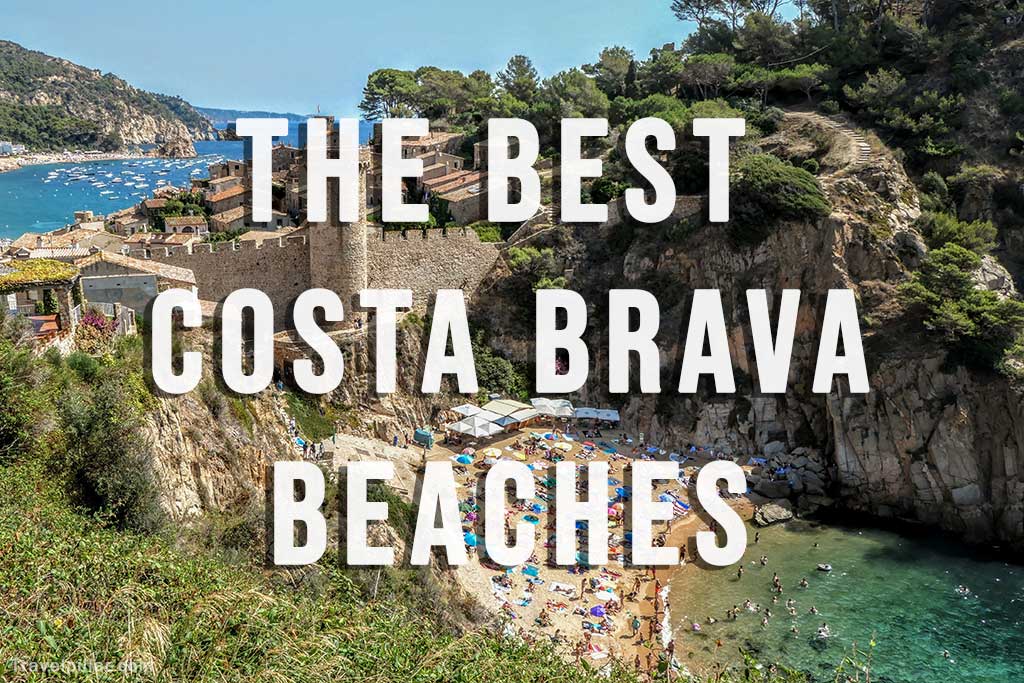
Arranged from North to South along the Costa Brava
The best beaches on the Costa Brava are arranged below in geographic order, beginning near the French border in the north and continuing south towards Blanes, often regarded as the gateway to the Costa Brava. The coastline includes long sandy beaches, small fishing coves, rugged natural bays and some of the most scenic coastal walking areas in Catalonia.
El Port de la Selva & Cadaqués (Far North)
Cala Bramant
A circular rocky inlet enclosed by steep cliffs and accessed by footpaths along the Cap de Creus coastline. The sheltered water is popular for swimming and snorkelling.
Google map 4.7/5
Cala Taballera (El Port de la Selva)
A remote pebble cove deep within Cap de Creus Natural Park, surrounded by exposed rocky scenery and reached mainly by hiking trails or boat.
Google map 4.7/5
Platja Gran (Cadaqués)
The main beach beside the whitewashed waterfront of Cadaqués, with views across the bay towards fishing boats and the historic town centre.
Google map 4.5/5
Cala Sa Sabolla (Cadaqués)
A quiet slate-rock cove south of Cadaqués reached by coastal walking routes. The beach is known for clear water and relatively undeveloped surroundings.
Google map 4.6/5
Roses & L’Escala (The Northern Gulf)
Cala Montjoi (Roses)
A deep curved bay surrounded by rocky hillsides within Cap de Creus Natural Park. The sheltered setting makes it popular for kayaking, swimming and diving.
Google map 4.5/5
Platja de Canyelles Petites (Roses)
A sheltered sandy beach east of Roses with calmer water and several restaurants overlooking the bay. Popular with families during summer.
Google map 4.7/5
Platja d’Empúries (L’Escala)
A sandy beach located beside the ancient Greek and Roman ruins of Empúries, combining coastal scenery with one of Catalonia’s most important archaeological sites.
Google map 4.6/5
Platja de L’Estartit (L’Estartit)
A long sandy beach facing the Medes Islands marine reserve, known for shallow water, watersports and views across the Bay of Roses.
Google map 4.5/5
Platja de Pals (Pals)
A broad stretch of sand backed by dunes and pine woodland, popular for walking, windsurfing and open coastal views towards the Medes Islands.
Google map 4.5/5
Begur (The Heart of the Coves)
Platja de l’Illa Roja (Pals)
A sandy beach dominated by a large reddish rock formation and backed by cliffs and pine woodland. Parts of the beach are clothing optional.
Google map 4.6/5
Platja de Sa Riera (Pals)
A wide sandy bay below Begur lined with former fishermen’s houses, restaurants and holiday apartments. One of the area’s most accessible family beaches.
Google map 4.5/5
Cala Aiguafreda (Begur)
A small rocky inlet surrounded by pine trees and low cliffs, particularly popular for snorkelling, diving and access to coastal walking routes.
Google map 4.4/5
Cala Sa Tuna (Begur)
A compact cove lined with traditional whitewashed houses and fishing boats. Calm conditions and clear water make it popular for swimming and kayaking.
Google map 4.6/5
Platja Fonda (Fornells)
A distinctive dark-sand beach below high cliffs reached by a steep staircase. The beach remains quieter than many nearby coves during summer.
Google map 4.6/5
Platja d’Aiguablava (Fornells)
One of the Costa Brava’s best-known beaches, recognised for shallow turquoise water, soft sand and a sheltered setting surrounded by pine-covered slopes.
Google map 4.3/5
Platja de Tamariu (Tamariu)
A sandy beach beside a former fishing village with a relaxed atmosphere, waterfront restaurants and easy access to nearby coastal walking routes.
Google map 4.6/5
Platja de Llafranc (Llafranc)
A curved sandy beach beside an attractive promenade and marina, popular for swimming, boating and family visits during the summer season.
Google map 4.6/5
Platja de Canadell (Calella de Palafrugell)
A central beach in Calella de Palafrugell bordered by traditional whitewashed buildings and a historic waterfront promenade.
Google map 4.6/5
Port Bo (Calella de Palafrugell)
A small urban beach recognised for its traditional fishing boats resting directly on the sand beneath the arches of the old waterfront buildings.
Google map 4.6/5
La Platgeta (Calella de Palafrugell)
A smaller sandy cove connected to the waterfront promenade and surrounded by rocky headlands, popular for swimming and quieter than nearby beaches.
Google map 4.7/5
Platja del Port Pelegrí (Calella de Palafrugell)
Platja del Port Pelegrí is a small sandy beach surrounded by traditional waterfront buildings, restaurants and sections of the Camí de Ronda coastal path.
Google map 4.6/5
Palamós (The Natural Coast)
Cala Estreta
A relatively undeveloped beach reached by walking through pine woodland, known for rocky scenery, clear water and a more isolated atmosphere.
Google map 4.6/5
Platja de Castell
A broad sandy beach protected from major urban development and backed by woodland, forming one of the most natural coastal areas on the central Costa Brava.
Google map 4.7/5
Cala s’Alguer
A small rocky cove beside historic fishermen’s huts painted in white and bright colours, preserving much of its traditional coastal character.
Google map 4.7/5
Platja de la Fosca
A wide sandy bay divided by a large dark rock formation, popular with local families due to shallow water and easy access.
Google map 4.6/5
Platja d’Aro (The Central Hub)
Cala Cap Roig (Platja d’Aro)
A sheltered sandy cove bordered by rocky headlands and pine trees, connected to nearby beaches by sections of the Camí de Ronda coastal path.
Google map 4.6/5
Cala del Pi (Platja d’Aro)
A small rocky inlet surrounded by pine-covered cliffs and clear water, popular for snorkelling and short coastal walks.
Google map 4.6/5
Cala Sa Cova (Platja d’Aro)
A compact sandy cove close to the centre of Platja d’Aro, sheltered by rocky cliffs and connected to neighbouring beaches by walking paths.
Google map 4.6/5
Cala Sa Conca / Platja Sa Conca (S’Agaró)
A broad sandy beach between S’Agaró and Platja d’Aro known for calm water, landscaped surroundings and access to scenic coastal walking routes.
Google map 4.6/5
Platja de Sant Pol (Sant Feliu de Guíxols)
A large sandy bay recognised for shallow swimming conditions and historic seafront architecture beside S’Agaró and Sant Feliu de Guíxols.
Google map 4.5/5
Tossa de Mar (The Medieval Coast)
Cala Futadera
A small cove below steep cliffs reached by a long staircase, known for clear water and relatively undeveloped surroundings.
Google map 4.4/5
Cala Pola
A deep sandy inlet surrounded by wooded cliffs with calm water suitable for swimming, kayaking and snorkelling.
Google Map 4.5/5
Platja Mar Menuda (Tossa de Mar)
A sandy beach beside rocky outcrops south of Tossa de Mar, popular for swimming, snorkelling and views towards the medieval walls.
Google map 4.5/5
Platja Gran (Tossa de Mar)
The main beach below Tossa de Mar’s fortified old town, combining a broad sandy shoreline with views of the medieval castle and towers.
Google map 4.4/5
Cala es Codolar (Tossa de Mar)
A compact cove enclosed by cliffs beside the old town walls, offering calmer water and a more sheltered atmosphere than the main beach.
Google map 4.6/5
Lloret de Mar (The Active South)
Sa Caleta Lloret
A small sandy cove overlooked by a castle-like building and enclosed by rocky headlands north of Lloret de Mar’s main beach.
Google map 4.6/5
Platja de Lloret de Mar
A long central beach in Lloret de Mar lined with hotels, restaurants and bars, popular for watersports, sunbathing and summer nightlife.
Google map 4.4/5
Platja de Fenals
A broad sandy beach separated from central Lloret by a headland, generally quieter and more relaxed than the main town beach.
Google map 4.5/5
Platja de sa Boadella
A scenic sandy cove backed by pine woodland and cliffs, known for clear water and a quieter atmosphere than nearby urban beaches.
Google map 4.6/5
Blanes (The Southern Gateway)
Platja Santa Cristina
A sheltered sandy beach surrounded by pine woodland and low hills, popular with families due to calmer swimming conditions.
Google map 4.6/5
Cala Treumal
A small sandy cove beside the botanical gardens between Blanes and Lloret de Mar, known for clear water and a protected setting.
Google map 4.5/5
Cala de Sant Francesc
A sheltered beach below residential hillsides and pine trees, offering calmer water and a quieter atmosphere than central Blanes.
Google map 4.6/5
Cala Sa Forcanera
A small rocky bay beneath the cliffs below Marimurtra Botanical Garden, mainly accessible by boat or coastal swimming routes.
Google map 4.5/5
Platja De Blanes
Google map 4.4/5
Best Costa Brava Beaches for Families
The Costa Brava contains a wide variety of family-friendly beaches ranging from long sandy bays with shallow water to quieter coves beside small coastal towns. The beaches below are among the most suitable for families due to easy access, calmer swimming conditions and nearby facilities.
Platja de Sant Pol (Sant Feliu de Guíxols)
A broad sandy bay with shallow water, a promenade and several nearby restaurants suitable for families with younger children.
Platja de L’Estartit (L’Estartit)
A long sandy beach with wide open space, shallow bathing areas and views towards the Medes Islands marine reserve.
Platja de Canyelles Petites (Roses)
A sheltered sandy beach east of Roses with calm water and a quieter atmosphere than the larger central beaches.
Platja de la Fosca (Palamós)
A gently sloping sandy bay popular with local families due to shallow water and easy parking access nearby.
Platja d’Aiguablava (Begur)
One of the Costa Brava’s best-known family beaches, recognised for shallow turquoise water and sheltered surroundings.
Platja de Tamariu
A compact beach beside a former fishing village with restaurants and calm swimming conditions during summer.
Platja Gran (Tossa de Mar)
The main beach below Tossa de Mar’s medieval walls, combining easy access with scenic surroundings and nearby facilities.
Platja de Fenals (Lloret de Mar)
A broad sandy beach separated from central Lloret by a headland, generally quieter and more relaxed than the main town beach.
Hidden Gems & Secluded Coves on the Costa Brava
Although parts of the Costa Brava are heavily developed, the coastline still contains many quieter coves hidden between cliffs, pine woodland and rocky headlands. Several are reached by sections of the Camí de Ronda coastal path.
Cala Futadera (Tossa de Mar)
A small cove below steep cliffs reached by a long staircase, known for clear water and relatively isolated surroundings.
Cala Sa Sabolla (Cadaqués)
A remote slate-rock cove south of Cadaqués accessible mainly by footpaths or boat along the rugged coastline.
Cala Aiguafreda (Begur)
A rocky inlet surrounded by pine trees and low cliffs, popular for snorkelling and quieter than nearby sandy beaches.
Cala Estreta (Palamós)
A relatively undeveloped beach reached by walking through woodland, retaining a more natural atmosphere than nearby resorts.
Cala s’Alguer (Palamós)
A small rocky cove beside historic fishermen’s huts painted in white and bright colours.
Cala del Pi (Platja d’Aro)
A sheltered rocky cove beneath pine-covered slopes with clear water and fewer visitors than nearby urban beaches.
Cala Sa Forcanera (Blanes)
A small bay below cliffs and botanical gardens, mainly accessible by boat or coastal swimming routes.
Cala Taballera (El Port de la Selva)
A remote pebble cove deep within Cap de Creus Natural Park surrounded by exposed rocky scenery.
Best Sandy Beaches on the Costa Brava
The Costa Brava is often associated with rocky coves, but it also contains several long sandy beaches suitable for swimming, walking and family visits.
Platja de Pals (Pals)
A wide sandy beach backed by dunes and pine woodland with extensive open space and views towards the Medes Islands.
Platja de L’Estartit (L’Estartit)
A broad sandy beach facing the Medes Islands, popular for watersports and family holidays.
Platja Gran (Tossa de Mar)
A central sandy beach overlooked by Tossa de Mar’s medieval walls and historic old town.
Platja de Sant Pol (Sant Feliu de Guíxols)
A large sandy bay with calm water and historic seafront buildings beside S’Agaró.
Platja de Castell (Palamós)
One of the least developed sandy beaches on the Costa Brava, backed by protected woodland and natural coastline.
Platja d’Aiguablava (Begur)
A sheltered sandy beach with shallow turquoise water and pine-covered surroundings.
Platja de la Fosca (Palamós)
A broad sandy bay divided by a distinctive dark rock formation and popular with local families.
Platja de Fenals (Lloret de Mar)
A spacious sandy beach offering a quieter alternative to central Lloret de Mar.
Best Beaches for Snorkelling
The Costa Brava’s rocky coastline and clear Mediterranean water make several beaches particularly suitable for snorkelling and marine life observation.
Cala Aiguafreda (Begur)
A rocky inlet with clear water and underwater rock formations popular with snorkelling and diving enthusiasts.
Cala Futadera (Tossa de Mar)
Known for clear water and rocky edges where marine life can often be seen close to shore.
Cala del Pi (Platja d’Aro)
A sheltered rocky cove with clear conditions and underwater rock formations suitable for snorkelling.
Cala Sa Tuna (Begur)
A sheltered cove with calm water and rocky edges used for swimming, kayaking and snorkelling.
Platja Mar Menuda (Tossa de Mar)
One of the best-known snorkelling beaches near Tossa de Mar due to clear water and nearby rocky areas.
Cala Montjoi (Roses)
A sheltered bay within Cap de Creus Natural Park known for diving centres and underwater scenery.
Cala Estreta (Palamós)
A quieter undeveloped beach with rocky surroundings and relatively clear water.
Cala Treumal (Blanes)
A small cove with calm conditions and rocky edges suitable for snorkelling close to the shoreline.
Best Beaches Near Towns & Restaurants
Several Costa Brava beaches combine attractive scenery with direct access to restaurants, promenades and nearby town centres.
Port Bo (Calella de Palafrugell)
A small beach beside waterfront restaurants and traditional fishing boats in one of the Costa Brava’s best-known coastal villages.
Platja de Llafranc
A sandy beach beside an elegant promenade, marina and waterfront cafés popular during summer evenings.
Platja de Tamariu
A compact beach lined with restaurants and small waterfront buildings in a former fishing village setting.
Platja Gran (Cadaqués)
The main beach beside Cadaqués with easy access to cafés, restaurants and the historic whitewashed town centre.
Platja Gran (Tossa de Mar)
A sandy beach below the medieval old town with restaurants, shops and coastal walking routes nearby.
Platja de Lloret de Mar
A large central beach bordered by hotels, bars, restaurants and watersports facilities.
Platja De Blanes
A broad urban beach beside Blanes promenade, marina and seafood restaurants.
Platja de Sant Pol (Sant Feliu de Guíxols)
A large sandy beach with nearby restaurants and historic seafront buildings between Sant Feliu and S’Agaró.