

Mount Lycabettus, a prominent limestone hill standing proudly in the heart of Athens, Greece, offers both a panoramic viewpoint of the city and a touch of natural splendor within the urban landscape. Reaching a height of 300 meters above sea level, this iconic hill provides a unique perspective on Athens and its surrounding landscape.

Accessible by a winding footpath or a funicular railway, the ascent to the summit of Mount Lycabettus is a journey that combines leisure and scenic beauty. The panoramic views from the top showcase the sprawling city of Athens, the Aegean Sea, and the distant Saronic Gulf, creating a breathtaking backdrop for visitors.
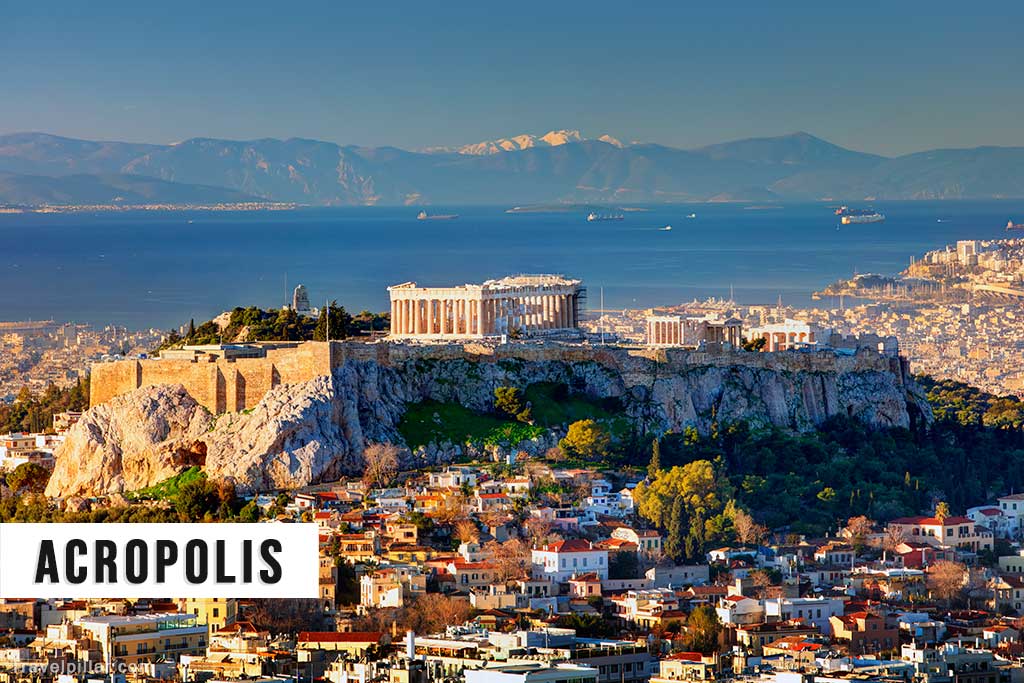
At the summit, visitors are greeted by the whitewashed St. George’s Chapel, adding a touch of cultural and historical significance to the natural beauty of the hill. The chapel, dedicated to St. George, offers a serene spot for reflection and appreciation of the hill’s spiritual heritage.
The ascent to Mount Lycabettus is not only a visual feast but also an opportunity for nature enthusiasts to explore the surrounding pine-covered slopes. The hill’s flora adds to its allure, providing a refreshing contrast to the bustling city below.
Throughout the day, Mount Lycabettus offers a different experience, from the quiet serenity of sunrise to the vibrant hues of sunset and the twinkling city lights at night. The hill is a popular destination for both locals and tourists seeking a respite from the urban hustle, as well as a unique vantage point for capturing the essence of Athens.
Mount Lycabettus, with its natural beauty and panoramic views, stands as a distinctive landmark within the Athenian landscape, inviting visitors to appreciate the harmonious coexistence of nature and city life in this ancient metropolis.
Official website:
https://www.lycabettushill.com/
Google map 4.8/5 (Summit)
Google map 4.1/5 (Cable car up to the top of the Mount Lycabettus)