
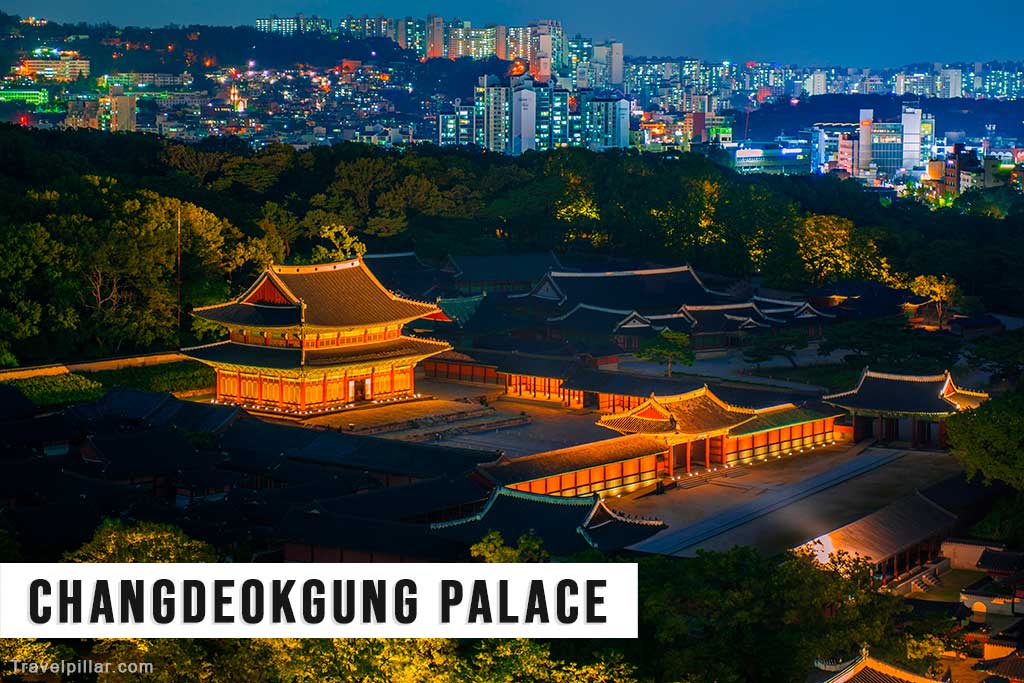
Changdeokgung Palace, located in the Jongno district of Seoul, is one of the Five Grand Palaces built by the Joseon Dynasty. Constructed in 1405 under King Taejong, it became the principal royal residence for many Joseon monarchs. Recognised as a UNESCO World Heritage Site in 1997, it is noted for the way its architecture harmonises with the surrounding natural landscape.
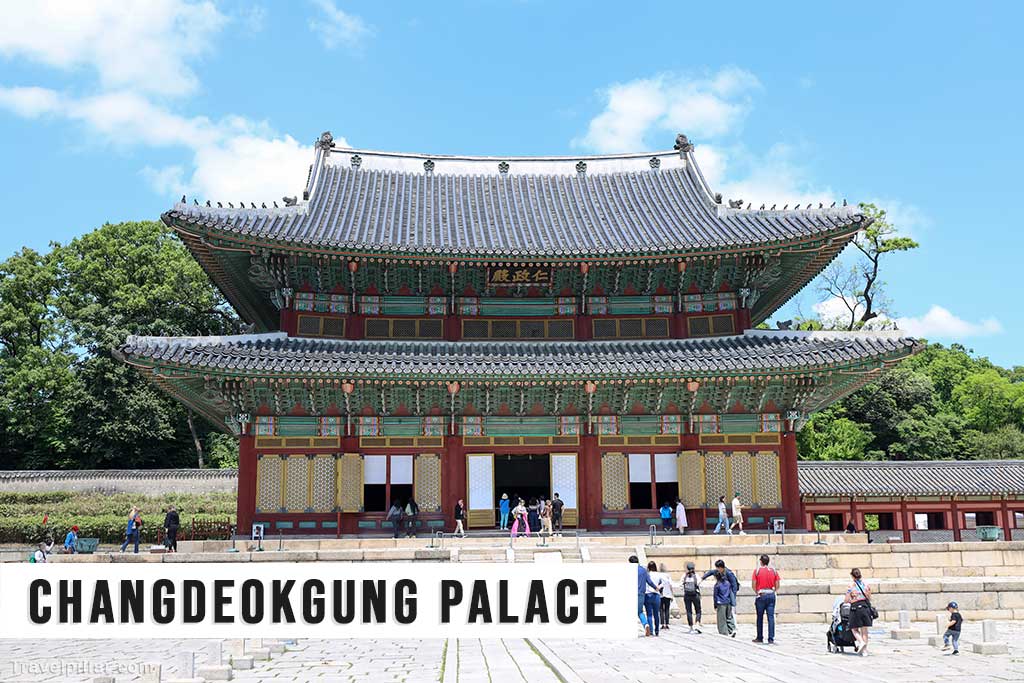
Unlike the symmetrical layouts typical of Chinese palaces, Changdeokgung was designed to adapt to the topography of its hilly site. Its buildings and courtyards are arranged asymmetrically, creating a setting that integrates architecture with gardens and wooded slopes. The main structures include Injeongjeon Hall, used for official ceremonies, and Seonjeongjeon Hall, where state affairs were conducted. Daejojeon served as the queen’s residence, while Huijeongdang was used as the king’s office and later adapted with modern features during the 20th century.
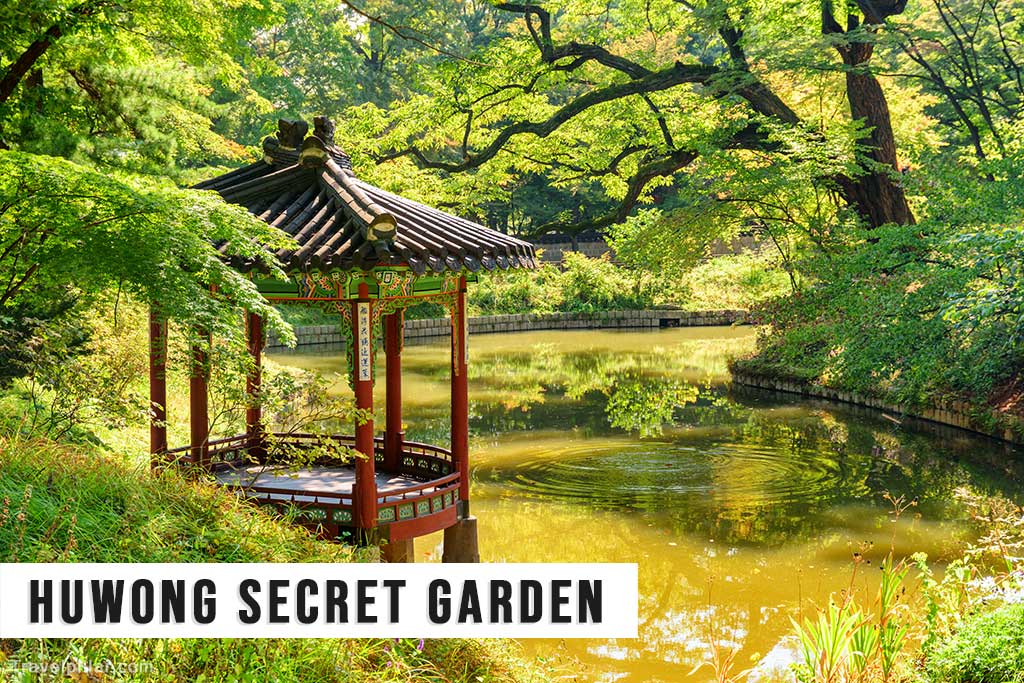
The palace is most renowned for its Huwon, or Secret Garden, a 78-acre rear garden reserved for the royal family. The garden contains pavilions, lotus ponds, and landscaped areas used for study, leisure, and official gatherings. Its design emphasises balance between built structures and natural scenery, reflecting Confucian principles of order and simplicity.
Changdeokgung suffered destruction during Japanese invasions in the late 16th century but was rebuilt in the early 17th century. It continued to function as a royal residence until the end of the monarchy in the early 20th century. Despite later changes, it remains the best-preserved of Seoul’s Joseon palaces.
Today, Changdeokgung Palace is open to the public, with guided tours available for both the palace grounds and the Secret Garden. It illustrates the political, cultural, and architectural traditions of the Joseon Dynasty, while its preserved setting provides insight into how Korean royal life was integrated with nature.
Official website: https://royal.khs.go.kr/ENG/main/index.do
Google map 4.7/5