

Bangkok’s canals, known locally as khlongs, were once the primary transportation network of Bangkok city and played a central role in its early development. Before modern roads were constructed in the late nineteenth and early twentieth centuries, most travel and trade in the Thai capital took place by boat. The waterways connected the Chao Phraya River with surrounding farmland and neighbourhoods, allowing agricultural produce and goods to be transported directly into the city. Because of this extensive network, Bangkok was frequently described by early European visitors as the “Venice of the East.”
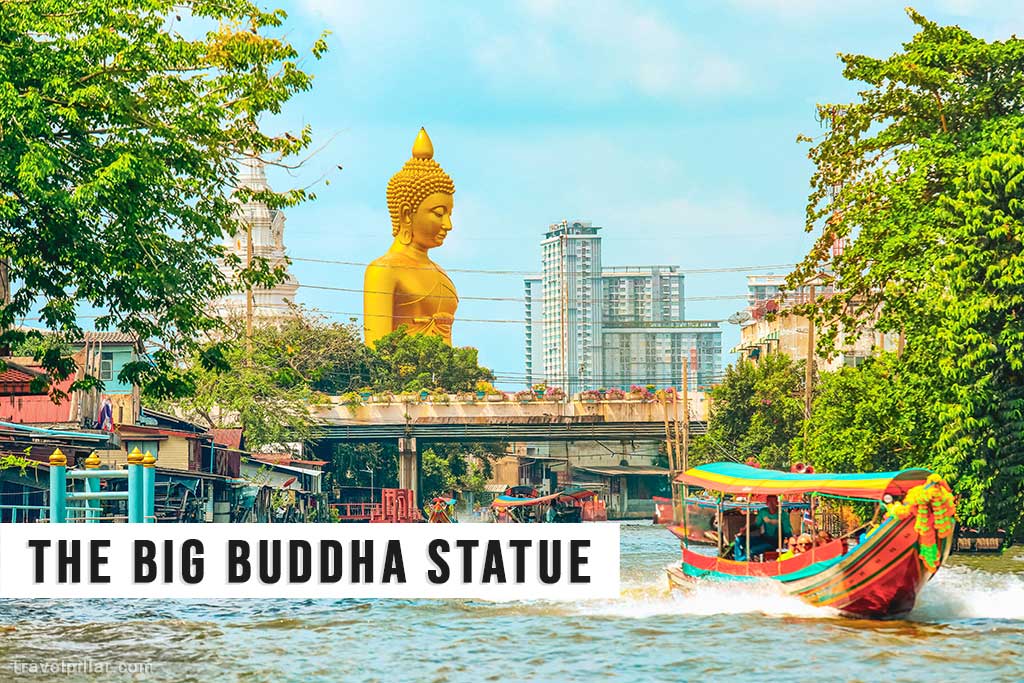
Many canals were later filled in to create roads as the city modernised, but a substantial network still survives, particularly in the Thonburi district on the western side of the Chao Phraya River. Here visitors can still see traditional wooden houses built on stilts along the canal banks, small temples facing the water, and local communities that continue to use the waterways for daily transport. Travelling through these quieter areas offers a clear contrast to the modern skyline and busy streets of central Bangkok.
One of the most popular routes follows Khlong Bangkok Noi and Khlong Bangkok Yai, two historic canals that branch from the Chao Phraya River. Boat trips typically pass temples, small riverside markets and historic homes, giving visitors an insight into the city’s earlier way of life. The canals also provide access to attractions such as Wat Paknam Phasi Charoen and the Artist’s House at Khlong Bang Luang, a restored traditional residence that now hosts cultural exhibitions and puppet performances.
Visitors can explore the canals by hiring a long-tail boat from major river piers such as Tha Chang, Tha Tien or Sathorn Pier. Private boats can be chartered for one to two hours, while some organised tours include visits to floating markets or temples along the route. Early morning is generally the most comfortable time to travel, as temperatures are lower and the canals are less busy.
When planning a canal trip, visitors should confirm the price before boarding a private boat and agree on the duration and route in advance. Wearing sun protection and bringing drinking water is advisable, as most boats are open to the sun. A canal tour provides a practical and informative way to understand Bangkok’s historical layout and the role waterways played in shaping the city.
Google map Tha Chang Pier
Google map Tha Tien Pier
Google map Sathorn Pier