
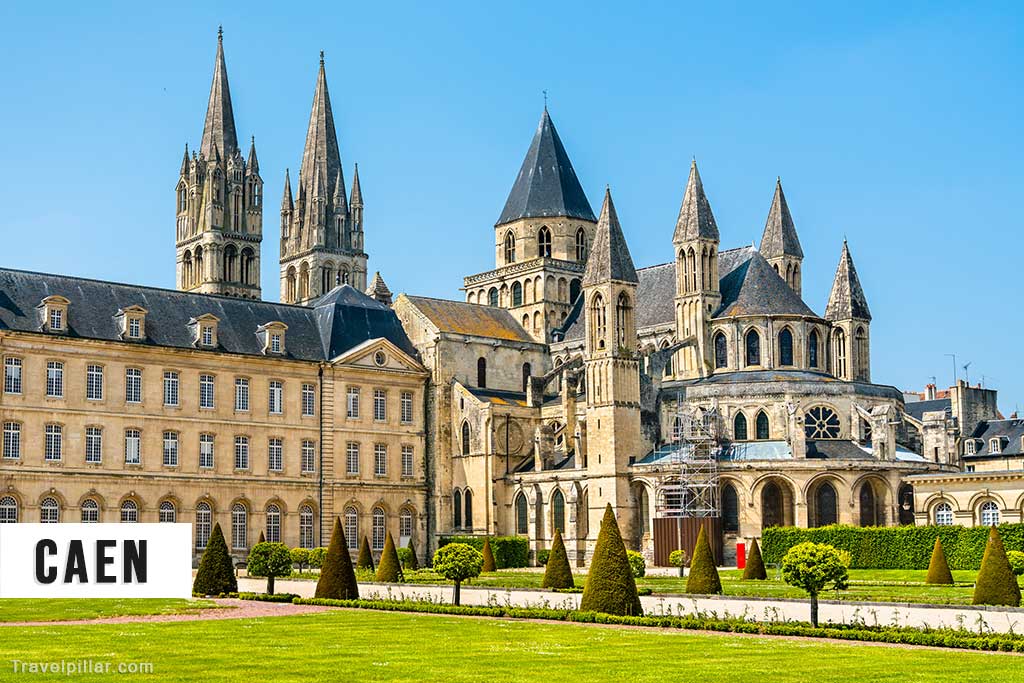
Caen is a major city in the Normandy region of northern France, situated approximately 15 kilometres inland from the English Channel. It played a prominent role during both the medieval period and the Second World War, and today it functions as a regional centre for administration, education, and tourism.
One of the city’s most notable historical landmarks is the Château de Caen, a large fortress built around 1060 by William the Conqueror. The castle complex includes the Musée de Normandie, which focuses on regional history and archaeology, and the Musée des Beaux-Arts de Caen, which houses an extensive collection of European art from the 15th to the 20th centuries. The castle grounds also provide elevated views of the city and offer insight into medieval military architecture.
Caen is also known for its Romanesque abbeys, both founded by William the Conqueror and his wife Matilda in the 11th century. The Abbaye aux Hommes (Men’s Abbey) contains William’s tomb and now houses the Caen city hall, while the Abbaye aux Dames (Women’s Abbey) holds Matilda’s remains and functions as a regional government building. Both sites are architecturally significant and illustrate the power and influence of Norman rulers during the High Middle Ages.
The city was heavily damaged during the Battle of Caen in 1944, part of the Allied campaign following the D-Day landings. The Mémorial de Caen museum addresses this period in detail, presenting exhibitions on the Second World War, the Holocaust, the Cold War, and international peace efforts. It is one of the most visited memorial museums in France and serves as an educational centre on the causes and consequences of conflict.
Modern Caen is a university town with a population of around 100,000 and a well-connected transportation network. Despite wartime destruction, many historic buildings were restored, and the city combines older structures with post-war urban planning. It serves as a practical base for visitors exploring the Normandy region, including the nearby landing beaches, Bayeux, and the rural countryside.
Google map City
The Best Places to Visit in Caen
Mémorial de Caen
The Mémorial de Caen is a major museum and memorial dedicated to the history of the 20th century, with a focus on World War II and the Battle of Normandy. Located in northern Caen, it presents permanent exhibitions on the causes of war, the D-Day landings, the Holocaust, and the Cold War. The museum combines historical artifacts, multimedia displays, and documentary material to promote reflection on conflict and peace.
Official website: https://www.memorial-caen.com
Google map 4.6/5
Abbaye-aux-Hommes

The Abbaye-aux-Hommes, or Men’s Abbey, is a Romanesque monastery in Caen founded by William the Conqueror in the 11th century. It includes the Church of Saint-Étienne, which houses William’s tomb. The abbey complex now serves as Caen’s city hall and features restored monastic buildings and a cloister. The site reflects Norman architectural traditions and remains a significant example of medieval religious and civic integration in the region.
Google map 4.5/5
Abbaye aux Dames de Caen
The Abbaye aux Dames de Caen, founded in the 11th century by Queen Matilda of Flanders, wife of William the Conqueror, is a Romanesque abbey that includes the Church of the Holy Trinity, where Matilda is buried. Located in central Caen, the site now houses the regional government of Normandy. The abbey features vaulted interiors, early medieval architecture, and landscaped gardens, reflecting the influence of the Norman ducal family.
Google map 4.5/5
Colline aux Oiseaux Park
Colline aux Oiseaux (translates as “Hill of the Birds”) is a public park located in Caen on a former landfill site, redeveloped to mark the 50th anniversary of the D-Day landings. The park features formal gardens, a rose garden with hundreds of varieties, a small animal farm, and panoramic views over the city. Covering 17 hectares, it provides recreational space near the Mémorial de Caen and is a popular area for walking, picnicking, and family outings.
Google map 4.6/5
St Peter’s Catholic Church
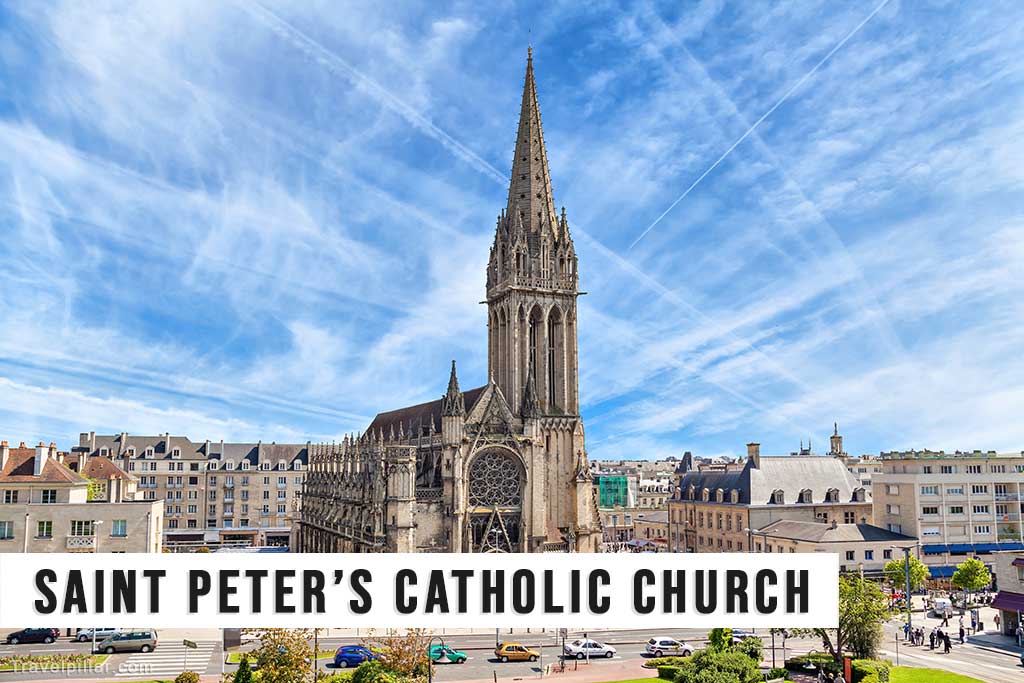
St Peter’s Catholic Church (Église Saint-Pierre) is a Gothic-style church located in the historic centre of Caen. Constructed between the 13th and 16th centuries, it features a prominent spire, detailed stonework, and a Renaissance-style apse. The church sustained damage during the Second World War but was later restored. It remains an active place of worship and a notable example of Caen’s medieval religious architecture and urban development.
Google map 4.5/5
Musée des Beaux-Arts de Caen (Museum of Fine Arts)
The Musée des Beaux-Arts de Caen is located within the grounds of the Château de Caen and houses a significant collection of European art. Its holdings include works from the Renaissance to the 20th century, featuring French, Italian, Dutch, and Flemish painters. The museum also hosts temporary exhibitions and educational programs. It serves as a major cultural institution in Normandy, offering insight into the region’s artistic heritage within a historic setting.
Google map 4.4/5
Old St. Stephen’s Church (Église Saint-Étienne-le-Vieux)
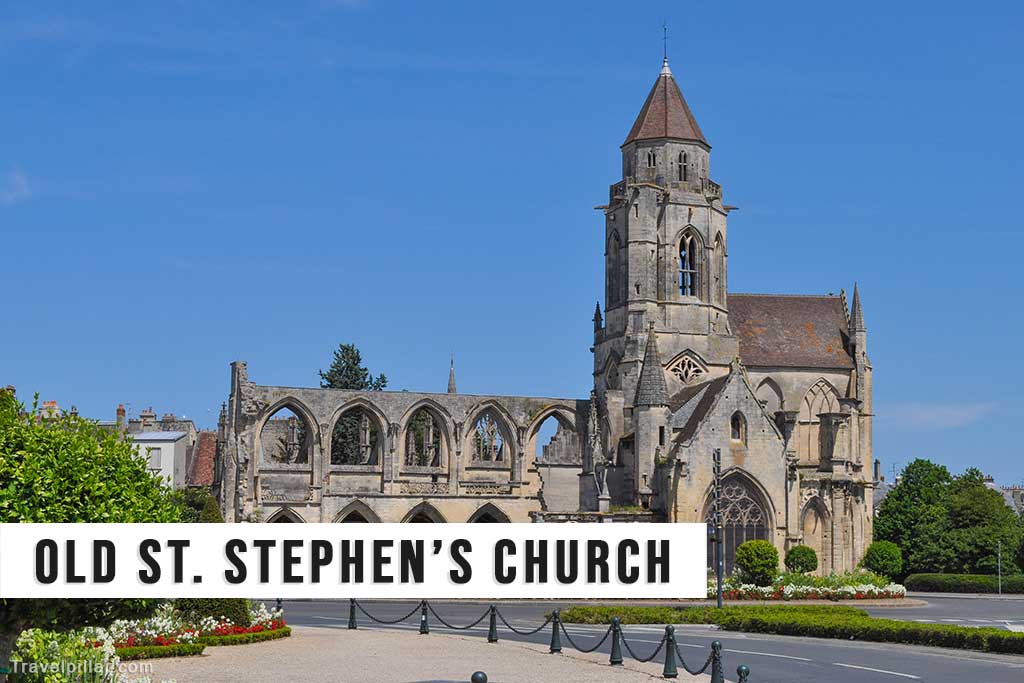
Old St. Stephen’s Church (Église Saint-Étienne-le-Vieux) is a ruined medieval church in Caen, located near the Abbaye aux Hommes. Built in the 15th century, it was heavily damaged during the Second World War and has remained unrestored. The structure features Gothic elements and stands as a preserved war ruin, offering a rare example of wartime destruction in an otherwise reconstructed city. It serves as a historical landmark and site of memory.
Google map 4.4/5
Château de Caen
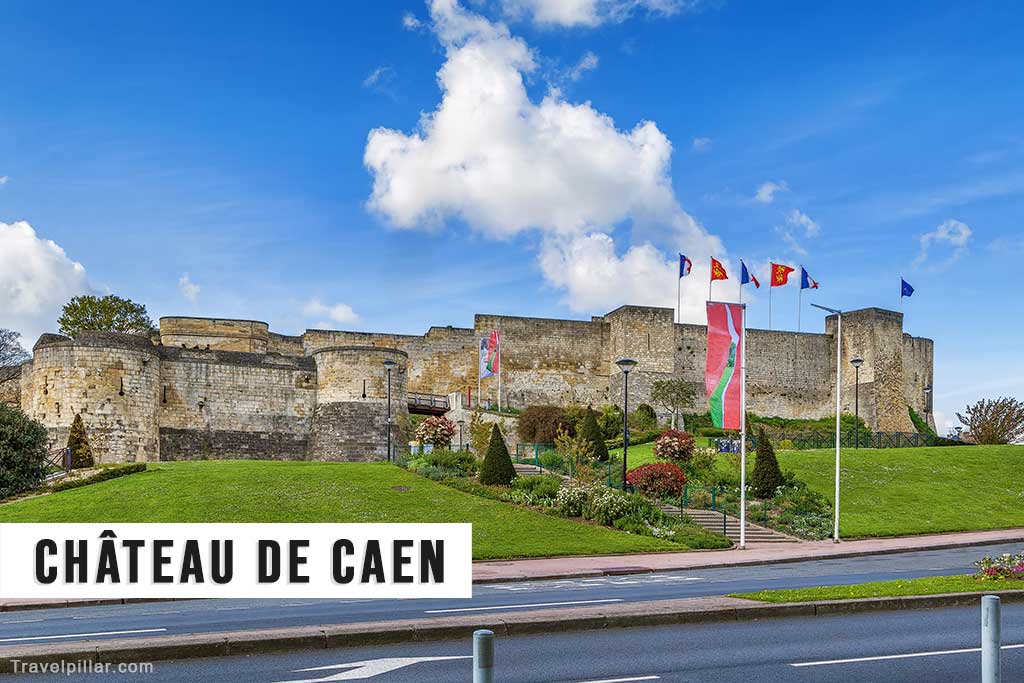
The Château de Caen is a large medieval fortress founded by William the Conqueror in the 11th century. Located in the centre of Caen, the castle includes fortified walls, towers, and a large courtyard. It houses the Musée des Beaux-Arts and the Musée de Normandie. The site offers panoramic views and archaeological remains, reflecting its historical role as a ducal residence, military stronghold, and cultural landmark in Normandy.
Google map 4.3/5
Musée de Normandie
The Musée de Normandie is located within the Château de Caen and focuses on the cultural and historical development of the Normandy region. Its collections include archaeological finds, traditional costumes, tools, and domestic artifacts from prehistoric times to the 20th century. The museum offers a detailed overview of rural and urban life in Normandy, complementing the historical significance of its location within the medieval fortress built by William the Conqueror.
Google map 4.3/5