
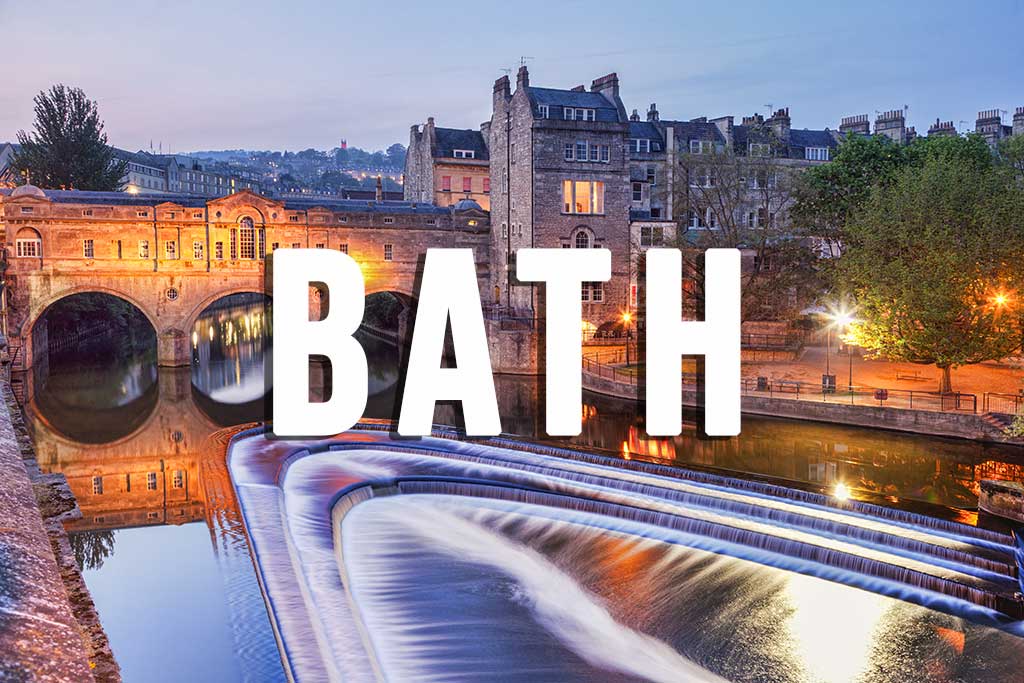
The City of Bath, located in Somerset, England, is a UNESCO World Heritage site renowned for its Georgian architecture and Roman Baths. Founded by the Romans in 60 AD, Bath boasts numerous historical landmarks, such as the Royal Crescent, Pulteney Bridge, and Bath Abbey. The city’s thermal springs have long attracted visitors seeking their healing properties. Today, Bath offers a vibrant cultural scene, with various museums, galleries, and festivals, along with a thriving independent retail sector.
Official tourism website: https://visitbath.co.uk
The Best Things to Do in Bath
#1 The Roman Baths

The Roman Baths is an ancient spa complex in the heart of the City of Bath, built around the city’s natural hot springs. Established by the Romans in 70 AD, the site features several remarkable structures and bathing facilities. The Great Bath is the central pool, fed by the Sacred Spring, which delivers approximately 1.2 million liters of water daily at a temperature of 46°C. The Roman Temple, dedicated to the goddess Sulis Minerva, once stood as an important religious site. The Roman Bath House, with its various rooms and heated floors, demonstrates the sophistication of Roman engineering. The on-site museum houses numerous artifacts discovered during excavations, providing insights into the Roman occupation of Britain.
Official website: https://www.romanbaths.co.uk
Google map 4.6/5
#2 Bath Abbey

Bath Abbey, a medieval church founded in the 7th century, is an architectural masterpiece featuring intricate fan vaulting, stunning stained glass windows, and detailed carvings. The abbey’s heritage museum offers an in-depth look at its history, including its role in the coronation of Edgar, the first king of all England, in 973 AD. Visitors can also participate in tower tours to appreciate the views of Bath and the surrounding countryside.
Official website: https://www.bathabbey.org/
Google map 4.6/5
#3 Pulteney Bridge

Pulteney Bridge, a picturesque 18th-century structure designed by Robert Adam, spans the River Avon and is one of only four bridges in the world with shops lining both sides. Inspired by Italian architecture, this iconic landmark features elegant arches and intricate detailing. The bridge has survived floods and modifications over time and remains a functional, popular destination for locals and tourists alike.
Official website: https://visitbath.co.uk
Google map 4.6/5
#4 The Royal Crescent

The Royal Crescent is an iconic architectural masterpiece in Bath, England, completed between 1767 and 1774. Designed by renowned architect John Wood the Younger, the crescent-shaped terrace features 30 Grade I listed townhouses, each showcasing the distinct Georgian architectural style. The Royal Crescent overlooks the Royal Victoria Park, offering visitors breathtaking views of the park and a fascinating glimpse into the city’s opulent historical past. Visitors can also explore the luxurious No. 1 Royal Crescent museum to gain insights into the Georgian era’s social customs and living conditions.
Official website: https://visitbath.co.uk
Google map 4.6/5
#5 The Circus
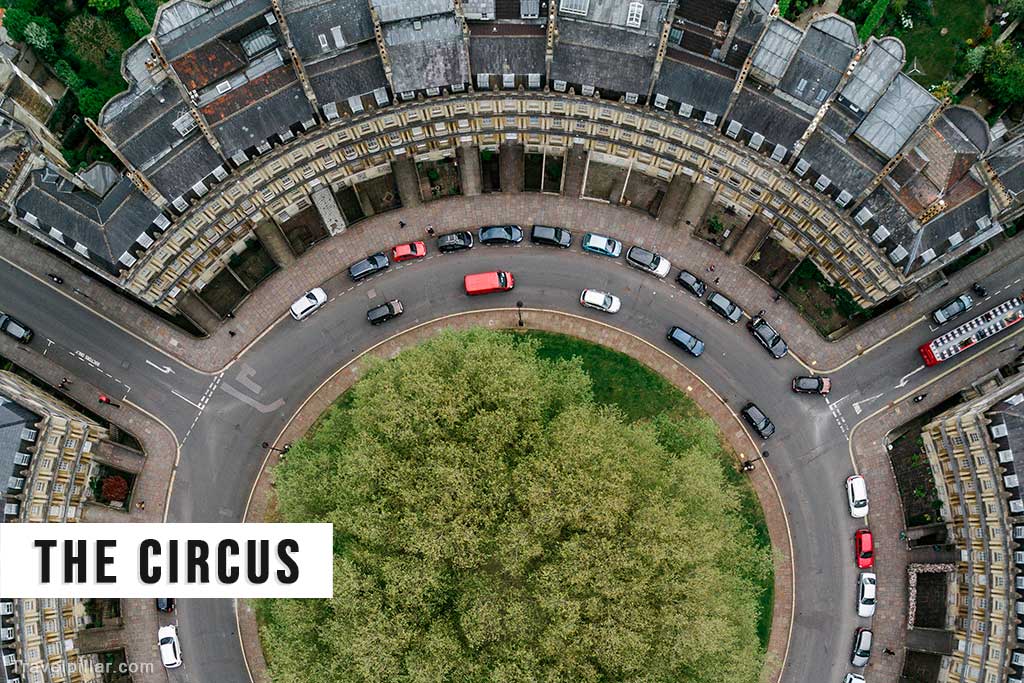
The Circus is an exceptional circular Georgian terrace situated in the heart of Bath. Completed in 1768, it was designed by the eminent architect John Wood the Elder. The Circus is composed of three segments of townhouses, each adorned with intricate stonework, classical columns, and ornate friezes that draw inspiration from the Roman Colosseum. This architectural wonder was once home to many illustrious figures, such as artist Thomas Gainsborough and Prime Minister William Pitt the Elder. The Circus remains a must-visit attraction for those interested in architecture and Bath’s rich history.
Official website: https://visitbath.co.uk
Google map 4.4/5
#6 The Bath Skyline
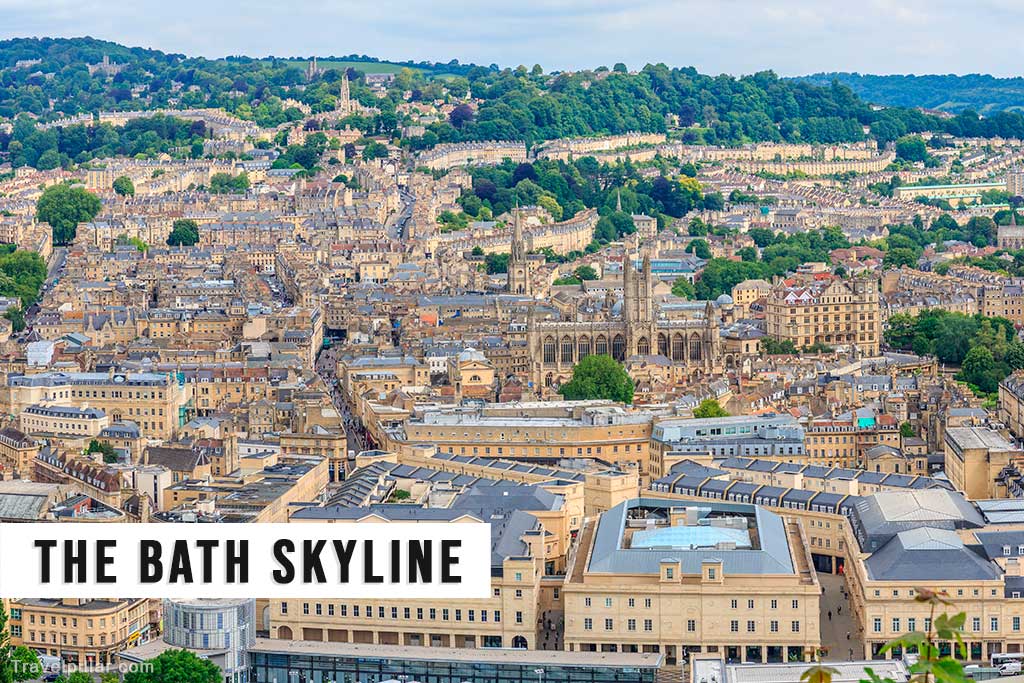
The Bath Skyline is a captivating six-mile walking route that encircles the city of Bath, offering awe-inspiring panoramic views of the city’s skyline and its picturesque countryside. Managed by the National Trust, the trail features diverse landscapes, including tranquil woodlands, wildflower-rich meadows, and significant ancient monuments. Attracting walkers, nature enthusiasts, and history buffs alike, highlights along the Bath Skyline route include the Iron Age hillfort at Little Solsbury Hill, the 18th-century folly known as Sham Castle, and the secluded Prior Park Landscape Garden, designed by the famous landscape architect Capability Brown.
Official website: https://www.nationaltrust.org.uk
Google map 4.7/5
#7 The Pump Room Restaurant

The Pump Room is a historically significant venue situated in the heart of the city, adjacent to the renowned Roman Baths. Established in 1706, the Pump Room played a crucial role in Bath’s social scene during the Georgian era, as visitors would gather to drink the mineral-rich spa water, believed to have therapeutic properties. Today, the Pump Room serves as a stylish restaurant, offering a delectable menu of modern British cuisine, traditional afternoon tea, and the unique opportunity to sample the famous spa water from a dedicated fountain. Visitors can also enjoy live classical music performances, creating an elegant and immersive experience reminiscent of the Georgian era.
Official website: https://thepumproombath.co.uk
Google map 4.5/5
#8 Theatre Royal
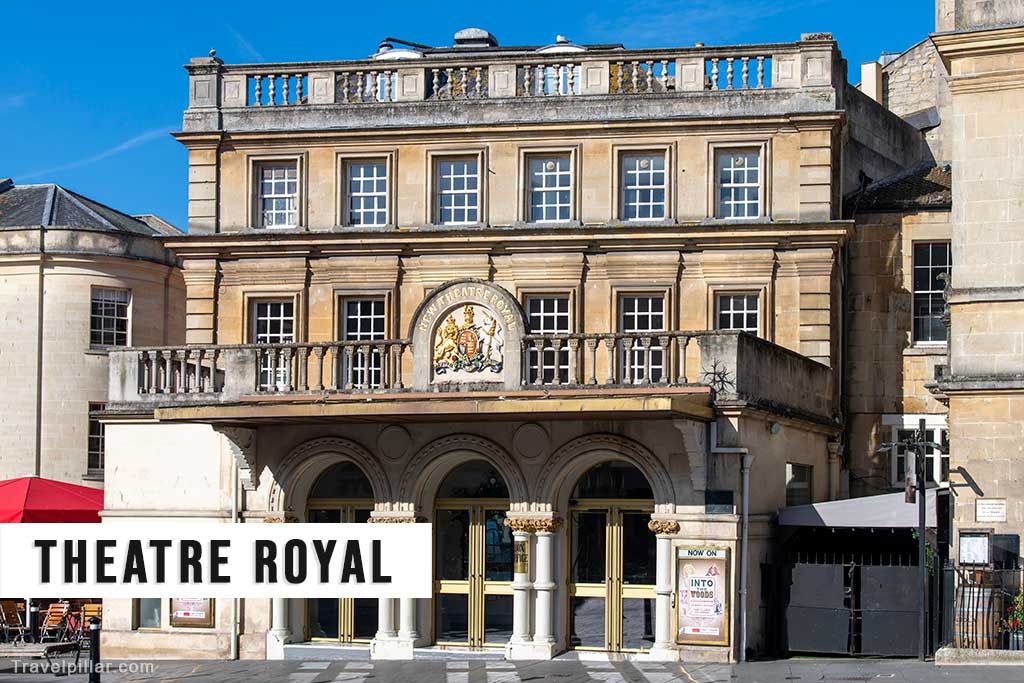
The Theatre Royal is a historic and prestigious venue located in Bath, England. Built in 1805 and designed by architect George Dance the Younger, it is one of the oldest continually operating theaters in the United Kingdom. The Theatre Royal comprises three performance spaces: the Main House, the Ustinov Studio, and the egg theatre. It hosts a diverse range of productions, including drama, comedy, musicals, and children’s theatre, attracting both local and international talent, as well as providing a vital cultural hub for the city.
Official website: https://www.theatreroyal.org.uk
Google map 4.7/5
#9 Alexandra Park

Alexandra Park is a picturesque public park situated atop Beechen Cliff in Bath, offering visitors breathtaking panoramic views of the city and its surrounding countryside. Opened in 1902, the park covers 11 acres and features a variety of amenities, including a children’s play area, picnic spots, and beautifully maintained flower beds. Alexandra Park is an ideal destination for relaxation, leisurely strolls, and family outings, providing a serene escape from the bustling city center.
Official website: https://www.alexandraparkbath.org
Google map 4.7/5
#10 Thermae Bath Spa
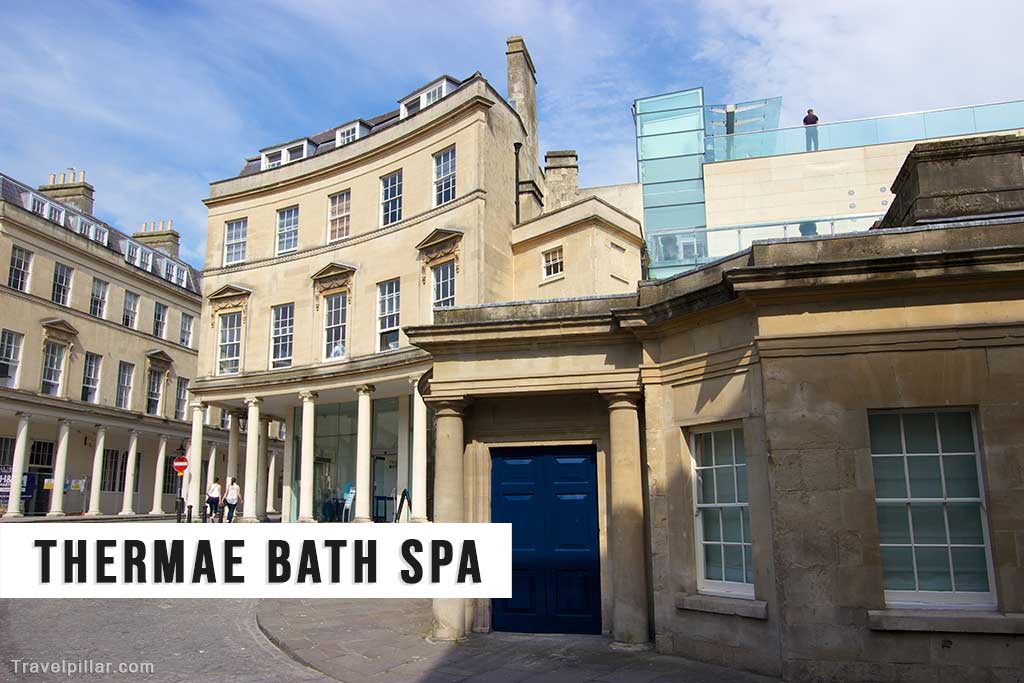
Thermae Bath Spa is a contemporary spa facility located in the heart of Bath, which harnesses the city’s natural thermal waters for an indulgent wellness experience. Combining historic and modern elements, the spa offers a range of facilities, including a rooftop pool with stunning views, an indoor Minerva Bath, an aroma steam room, and various treatment rooms. Visitors can enjoy a range of therapeutic services, such as massages, facials, and body wraps, making Thermae Bath Spa an essential destination for relaxation and rejuvenation.
Official website: https://www.thermaebathspa.com
Google map 4.3/5
#11 Royal Victoria Park & Botanical Gardens
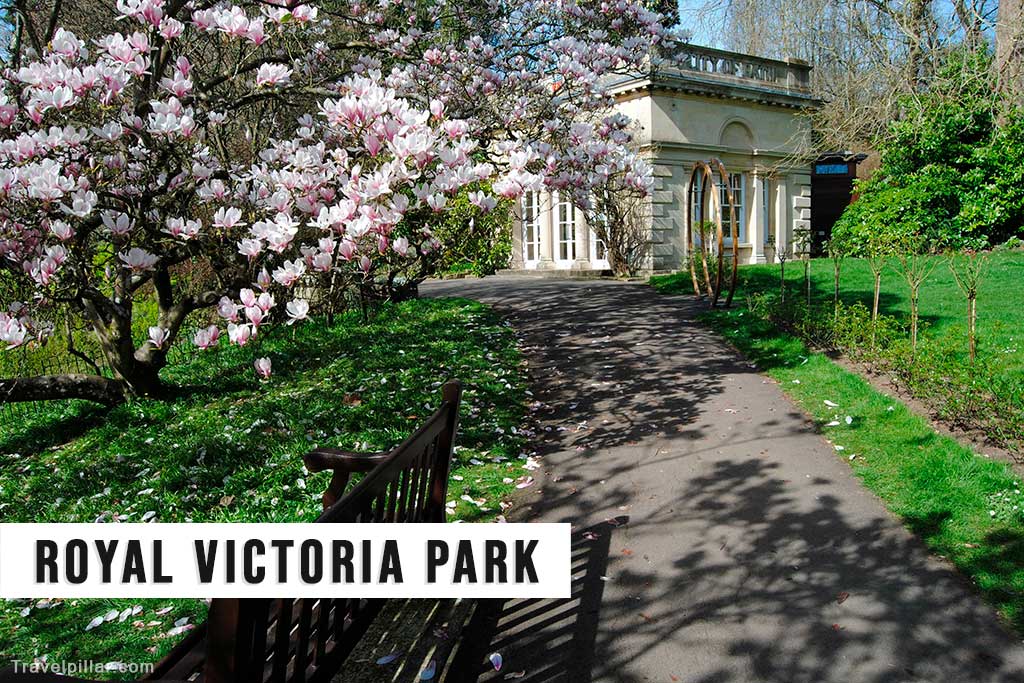
Royal Victoria Park is a spacious and beautifully landscaped public park, established in 1830 and named after Queen Victoria, who officially opened the park at the age of 11. Spanning 57 acres, the park features numerous attractions, including a botanical garden, a boating pond, a golf course, tennis courts, and a children’s play area. The park also hosts various events throughout the year, such as open-air concerts and hot air balloon festivals. Royal Victoria Park is a popular destination for residents and visitors seeking leisure activities and outdoor enjoyment.
Official website: https://visitbath.co.uk
Google map 4.6/5
#12 Bath Assembly Rooms and Fashion Museum
The Bath Assembly Rooms, managed by the National Trust, is an elegant Georgian building that once served as the social hub for high society in the 18th century. Designed by architect John Wood the Younger and completed in 1771, the Assembly Rooms house four magnificent spaces: the Ballroom, the Tea Room, the Octagon, and the Card Room. Each room boasts intricate plasterwork, large crystal chandeliers, and tall windows, reflecting the grandeur of the Georgian era. Today, the Bath Assembly Rooms host various events, including weddings, conferences, and cultural functions, while also accommodating the Fashion Museum Bath, showcasing the evolution of fashion throughout the centuries.
Official website: https://www.nationaltrust.org.uk
Google map 4.4/5
#13 Fashion Museum Bath
The Fashion Museum is a renowned museum located within the Bath Assembly Rooms, dedicated to the history and evolution of fashion from the 16th century to the present day. Founded by designer Doris Langley Moore in 1963, the museum boasts a remarkable collection of over 30,000 garments and accessories, including historical clothing, contemporary couture, and ceremonial attire. The Fashion Museum offers a captivating journey through the world of fashion, with regularly changing exhibitions, educational programs, and special events, making it an essential attraction for fashion enthusiasts and history lovers alike.
Official website: https://www.fashionmuseum.co.uk
Google map 4.4/5
#14 Sally Lunn’s Historic Eating House & Museum
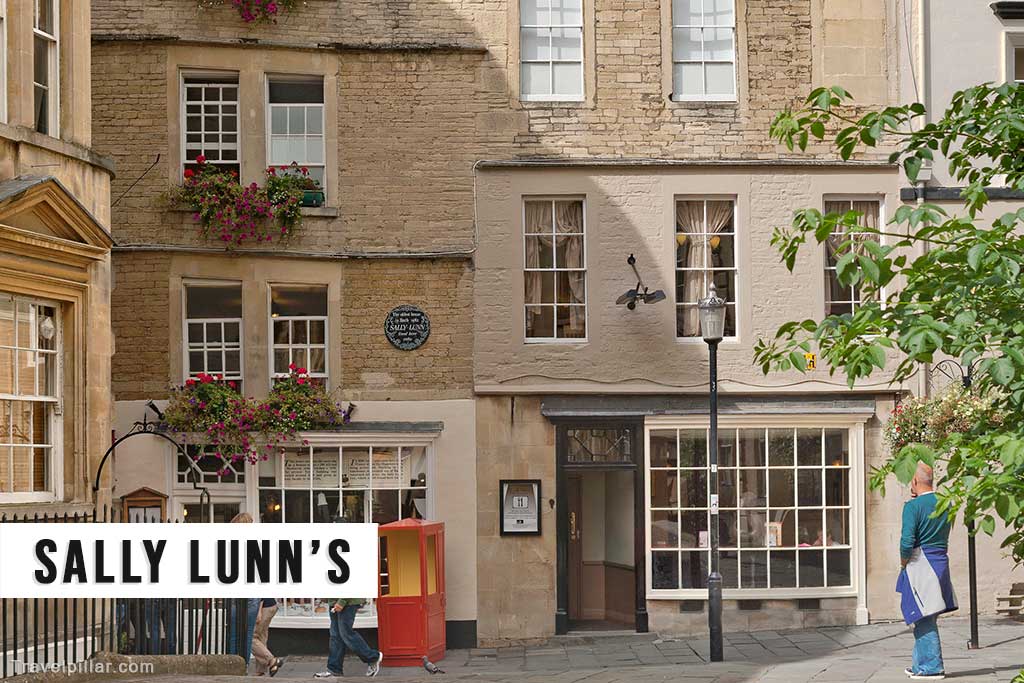
Sally Lunn’s Historic Eating House & Museum is a unique dining experience situated in one of the oldest houses in Bath, dating back to 1482. This famous establishment is named after the young Huguenot baker, Sally Lunn, who popularized the iconic Sally Lunn Bun in the late 17th century. Today, visitors can savor a range of delicious dishes, including the famous buns served with sweet or savory toppings, in an atmospheric setting that exudes historical charm. The on-site museum, located in the building’s cellar, offers visitors a glimpse into the house’s storied past, showcasing the original kitchen and a collection of historic artifacts, as well as sharing the intriguing tale of Sally Lunn.
Official website: https://www.sallylunns.co.uk
Google map 4.4/5
#15 The Jane Austen Centre
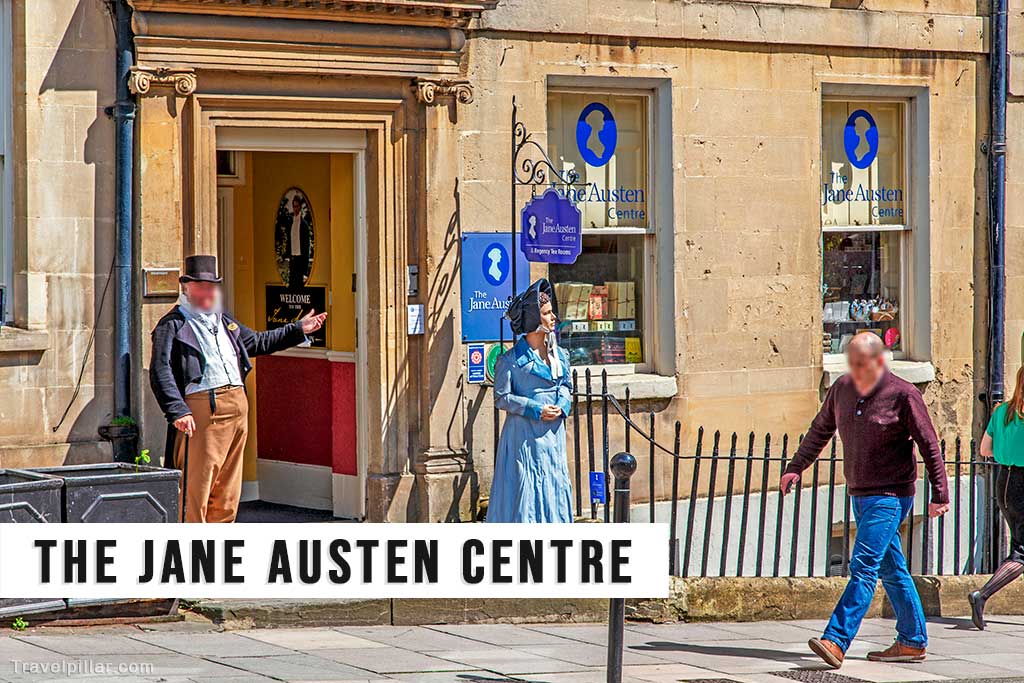
The Jane Austen Centre is a dedicated tribute to the life and works of the renowned author, who called Bath her home between 1801 and 1806. Situated in a Georgian townhouse near the center of Bath, the Jane Austen Centre offers a fascinating insight into the writer’s life, her family, and the city’s influence on her novels. The interactive exhibition features costumed guides, displays of Austen’s personal items, and a Regency-period tea room, where visitors can enjoy a traditional afternoon tea. The Jane Austen Centre is a must-visit attraction for literature lovers and those interested in the social and cultural history of Regency-era Bath.
Official website: https://janeausten.co.uk
Google map 4.1/5
Herschel Museum of Astronomy
The Herschel Museum of Astronomy is located in a beautifully restored Georgian townhouse in Bath, England. This museum commemorates the achievements of William Herschel, the astronomer who discovered Uranus in 1781. Exhibits include original telescopes, Herschel’s music compositions, and various personal artifacts. The museum offers a glimpse into 18th-century scientific life, showcasing how Herschel’s observations expanded our understanding of the universe. Visitors can also explore the garden where Herschel conducted his astronomical observations.
Google map 4.5/5
Prior Park Landscape Gardens (National Trust)
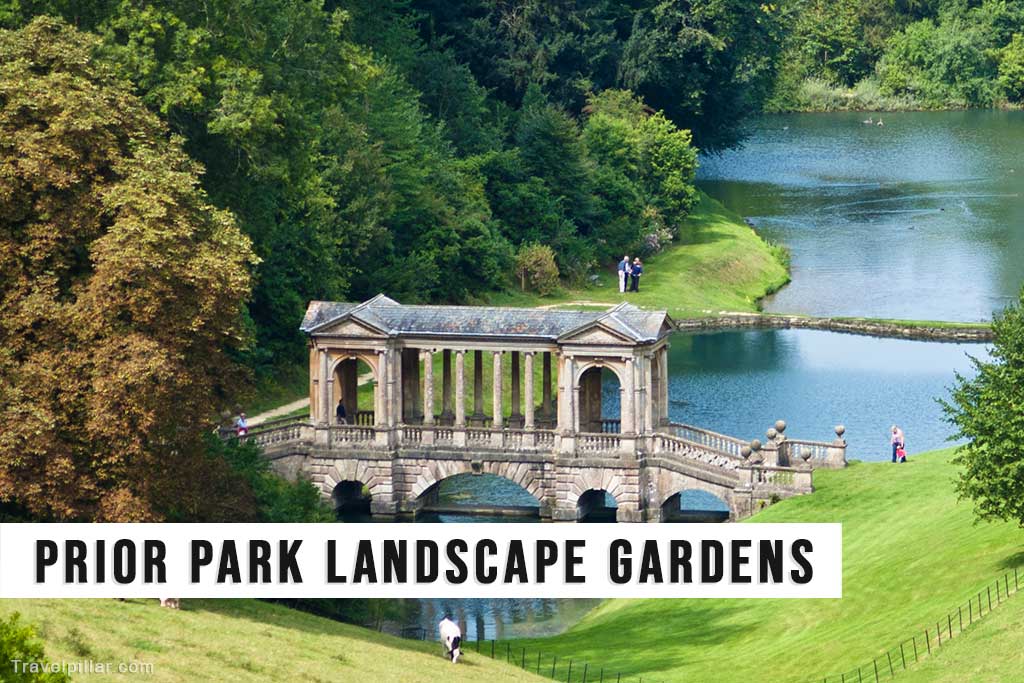
Prior Park Landscape Gardens, located in Bath, England, is an 18th-century garden designed by Capability Brown. The garden features the iconic Palladian Bridge, one of only four in the world, set over a serene lake. Visitors can enjoy sweeping views of Bath from the garden’s elevated vantage points. The landscape includes woodland trails, historic buildings, and carefully restored vistas, offering a picturesque setting that reflects the grandeur of Georgian garden design.
Google map 4.4/5
Holburne Museum
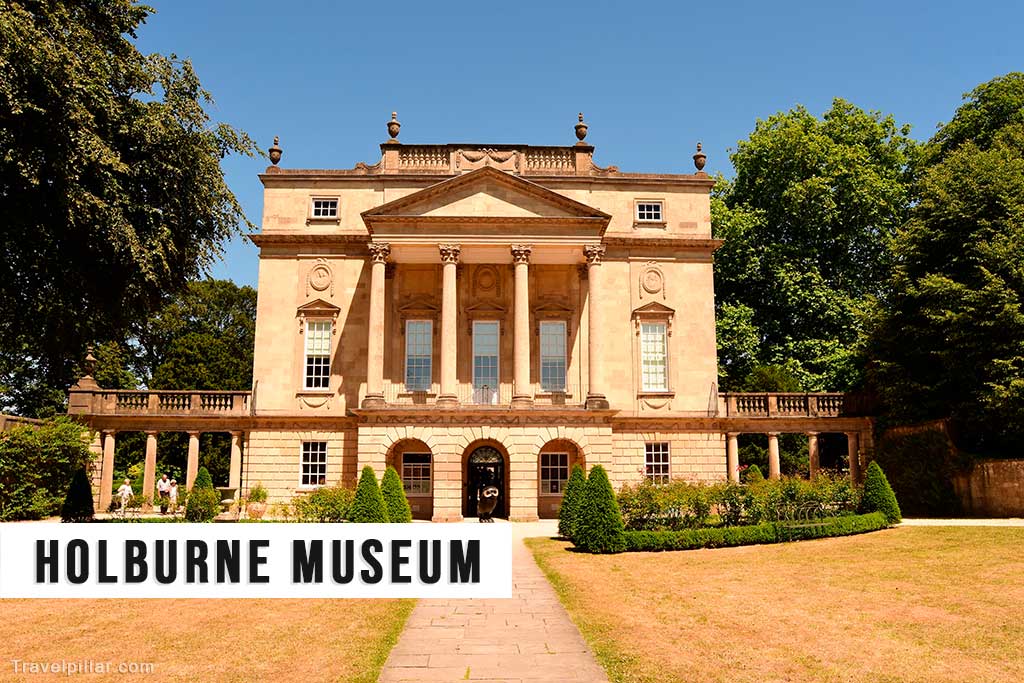
The Holburne Museum, situated in Bath, England, houses an impressive collection of fine and decorative art. The museum’s exhibits include paintings by Gainsborough, Stubbs, and Turner, alongside 18th-century silver, Wedgwood porcelain, and Renaissance bronzes. Set in the historic Sydney Gardens, the museum also features a garden café. Opened in 1882, the museum was initially founded around the collection of Sir William Holburne. It offers various educational programs and hosts temporary exhibitions.
Places of Interest Close to Bath
Bristol

Bristol, a vibrant city in southwest England, offers a rich blend of historical and cultural attractions. Highlights include the iconic Clifton Suspension Bridge, the SS Great Britain, and the bustling Harbourside with its array of museums and galleries. The city is also famous for its street art, notably works by Banksy. Visitors can explore a variety of dining, shopping, and entertainment options, making Bristol a dynamic and diverse destination.
Glastonbury
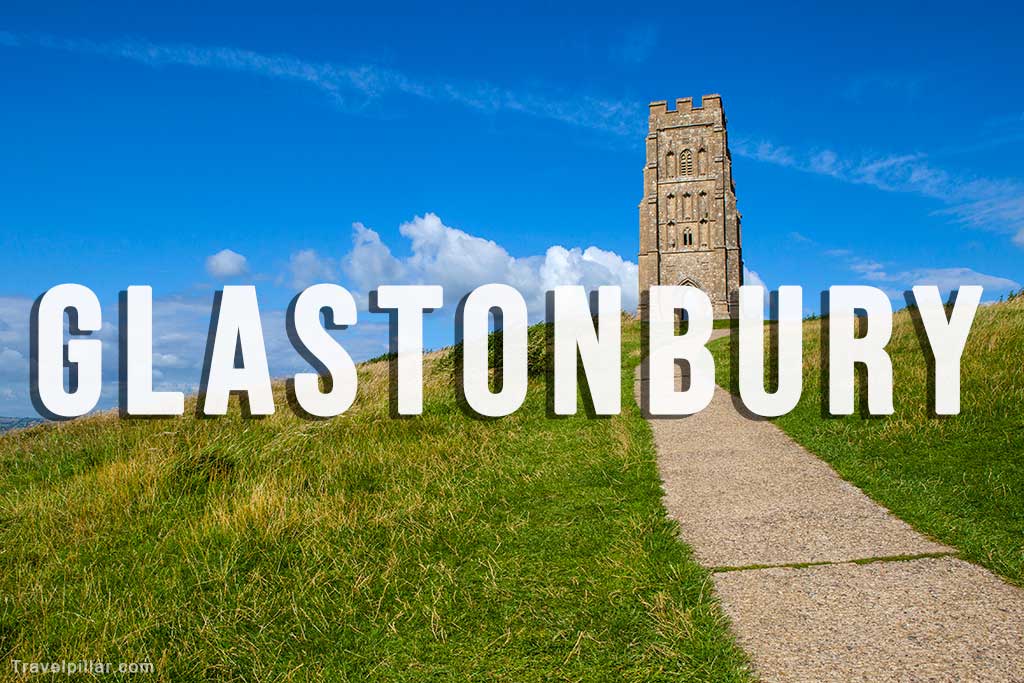
Glastonbury, a town in Somerset, England, is renowned for its rich history and mystical legends. Key attractions include Glastonbury Abbey, believed to be the burial site of King Arthur, and Glastonbury Tor, a hill topped by the ruins of St. Michael’s Tower. The town is also famous for its vibrant arts scene and the annual Glastonbury Festival, one of the world’s most renowned music festivals. Visitors enjoy exploring its unique shops and spiritual sites.
Cheddar Gorge

Cheddar Gorge, located in Somerset, England, is Britain’s largest limestone gorge and a site of significant geological and archaeological interest. The gorge features dramatic cliffs, scenic walking trails, and impressive cave systems, including Gough’s Cave and Cox’s Cave, known for their stalactite formations. The area is also famous for its association with Cheddar cheese, which is traditionally matured in the local caves. Cheddar Gorge offers a blend of natural beauty and historical significance, attracting nature enthusiasts and history buffs alike.
Google map 4.7/5
Wells
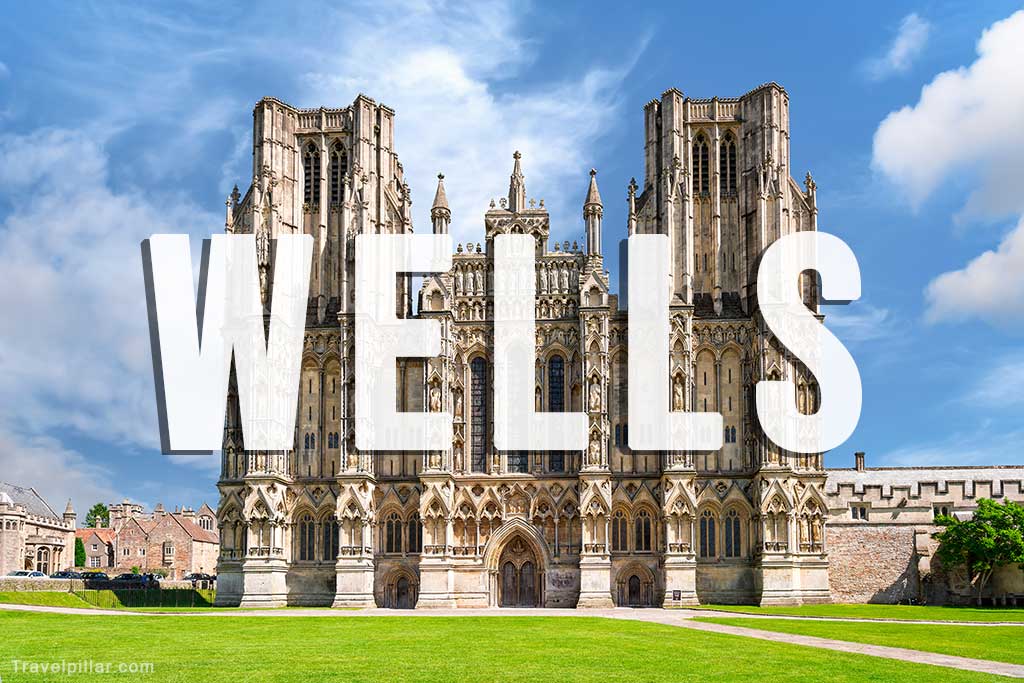
Wells, England’s smallest city, is located in Somerset and is famed for its stunning Gothic architecture. The city’s most notable landmark is Wells Cathedral, featuring intricate carvings and the unique scissor arches. Adjacent to the cathedral is the Bishop’s Palace, complete with a moat and gardens. Vicar’s Close, reputedly the oldest residential street in Europe, adds to Wells’ historical charm. The city offers a blend of medieval heritage and picturesque surroundings.
The Cotswolds
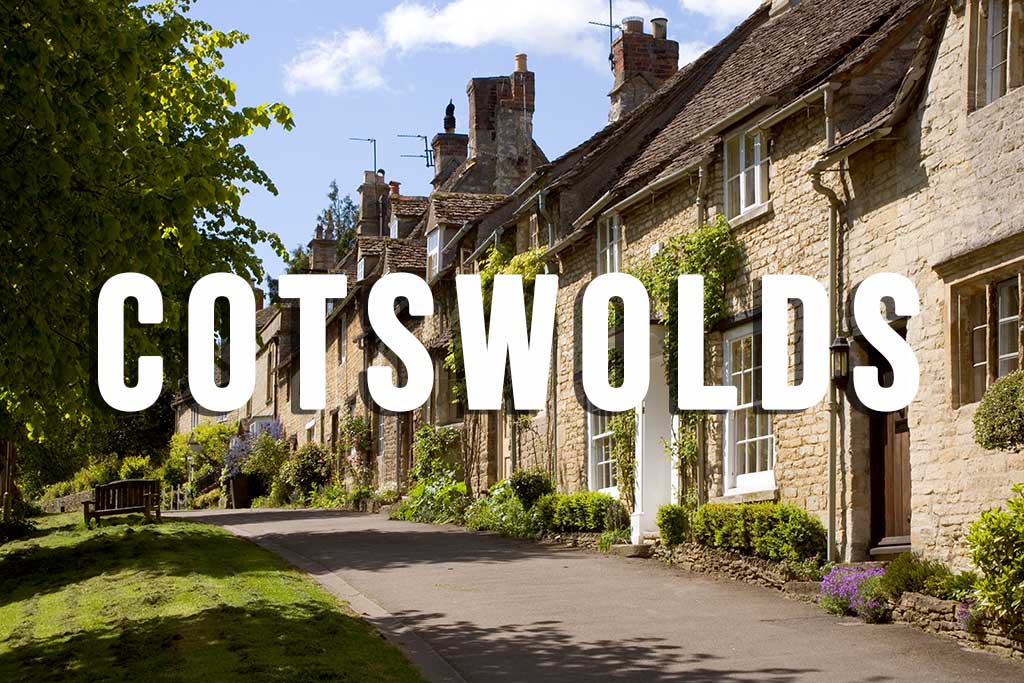
The Cotswolds, an Area of Outstanding Natural Beauty in south-central England, is renowned for its picturesque villages, rolling hills, and charming limestone cottages. Highlights include the market towns of Chipping Campden and Stow-on-the-Wold, and the iconic Arlington Row in Bibury. The region offers numerous walking trails, historic churches, and manor houses, such as Sudeley Castle. Visitors can enjoy the serene countryside, quaint tea rooms, and traditional English pubs that define the Cotswolds’ unique charm.
Castle Combe

Castle Combe, located in Wiltshire, England, is often described as one of the prettiest villages in the country. This historic village features traditional Cotswold stone cottages, a picturesque market cross, and the 13th-century St. Andrew’s Church, known for its faceless clock. Castle Combe has been a popular filming location for movies such as “War Horse” and “Stardust.” The village offers a serene atmosphere with scenic walking trails and charming tea rooms, making it a perfect destination for a quintessential English countryside experience.
Lacock
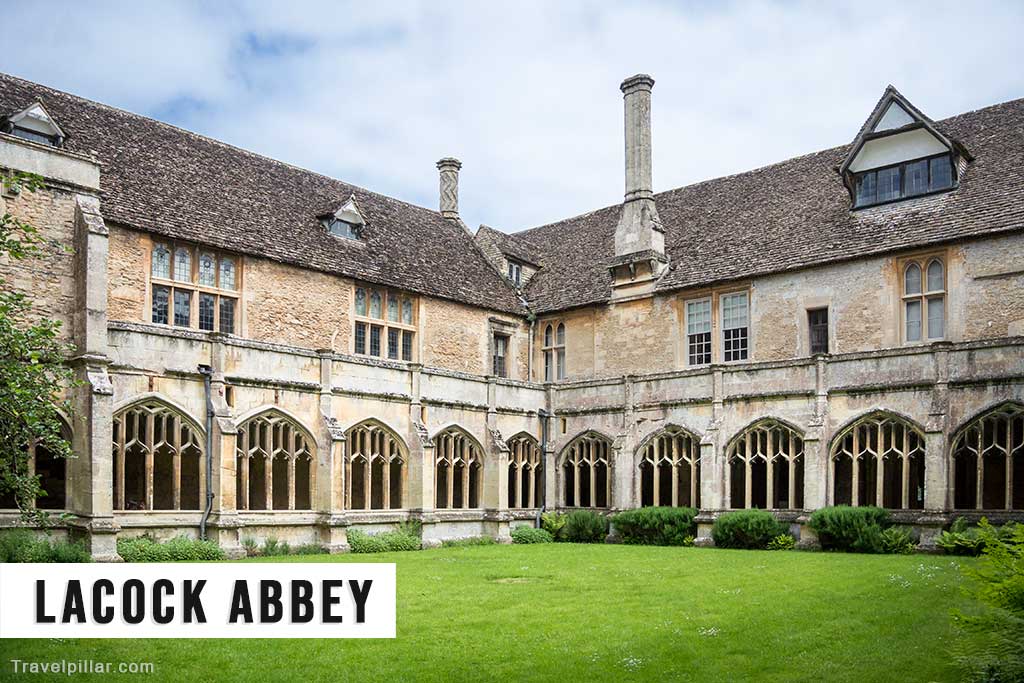
Lacock, located in Wiltshire, England, is a quintessential medieval village managed by the National Trust. Known for its well-preserved timber-framed cottages and historic streets, Lacock has been a popular filming location for productions such as “Harry Potter” and “Downton Abbey.” Key attractions include Lacock Abbey, a former nunnery and country house, and the Fox Talbot Museum, dedicated to photography pioneer William Henry Fox Talbot. Visitors can enjoy exploring the village’s quaint shops, traditional pubs, and scenic surroundings.
Stonehenge
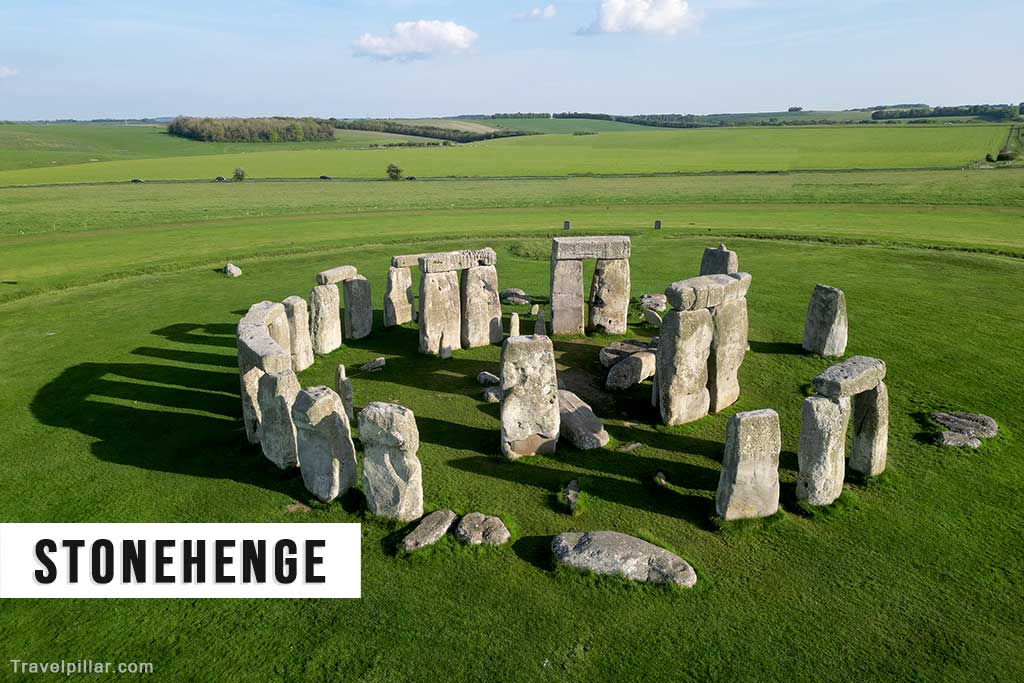
Stonehenge, located in Wiltshire, England, is one of the world’s most famous prehistoric monuments. This UNESCO World Heritage site comprises a ring of standing stones, each around 13 feet high and seven feet wide, dating back to approximately 2500 BC. The site’s purpose remains a mystery, with theories ranging from astronomical observatory to ceremonial site. Stonehenge attracts millions of visitors annually, who come to marvel at its construction and speculate on its ancient significance.
Longleat

Longleat, situated in Wiltshire, England, is renowned for its Elizabethan architecture and expansive grounds. The estate features Longleat House, an exquisite 16th-century mansion, and the first drive-through Safari Park outside Africa. Spanning over 9,000 acres, the park hosts a variety of wildlife, including lions, tigers, and giraffes. Additional attractions include landscaped gardens, the Adventure Park, and seasonal events such as the Festival of Light, making Longleat a prominent tourist destination.
Google map 4.7/5
Avebury Henge and Stone Circles
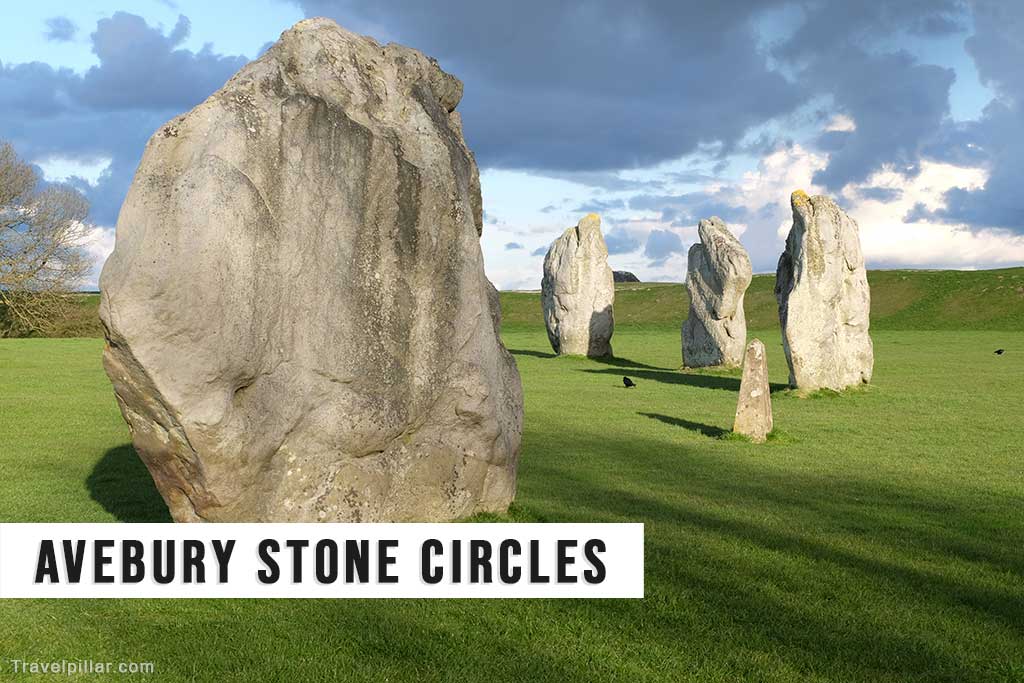
Avebury Henge and Stone Circles, located in Wiltshire, England, is one of the largest and most impressive prehistoric sites in Europe. Dating back to around 2600 BC, the site comprises a massive henge—a circular bank and ditch—and three stone circles. Unlike Stonehenge, visitors can walk freely among the stones, allowing a closer connection to the ancient landscape. Avebury is part of the UNESCO World Heritage site that includes Stonehenge, offering insight into Neolithic and Bronze Age ceremonial practices. The nearby Avebury Manor and Alexander Keiller Museum provide additional historical context and archaeological artifacts.