
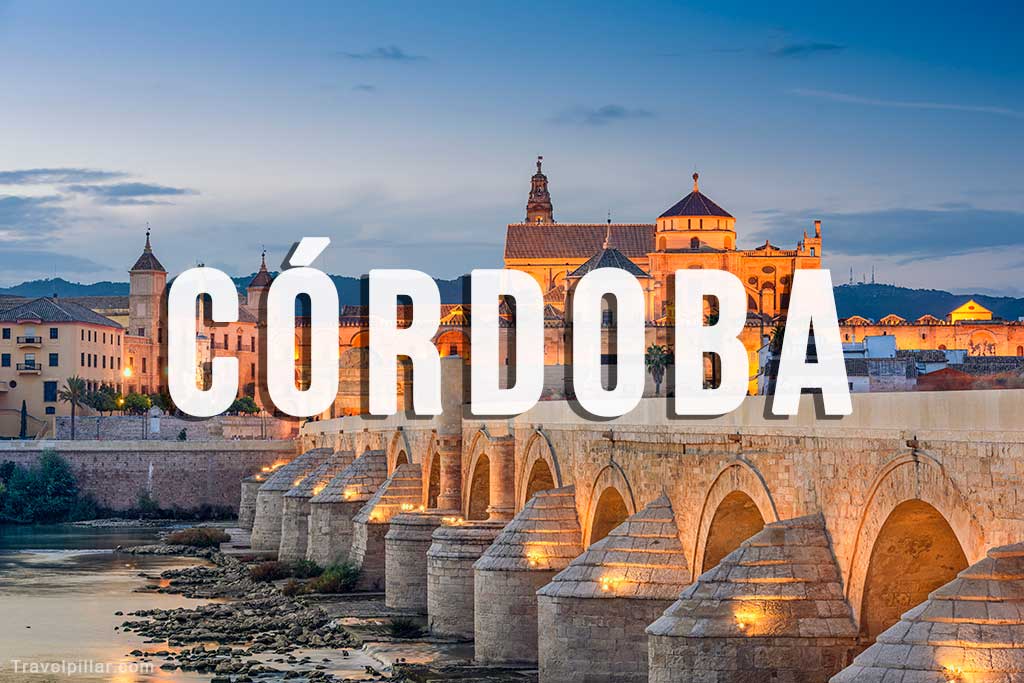
Córdoba is a city located in the Andalusia region of southern Spain, known for its well-preserved historic center and impressive cultural heritage. The city’s most famous landmark is the Great Mosque of Córdoba, a UNESCO World Heritage site that dates back to the 8th century. The mosque, which was later converted into a cathedral, is renowned for its stunning architecture and intricate tilework.

Córdoba’s historic center, with its narrow streets, whitewashed houses, and traditional patios, offers visitors a glimpse into traditional Andalusian life. The city is also famous for its culinary traditions, particularly its delicious local dishes such as salmorejo and flamenquín. Additionally, Córdoba hosts numerous festivals and cultural events throughout the year, including the famous May Crosses festival and the Patio Festival.
Official tourism website: https://www.turismodecordoba.org/
Google map of Cordoba city centre
The Best Things to Do in Cordoba
Mosque–Cathedral of Córdoba (Mezquita-Catedral de Córdoba)

The Mosque–Cathedral of Córdoba (Mezquita-Catedral de Córdoba) is a UNESCO World Heritage site and iconic landmark in Cordoba, showcasing a blend of Islamic and Christian architecture. Originally an 8th-century mosque, it was converted into a cathedral in the 13th century. The building is renowned for its distinctive red and white horseshoe arches, ornate mihrab, and intricate decoration, making it a prime example of Moorish and Gothic architectural styles.
Official website: https://mezquita-catedraldecordoba.es/en/
Google map 4.8/5
Roman Bridge of Córdoba (Puente Romano de Córdoba)

The Roman Bridge (Puente Romano de Córdoba) is an iconic landmark, spanning the Guadalquivir River. Originally built during the 1st century BC, the bridge has undergone several renovations throughout its history. The bridge’s 16 arches, illuminated at night, create a picturesque scene for visitors to enjoy. As an important part of Cordoba’s history, the Roman Bridge connects the city’s Old Town with the modern district and serves as a scenic walkway for locals and tourists alike.
Official website: https://www.spain.info/en/
Google map 4.7/5
Jewish Quarter of Cordoba (La Judería)
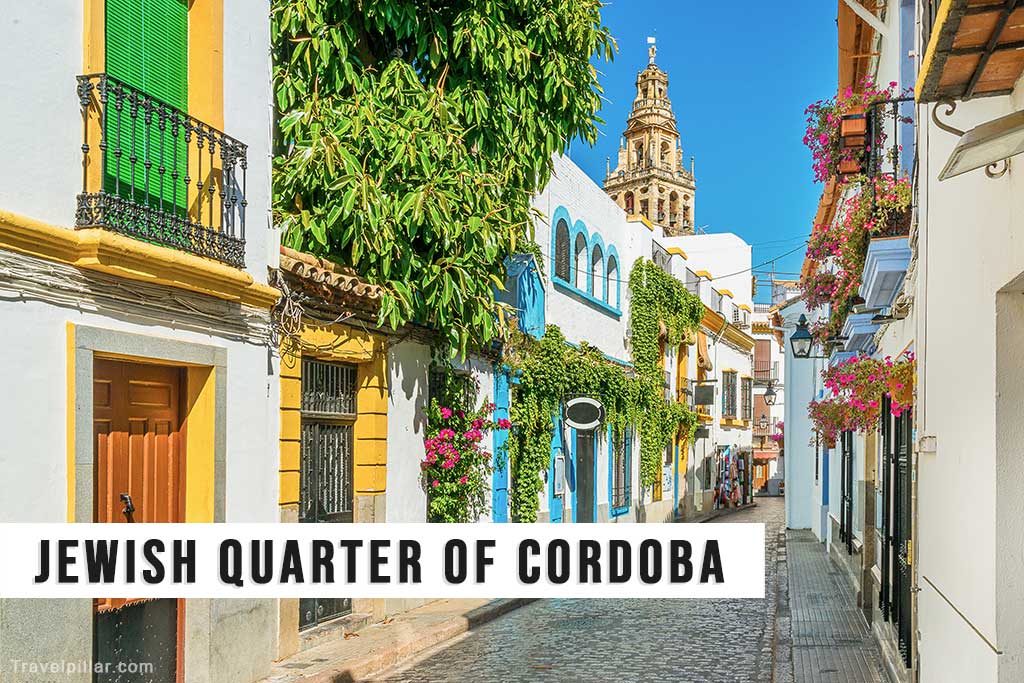
The Jewish Quarter of Cordoba (La Judería) is a historic neighborhood known for its narrow, winding streets and well-preserved medieval architecture. The area was once home to a thriving Jewish community and houses several significant landmarks, including the Synagogue of Cordoba, the Casa de Sefarad, and the statue of Maimonides. Visitors can explore the charming streets, learn about the area’s rich history, and experience the unique atmosphere of this culturally significant neighborhood.
Roman Bridge Gate (Puerta del Puente)
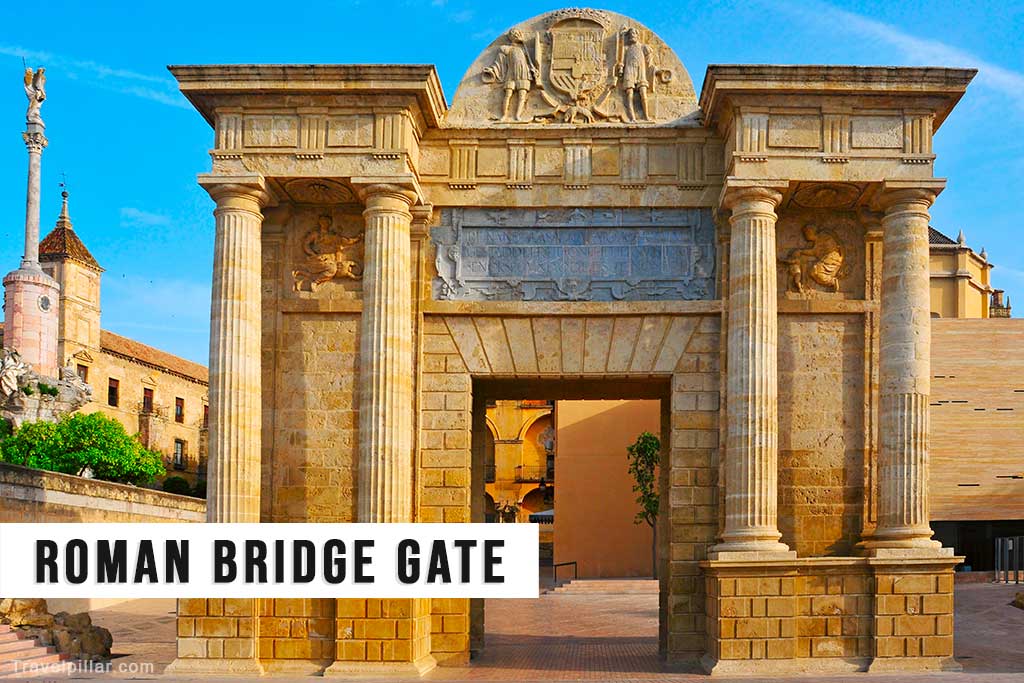
Roman Bridge Gate (Puerta del Puente) is a historic gate located at the entrance of Cordoba’s Old Town. Originally built during the Roman era, the gate was reconstructed in the 16th century in a Renaissance style. The Puerta del Puente stands as a symbol of Cordoba’s rich history, marking the entrance to the Roman Bridge and providing a glimpse into the city’s architectural evolution.
Official website: https://www.turismodecordoba.org/
Google map 4.6/5
Alcázar de los Reyes Cristianos

Alcázar de los Reyes Cristianos (Alcázar of the Christian Monarchs) is a historic fortress and palace complex. Built in the 13th century by the Christian monarchs, it served as a residence for King Ferdinand II and Queen Isabella I during their reign. The Alcázar features well-preserved Roman mosaics, beautiful gardens, and several towers offering panoramic views of the city, allowing visitors to delve into Spain’s rich history and architectural heritage.
Official website: https://www.spain.info/en/
Google map 4.5/5
Medina Azahara
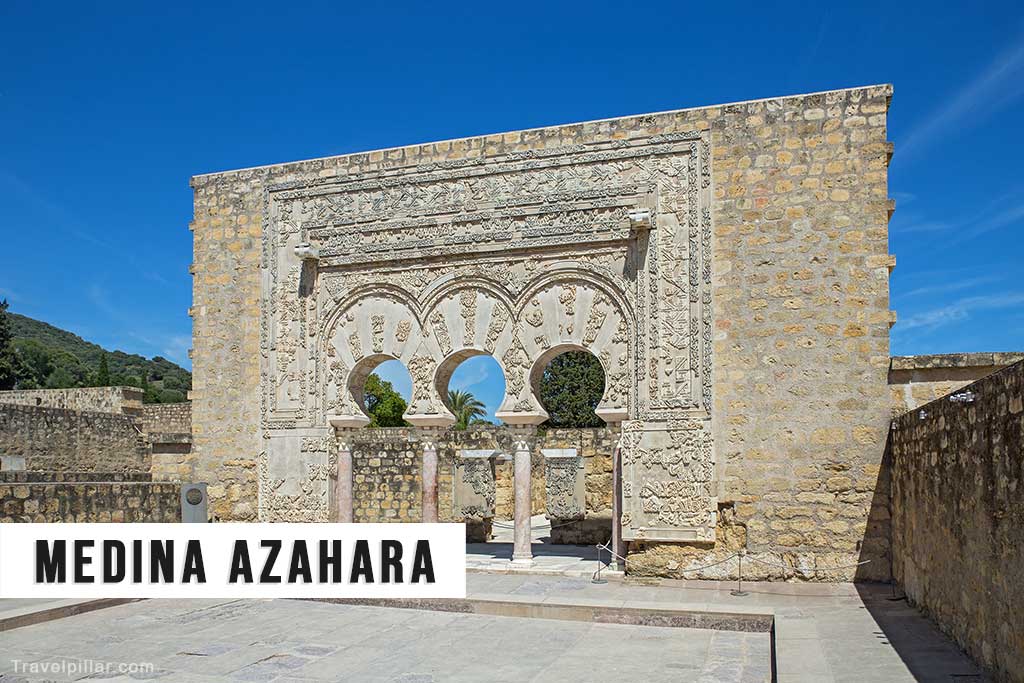
Medina Azahara is an extensive archaeological site located just outside of Cordoba. It was a palatial city built during the 10th century by the Umayyad Caliphate and serves as a testament to the grandeur and sophistication of Islamic Spain. Visitors can explore the ruins, learn about the city’s history at the on-site museum, and admire the remnants of palaces, mosques, and gardens that once stood here.
Official website: https://www.spain.info/en/
Google map 4.5/5
Cordoba’s Archaeological and Ethnological Museum
Cordoba’s Archaeological and Ethnological Museum (Museo Arqueológico de Córdoba) is a prominent archaeological museum. Housed in the Renaissance-style Palacio de Páez de Castillejo, the museum showcases a vast collection of artifacts from the region’s diverse history, including Roman, Visigothic, Islamic, and Christian periods. Highlights include the Roman mosaics, the Iberian Lion of Nueva Carteya, and the Medina Azahara collection. The museum offers an engaging experience for visitors interested in learning about Cordoba’s rich cultural heritage.
Official website: https://www.museosdeandalucia.es/ (in Spanish)
Google map 4.6/5
Plaza de las Tendillas
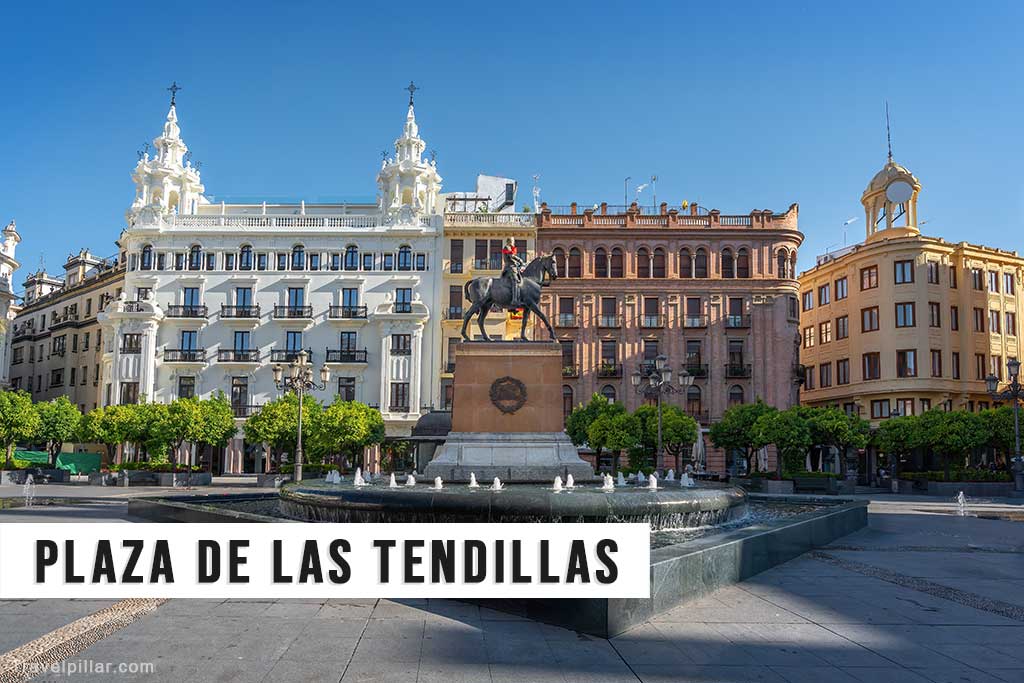
Plaza de las Tendillas is a bustling square situated in the heart of the city. Lined with shops, cafes, and restaurants, the plaza serves as a popular gathering spot for both locals and tourists. The square features a notable equestrian statue of Gonzalo Fernández de Córdoba, a prominent Spanish military leader. Plaza de las Tendillas is an ideal location for visitors to relax, dine, and experience the vibrant atmosphere of modern Cordoba.
Google map 4.5/5
Viana Palace – Palacio de Viana
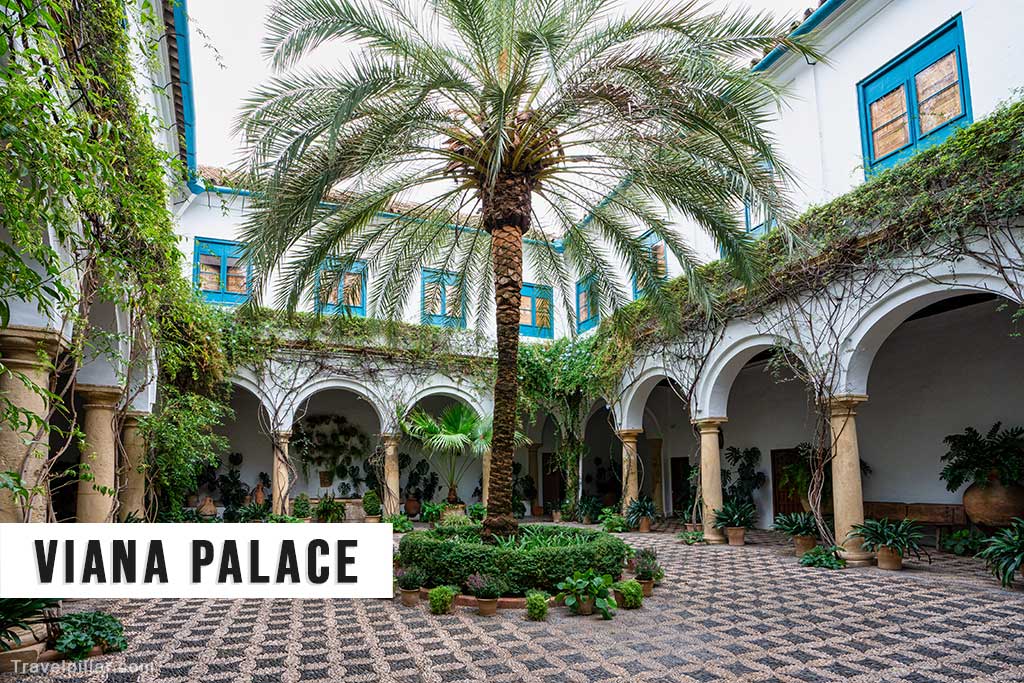
Viana Palace (Palacio de Viana) is a historic aristocratic residence located in Cordoba. Built in the 15th century, the palace is renowned for its beautifully maintained Andalusian-style courtyards and gardens. Housing an extensive collection of art, furniture, and tapestries, the palace offers visitors a glimpse into the opulent lifestyle of Spanish nobility throughout history. Guided tours are available for those interested in exploring the palace’s rich history and architecture.
Official website: https://www.palaciodeviana.com (in Spanish)
Google map 4.5/5
Calleja de las Flores
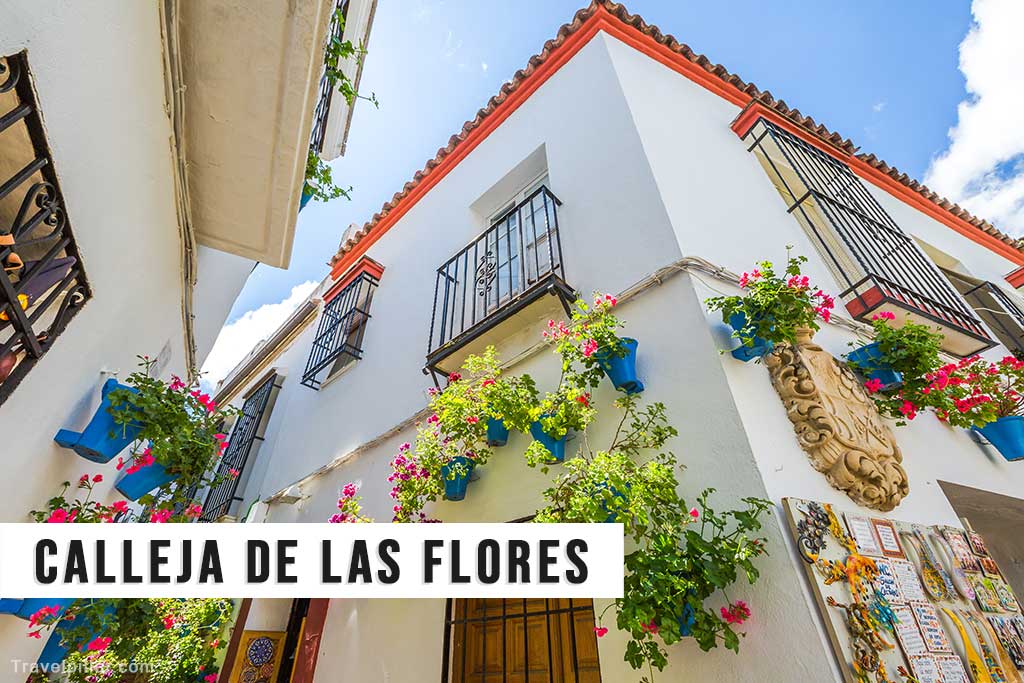
Calleja de las Flores is a narrow, picturesque street located in the historic Jewish Quarter of Cordoba. Known for its white-washed walls adorned with vibrant flower pots, Calleja de las Flores offers a charming and photogenic setting for visitors. The street’s focal point is a small square featuring a decorative fountain and a stunning view of the Mosque-Cathedral’s bell tower. Calleja de las Flores is an essential stop for those looking to experience the quintessential charm of Cordoba.
Google map 4.5/5
Calahorra Tower (Torre De Calahorra)
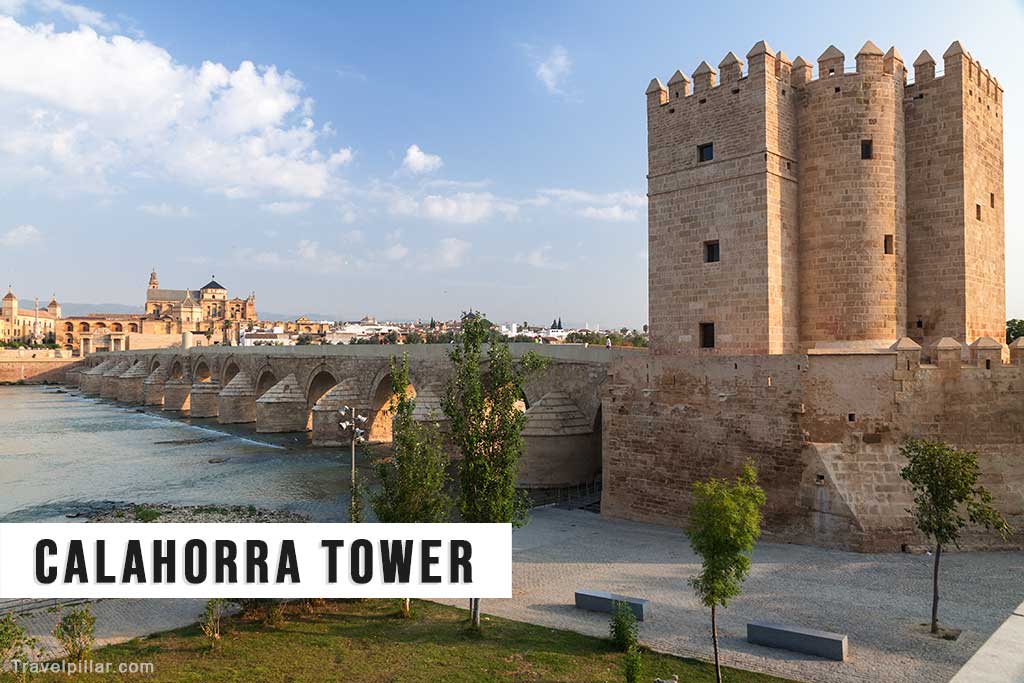
Calahorra Tower (Torre De Calahorra) is a historic fortified tower located at the southern end of the Roman Bridge in Cordoba. Built in the 12th century by the Almohad dynasty, the tower has served various defensive and surveillance purposes throughout history. Today, it houses the Museum of Al-Andalus Life, which showcases the cultural, scientific, and artistic achievements of Islamic, Jewish, and Christian communities during the medieval period in Andalusia.
Official website: https://www.spain.info/en/
Google map 4.4/5
Museum of Fine Arts of Córdoba (Museo de Bellas Artes de Córdoba)
Museo de Bellas Artes de Córdoba is a fine arts museum situated in the heart of the city. Housed in the historic Hospital de la Caridad, the museum showcases an extensive collection of Spanish art, with a focus on Andalusian artists from the 14th to the 20th centuries. Notable works include pieces by Julio Romero de Torres, Antonio del Castillo, and Alejo Fernández. The museum also features temporary exhibitions and educational programs, offering visitors an engaging and enriching cultural experience.
Google map 4.4/5
The Royal Stables of Cordoba (Caballerizas Reales)

The Royal Stables of Cordoba (Caballerizas Reales) is a historic equestrian complex built in the 16th century by King Philip II. The stables were created to breed and train the Andalusian horse, a renowned breed known for its strength, grace, and agility. Today, the Royal Stables host equestrian shows and offer visitors a chance to learn about the history of the Andalusian horse and its importance to the region.
Official website: https://cordobaecuestre.com (only Spanish)
Google map 4.3/5
Roman Temple of Cordoba (Templo Romano)

Roman Temple of Cordoba (Templo Romano) is an archaeological site located in Cordoba, Spain. Discovered in the 1950s, the temple dates back to the 1st century AD and is the only known Roman temple in the city. Though only a few columns and the temple’s foundation remain, the site offers a glimpse into Cordoba’s ancient past and the significant role it played during the Roman Empire.
Google map 4.2/5
Chapel of San Bartolomé (Capilla Mudéjar de San Bartolomé)

The Chapel of San Bartolomé is a small, historic church located in the heart of Cordoba’s Jewish Quarter ). Built in the 15th century, the chapel features a blend of Mudejar and Gothic architectural styles. Notable elements include the intricately carved wooden ceiling and the ornate stucco decoration. Visitors can admire the chapel’s beautiful craftsmanship and appreciate its role as a religious and cultural landmark within the city.
Google map 4.2/5
Plaza de la Corredera

Plaza de la Corredera is a large public square in Cordoba, Spain, renowned for its picturesque, rectangular layout and colorful architecture. Originally a Roman circus, the square has served various purposes throughout history, including hosting bullfights, markets, and public celebrations. Today, the plaza is lined with cafes, restaurants, and shops, providing an ideal setting for visitors to experience the lively atmosphere and rich history of Cordoba.
Google map 4.3/5
Cordoba Synagogue
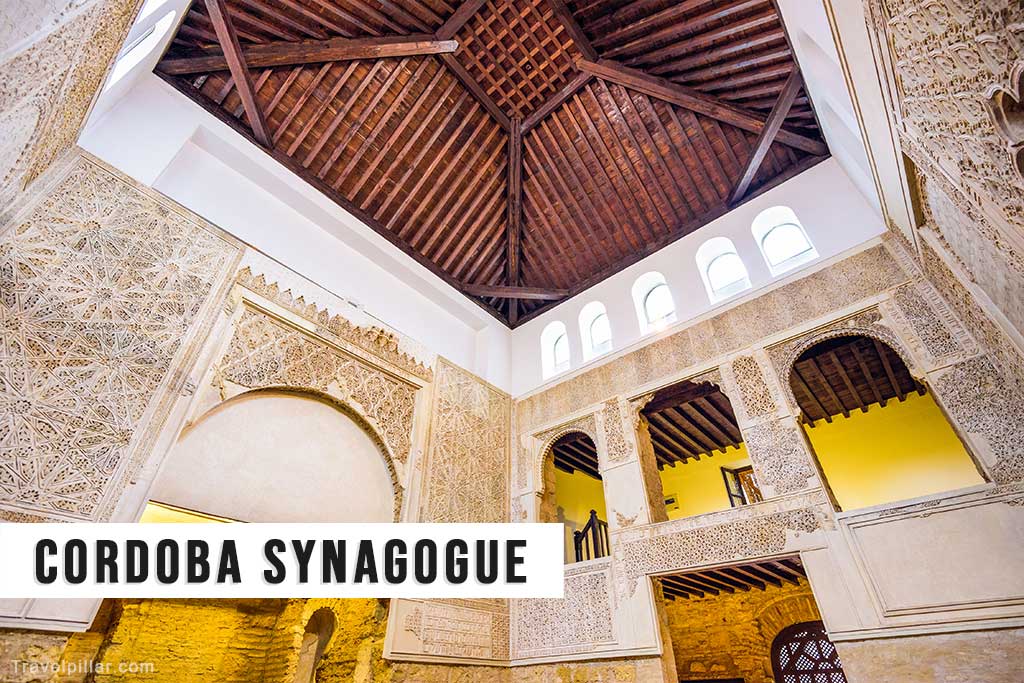
Cordoba Synagogue is a 14th-century Jewish place of worship located in the heart of Cordoba’s Jewish Quarter (La Judería). One of the few remaining medieval synagogues in Spain, it features a small prayer hall adorned with intricate plasterwork and Hebrew inscriptions. The synagogue serves as a significant cultural and historical landmark, providing insight into the religious diversity and tolerance that once characterized the city of Cordoba.
Google map 4.2/5
Try the Salmorejo

Salmorejo is a culinary recommendation for visitors to Cordoba, Spain. Salmorejo is a traditional Andalusian cold soup made from tomatoes, bread, olive oil, garlic, and vinegar, typically garnished with hard-boiled eggs and diced Serrano ham. Served as a tapa or appetizer, Salmorejo is a delicious and refreshing option for those looking to experience the authentic flavors of Cordoba’s gastronomy.
Patios de Cordoba
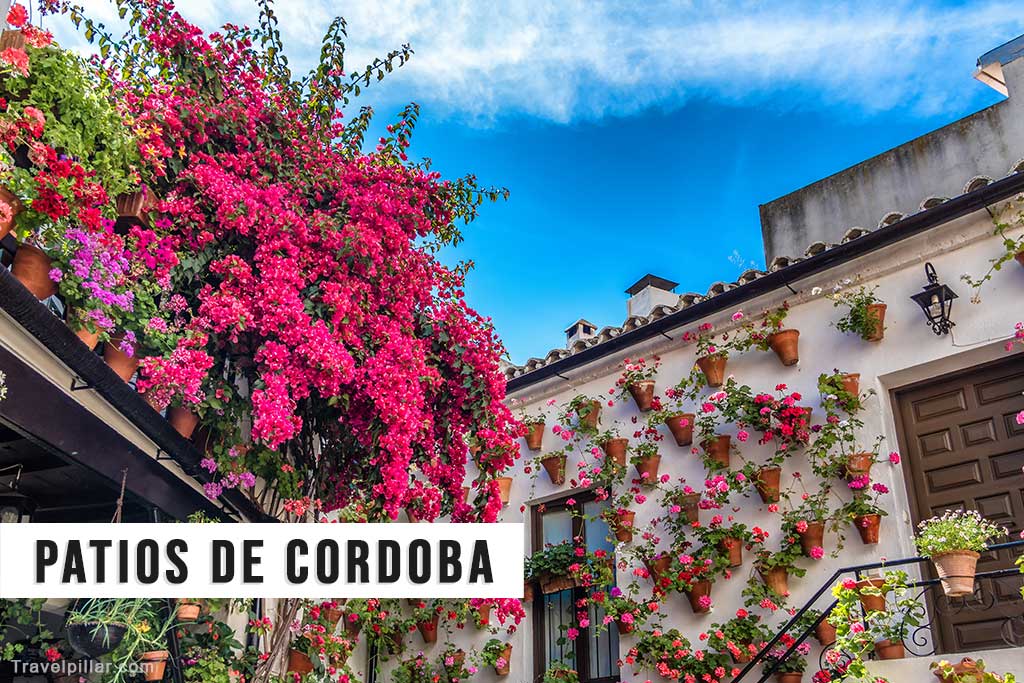
Patios de Cordoba is an annual festival celebrated in Cordoba, Spain, during which residents open their private courtyards to the public. The event showcases the city’s unique Andalusian-style patios, adorned with colorful flowers, fountains, and traditional decorative elements. Recognized as a UNESCO Intangible Cultural Heritage, the Patios de Cordoba festival offers visitors the opportunity to immerse themselves in the vibrant local culture and appreciate the artistry of Cordoba’s traditional courtyard gardens.