

Knossos Palace, located near Heraklion on the island of Crete, Greece, is the largest Bronze Age archaeological site on the island and has significant historical importance. It is widely considered the ceremonial and political center of the Minoan civilization, which flourished from approximately 2000 to 1400 BC.
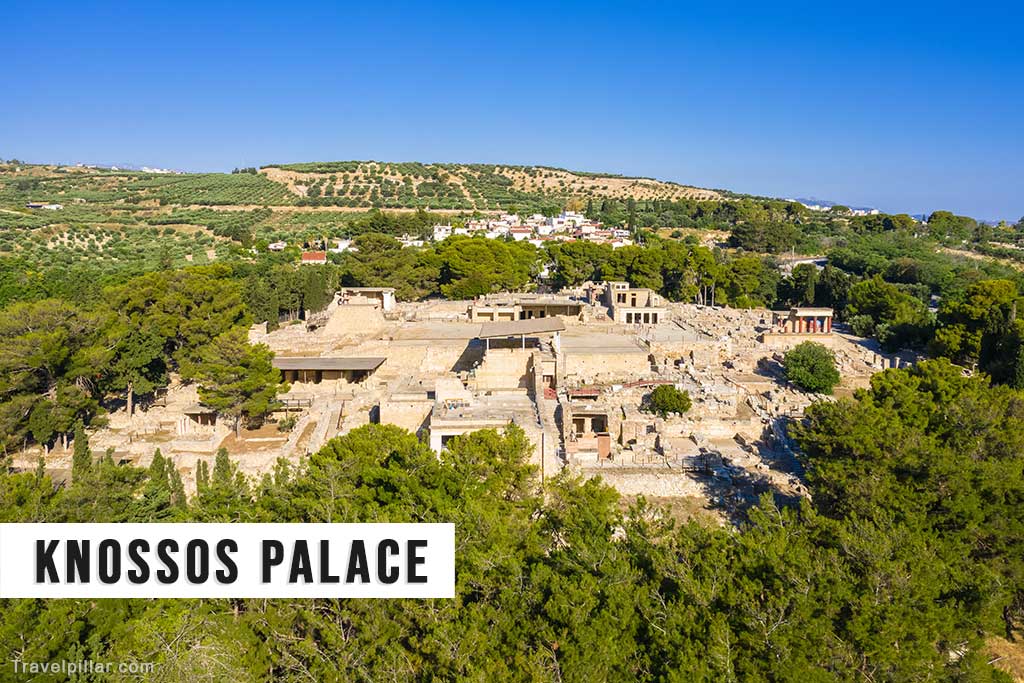
The palace complex covers around 20,000 square meters and includes over 1,000 interlinked rooms. These rooms served various functions, including residential quarters, workshops, storerooms, and religious areas. The site is noted for its advanced architectural design, featuring multi-story buildings, extensive use of columns, and sophisticated drainage systems.
Excavations at Knossos began in the early 20th century under the direction of British archaeologist Sir Arthur Evans. Evans’ work revealed the complex layout of the palace and led to significant reconstructions, some of which remain controversial due to the extensive use of modern materials and interpretative liberties.

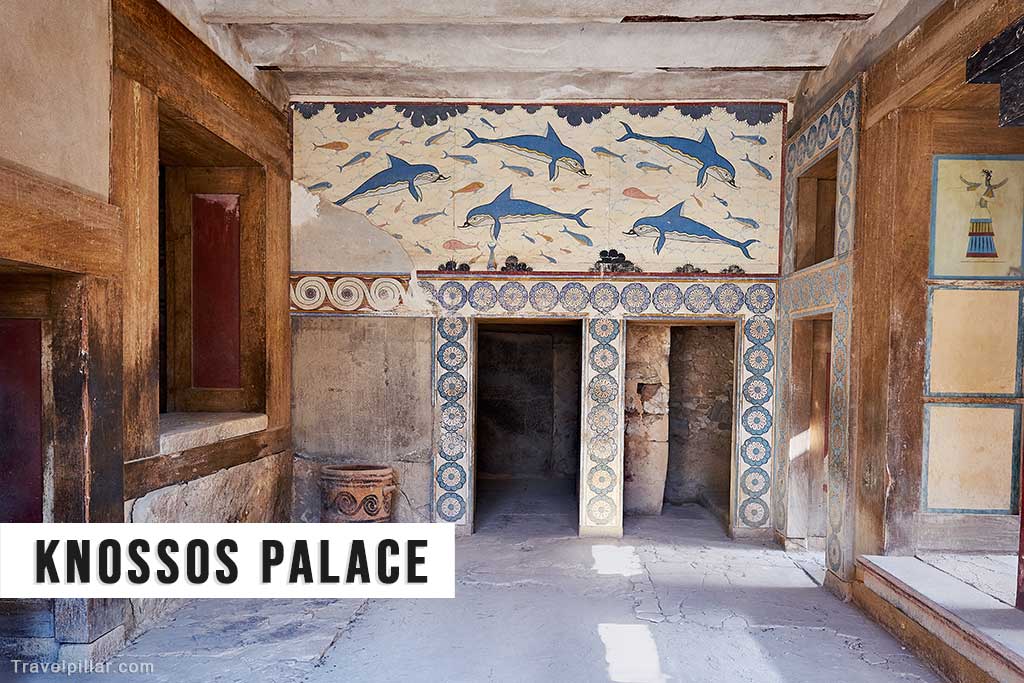
Among the notable features of Knossos Palace are the Throne Room, which includes an alabaster seat believed to be a ceremonial throne, and the Queen’s Megaron, decorated with intricate frescoes depicting dolphins and other marine life. The frescoes throughout the palace are renowned for their vivid colors and detailed depictions of Minoan life and mythology.
The palace also includes a central courtyard, which was likely used for public ceremonies and gatherings. The complex’s storerooms contained large clay jars, or pithoi, used for storing oil, grain, and other goods, indicating the site’s role as an administrative and economic hub.
Visitors to Knossos Palace can explore the extensive ruins and view many of the artifacts uncovered during excavations, which are displayed both on-site and in the Heraklion Archaeological Museum. The museum houses an extensive collection of Minoan artifacts, providing further context to the findings at Knossos.
Official website: https://knossospalace.gr
Google map (4.3/5)