
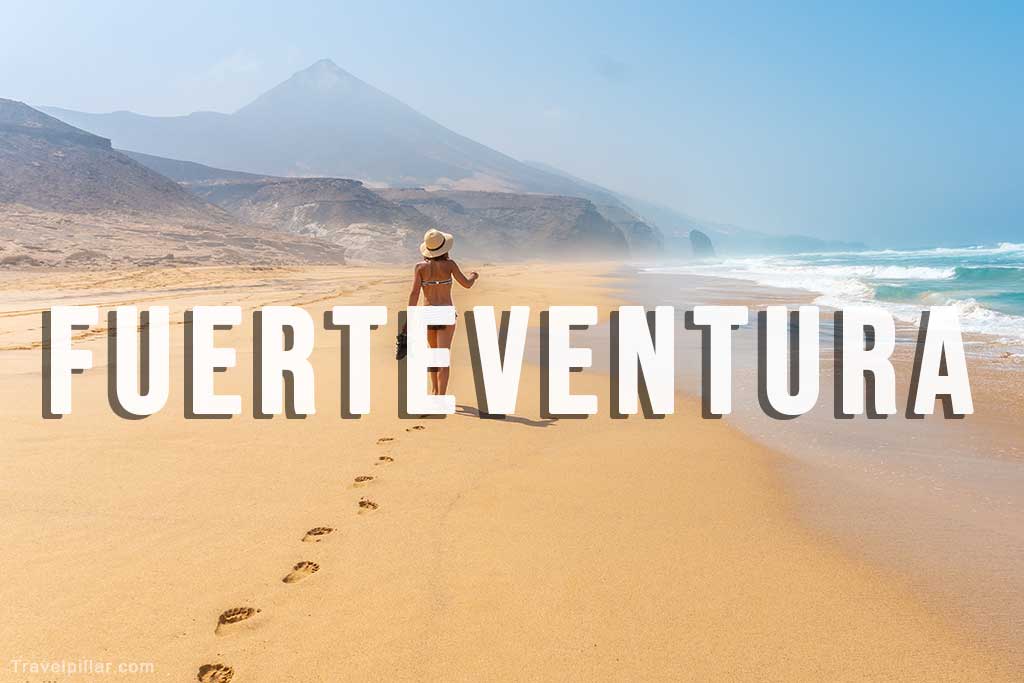
Fuerteventura is the second largest island of the Canary Islands, Spain, and a popular tourist destination for its stunning beaches, turquoise waters, and diverse landscape. Fuerteventura is known for its desert-like terrain, sand dunes, and picturesque villages. It is also a great place for activities like windsurfing, kite-surfing, and water sports.
Official tourism website: https://www.visitfuerteventura.com/
Google map of Fuerteventura 4.6/5
The Best Things to Do in Fuerteventura
Parque Natural de Corralejo (Corralejo Natural Park)
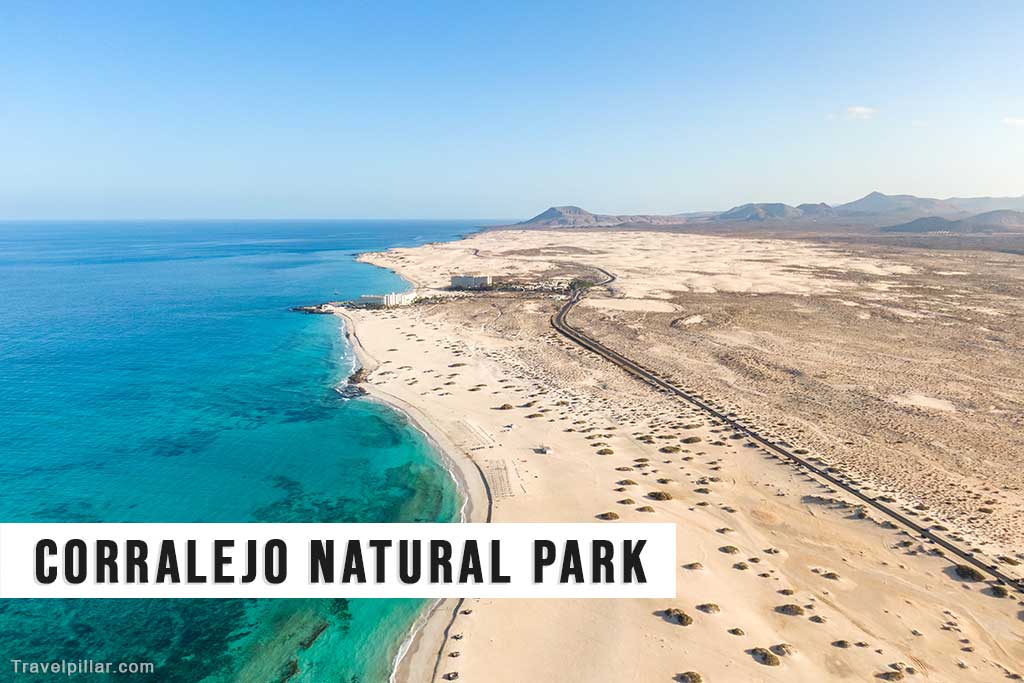
Parque Natural de Corralejo is a protected nature reserve located in the northern part of Fuerteventura. Covering an area of 2,600 hectares, the park is famous for its vast expanse of sand dunes, which stretch for over 10 kilometers along the coastline. These unique landscapes, combined with pristine beaches and crystal-clear waters, make the park a popular destination for nature lovers and beachgoers alike. Visitors can enjoy various activities, such as hiking, birdwatching, and water sports.
Official website: https://www.visitfuerteventura.com/
Google map (4.8/5)
Corralejo
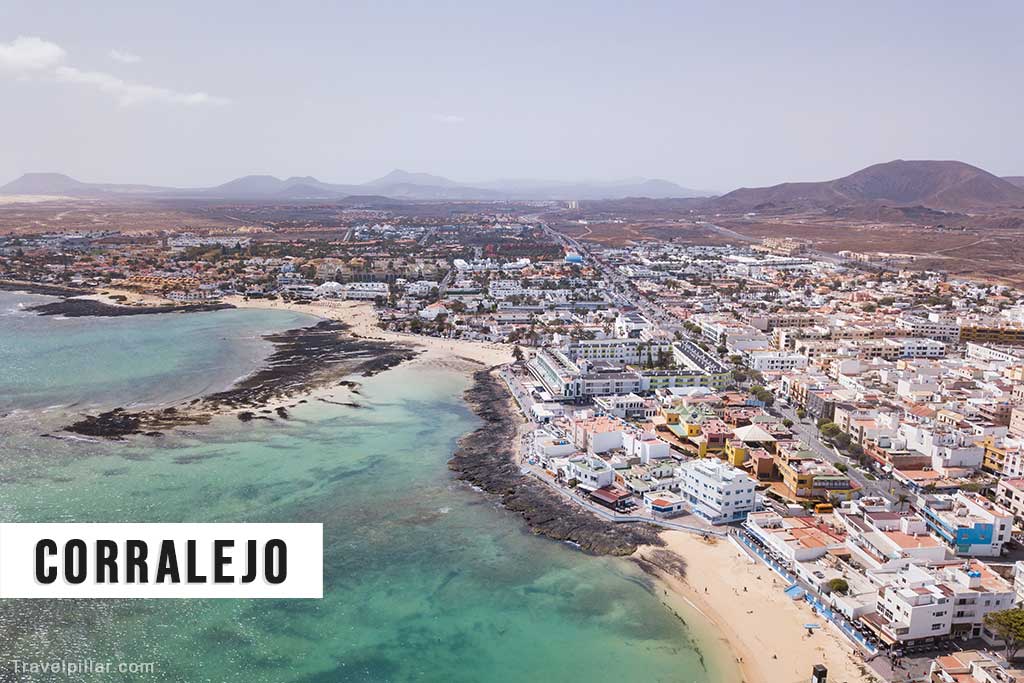
Corralejo, located on the northern tip of Fuerteventura, is a bustling resort town known for its golden sand dunes and vibrant atmosphere. The town offers a range of amenities, including restaurants, bars, and shops, making it a popular destination for tourists. Nature enthusiasts can explore the nearby Corralejo Natural Park with its striking dunes, while water sports enthusiasts can indulge in windsurfing and kiteboarding. Ferries to nearby islands like Lanzarote are easily accessible from Corralejo’s port, adding to its appeal as a gateway to further exploration in the Canaries.
El Cotillo

El Cotillo is a picturesque fishing village situated on the northwest coast of Fuerteventura. Known for its laid-back atmosphere and stunning natural surroundings, the village attracts visitors seeking a tranquil escape. El Cotillo boasts a variety of beautiful beaches, such as Playa de la Concha and Playa del Aguila, ideal for sunbathing, swimming, and surfing. The village also features the historic El Tostón Castle, a 17th-century fortress built to protect against pirate attacks.
Google map (village)
Beaches to the north of El Cotillo
Google map (Playa De Los Lagos) 4.6/5
Google map (El Cotillo Beach) 4.6/5
Google map (Playa de Marfolin) 4.7/5
Google map (La Concha) 4.6/5
Google map (Playa Los Charcos III) 4.7/5
Google map (Playa La Barra) 4.8/5
Google map (Playa El Islote) 4.7/5
Beaches to the south of El Cotillo
Google map (Playa del Castillo) 4.7/5
Google map (Playa del Aljibe de la Cueva) 4.7/5
Sotavento Beach (Playa de Sotavento de Jandía)

Playa de Sotavento is a stunning stretch of coastline located on the southeastern coast of Fuerteventura, near Costa Calma. Spanning over 10 kilometers, the beach features golden sand, turquoise waters, and a unique tidal lagoon. With consistent trade winds, Playa de Sotavento is a popular destination for windsurfing and kitesurfing enthusiasts, hosting annual international competitions. The beach also offers sun loungers and parasols for those looking to relax and enjoy the natural beauty of the area.
Google map (Playa de Sotavento) 4.7/5
Google map (Playa de Sotavento de Jandía) 4.8/5
Isla de Lobos
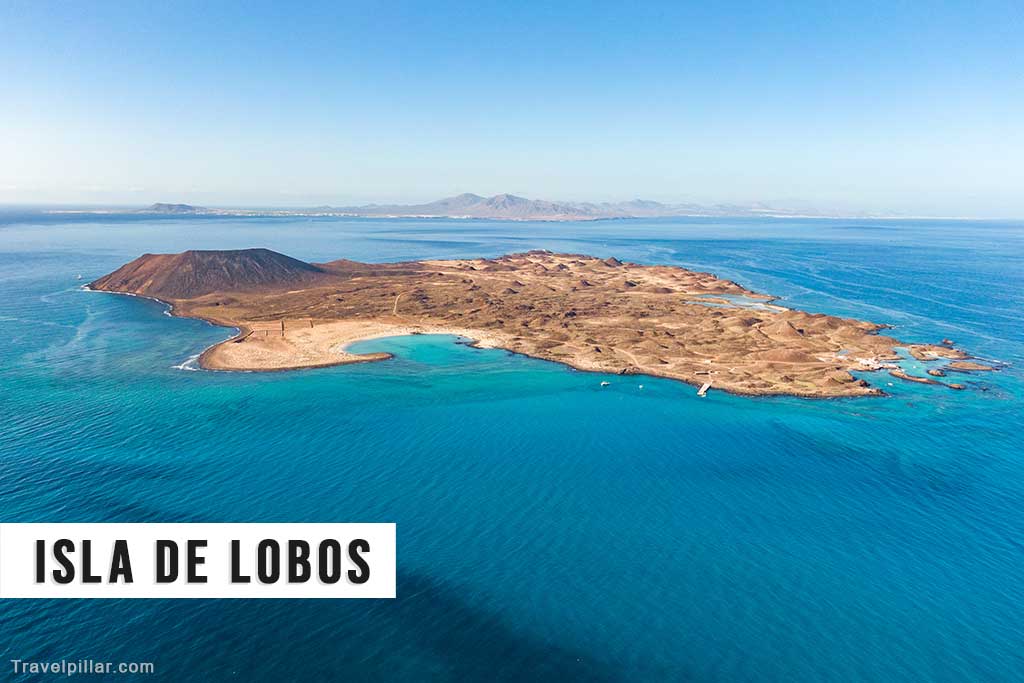
Day trip to Isla de Lobos offers a unique opportunity to explore this small, uninhabited island located just 2 kilometers north of Fuerteventura. Accessible by a short boat trip from Corralejo, the island is a protected nature reserve, boasting diverse flora and fauna, pristine beaches, and crystal-clear waters. Visitors can enjoy a range of activities, such as hiking, birdwatching, and snorkeling, as well as take in the breathtaking views of the surrounding islands and volcanic landscapes.
Google map 4.6/5
Calderón Hondo
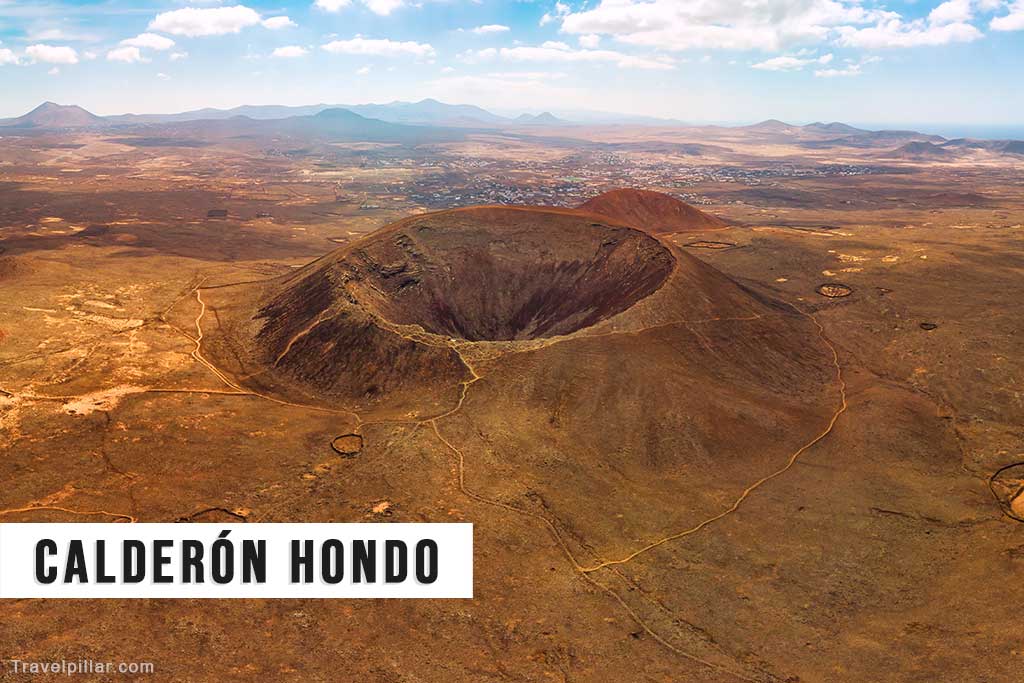
Calderón Hondo is an impressive volcanic crater located near the town of Lajares in northern Fuerteventura. The well-preserved crater is approximately 70 meters deep and 278 meters in diameter, offering a fascinating insight into the island’s volcanic past. A moderately challenging hiking trail leads to the crater’s summit, where visitors can enjoy panoramic views of the surrounding landscape, including the nearby islands of Lanzarote and La Graciosa. The hike also provides opportunities for birdwatching and observing the island’s unique flora.
Google map 4.8/5
Betancuria
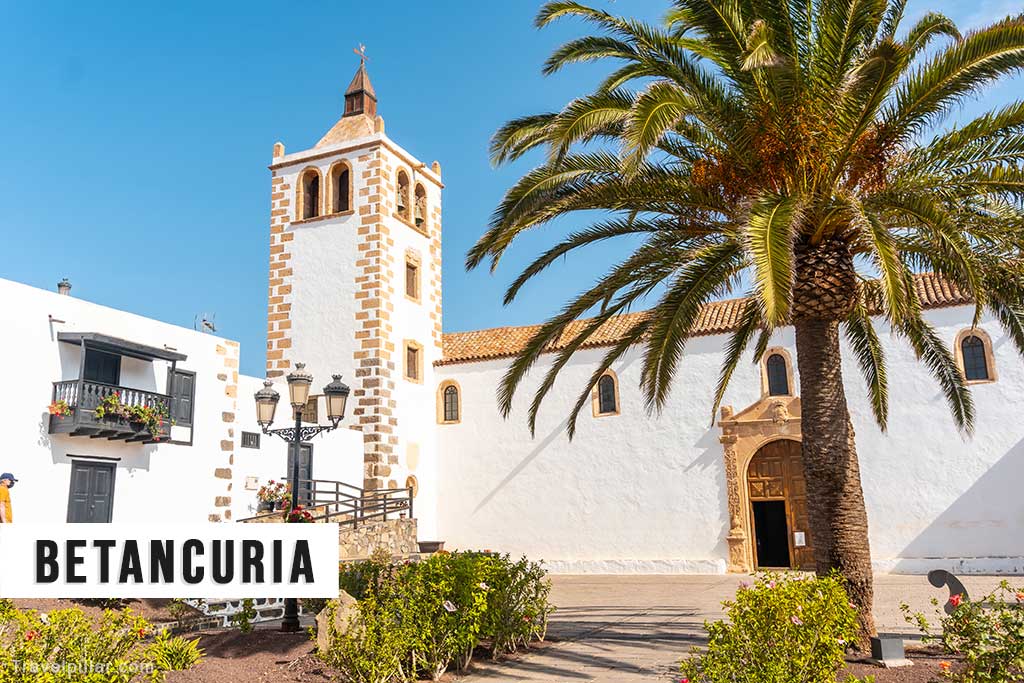
Betancuria, founded in 1404, is the oldest and most historic town in Fuerteventura. Located in the central part of the island, the town is nestled in a picturesque valley surrounded by rugged mountains. Visitors can explore its charming, narrow streets and well-preserved architecture, including the Santa María Cathedral and the Convent of San Buenaventura. Betancuria also hosts several museums, such as the Museum of Sacred Art and the Archaeological Museum, showcasing the island’s rich history and culture.
Visit an Aloe Vera plantation
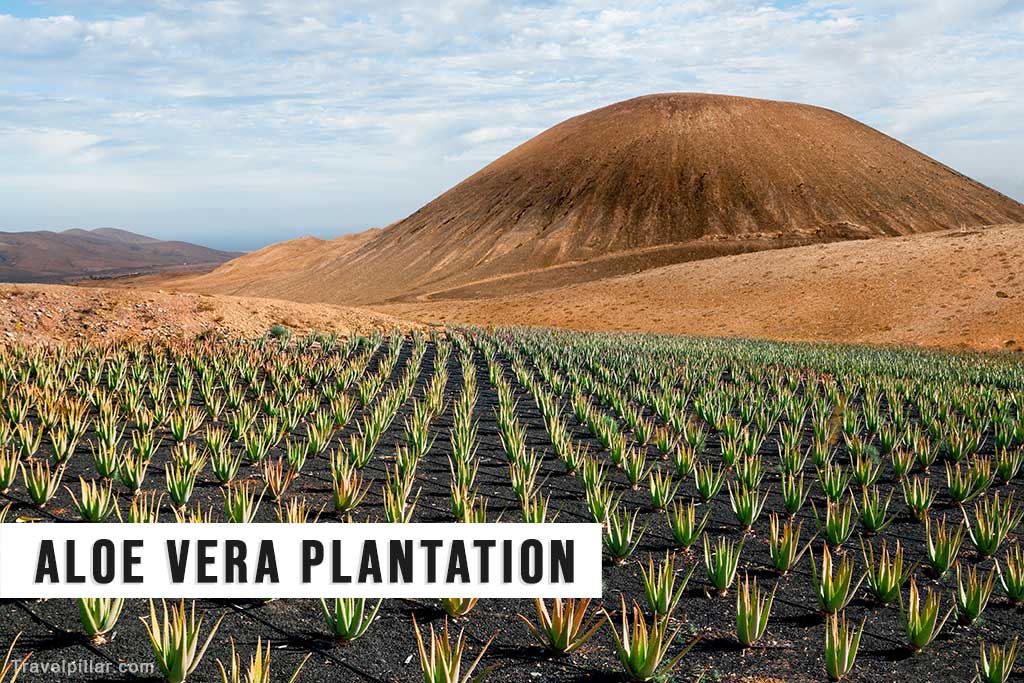
Visit an Aloe Vera plantation in Fuerteventura to discover the island’s long-standing tradition of cultivating this versatile plant, known for its numerous health and cosmetic benefits. Several plantations and factories offer guided tours, providing visitors with the opportunity to learn about the cultivation process, the plant’s history on the island, and its various uses. Some plantations, such as Aloe Vera Finca Canarias and Aloe Vera Info Center, also feature on-site shops where visitors can purchase a range of high-quality, locally produced products.
Playa de Cofete
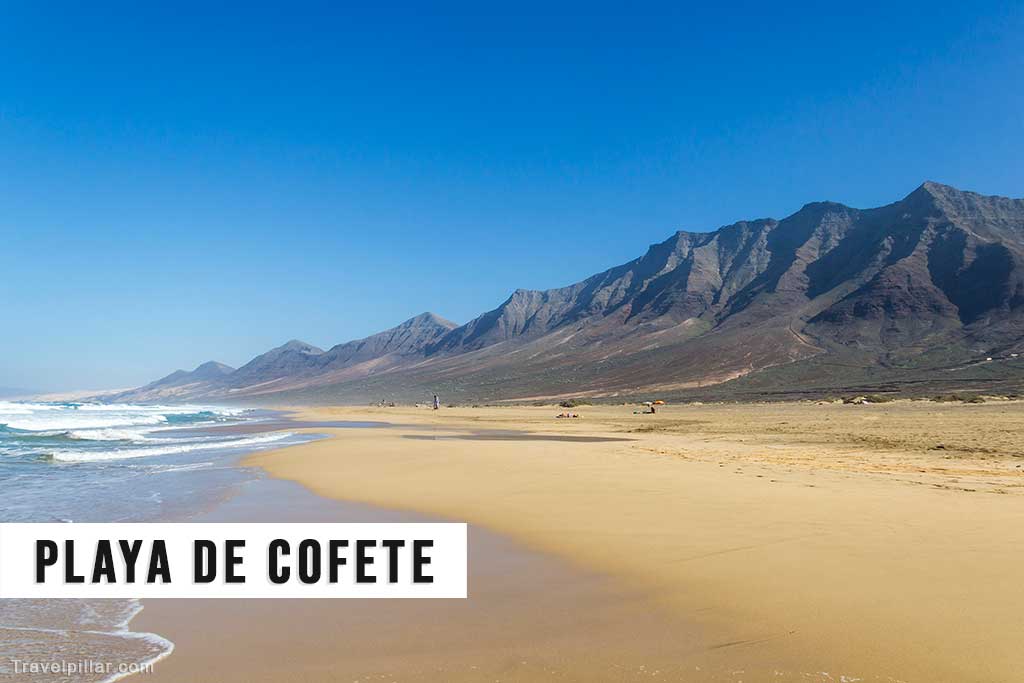
Playa de Cofete is a secluded, unspoiled beach located on the southwestern coast of Fuerteventura, within the Jandía Natural Park. Stretching for over 12 kilometers, the beach is characterized by its golden sand, dramatic cliffs, and powerful waves. Due to its remote location and strong currents, swimming is not recommended, but the beach is an ideal spot for those seeking solitude and stunning natural beauty. Access to Playa de Cofete requires a 4×4 vehicle or a challenging hike.
Google map 4.8/5
Morro Jable
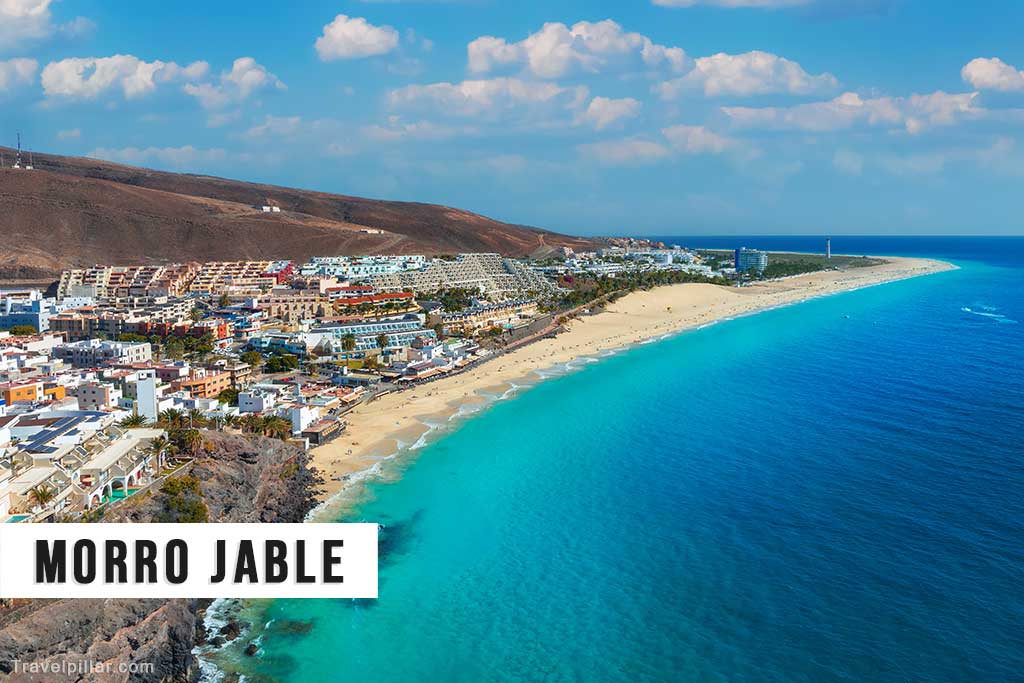
Morro Jable is a popular resort town situated on the southern tip of Fuerteventura. Known for its expansive sandy beaches, such as Playa del Matorral and Playa de Jandía, the town attracts visitors seeking sun, sea, and relaxation. Morro Jable offers a wide range of accommodations, shops, and restaurants catering to various preferences. The town also serves as a hub for water sports, boat excursions, and provides ferry connections to Gran Canaria. Nearby attractions include the Jandía Lighthouse and the Turtle Nursery.
Google map Morro Jable town
Google map 4.7/5 Playa del Matorral Beach
Google map 4.6/5 Playa de Jandia
Day trip to Lanzarote

A day trip to Lanzarote offers visitors the chance to explore the neighboring island, known for its unique volcanic landscapes and striking contrasts of black lava fields and white sandy beaches. Accessible by ferry from Corralejo, Lanzarote boasts attractions such as the Timanfaya National Park, with its dramatic volcanic formations, and the Jameos del Agua, a stunning cave system designed by local artist César Manrique. The island is also home to charming villages, vineyards, and beautiful beaches, providing a diverse range of experiences for visitors.
Official tourism websites:
https://turismolanzarote.com
Google map 4.7/5
Fuerteventura Windmills
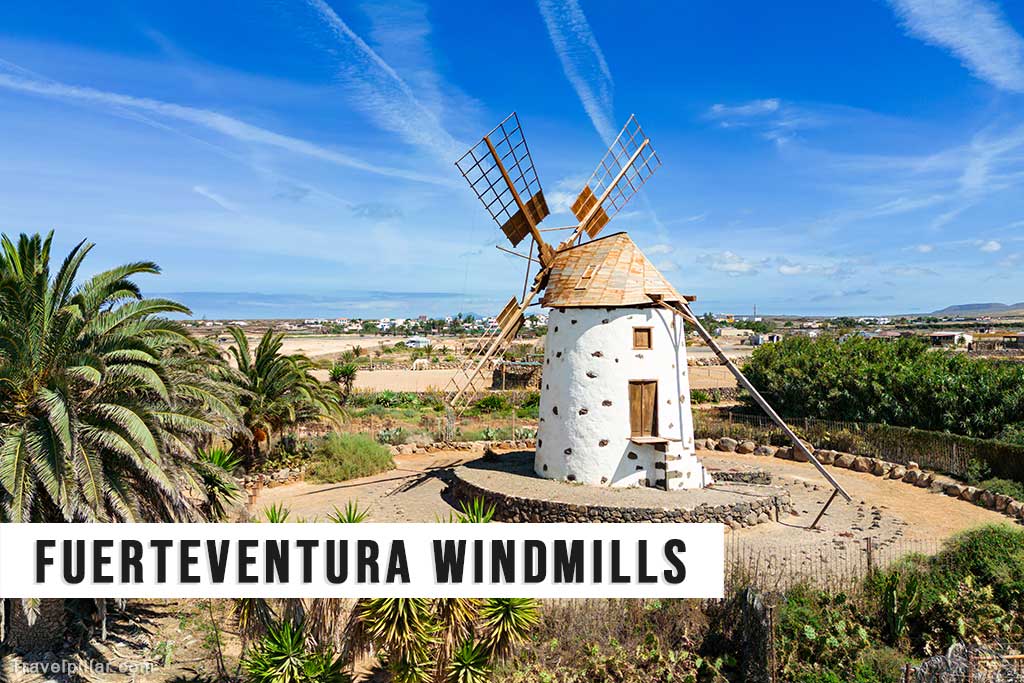
Fuerteventura Windmills are iconic symbols of the island’s agricultural heritage, primarily used in the past to grind grain for the production of gofio, a traditional Canarian flour. Scattered across the island, these well-preserved structures offer insight into Fuerteventura’s history and culture. Some windmills, such as the Molino de Antigua and Molino de Tiscamanita, have been restored and converted into museums, providing visitors with the opportunity to learn about their history and functionality.
Official website: https://centrolosmolinosfuerteventura.es/
Google map 4.6/5 Centro de Interpretacion de los Molinos
Google map Molino de Antigua
Ajuy Caves
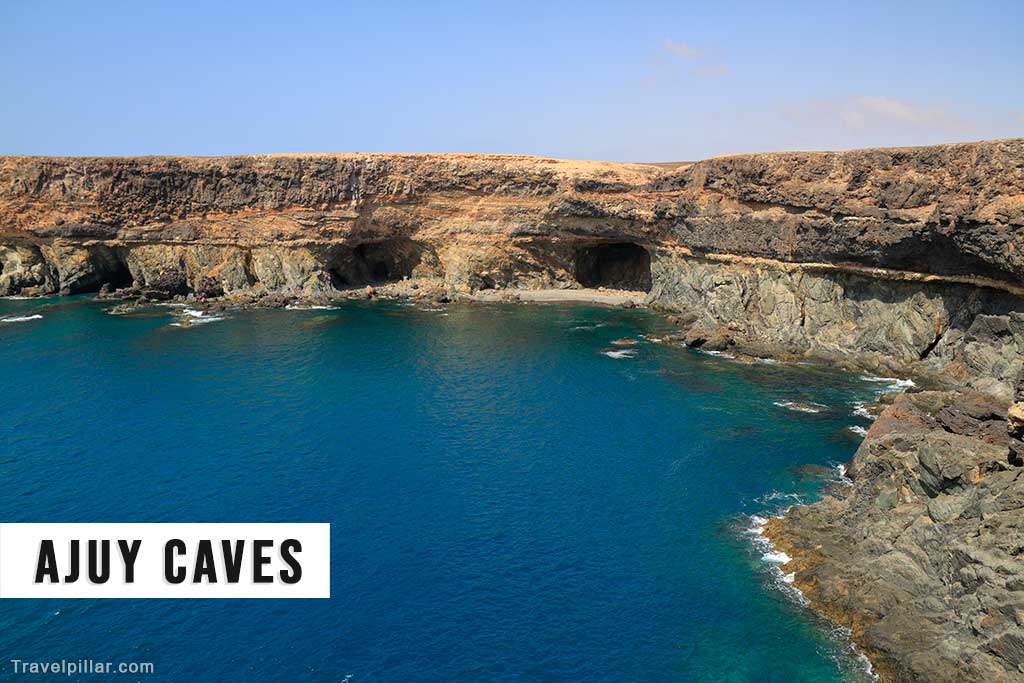
Ajuy Caves, located near the small fishing village of Ajuy on Fuerteventura’s west coast, are a fascinating geological attraction formed by erosion over thousands of years. A well-marked coastal path leads visitors to these impressive limestone caves, offering stunning views of the rugged coastline and the Atlantic Ocean along the way. Due to their historical significance and delicate environment, it is important to follow designated paths and respect the caves’ preservation guidelines when exploring the area.
Official website: https://www.visitfuerteventura.com/en/
Google map 4.7/5
La Oliva
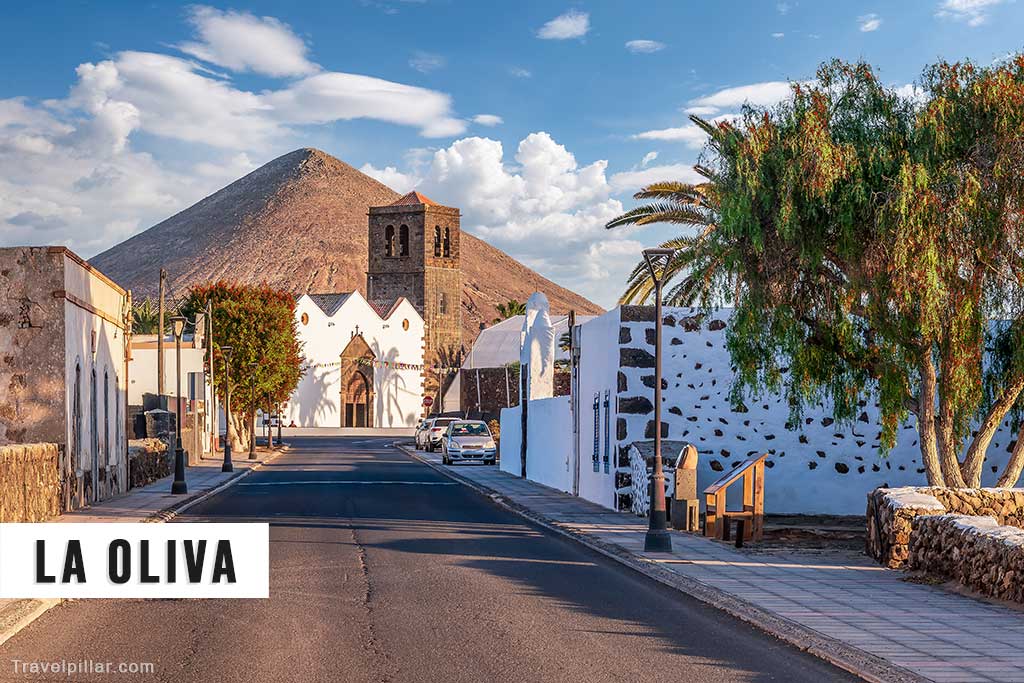
La Oliva, situated in the northern part of Fuerteventura, is a quaint town steeped in history and traditional Canarian charm. Visitors can explore the town’s historic landmarks, such as the Casa de los Coroneles, a stately 18th-century mansion, and the Church of Nuestra Señora de la Candelaria. La Oliva also hosts a weekly farmers’ market, offering an array of locally grown produce and artisanal products. The town serves as a convenient base for exploring nearby attractions, such as the Parque Natural de Corralejo and Calderón Hondo.
Watersports in Fuerteventure
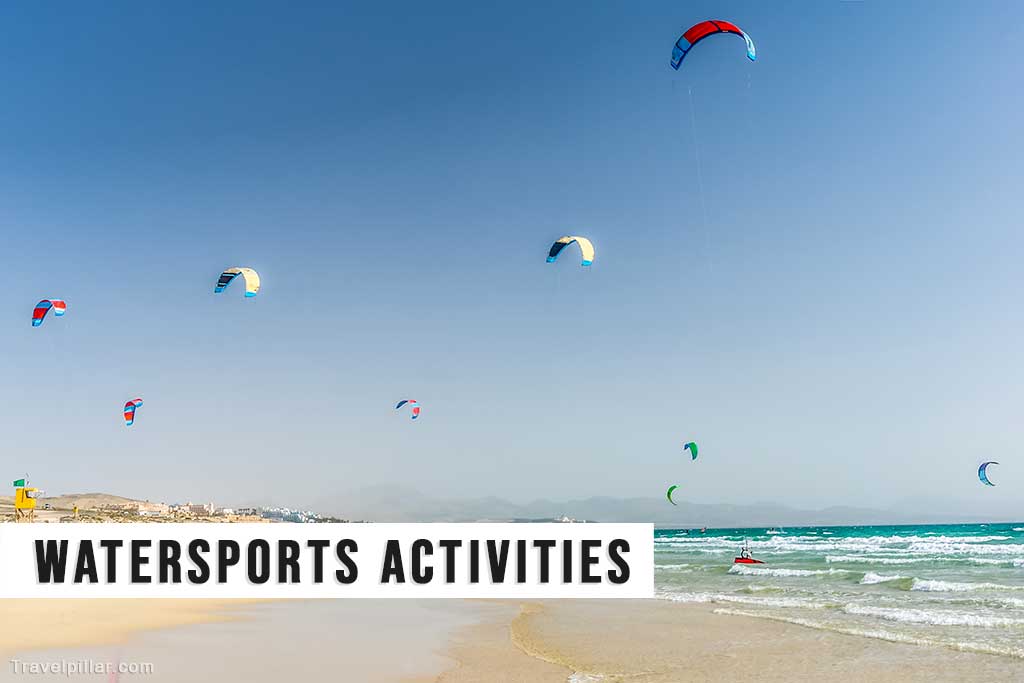
Watersports in Fuerteventura are a major draw for visitors seeking excitement and adventure amid the island’s beautiful natural surroundings. With consistent trade winds, warm temperatures, and crystal-clear waters, Fuerteventura offers optimal conditions for a variety of aquatic activities. Popular options include windsurfing, kitesurfing, and surfing, with renowned spots such as Playa de Sotavento, El Cotillo, and Corralejo catering to different skill levels. Stand-up paddleboarding, kayaking, and jet-skiing are also available at various locations around the island. For those interested in exploring the underwater world, Fuerteventura boasts excellent diving and snorkeling opportunities, with diverse marine life and unique volcanic seascapes. Several schools and rental centers provide equipment, lessons, and guided excursions, ensuring a safe and enjoyable experience for all participants.