

Havana, the capital city of Cuba, is a destination steeped in rich history and vibrant culture. As the largest city in the Caribbean, Havana boasts a population of over 2 million residents and covers an area of 728 square kilometers.
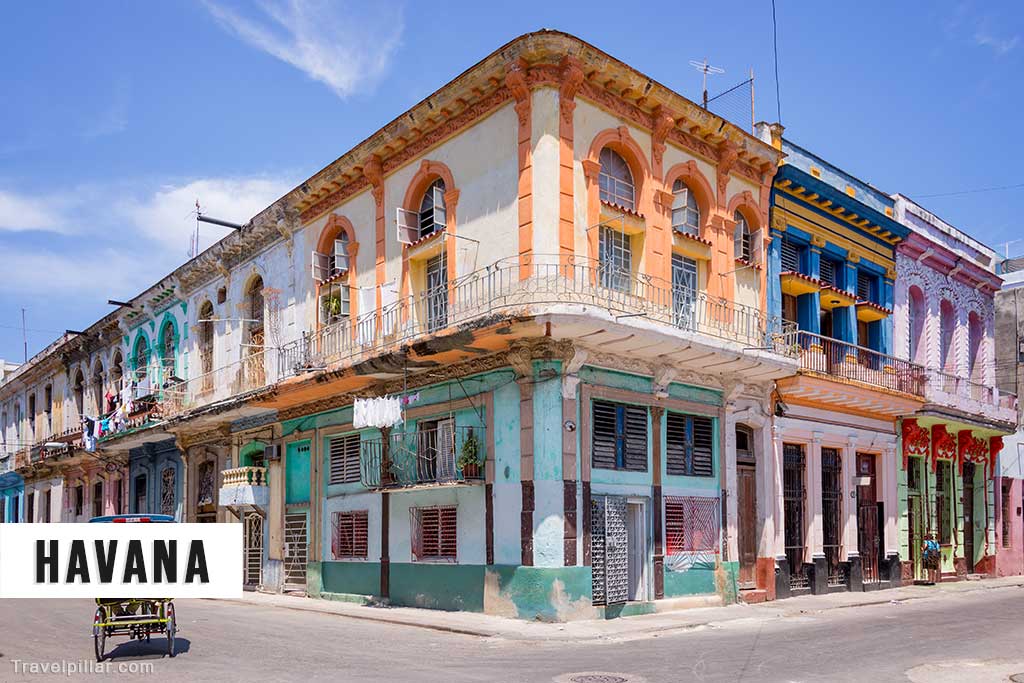
Established in 1519 by Spanish conquistadors, Havana’s Old Town (Habana Vieja) is a UNESCO World Heritage site, featuring well-preserved examples of Baroque and Neoclassical architecture. Key landmarks include the Castillo de la Real Fuerza, a 16th-century fortress, and the historic Catedral de San Cristóbal de la Habana.

A trip to Havana would be incomplete without a visit to the iconic Malecón, an 8-kilometer long seawall and esplanade, offering stunning views of the Atlantic Ocean. The city is also home to the renowned Tropicana Club, showcasing the exuberant Cuban cabaret scene since 1939.
With a plethora of museums, galleries, and markets, Havana caters to a variety of interests. Travelers can explore Cuban history at the Museum of the Revolution, appreciate modern art at the National Museum of Fine Arts, or savor the flavors of the island at the bustling street markets.
Cuba’s Official tourism website: https://www.cuba.travel/en
The Best Places to Visit in Havana
Old Havana (La Habana Vieja)
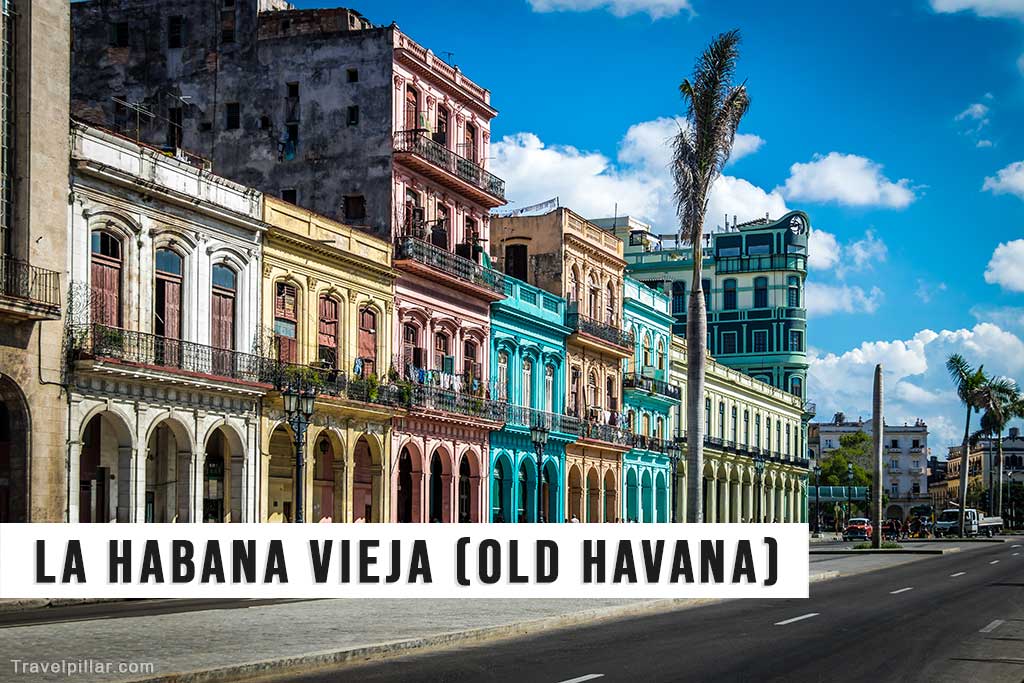
Old Havana, a UNESCO World Heritage site, is the historic heart of Cuba’s capital city. The district features a maze of narrow streets lined with vibrant colonial-era buildings, charming plazas, and cultural landmarks. Visitors can explore numerous historical sites such as Plaza de Armas, Plaza Vieja, Plaza de la Catedral, and Plaza de San Francisco de Asís. Additionally, they can visit various museums and galleries showcasing Cuban history and art, dine at authentic paladares (privately-owned restaurants), and enjoy the lively atmosphere of street performances and local vendors.
El Malecón
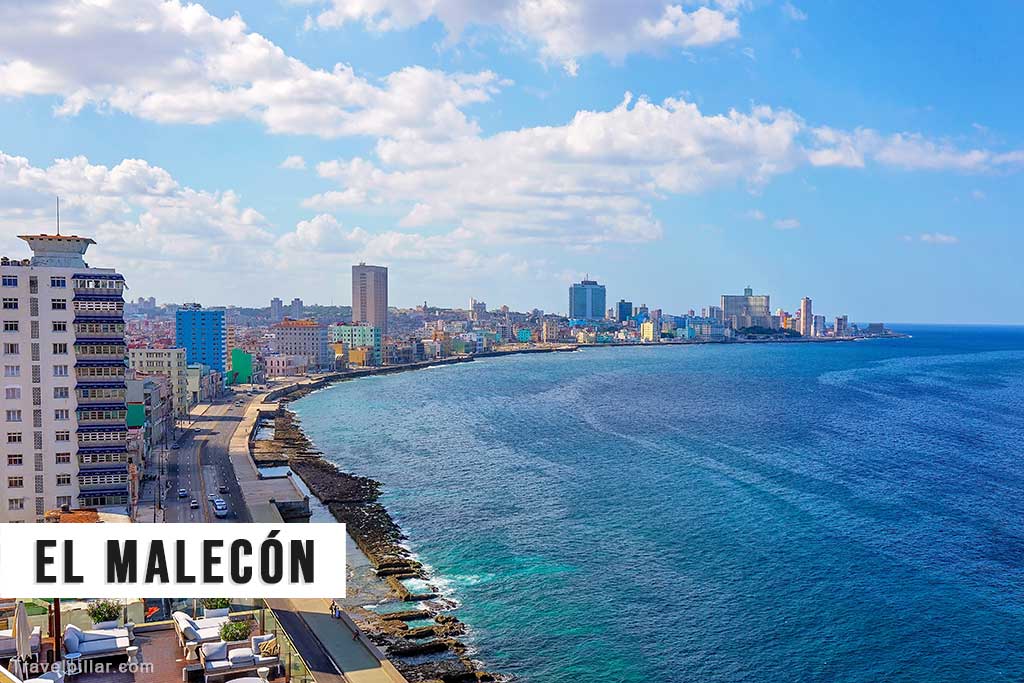
El Malecón is an iconic 8-kilometer long seawall and promenade that stretches along Havana’s coastline, from the mouth of Havana Harbor in Old Havana to the modern Vedado neighborhood. This popular destination for both locals and tourists offers panoramic views of the Atlantic Ocean, colorful colonial buildings, and lively street performances. It’s an ideal place to take a leisurely walk, witness spectacular sunsets, and experience the vibrant energy of Cuban culture.
Google map 4.7/5
Castillo de los Tres Reyes del Morro
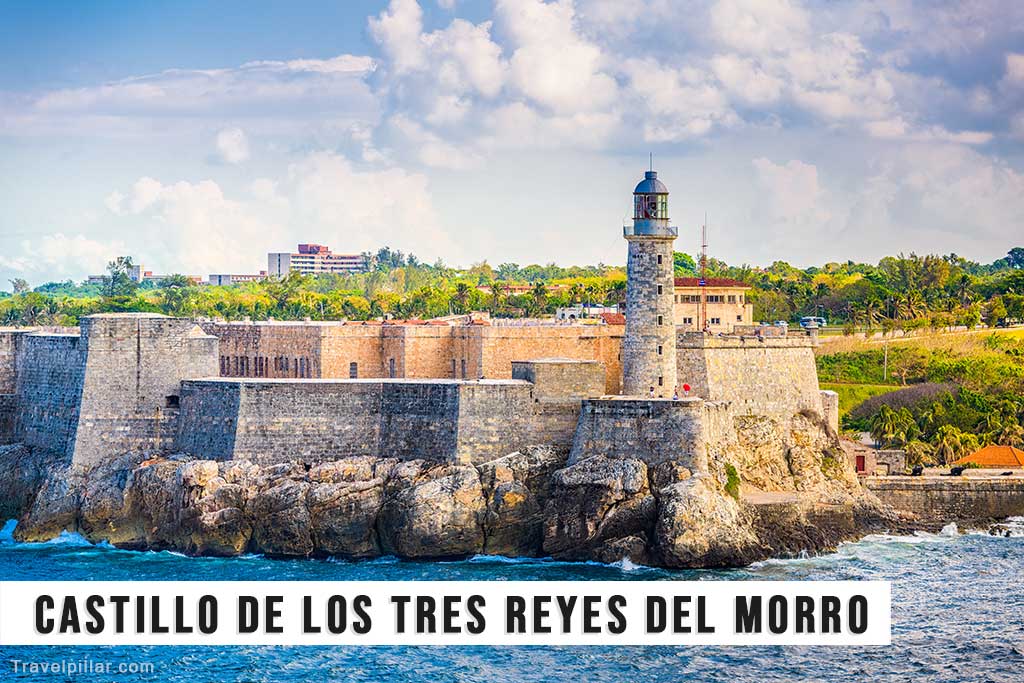
Morro Castle (Castillo de los Tres Reyes del Morro) is a 16th-century fortress strategically located at the entrance to Havana Harbor. Constructed to protect the city from pirates and foreign invaders, the castle is an impressive example of military architecture. Visitors can explore the sprawling fortifications, visit the on-site Maritime Museum, and enjoy stunning views of Havana’s skyline and the sea. At sunset, a traditional cannon-firing ceremony takes place, providing a glimpse into the fortress’s historical customs.
Google map 4.6/5
Plaza Vieja (Old Square)
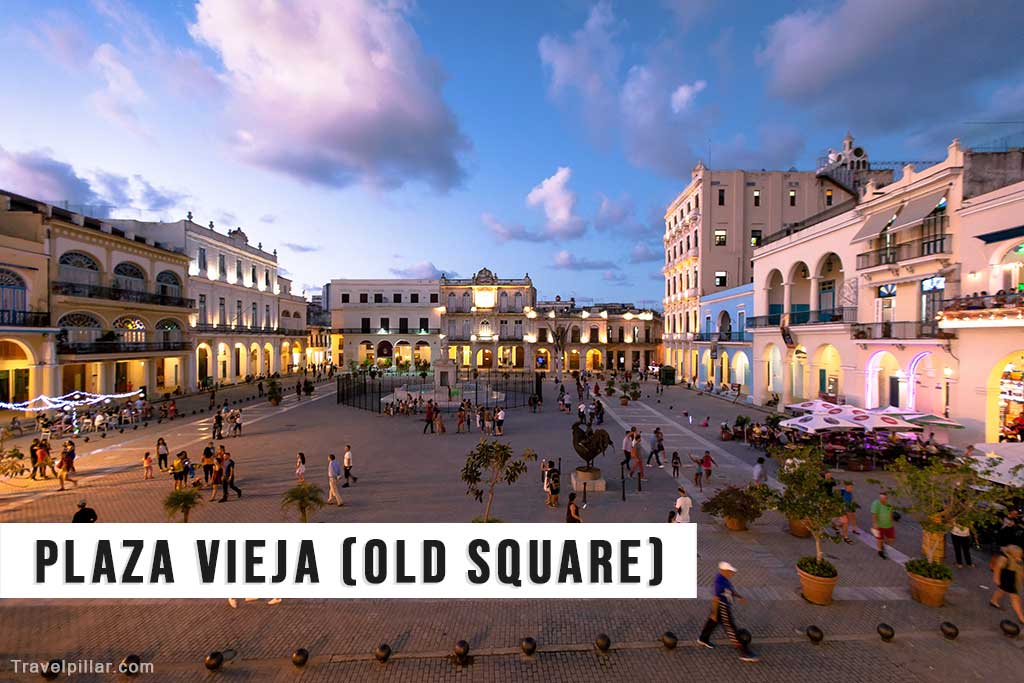
Plaza Vieja is a beautifully restored square in the heart of Old Havana, known for its colorful colonial buildings, historic landmarks, and vibrant atmosphere. Established in the 16th century, the square has been a center of social and commercial activity for centuries. Today, visitors can admire the stunning architecture, visit the Camera Obscura for panoramic views of the city, and explore the nearby art galleries and museums. Plaza Vieja is also home to several restaurants, cafes, and bars, making it a perfect spot to relax and soak up the ambiance of Havana.
Google map 4.6/5
El Capitolio

El Capitolio, or the National Capitol Building, is an iconic neoclassical structure built in the 1920s, inspired by the United States Capitol. Located in the Central Havana neighborhood, the building features a striking dome that dominates the city skyline. El Capitolio formerly housed the Cuban Congress and now serves as the headquarters for the Cuban Academy of Sciences and the National Library of Science and Technology. Visitors can take guided tours to appreciate the building’s stunning architecture, including the grand Hall of Lost Steps, the colossal Statue of the Republic, and the beautiful frescoes adorning the interior.
Google map 4.7/5
Plaza de la Catedral

Plaza de la Catedral is a picturesque square in Old Havana, surrounded by elegant colonial buildings and anchored by the stunning Catedral de San Cristóbal de la Habana. The square is characterized by its cobblestone streets, graceful arches, and lush greenery, providing a serene atmosphere in the midst of the bustling city. In addition to the cathedral, visitors can explore the nearby museums, such as the Colonial Art Museum and the Museum of Sacred Art, as well as enjoy a meal or drink at one of the charming restaurants and bars lining the square. Plaza de la Catedral is a must-visit destination for its historical and architectural charm, as well as its vibrant cultural scene.
Google map 4.7/5
Museo Hemingway Finca Vigia

Finca Vigía, located in the San Francisco de Paula district, was the home of American writer Ernest Hemingway for over two decades. The house has been meticulously preserved as a museum, providing visitors with an intimate glimpse into the author’s life in Cuba. The museum displays Hemingway’s personal belongings, including his extensive book collection, typewriter, and hunting trophies. Visitors can also explore the lush gardens and take in the panoramic views of Havana that inspired the author. In addition to Finca Vigía, travelers can visit Hemingway’s favorite bars, such as La Bodeguita del Medio and El Floridita, to complete their literary pilgrimage.
Google map 4.5/5
Museo Nacional de Bellas Artes de La Habana
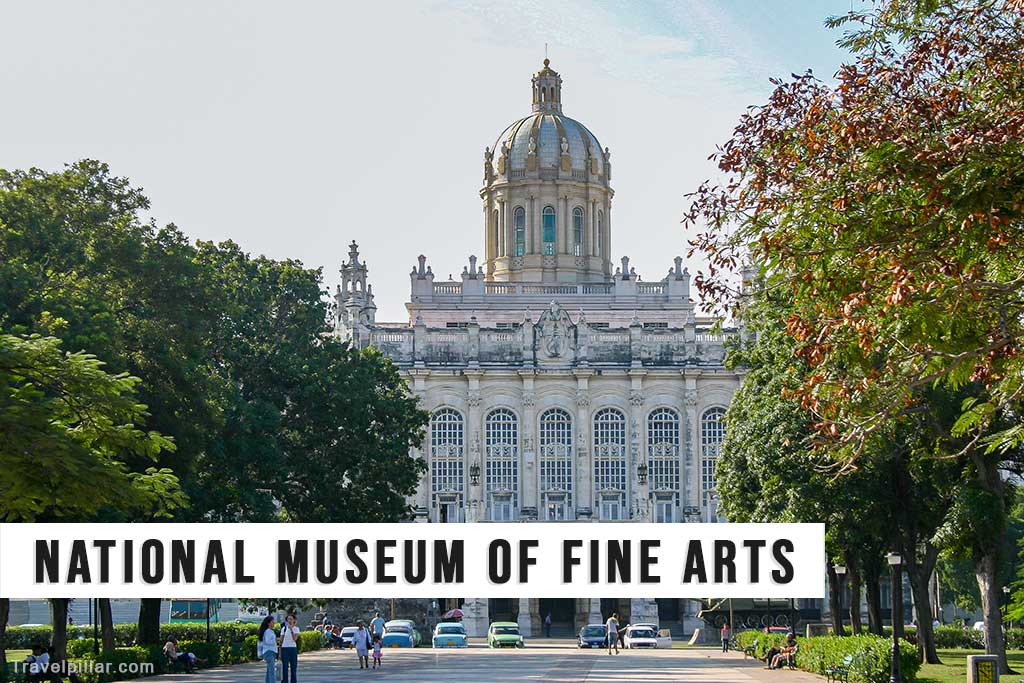
The National Museum of Fine Arts (Museo Nacional de Bellas Artes) is a world-class institution dedicated to showcasing Cuban and international art collections. The museum is split into two separate buildings: the Cuban Art building, housing works by Cuban artists from the colonial era to the present day, and the International Art building, featuring a diverse collection of art from around the world. Visitors can explore the museum’s vast array of paintings, sculptures, and installations, gaining insight into Cuba’s artistic heritage and the broader history of art.
Google map 4.5/5
Gran Teatro de La Habana “Alicia Alonso”

The Gran Teatro de La Habana Alicia Alonso is an architectural masterpiece and one of the most important cultural institutions in Havana. Built in 1915, the theater features an opulent exterior adorned with sculptures, while the interior boasts elegant design elements and impressive frescoes. The theater is home to the Cuban National Ballet, as well as hosting opera, theater, and music performances. Visitors can attend a show or take a guided tour to appreciate the building’s history, architectural beauty, and cultural significance.
Cuban Art Factory (Fabrica de Arte Cubano)
Fábrica de Arte Cubano: Fábrica de Arte Cubano (FAC) is a unique cultural center housed in a former cooking oil factory in the Vedado neighborhood. FAC is a multidisciplinary space that promotes and supports Cuban creativity across various artistic fields, including visual arts, music, cinema, theater, dance, and fashion. Visitors can experience art exhibits, live music performances, film screenings, and workshops in a dynamic and collaborative atmosphere. FAC is also home to a trendy bar and restaurant, making it a popular nightlife destination for locals and tourists alike.
Google map 4.7/5
La Catedral de la Virgen María de la Concepción Inmaculada de La Habana

La Catedral de la Virgen María de la Concepción Inmaculada de La Habana: Commonly known as Catedral de la Habana, this 18th-century Baroque cathedral is dedicated to the Virgin Mary of the Immaculate Conception. The cathedral, with its asymmetrical bell towers and intricately carved façade, is an architectural gem situated in the heart of Old Havana’s Plaza de la Catedral. Inside, visitors can admire the religious art, sculptures, and majestic altarpieces that adorn the church’s interior. The cathedral’s serene ambiance offers a moment of respite from the bustling city, and its rich history and architectural beauty make it an essential stop for those exploring Havana.
Google map 4.7/5
Plaza de la Revolución (Revolution Plaza)

Plaza de la Revolución is one of Havana’s most iconic public squares, known for its political and historical significance. The square has been the site of numerous speeches by Fidel Castro and other Cuban leaders, as well as gatherings and events. Dominating the landscape is the towering José Martí Memorial, dedicated to Cuba’s national hero and poet. The monument features a 109-meter-tall obelisk and a large marble statue of Martí. Surrounding the square are several government buildings, including the famous mural of Che Guevara on the Ministry of the Interior building, making it an essential stop for visitors interested in Cuban history.
Google map 4.5/5
La Bodeguita Del Medio (Bar)
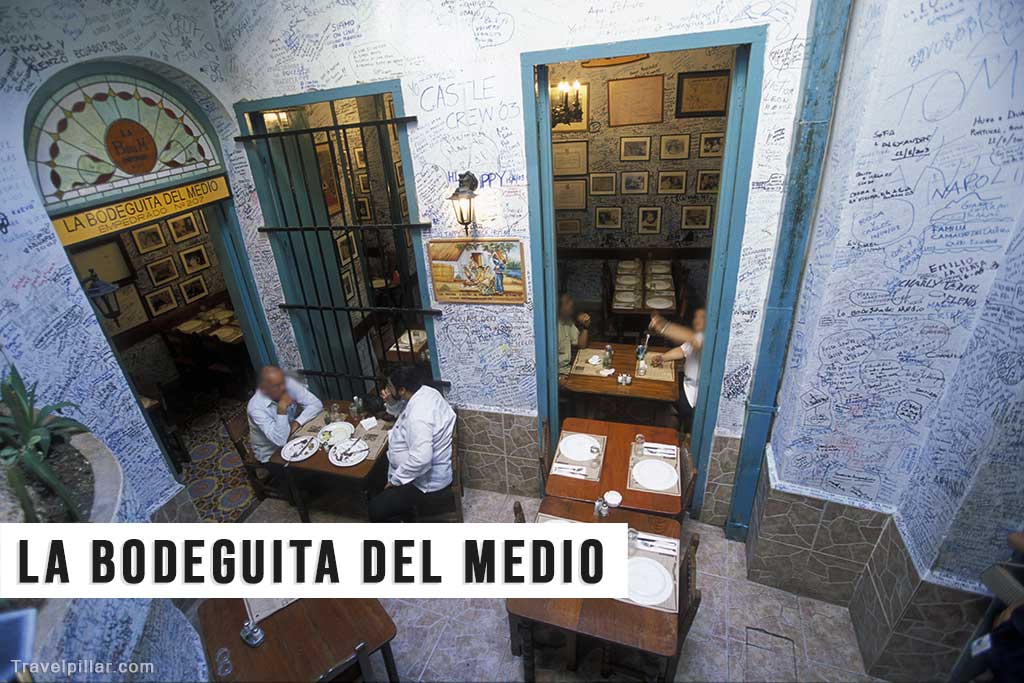
La Bodeguita Del Medio is a famous and historic bar in Old Havana, celebrated for its association with renowned personalities such as Ernest Hemingway, Pablo Neruda, and Gabriel García Márquez. Established in the 1940s, the bar is credited with inventing the classic Cuban mojito cocktail. With its lively atmosphere, live music, and walls adorned with signatures and messages from visitors around the world, La Bodeguita Del Medio offers an authentic Cuban experience. In addition to savoring a refreshing mojito, guests can enjoy traditional Cuban dishes and tapas while soaking up the bar’s rich history and vibrant ambiance.
Google map 4.3/5
Havana Castle of the Royal Force (War Museum)
The Castillo de la Real Fuerza is a 16th-century fortress constructed to protect Havana from pirate attacks and foreign invasions. It is considered one of the oldest and best-preserved military structures in the Americas. The fortress now houses the Museo de Navegación, which displays Cuba’s maritime history, navigational artifacts, and temporary exhibits. Visitors can explore the impressive fortifications, climb the watchtower for panoramic views of Old Havana, and admire the bronze weathervane sculpture known as La Giraldilla, a symbol of the city.
Tropicana Club
Tropicana Club is a legendary cabaret nightclub that has been showcasing the exuberant Cuban entertainment scene since 1939. Located in a lush tropical garden setting, the club features extravagant performances by dancers, singers, and musicians, adorned in colorful costumes and accompanied by dazzling light displays. Visitors can indulge in a classic Cuban dinner, sip on signature cocktails like the mojito or daiquiri, and dance the night away to the rhythms of salsa, mambo, and cha-cha-cha. The Tropicana Club offers an unforgettable and quintessential Havana nightlife experience.
Google map 4.4/5
Almacenes de San José Artisans’ Market
Almacenes de San José is a vibrant marketplace located on the waterfront in Old Havana. Housed in a renovated 19th-century warehouse, the market features a vast array of Cuban souvenirs, art, and crafts, including paintings, sculptures, textiles, ceramics, and handmade jewelry. Visitors can browse through the numerous stalls, engage with local artists and artisans, and purchase unique mementos to remember their trip to Havana. The market is a lively and colorful representation of Cuban creativity and culture, making it a must-visit destination for travelers seeking an authentic shopping experience.
Google map 4.3/5
Vedado neighborhood
Vedado is a modern and vibrant neighborhood in Havana, known for its eclectic mix of architectural styles, from Art Deco to mid-century modern. The area is characterized by tree-lined streets, parks, and a lively cultural scene. Visitors can explore the University of Havana, the Colon Cemetery, and the John Lennon Park, as well as dine at trendy paladares, enjoy live music at jazz clubs, and experience the city’s nightlife at popular bars and clubs. Vedado offers a unique blend of history, culture, and entertainment, making it an exciting destination for travelers.
Google map
Museum of the Revolution (Temporarily Closed)
Museum of the Revolution (Museo de la Revolución): Housed in the former Presidential Palace, the Museum of the Revolution offers an extensive look into Cuba’s revolutionary history, from the nation’s struggle for independence to the events of the Cuban Revolution led by Fidel Castro. The museum features a diverse collection of documents, photographs, and artifacts, as well as displays on pre-revolutionary Cuba and its key historical figures. Visitors can also view the Granma Memorial, an outdoor exhibit that includes the yacht used by Castro and his fellow revolutionaries to return to Cuba in 1956, along with military vehicles and weaponry from the revolution.