
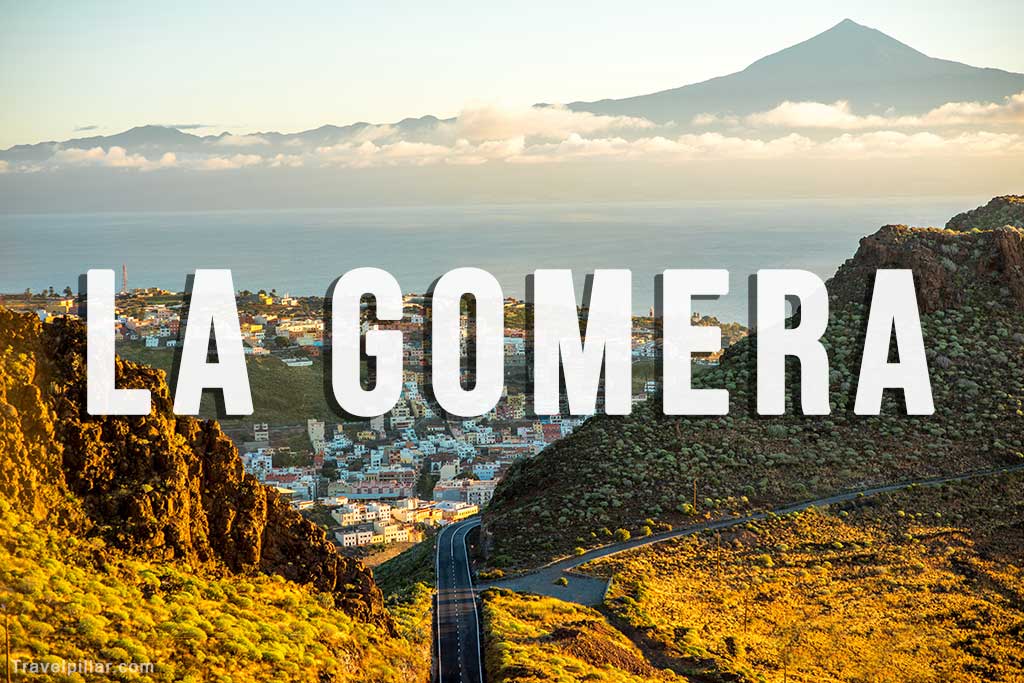
La Gomera is one of the most scenic and least developed islands in the Canary Islands archipelago. Located west of Tenerife and reachable by ferry from Los Cristianos, the island is famous for its dramatic mountain landscapes, ancient forests and traditional Canarian villages. Unlike the large resort areas found on Tenerife or Gran Canaria, La Gomera feels quieter, greener and far more rural.
The island was formed by volcanic activity millions of years ago and is dominated by deep ravines, steep cliffs and dense mountain scenery. Roads wind through valleys and forests revealing dramatic viewpoints across the Atlantic Ocean and neighbouring islands. Due to the island’s rugged geography, many villages remained isolated for centuries, helping preserve local traditions and a slower pace of life.
One of the island’s most important natural areas is Garajonay National Park, a UNESCO World Heritage Site located in the mountainous centre of La Gomera. The park contains ancient laurel forests which once covered much of southern Europe millions of years ago. Mist drifting through the moss-covered trees creates an atmosphere very different from the dry volcanic landscapes usually associated with the Canary Islands.
La Gomera is also famous for Silbo Gomero, a unique whistled language traditionally used to communicate across the island’s deep valleys. The language is still taught in schools and remains one of the island’s most distinctive cultural traditions.
The island’s coastline contains small black-sand beaches, fishing villages and natural swimming areas rather than large resort developments. Towns such as Valle Gran Rey and San Sebastián de La Gomera attract visitors looking for hiking, nature and quieter holidays. Christopher Columbus also stopped in San Sebastián before his first voyage to the Americas, adding further historical significance to the island.
La Gomera is especially popular with walkers due to its extensive network of hiking trails crossing forests, ravines and volcanic landscapes. The scenery changes rapidly between coastal cliffs, tropical valleys and cooler mountain forests.
For many travellers, La Gomera represents a more traditional and natural side of the Canary Islands where dramatic landscapes and local culture remain more important than large-scale tourism development.
Google map of La Gomera Island 4.7/5