

Marseille is the second-largest city in France, situated on the southeastern Mediterranean coast. Founded by the Greeks in 600 BC, it’s France’s oldest city and a significant port, linking Europe to Africa, Asia, and the Middle East.
Marseille’s rich and complex history is palpable in its architectural and cultural diversity. The cityscape ranges from the Greek and Roman remnants, found in the Museum of European and Mediterranean Civilisations, to modernist structures like the Le Corbusier’s Cité Radieuse.
The vibrant Vieux Port, the city’s historic harbor, is a bustling centre of activity, with fish markets, cafes, and boats bobbing on the marina. Just up the hill sits the iconic Notre-Dame de la Garde basilica, offering panoramic views of the city.
The Le Panier district, the oldest part of the city, is a tangle of narrow, winding streets filled with art galleries, artisanal shops, and bohemian vibes. Marseille’s diverse neighborhoods reflect the multicultural nature of the city, which has long been a melting pot for immigrants from around the Mediterranean.
Despite its gritty reputation, Marseille holds an irresistible allure for those interested in urban grit, seaside charm, and a rich tapestry of cultures. Marseille is a city of contrasts, where centuries-old traditions coexist with dynamic modern life.
Official tourism website: https://www.marseille-tourisme.com/en/
Google map of Marseille
The Best Places to Visit in Marseille
Basilique Notre-Dame de la Garde (Notre-Dame de la Garde Basilica)
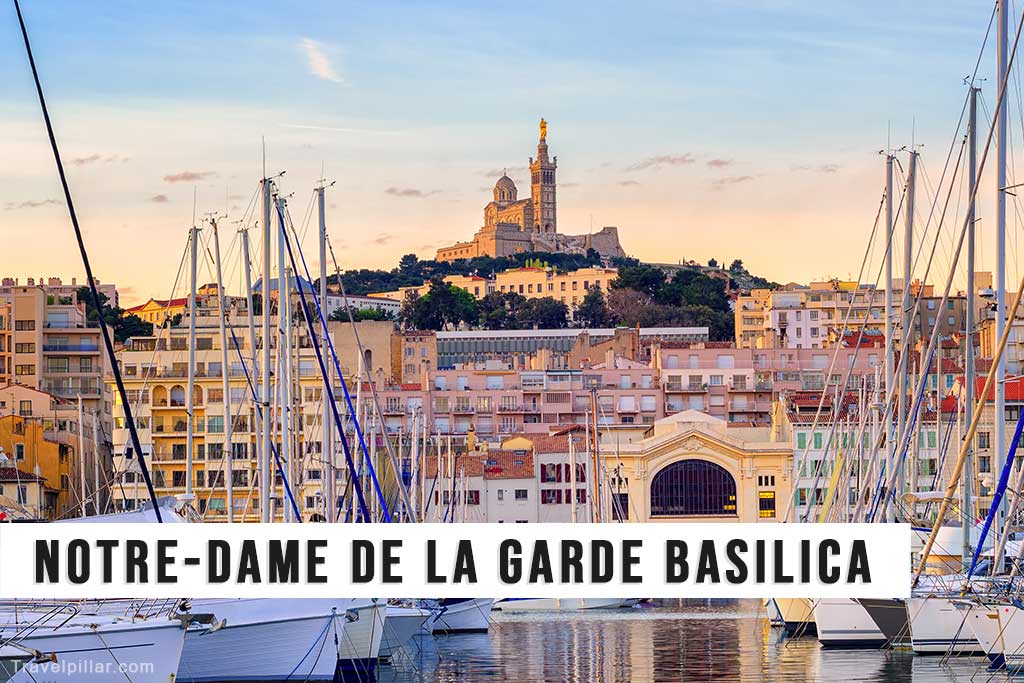
Basilique Notre-Dame de la Garde is a 19th-century Neo-Byzantine basilica, perched on the highest natural point in Marseille, France. Affectionately known as ‘La Bonne Mère,’ it serves as a city landmark and a popular tourist site. It features elaborate mosaics, lavish interiors, and a gilded statue of the Virgin and Child. Offering panoramic views of Marseille, this iconic basilica is a symbol of protection and spiritual comfort for the city’s inhabitants.
Google map 4.7/5
Cathédrale La Major (La Major Cathedral)
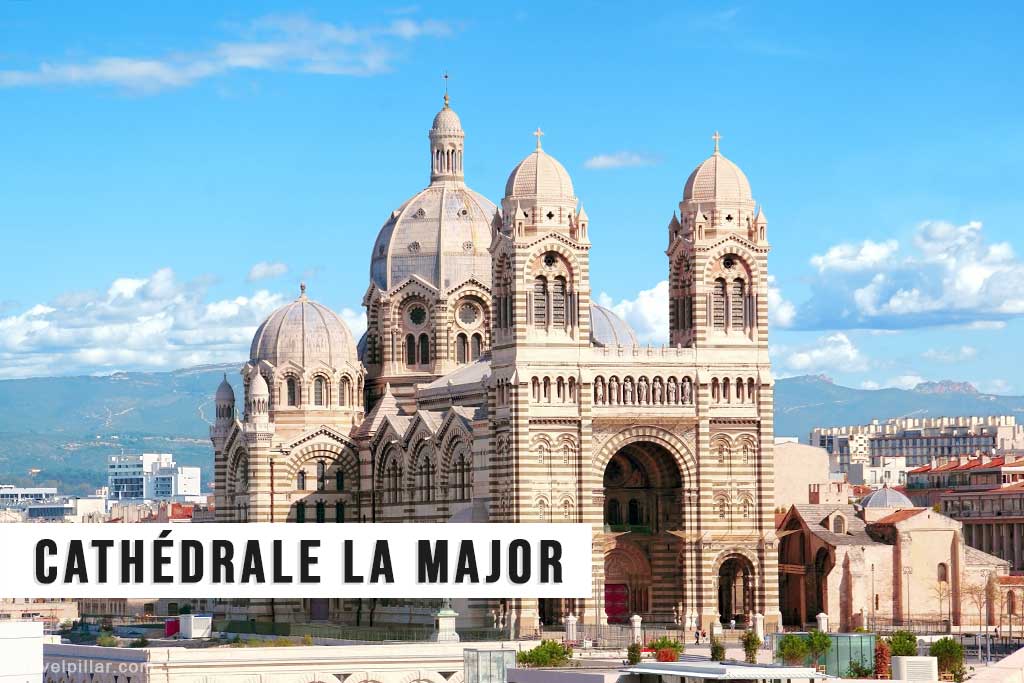
Cathédrale La Major is a striking Roman-Byzantine style cathedral situated in the La Joliette neighborhood of Marseille. Constructed in the 19th century on an ancient site, its grand architecture, complete with multiple domes and intricate detailing, is a testament to Marseille’s religious and cultural history. Inside, it houses numerous artworks and treasures, making it an important landmark for locals and visitors alike.
Google map 4.6/5
Vieux-Port de Marseille (Old Port)
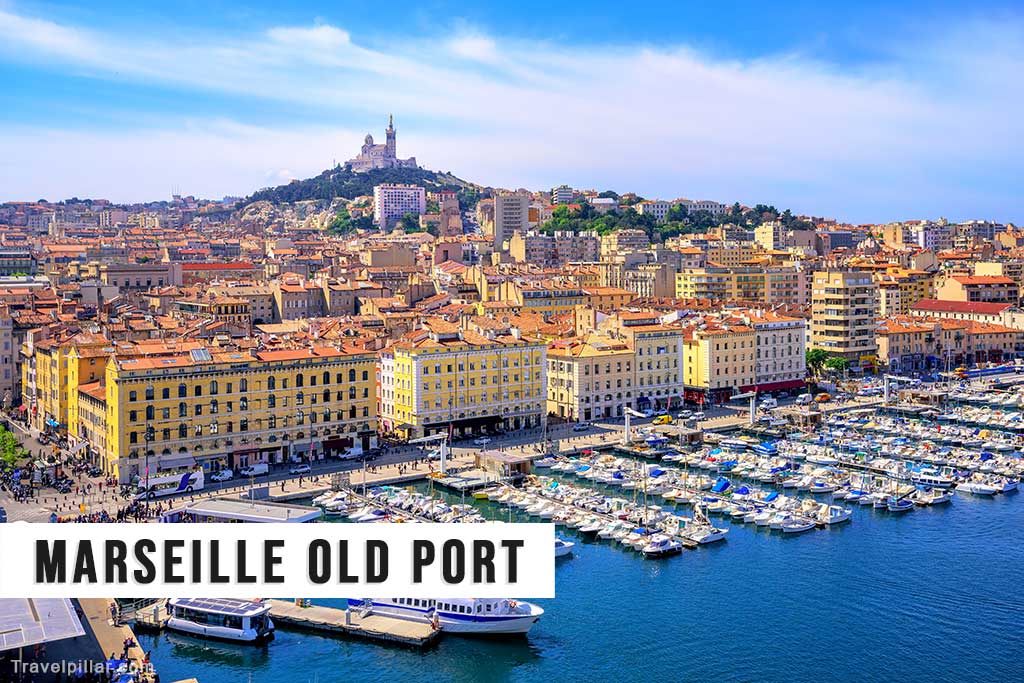
Vieux Port is the bustling heart of Marseille, functioning as a commercial hub and marina. Dating back to antiquity, the Old Port has been the lifeline of the city for over two millennia. Today, it’s a vibrant spot filled with yachts and fishing boats, surrounded by restaurants, cafés, and markets. It’s an ideal place to experience the essence of Marseille’s maritime culture.
Google map 4.5/5
Calanques National Park (Nature Reserve)
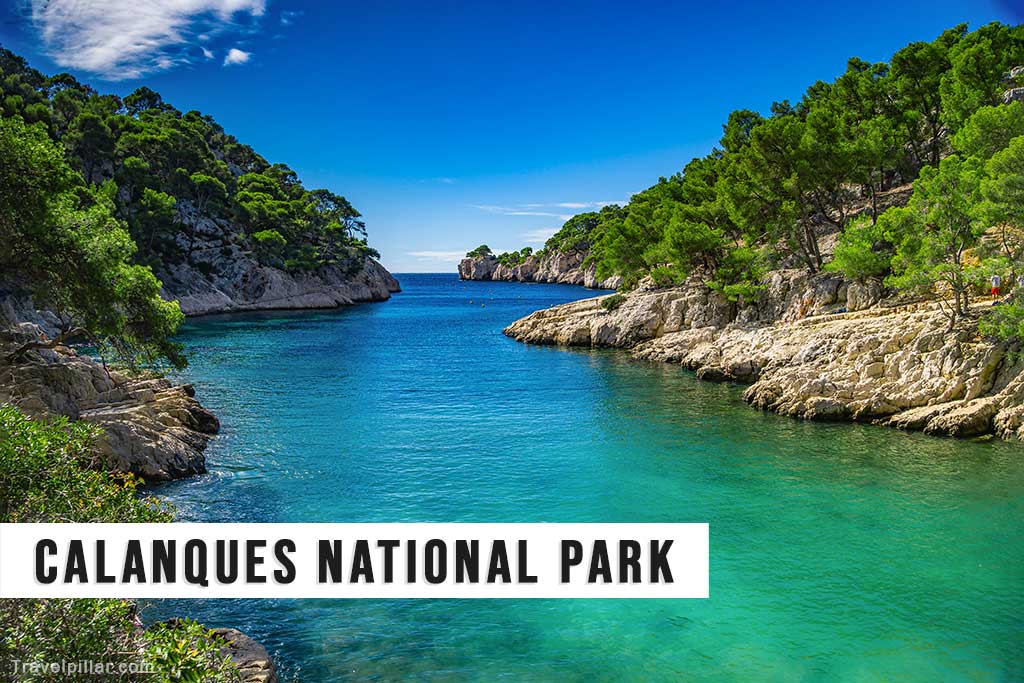
Calanques National Park is a unique nature reserve located on the outskirts of Marseille. This protected area, characterized by its dramatic limestone cliffs, azure waters, and diverse flora and fauna, offers a remarkable escape into the wild. It’s perfect for hiking, kayaking, and diving. A visit to the Calanques, whether by land or sea, is a must for those seeking to explore the natural beauty of Provence.
Google map 4.7/5
Fort Saint-Jean

Fort Saint-Jean is a historic fortification at the entrance of the Old Port of Marseille. Built in the 17th century, it now houses parts of the MuCEM (Museum of European and Mediterranean Civilisations). The fort’s robust structure provides a contrast to the museum’s contemporary architecture. Visitors can stroll around its ramparts, enjoying magnificent views of the port and the city, and delve into Mediterranean history through the exhibits.
Google map 4.7/5
Le Panier (Historic Neighborhood)
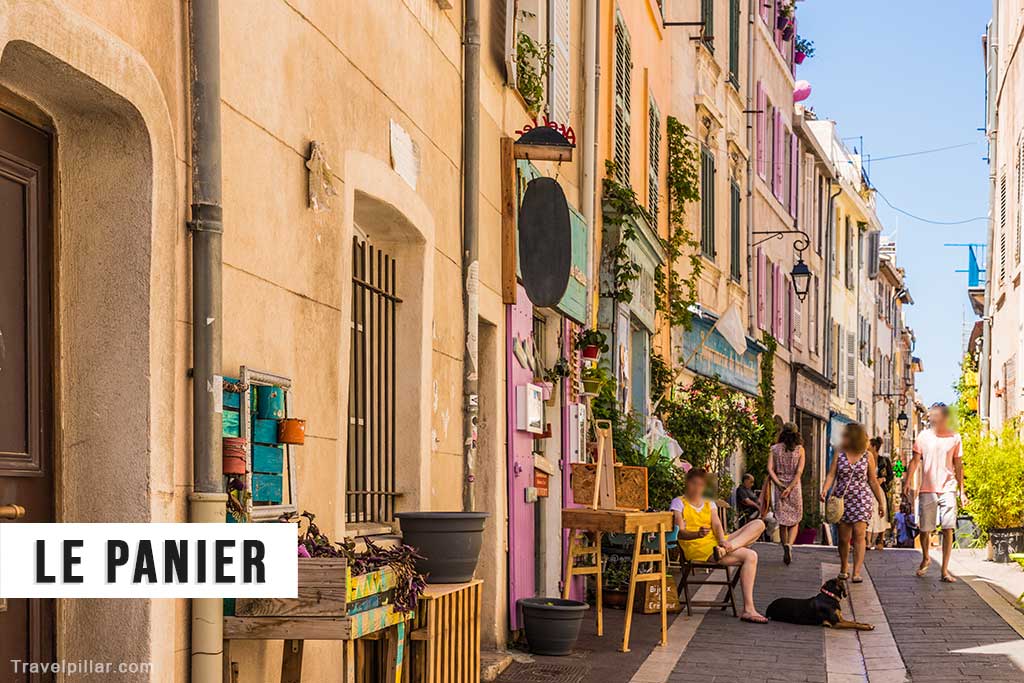
Le Panier is Marseille’s oldest district, steeped in history and cultural diversity. Nestled behind the Vieux-Port, it’s characterized by narrow, winding streets, pastel-colored buildings, and artistic graffiti. It’s home to a multitude of small boutiques, artist studios, and cafés. The district is also rich in historical sites, including the Vieille Charité cultural complex and the Maison Diamantée. Le Panier reflects the authentic spirit and multicultural heritage of Marseille.
Google map 4.5/5
Vallon des Auffes (Picturesque Fishing Village)
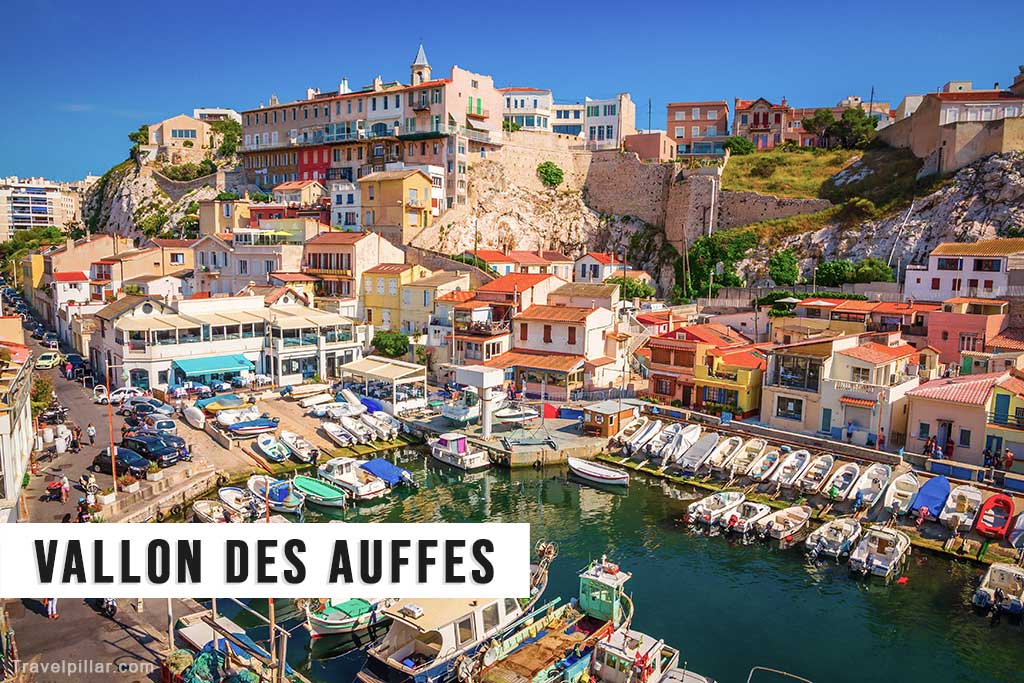
Vallon des Auffes is a picturesque fishing village located below a cliff in the 7th arrondissement of Marseille. With its traditional cabanons (small houses), fishing nets, and boats, it maintains a rustic charm. This tranquil spot is also renowned for its seafood restaurants that serve traditional Provençal cuisine. The timeless charm of Vallon des Auffes offers a glimpse into Marseille’s rich maritime heritage.
Google map 4.6/5
MuCEM (Museum of European and Mediterranean Civilizations)
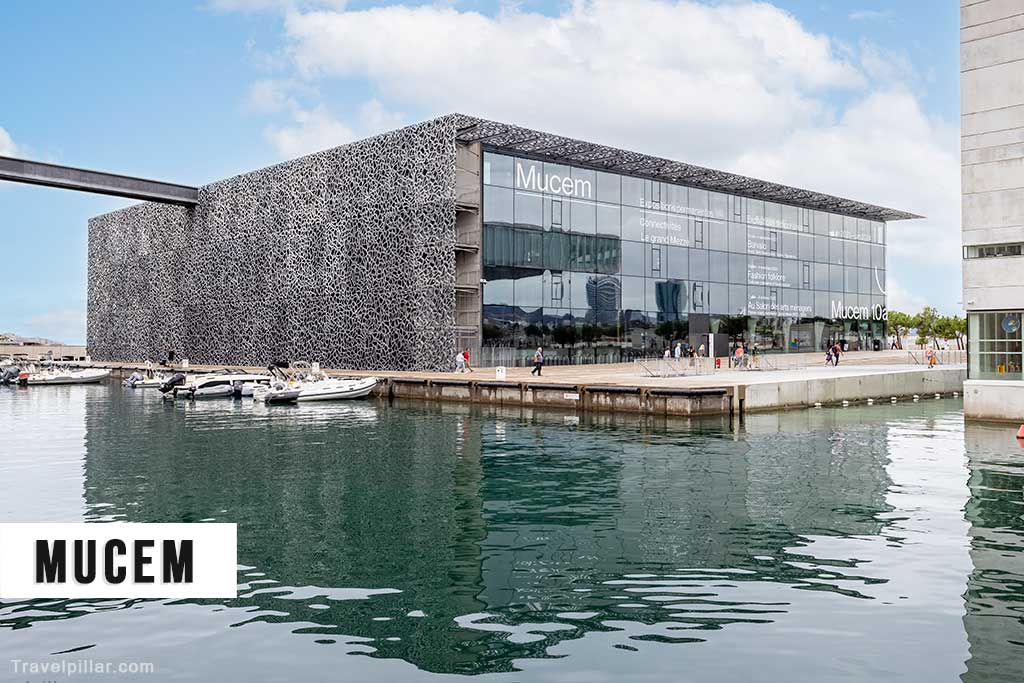
MuCEM (Museum of European and Mediterranean Civilizations) is a contemporary museum in Marseille, dedicated to preserving and showcasing the diverse cultures of the Mediterranean region. Housed in an architecturally significant building that blends seamlessly with the Fort Saint-Jean, it holds a vast collection of artefacts and hosts exhibitions on historical, artistic, and social themes. The museum also offers sweeping views of the sea and the city from its rooftop terrace.
Google map 4.4/5
Abbaye Saint-Victor (Abbey of Saint Victor)
Abbaye Saint-Victor is one of the oldest sites of Christian worship in France, located in Marseille. Dating back to the 5th century, this historic abbey is renowned for its ancient crypts and relics. Every year, it’s a focal point for the Candlemas procession, a traditional event in the city. Visiting Saint-Victor provides a fascinating insight into the religious history and spiritual traditions of Marseille.
Google map 4.6/5
Palais Longchamp (Longchamp Palace)

Palais Longchamp is an extravagant monument in Marseille, showcasing 19th-century architecture. Built to commemorate the arrival of water in Marseille via the Canal de Provence, it houses the Museum of Fine Arts and the Natural History Museum. Its sprawling gardens, a public park with a zoo and a botanical garden, offer a serene retreat. Palais Longchamp symbolizes the grandeur of the city’s past.
Google map 4.5/5
Château d’If (Fortress and Island)
Château d’If is a historic fortress located on the tiny island of If, in the Bay of Marseille. Famous for being the setting of Alexandre Dumas’ novel “The Count of Monte Cristo,” the fortress served as a prison in the 19th century. Today, it’s a popular tourist attraction offering sweeping views of Marseille and the Mediterranean Sea, and a unique insight into French literary and historical narratives.
Google map 4.7/5
Corniche Kennedy (Scenic Coastline)
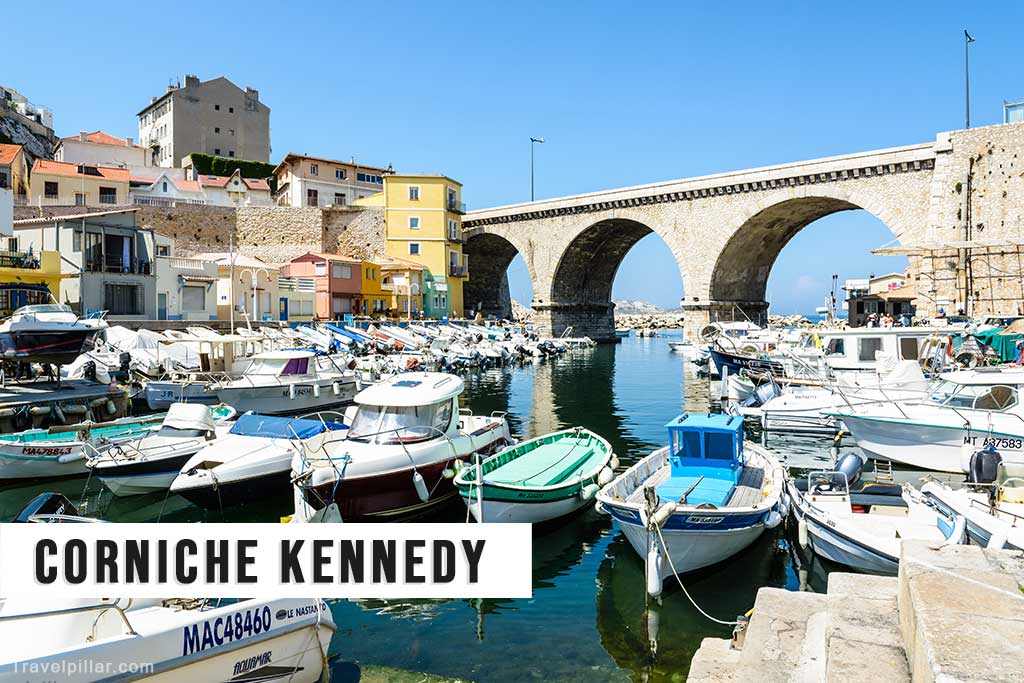
Corniche Kennedy is a picturesque coastal road in Marseille that provides stunning views of the Mediterranean Sea. Named after former U.S. President John F. Kennedy, this scenic drive is lined with beaches, villas, restaurants, and parks. Along the route, travellers can stop at various lookout points for panoramic views, making it a must-visit for photographers and nature lovers.
Google map 4.6/5
Musée d’Histoire de Marseille (Museum of Marseille History)
Musée d’Histoire de Marseille (Museum of Marseille History) is the city’s key historical museum, tracing the city’s evolution from ancient Greek times to the present day. With an extensive collection of archaeological artefacts, it offers a comprehensive overview of Marseille’s 26 centuries of history. Located in the Centre Bourse, it stands on the site of the ancient Greek port, showcasing the city’s rich and complex past.
Google map 4.4/5
Plage des Catalans (Catalans Beach)
Plage des Catalans is a popular city beach located near the Vieux-Port of Marseille. Known for its golden sands and clear waters, it provides a perfect spot for relaxation and water sports. Named after the fishermen from Catalonia who used to live in the area, the Catalans Beach is a favorite among locals and tourists for its accessibility and stunning views of the Mediterranean.
Google map 4.0/5
Parc Borély (Borély Park)
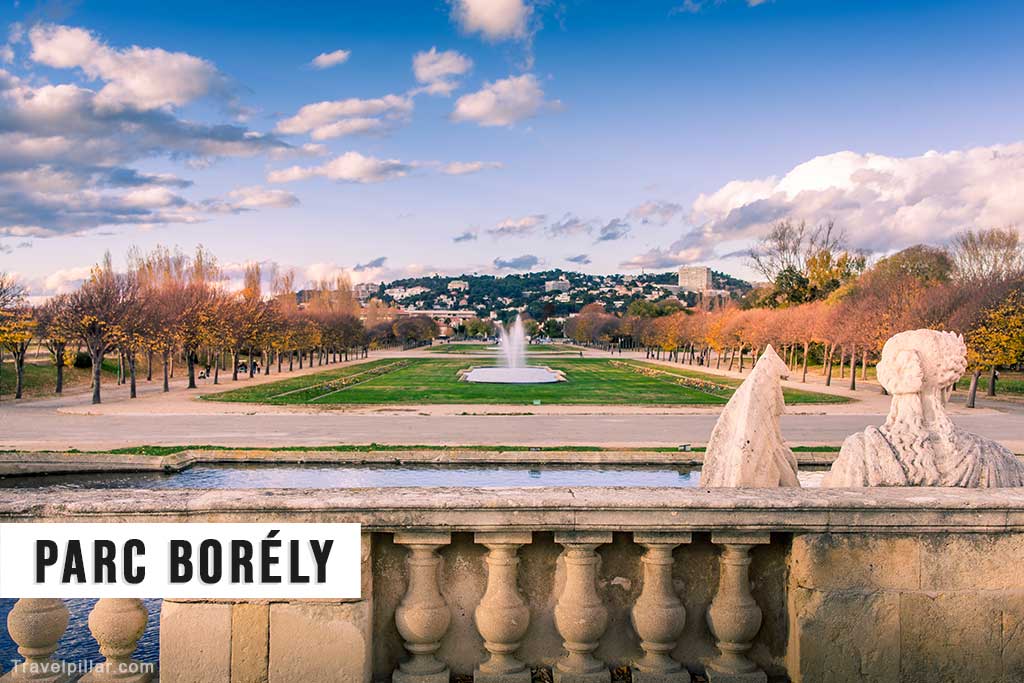
Parc Borély is a vast public park in Marseille, renowned for its diverse landscapes including a French formal garden, an English landscape garden, and a vast rose garden. Housing the Musée d’Art Contemporain and Château Borély, it offers a wide range of activities including boating, cycling, and picnicking. The park’s serene environment makes it a popular recreational space for both locals and tourists.
Google map 4.5/5
Les Terrasses du Port (Shopping Center and Rooftop)
Les Terrasses du Port is a large shopping center located in the district of La Joliette in Marseille. Housing over 190 stores, it provides a wide variety of shopping options, including fashion, home goods, and technology. The highlight of the center is its expansive rooftop terrace that offers impressive views over the Old Port, the sea, and the city, making it a retail and leisure destination combined.
Google map 4.3/5
La Canebière
La Canebière is a historic high street in the heart of Marseille. Often compared to the Champs-Élysées of Paris, this bustling avenue boasts a wide range of shops, cafes, and cultural venues. The street leads directly to the Old Port, making it a key part of the city’s commercial and social life. La Canebière embodies the vibrant and dynamic spirit of Marseille.
Google map 3.9/5
Aix-en-Provence
Aix-en-Provence is a vibrant city located in the heart of Provence, a short drive north from Marseille. Known for its classic Provençal charm, it’s renowned for its preserved architectural heritage, historical sites, and a thriving arts scene. Key attractions include the Cours Mirabeau, a grand tree-lined boulevard, the Atelier Cézanne, and the Musée Granet. The city’s bustling markets, charming old town, and numerous cafés contribute to its reputation as a cultural and historical gem.