
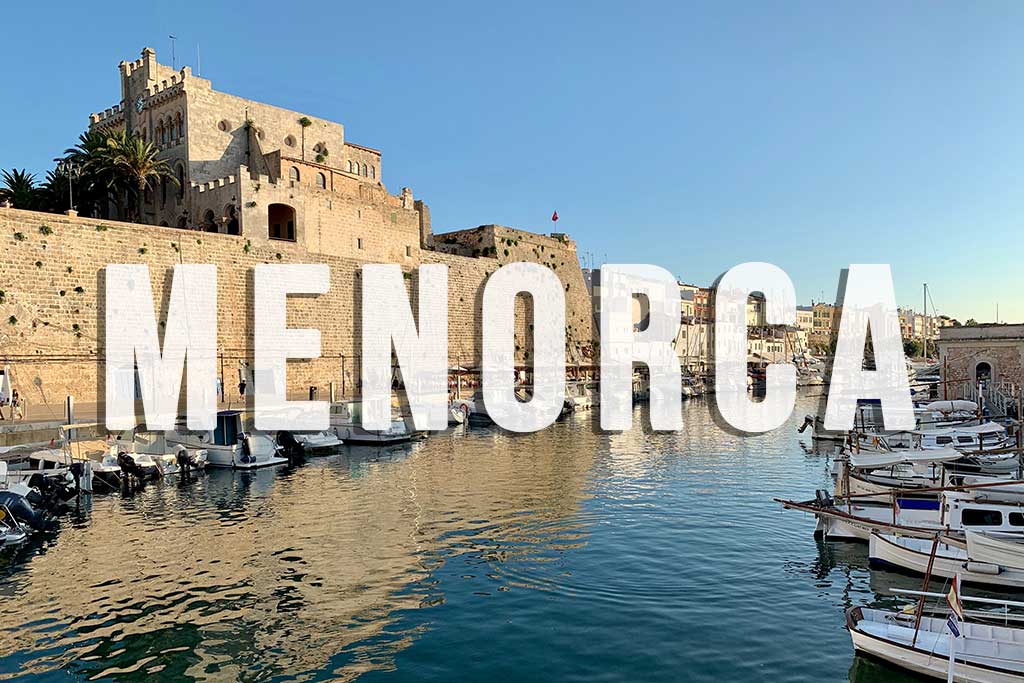
Menorca is the easternmost and second-largest of Spain’s Balearic Islands, located in the Mediterranean Sea. Known for its unspoiled beaches, crystal-clear waters, and rich history, Menorca has been designated a UNESCO Biosphere Reserve due to its diverse landscapes and well-preserved natural environments. The island’s two main cities, Mahón and Ciutadella, showcase a blend of British and Spanish architectural influences. Menorca’s many prehistoric sites, such as the Talaiotic settlements, offer insight into the island’s ancient past. Visitors can enjoy outdoor activities like hiking, cycling, and watersports or explore the island’s picturesque villages and local gastronomy.
Official tourism website:
https://www.menorca.es
https://www.illesbalears.travel
https://www.spain.info
Google map of Menorca (4.7/5)
People in Mallorca speak Spanish (also referred to as ‘Castilian’ or ‘Castellano’, a variety of the Spanish language spoken in central Spain) and Mallorquí, a language with the same root as Catalán which can change slightly depending on the location.
You will notice that, in Mallorca, the signposts on the roads are in Catalán rather than Castilian Spanish. The Mallorcans have dealt with and fought off centuries of invasions, as a result, they have become a patriotic island and relish in bringing back some of their history. At the same time, they understand the importance of tourism for their economy and have learned to accommodate their ‘visitors’, so feel free to choose which language you prefer to use with the locals, they will be equally welcoming!
Note: just to help you with understanding some of the place names:
Playa (Spanish) = Platja (Catalan) = beach (English)
Cala (Catalan) = cove or inlet (English)
Cova (Catalan) = cave (English)
The Best Places to Visit in Menorca
Ciutadella
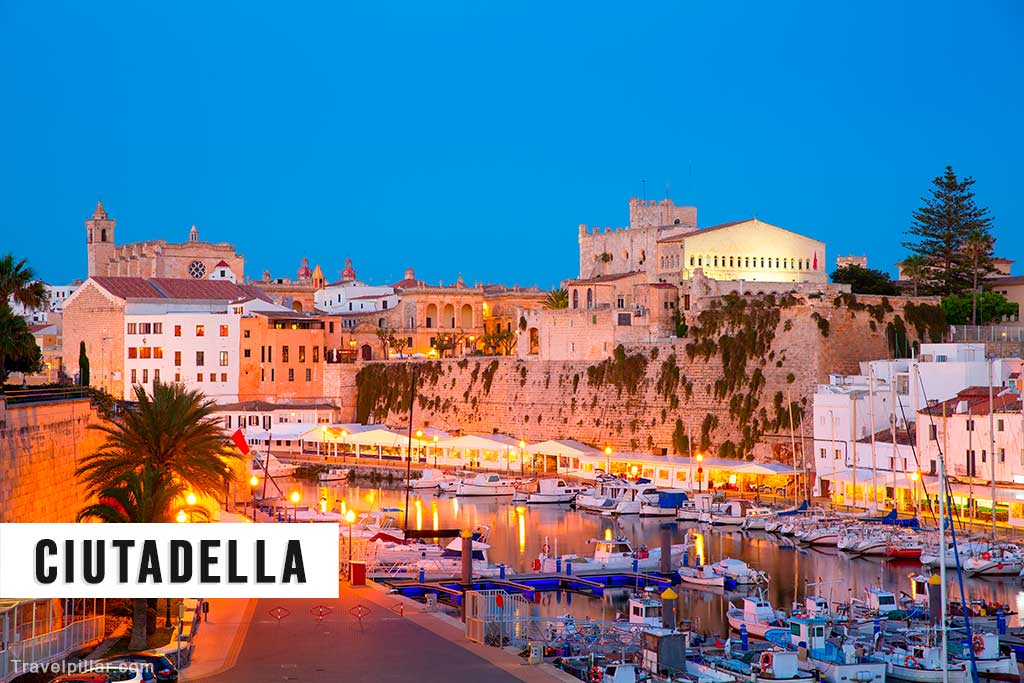
Ciutadella, situated on Menorca’s western coast, is a charming town with a rich history dating back to Roman times. Its narrow cobblestone streets are lined with elegant palaces, churches, and picturesque squares. Visitors can explore attractions such as the Cathedral of Menorca, the historic port, and the bustling fish market. Ciutadella also offers a vibrant dining scene with traditional restaurants serving local specialties. Don’t miss the opportunity to witness the lively festivals celebrated throughout the year.
Mahón (or Maó)
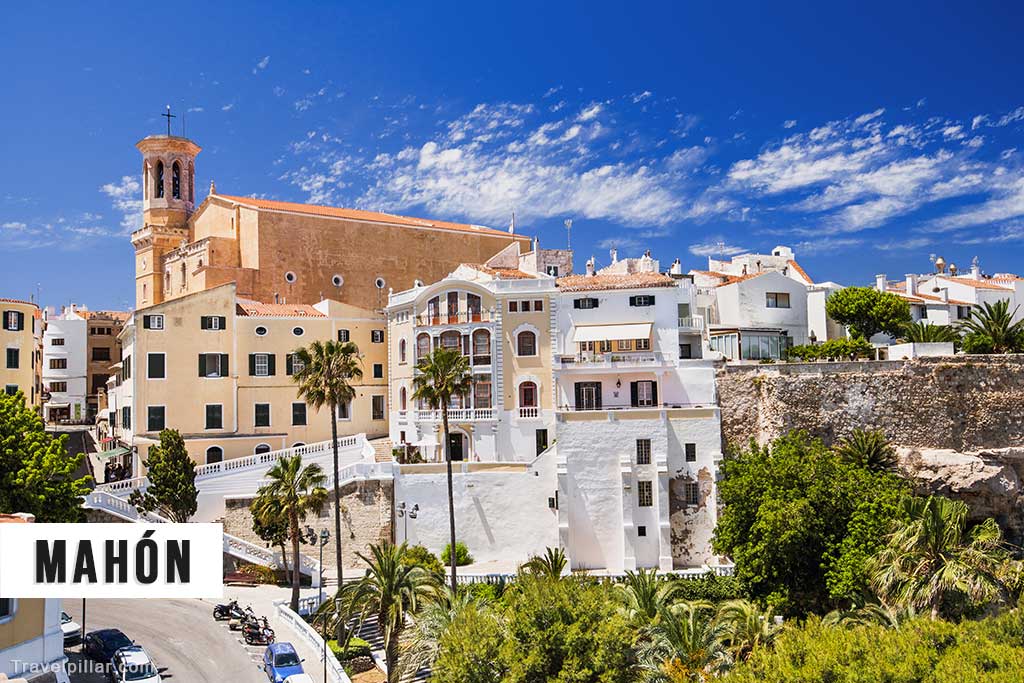
Mahon, the capital city of Menorca, is renowned for its deep natural harbor, one of the largest in the world. Steeped in history, Mahon boasts a fascinating blend of Georgian architecture and Mediterranean charm. Visitors can explore attractions like the Xoriguer Gin Distillery, where the island’s famous gin is produced, and the Museu de Menorca, showcasing the island’s heritage. Mahon’s waterfront promenade offers scenic views and a variety of dining options, making it a must-visit destination in Menorca.
Cala Fustam Beach
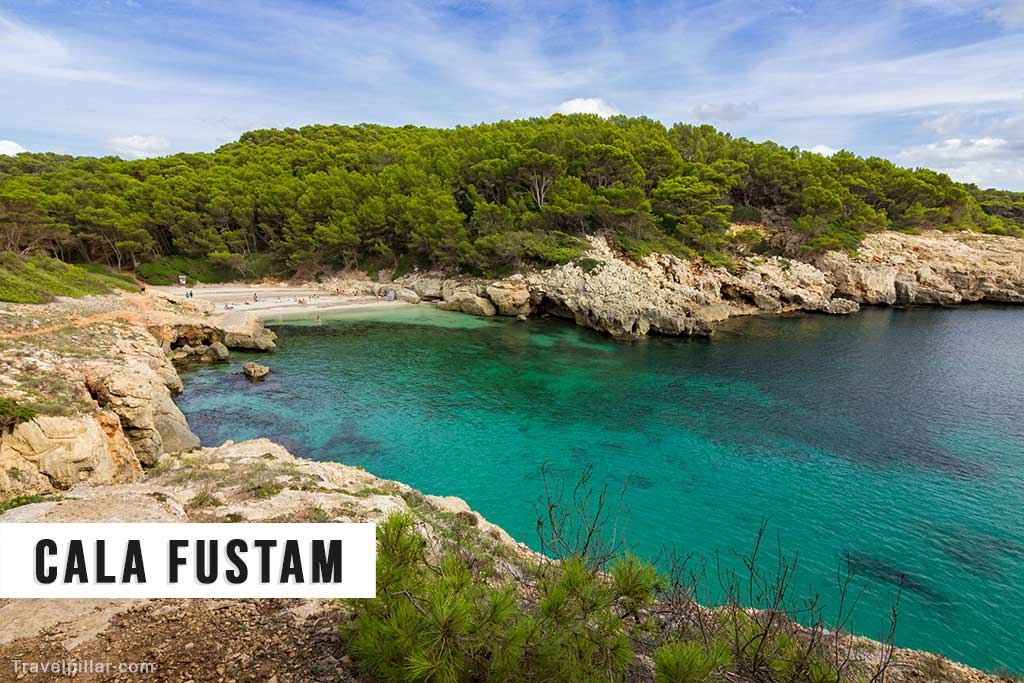
Cala Fustam Beach is a secluded cove located on the southern coast of Menorca. Surrounded by lush pine forests and unspoiled nature, the beach offers clear, turquoise waters ideal for swimming and snorkeling. Accessible via a scenic hiking trail, Cala Fustam provides visitors with a tranquil and pristine setting, away from the island’s more crowded tourist spots.
Official website:
https://www.menorca.es
Google map 4.6/5
Cavalleria Beaches
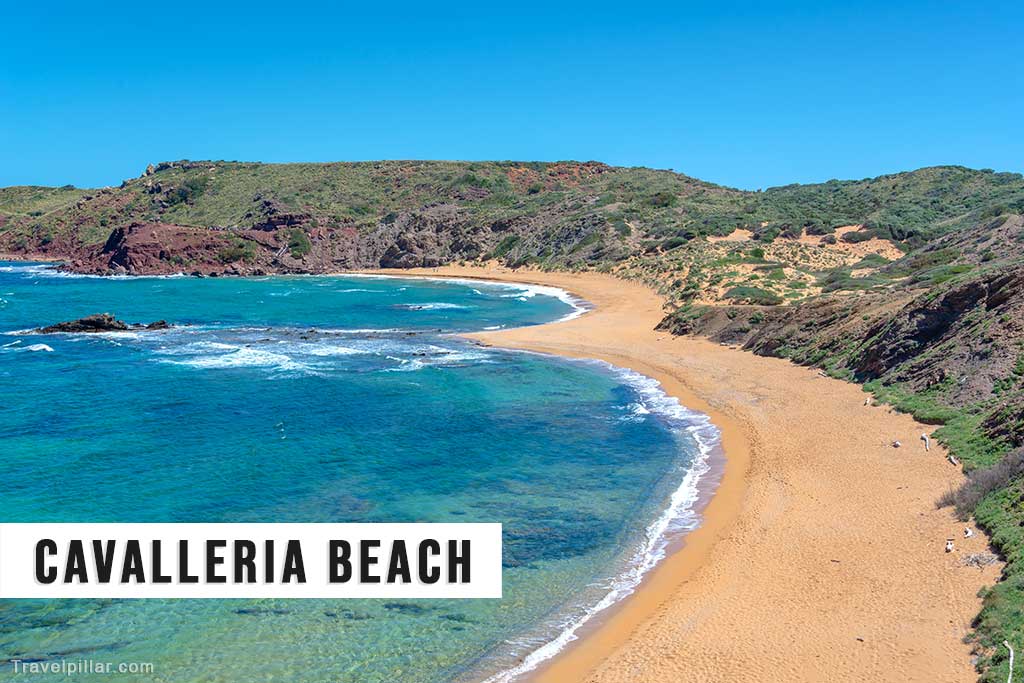
Cavalleria Beaches – Platja de Cavalleria (north coast) are a collection of picturesque beaches situated on Menorca’s northern coast. Known for their reddish sand, crystal-clear waters, and rugged landscapes, these beaches are perfect for sunbathing, swimming, and snorkeling. Visitors can access the beaches via a network of hiking trails, offering stunning views of the surrounding coastline and the Mediterranean Sea.
Official website:
https://www.menorca.es
Google map 4.7/5
Playa des Talaier – Es Talaier Beach
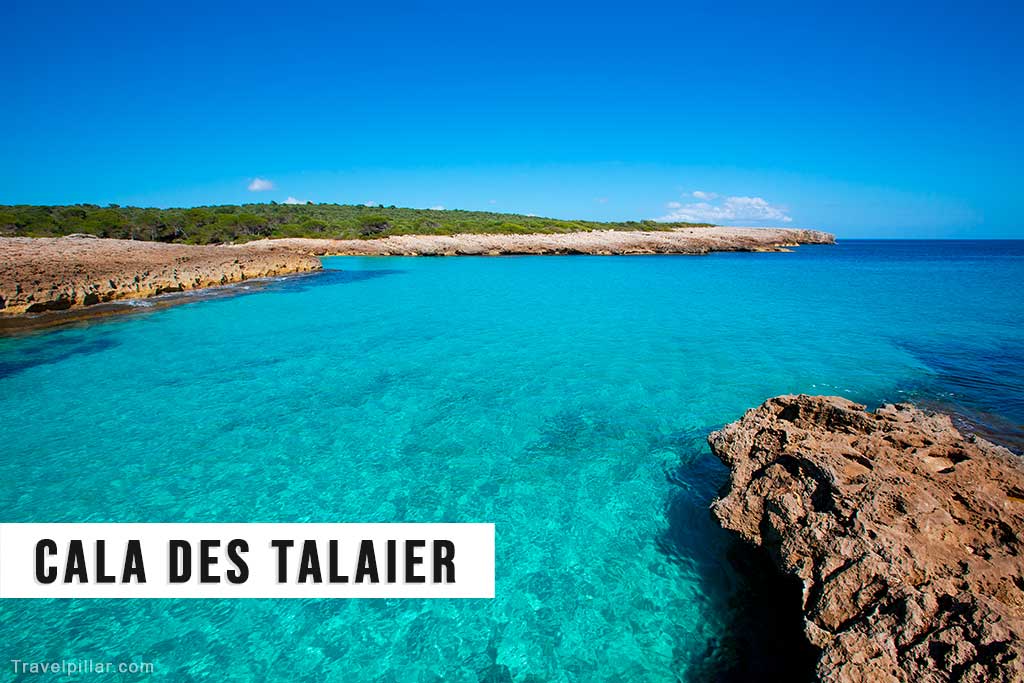
Playa des Talaier – Platja des Talaier – Es Talaier Beach (south coast) is a small, secluded cove nestled between the larger beaches of Son Saura and Cala Turqueta on Menorca’s southwestern coast. Surrounded by low cliffs and pine trees, the beach features golden sand and calm, shallow waters, making it ideal for families and those seeking a quieter spot for relaxation. Accessible by foot or boat, Es Talaier Beach offers a peaceful retreat away from the island’s busier resorts.
Official website:
https://www.menorca.es
Google map 4.7/5
Cala Pregonda Beach
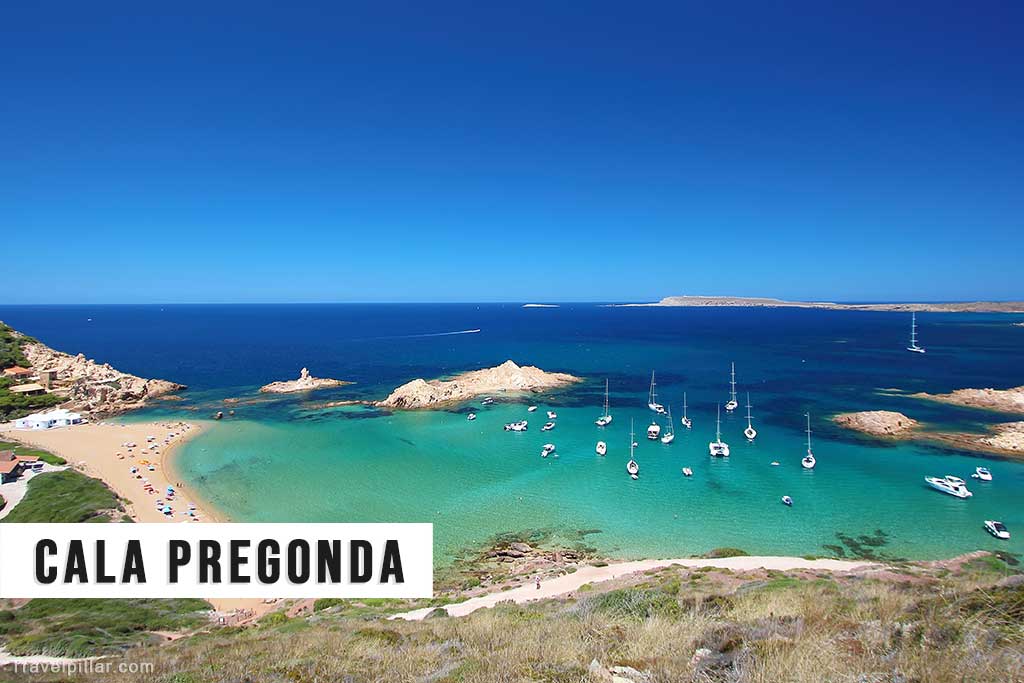
Cala Pregonda Beach (north coast) is a unique, crescent-shaped cove located on Menorca’s northern coast. Known for its striking red sand and unusual rock formations, the beach offers a distinctive landscape and crystal-clear waters perfect for swimming and snorkeling. Cala Pregonda is accessible via a coastal hiking trail and provides visitors with an unspoiled, natural setting to enjoy Menorca’s rugged beauty.
Official website:
https://www.menorca.es
Google map 4.7/5
Pont d’en Gil Natural Sea Arch
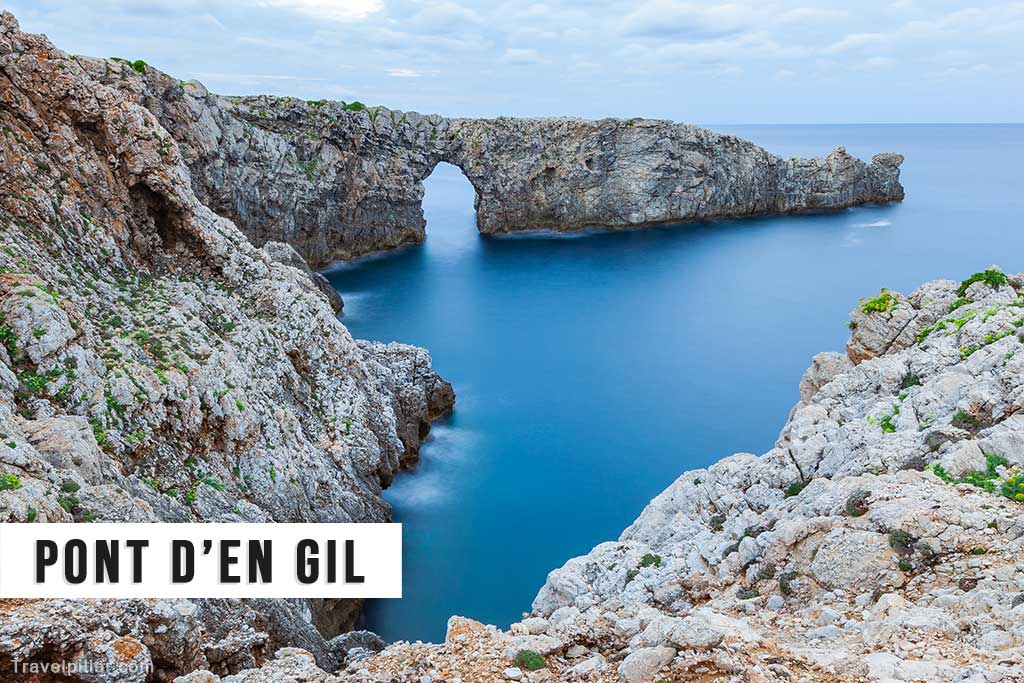
Pont d’en Gil (west coast) is a striking geological formation located on Menorca’s western coast near Ciutadella. This impressive limestone arch spans over the turquoise waters of the Mediterranean Sea, providing visitors with a unique and scenic location for photography, picnics, or coastal walks. The arch is accessible by car or foot and offers stunning views of the surrounding coastline and dramatic sunsets.
Official website:
Google map 4.7/5
Son Bou Beach & Prat de Son Bou
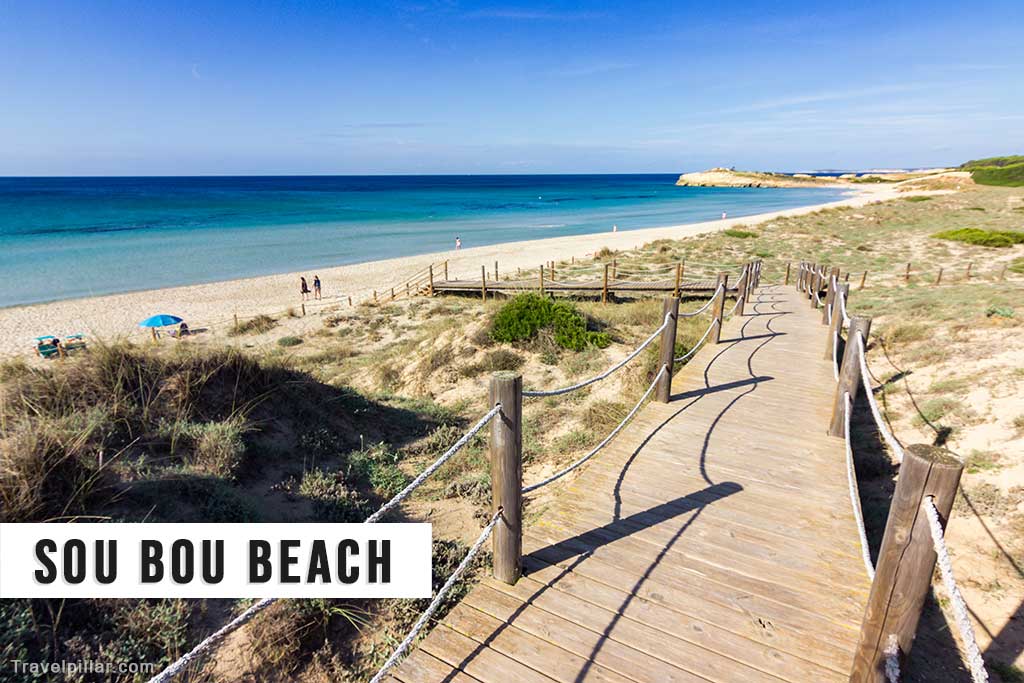
Son Bou beach & Prat de Son Bou (south coast) is a vast stretch of golden sand and dunes on Menorca’s southern coast. As the island’s longest beach, Son Bou offers ample space for sunbathing, swimming, and water sports, while the adjacent protected wetland area, Prat de Son Bou, is home to diverse flora and fauna. Visitors can explore the natural beauty of the area, dine at beachfront restaurants, or enjoy the nearby resort amenities.
Official website:
https://www.menorca.es
Google map – Son Bou Beach 4.6/5
Google map – Prat de Son Bou 4.7/5
Cala Mitjaneta Beach
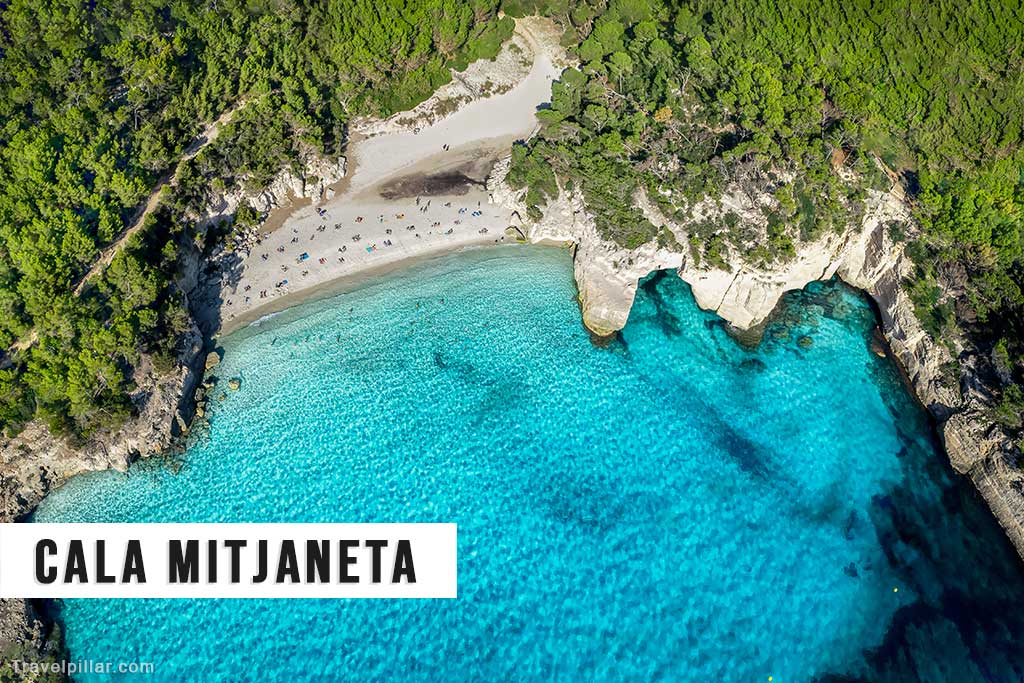
Cala Mitjaneta beach (south coast)is a small, idyllic cove nestled next to the larger Cala Mitjana on Menorca’s southern coast. Surrounded by pine forests and limestone cliffs, the beach features pristine, crystal-clear waters perfect for swimming and snorkeling. Accessible via a short hiking trail, Cala Mitjaneta offers a more secluded and peaceful experience, away from the island’s busier tourist spots.
Google map Cala Mitjaneta 4.6/5
Google map Cala Mitjana 4.5/5
Cala Pilar Beach
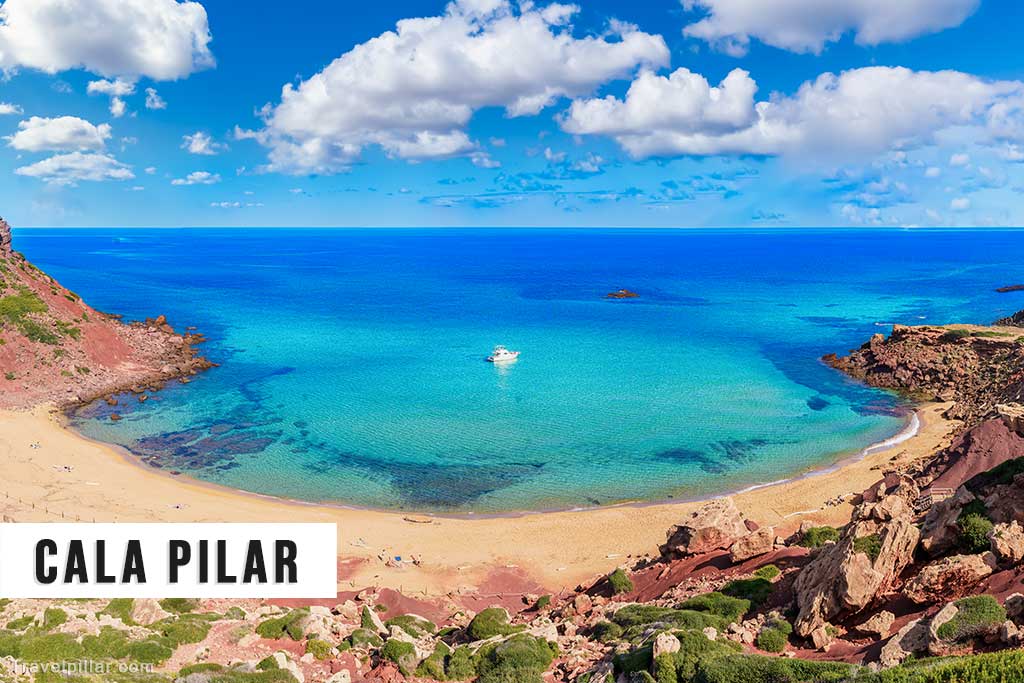
Cala Pilar (north coast)is a remote and unspoiled cove located on Menorca’s northern coast. Known for its reddish sand and contrasting turquoise waters, the beach is surrounded by steep cliffs and dense vegetation. Cala Pilar is accessible via a hiking trail and provides visitors with a pristine, natural setting for sunbathing, swimming, and enjoying Menorca’s rugged beauty.
Official website:
https://www.menorca.es
Google map 4.6/5
Algaiarens Platja Des Bot (Es Bot Beach)
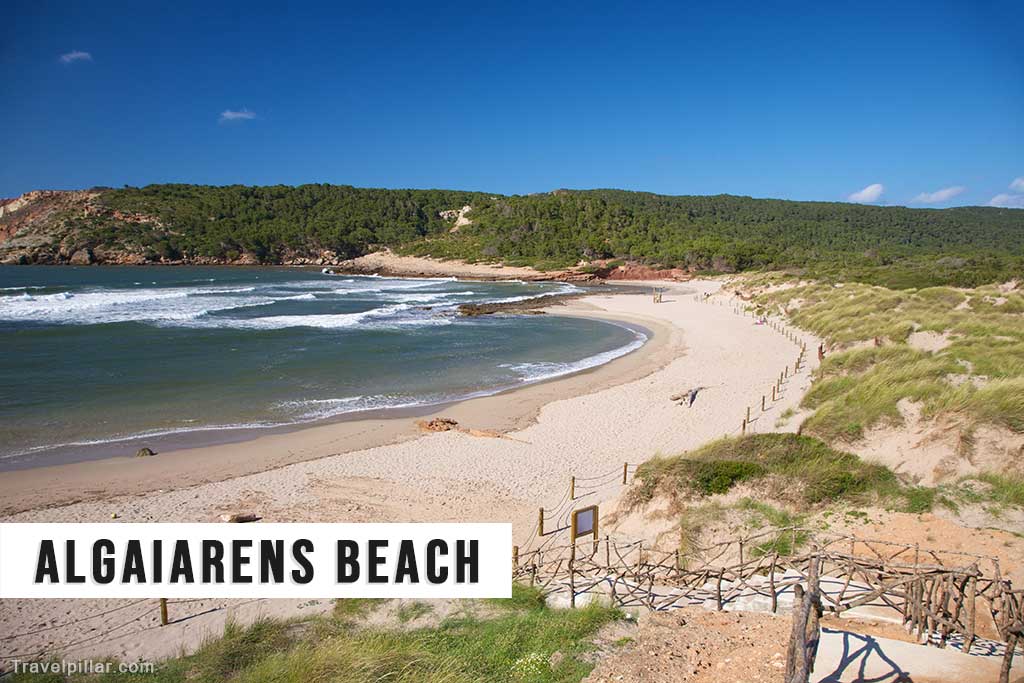
Algaiarens – Platja Des Bot (Es Bot Beach) is a tranquil cove situated within the protected area of La Vall on Menorca’s northern coast. The beach is characterized by golden sand, clear waters, and a backdrop of lush pine forests, making it an ideal spot for swimming, snorkeling, and relaxation. Accessible via a dirt road and a short walk, Es Bot Beach offers visitors a serene and unspoiled environment to enjoy the island’s natural beauty.
Official website:
https://www.menorca.es
Google map – Platja Des Bot 4.7/5
Google map – Es Tancats 4.5/5
Macarelleta Beach
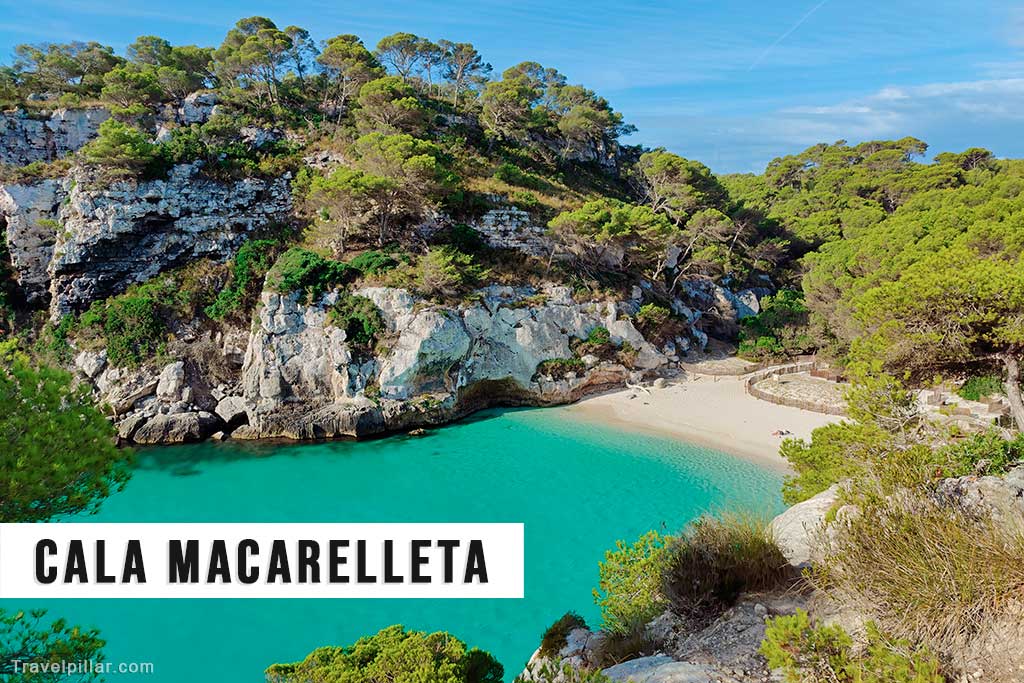
Macarelleta Beach (south coast) is a small, secluded cove located on Menorca’s southern coast, near the larger Cala Macarella. Known for its fine white sand, turquoise waters, and dramatic limestone cliffs, the beach offers a picturesque setting for swimming, snorkeling, and sunbathing. Accessible via a coastal path or boat, Macarelleta Beach provides visitors with a tranquil and unspoiled environment away from the island’s busier resorts.
Official website:
https://www.menorca.es
Google map Macarelleta Beach 4.6/5
Google map Cala Macarella 4.3/5
Cala en Turqueta Beach
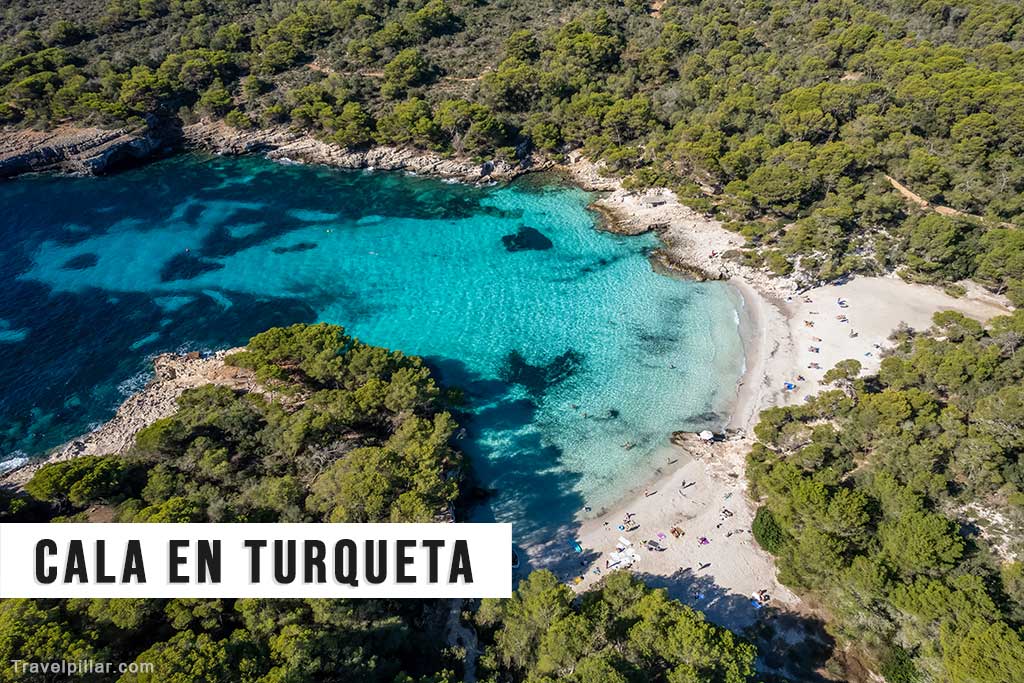
Cala en Turqueta Beach (south coast) is a popular cove on Menorca’s southwestern coast, renowned for its crystal-clear waters, white sand, and surrounding pine forests. The beach offers a picturesque setting for swimming, sunbathing, and snorkeling, with nearby parking and facilities. Cala en Turqueta is an ideal destination for families and those seeking a beautiful and easily accessible beach on the island.
Official website:
https://www.menorca.es
Google map 4.6/5
Parc Natural de s’Albufera des Grau Nature Reserve
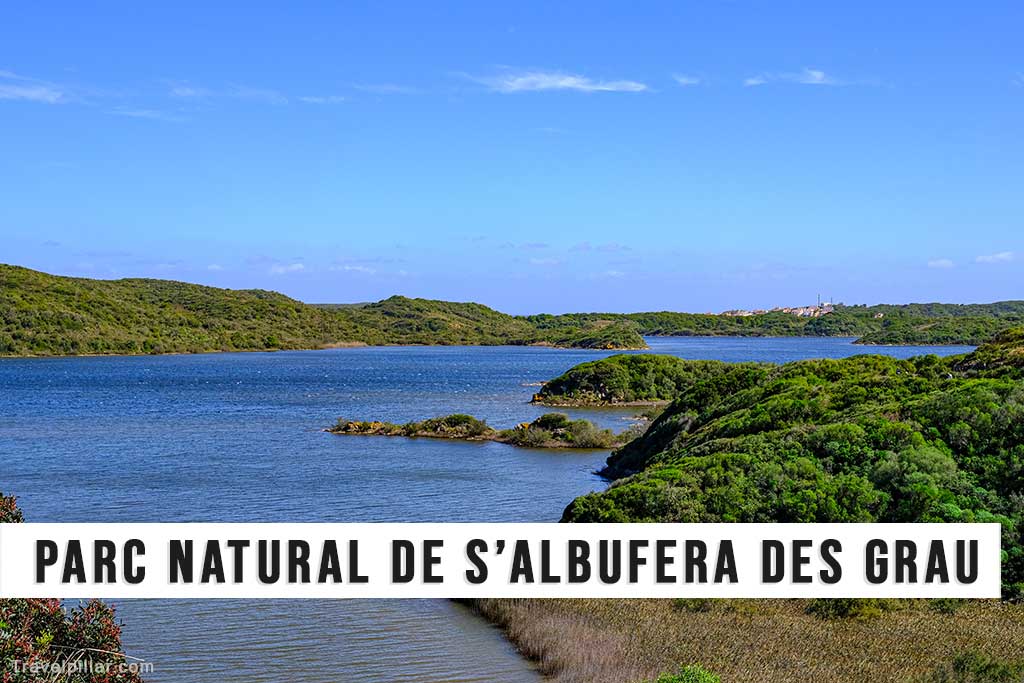
Parc Natural de s’Albufera des Grau Nature reserve (east coast) is a protected area located on Menorca’s northeastern coast. The reserve encompasses diverse habitats, such as wetlands, dunes, and cliffs, providing a sanctuary for a wide variety of flora and fauna. Visitors can explore the park’s numerous hiking trails, observe native bird species, or discover the area’s rich marine life through snorkeling or scuba diving.
Google map 4.6/5
Binibeca Vell

Binibeca Vell is a quaint, whitewashed fishing village situated on Menorca’s southeastern coast. Designed by Spanish architect Antonio Sintes in the 1970s, the village features narrow streets, archways, and traditional Menorcan-style homes. Visitors can wander the maze-like alleyways, dine at local restaurants, or relax by the waterfront, experiencing the charm and atmosphere of a traditional Menorcan village.
Google map 4.6/5
Cala Galdana Beach
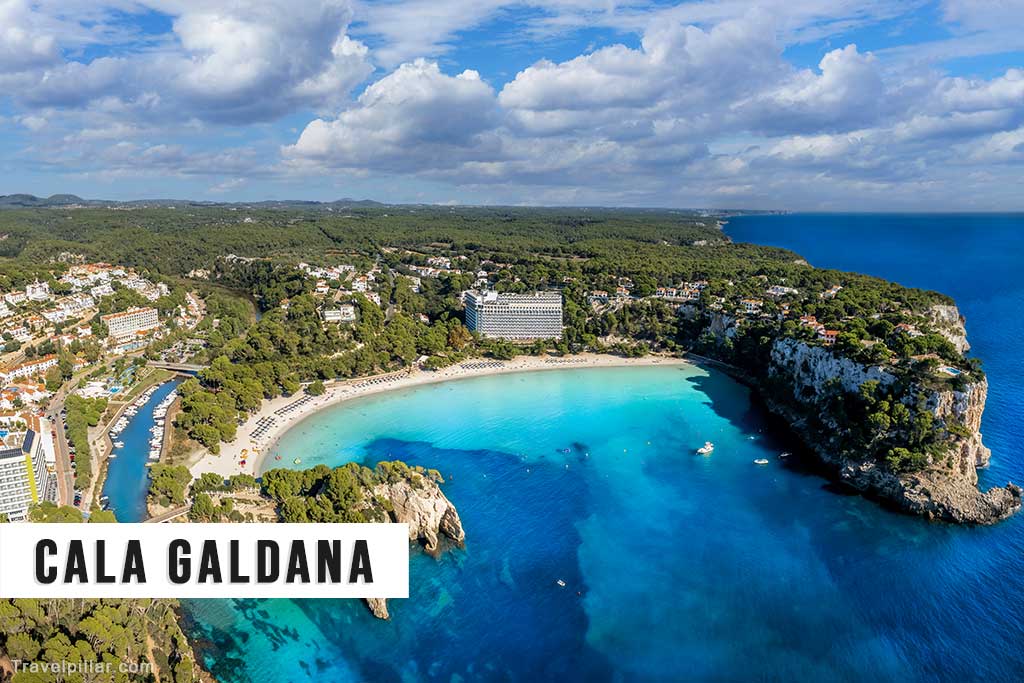
Cala Galdana Beach (south coast) is a crescent-shaped bay on Menorca’s southern coast, known for its fine golden sand, clear waters, and lush green surroundings. The beach offers various amenities, such as sun loungers, umbrellas, and watersport rentals, making it an ideal destination for families and beachgoers seeking a comfortable and picturesque setting. Cala Galdana’s resort area provides dining and accommodation options for visitors looking to stay nearby.
Official website:
https://www.menorca.es
Google map 4.4/5
Es Mercadal
Es Mercadal is a traditional Menorcan town located in the island’s central region, at the foot of Mount Toro, Menorca’s highest peak. Known for its whitewashed buildings, local craft markets, and culinary heritage, Es Mercadal offers visitors an authentic experience of Menorcan life. The town is also an ideal starting point for hiking excursions, exploring the island’s countryside, or sampling the famous local dessert, ensaimada.
Cova des Coloms
Cova des Coloms, also known as the Cathedral Cave, is a large natural limestone cave situated on Menorca’s southern coast near the village of Es Migjorn Gran. The cave measures approximately 24 meters high, 110 meters long, and 15 meters wide, providing a spectacular and cavernous setting for exploration. Accessible via a hiking trail, Cova des Coloms offers visitors a unique adventure, showcasing the geological wonders of Menorca.
Google map 4.5/5
Líthica, Pedreres de s’Hostal
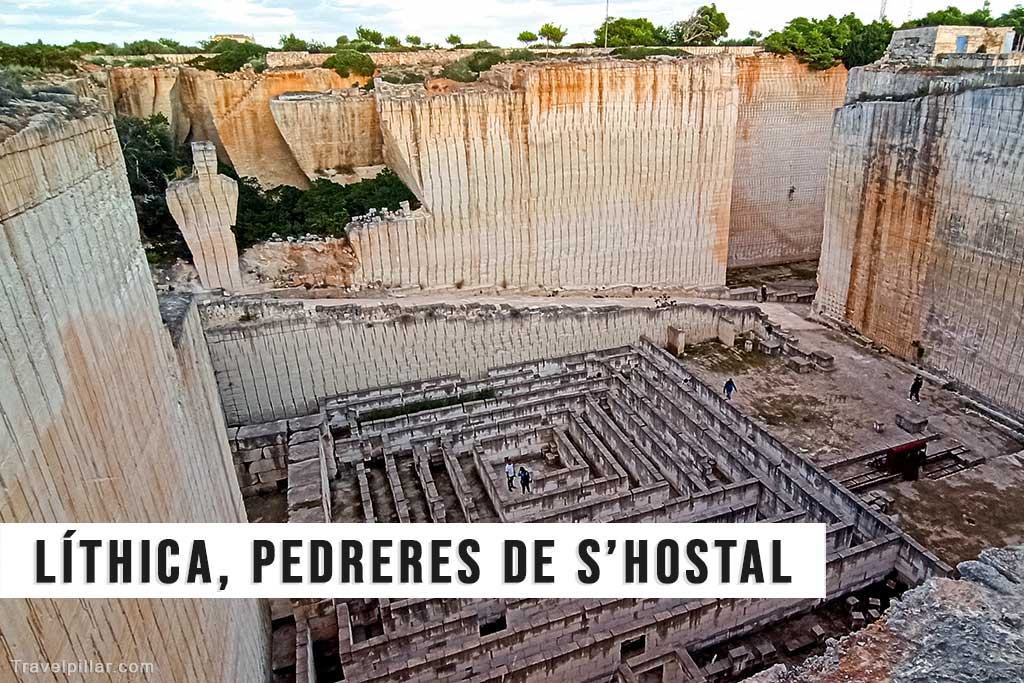
Líthica, Pedreres de s’Hostal is a unique cultural attraction situated near Ciutadella, Menorca. This former sandstone quarry has been transformed into a labyrinthine garden and open-air museum, showcasing the island’s geological and architectural heritage. Visitors can explore the site’s various chambers, admire the intricate stone carvings, and attend concerts or events held within the quarry’s natural amphitheater.
Google map 4.5/5
Naveta d’Es Tudons
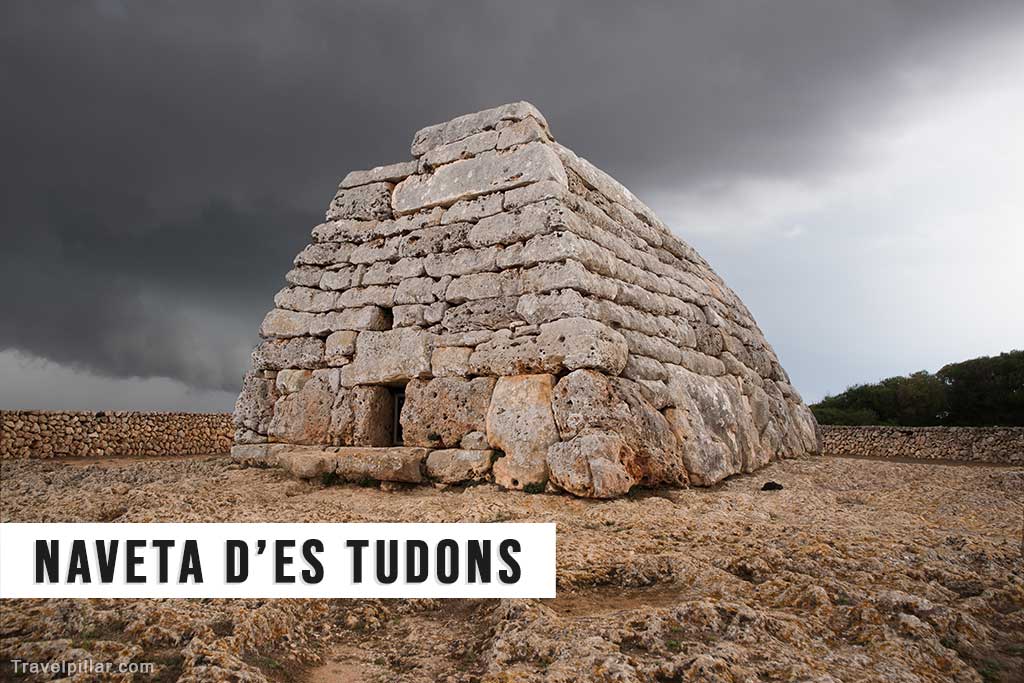
Naveta d’Es Tudons is a prehistoric burial site located on Menorca’s western coast, dating back to the Bronze Age. The structure, resembling an upturned boat, is considered the best-preserved example of a Talaiotic naveta, a unique architectural style found only in the Balearic Islands. Visitors can explore the site and learn about the island’s ancient history, while enjoying the surrounding countryside and panoramic views.
Google map 4.3/5
Fornells
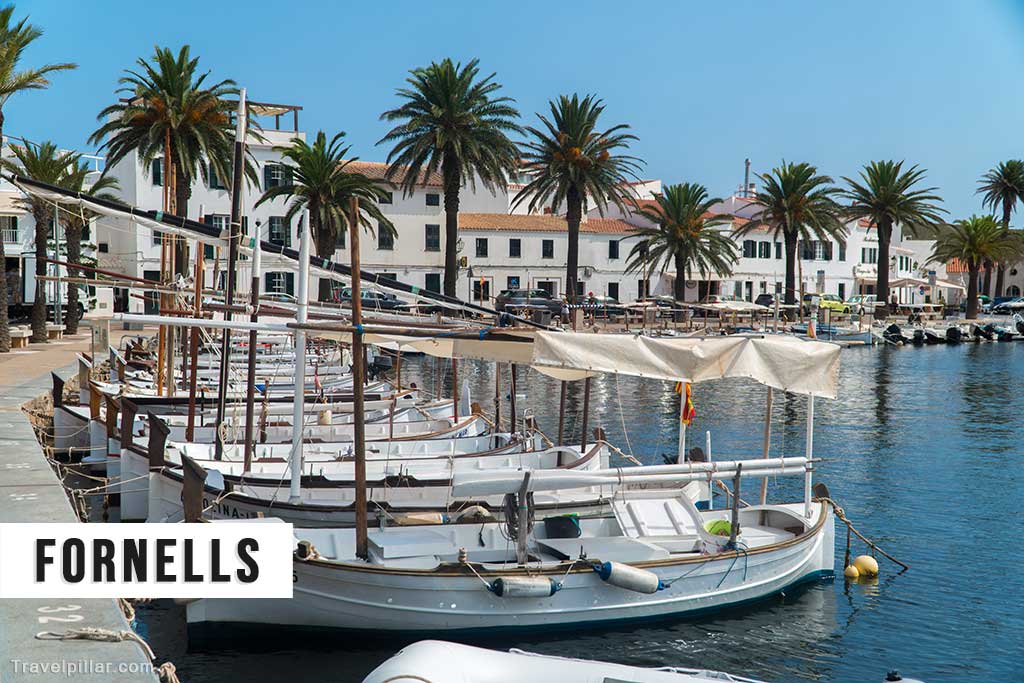
Fornells is a picturesque fishing village situated on Menorca’s northern coast, known for its natural harbor, whitewashed houses, and traditional charm. The village offers a range of watersports, such as sailing, kayaking, and windsurfing, as well as coastal walking trails. Fornells is also renowned for its local cuisine, particularly the traditional Menorcan dish, caldereta de langosta, a lobster stew that can be sampled at various waterfront restaurants.