

Displayed in the Louvre Museum in Paris, The Entombment by Titian is one of the great religious paintings of the Venetian Renaissance. Painted between 1520 and 1522 by the Italian artist Titian, the work depicts the moment Christ’s body is carried to the tomb following the Crucifixion. Although many Renaissance artists painted scenes from the Passion of Christ, Titian approached the subject with an unusual combination of physical realism, emotional restraint and dramatic atmosphere.
The composition centres on several figures struggling to lower Christ’s body into the tomb. The weight of the body feels tangible, with the figures bending and straining under the burden. Rather than presenting the scene as distant religious symbolism, Titian gives it a deeply human quality. Grief is conveyed through gestures, expressions and movement rather than exaggerated emotion.
One of the most striking aspects of the painting is Titian’s use of colour and light. Venetian Renaissance painters were famous for their rich colour palettes, and Titian was considered one of the greatest masters of this approach. Deep reds, dark shadows and soft highlights create an atmosphere that feels both solemn and intimate. The figures emerge gradually from the darkness, drawing attention toward Christ at the centre of the composition.
Unlike the balanced calm often associated with earlier Renaissance art, The Entombment contains a sense of tension and movement that anticipates the later Baroque period. The diagonal arrangement of the figures pulls the viewer into the scene and creates emotional momentum. This ability to combine realism with atmosphere became highly influential for later European painters including Rubens, Velázquez and Rembrandt.
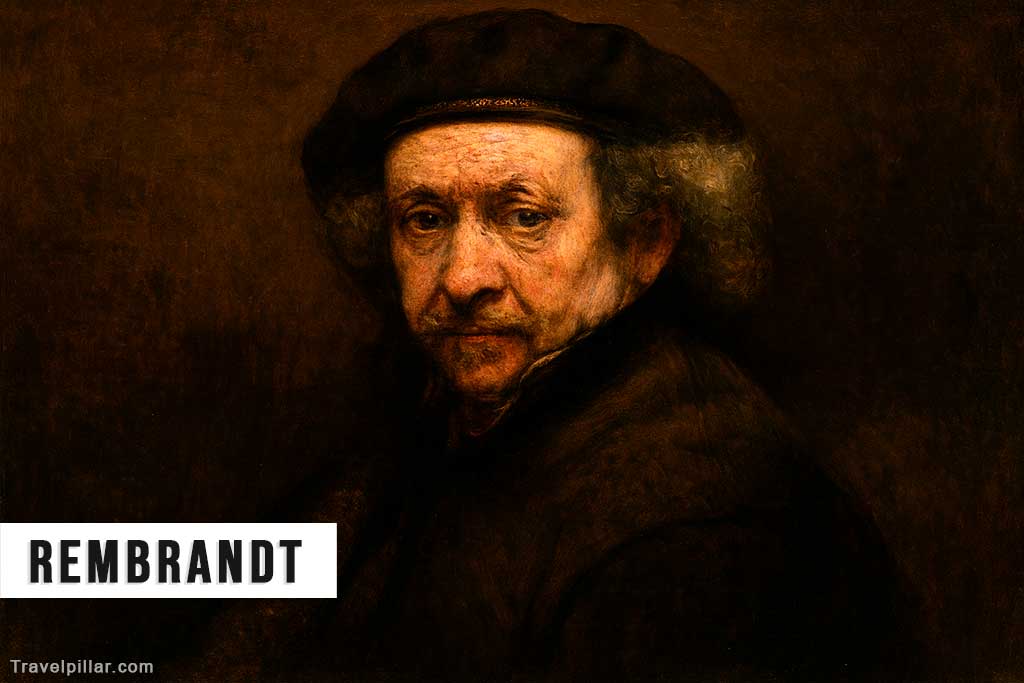
Titian himself was one of the most successful artists of 16th-century Europe, working for wealthy patrons, Venetian rulers and even the Holy Roman Emperor Charles V. His reputation during his lifetime was extraordinary, and many later artists travelled specifically to study his use of colour and paint handling.
Religious paintings such as The Entombment originally served devotional purposes, encouraging viewers to reflect emotionally on biblical events. Yet even for modern visitors without a religious background, the painting remains compelling because it focuses on universal human themes such as loss, mortality and compassion.
Walking through the Louvre Museum, The Entombment offers a quieter and more reflective experience than some of the museum’s larger historical works. Its emotional subtlety, rich atmosphere and human realism continue to demonstrate why Titian is regarded as one of the defining painters of the Renaissance.
Weblink: https://collections.louvre.fr/en/