
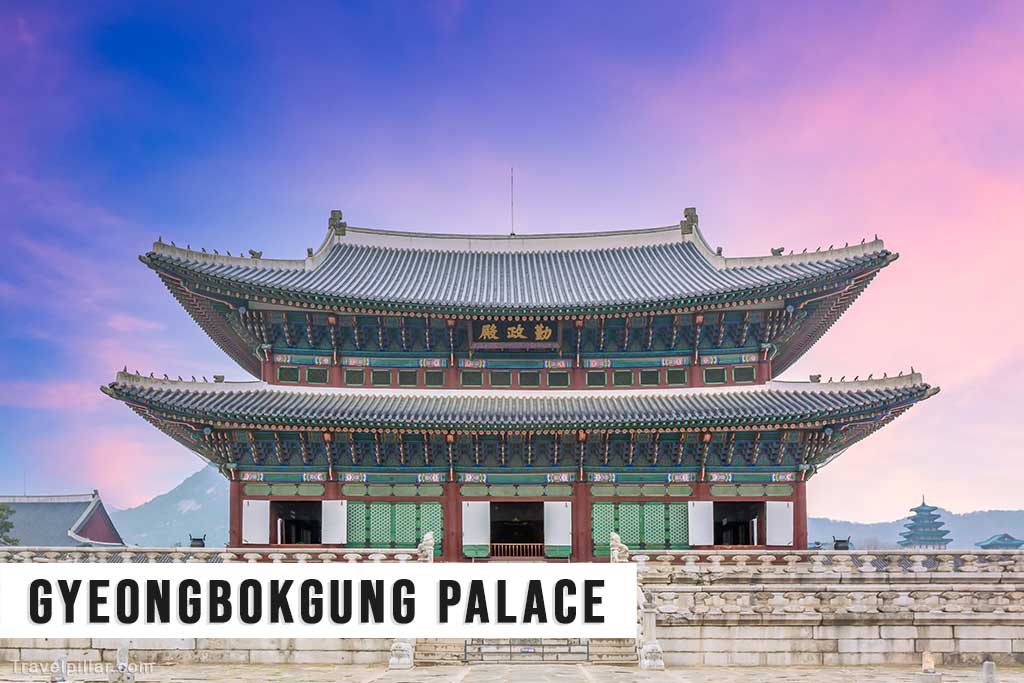
Gyeongbokgung Palace, constructed in 1395, is the largest and most significant of Seoul’s Five Grand Palaces built during the Joseon Dynasty. Its name means “Palace Greatly Blessed by Heaven,” reflecting its importance as the political and cultural heart of the kingdom. Located at the northern end of Seoul’s main avenue, it originally served as the primary royal residence and a symbol of dynastic authority.
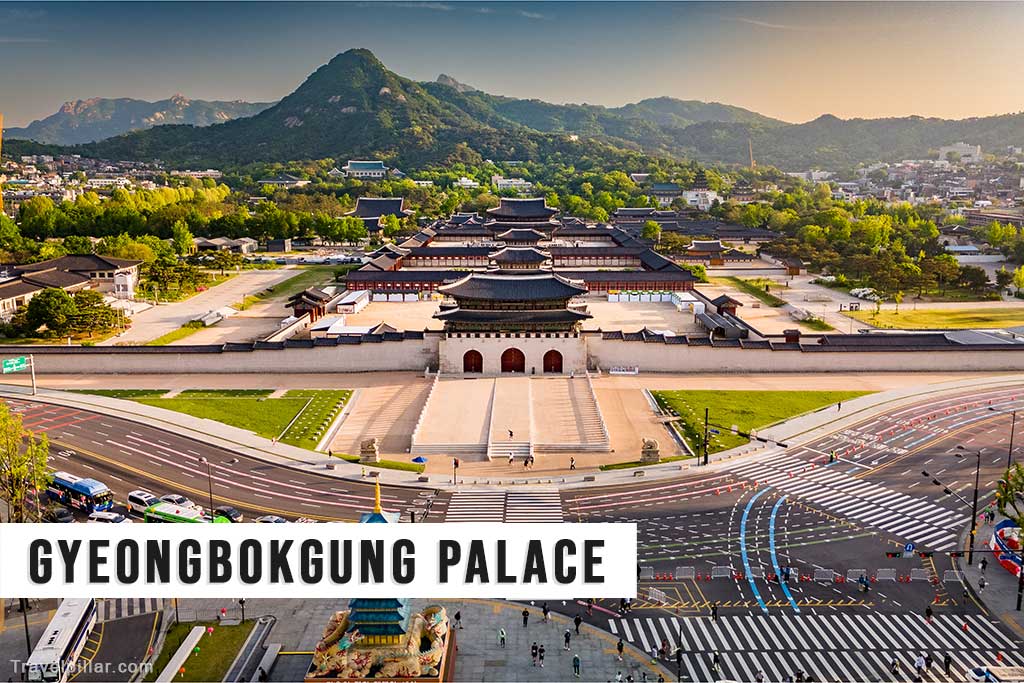
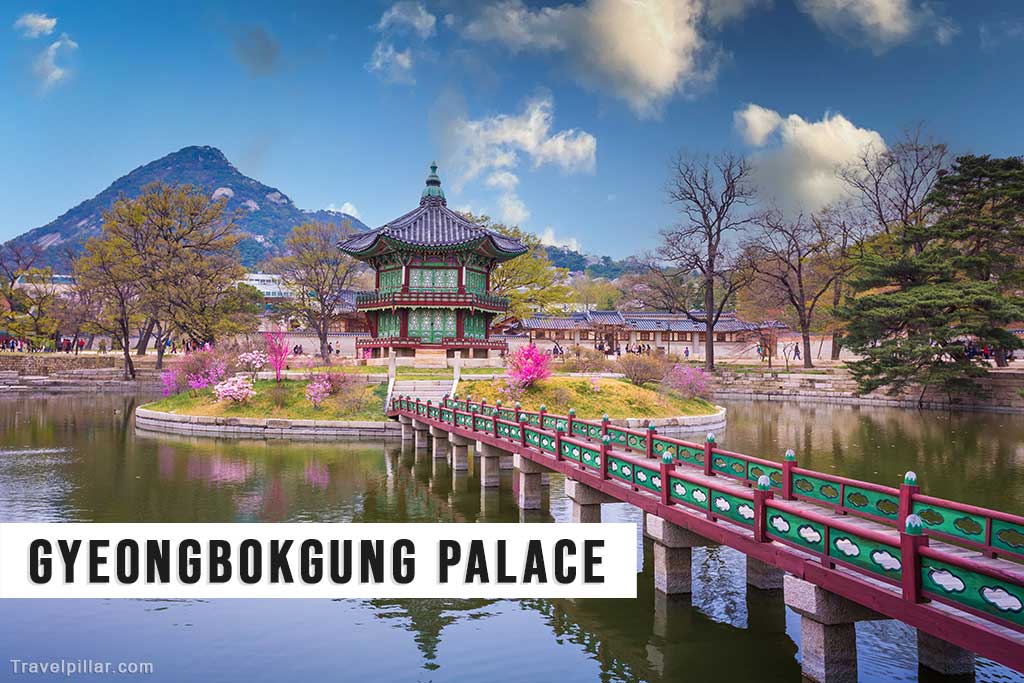
The palace complex was designed according to Confucian principles, with a layout emphasizing hierarchy and order. It contains numerous gates, courtyards, halls, and pavilions, many of which have been carefully reconstructed after destruction during invasions and colonial rule. Among the most notable buildings is Geunjeongjeon, the main throne hall where official state ceremonies were conducted. Gyeonghoeru Pavilion, set on an artificial island within a pond, was used for banquets and diplomatic gatherings and is considered a fine example of traditional Korean architecture in harmony with its natural setting.
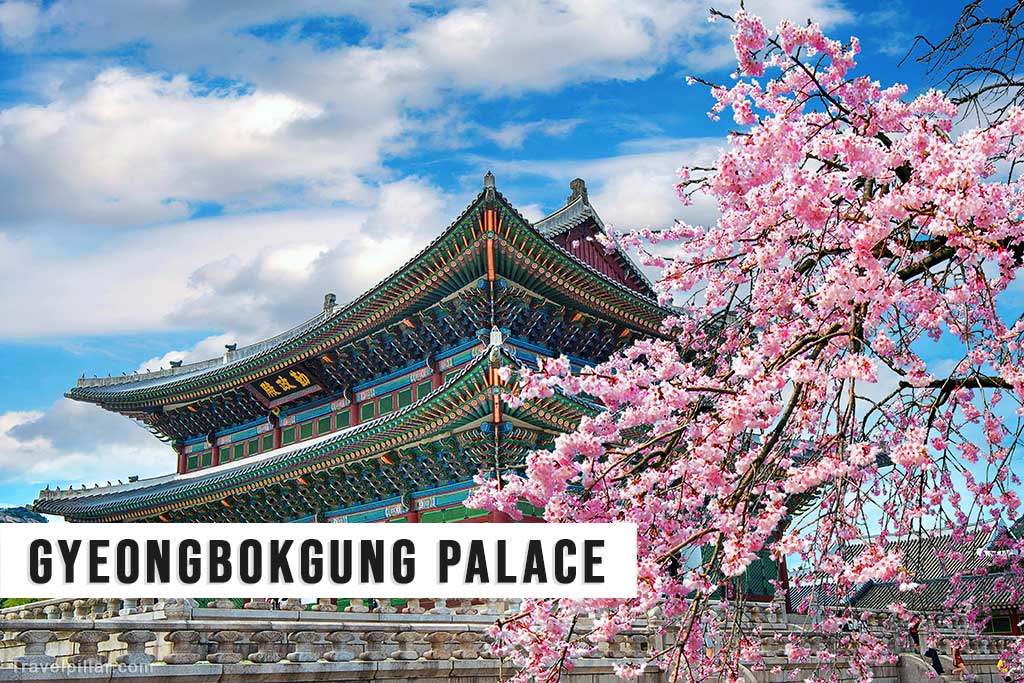
During the Japanese invasions of the late sixteenth century, Gyeongbokgung was largely destroyed and remained in ruins for centuries. It was later reconstructed in the nineteenth century under King Gojong but suffered further damage during the Japanese occupation in the early twentieth century, when many structures were dismantled. Restoration efforts began in the latter half of the twentieth century and continue today, with large sections of the palace complex carefully rebuilt to reflect their historical appearance.
In addition to its architectural significance, the palace grounds house two important cultural institutions: the National Palace Museum of Korea and the National Folk Museum of Korea. These provide insights into royal life, governance, and broader aspects of Korean heritage.
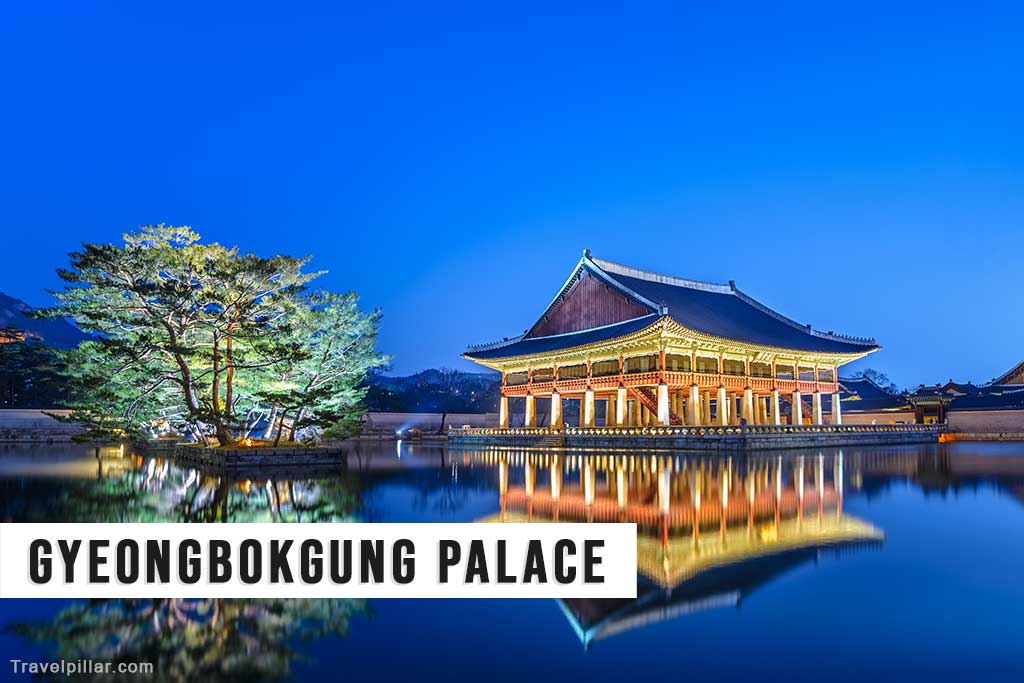
Today, the palace is both a historical monument and an active cultural venue, hosting traditional performances, ceremonies, and guided tours. The daily changing of the guard ceremony at the main gate, Gwanghwamun, attracts many visitors and re-creates a key aspect of Joseon court tradition. As one of Seoul’s most prominent landmarks, the palace illustrates the enduring legacy of Korea’s dynastic past within the modern city.
Official website: https://royal.khs.go.kr/ENG/
Google map Gyeongbokgung Palace 4.6/5
Also within the grounds of the Palace:
National Palace Museum of Korea

The National Palace Museum of Korea, located within the grounds of Gyeongbokgung Palace, preserves and displays artifacts from the Joseon Dynasty and Korea’s royal heritage. Established in 1992 and relocated to its current site in 2005, the museum houses royal documents, clothing, furnishings, and ceremonial objects. Exhibitions cover state rituals, science, and court life. Its collections provide valuable insight into Korea’s political, cultural, and technological development during the five centuries of Joseon rule.
Official website: https://www.gogung.go.kr/gogungEn/
Google map National Palace Museum of Korea 4.6/5
National Folk Museum of Korea
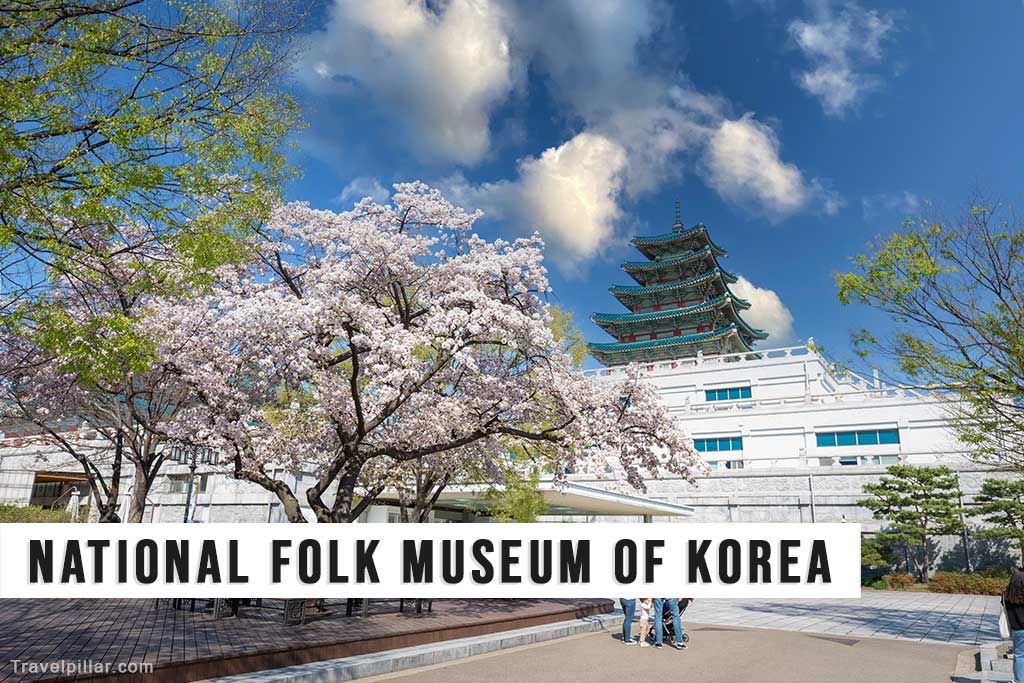
The National Folk Museum of Korea, situated within the grounds of Gyeongbokgung Palace, focuses on the daily lives and traditions of the Korean people. Opened in 1975, it presents over 90,000 artifacts illustrating folk culture, crafts, agriculture, and rituals. Permanent and special exhibitions cover topics such as seasonal customs, clothing, and household items. The museum also includes outdoor exhibits of traditional dwellings, offering a comprehensive overview of Korea’s cultural heritage and history.
Official website: https://www.nfm.go.kr/english/index.do
Google map National Folk Museum of Korea 4.6/5