

Oxford, England, the “City of Dreaming Spires,” boasts a rich and storied history, dating back to the 9th century. At its heart lies the prestigious University of Oxford, comprising 39 distinct colleges, each a stunning architectural gem. Delve into the city’s intellectual aura as you meander through cobbled streets, past medieval buildings and picturesque parks. For history buffs, must-visit attractions include the Ashmolean Museum, Bodleian Library, and Radcliffe Camera. However, Oxford’s allure extends beyond academia, with its thriving culinary scene and idyllic punting opportunities along the River Cherwell. An immersive experience, Oxford elegantly balances past and present.
Official website: https://www.experienceoxfordshire.org
Google map of Oxford
The Best Things to Do in Oxford
Oxford University Museum of Natural History
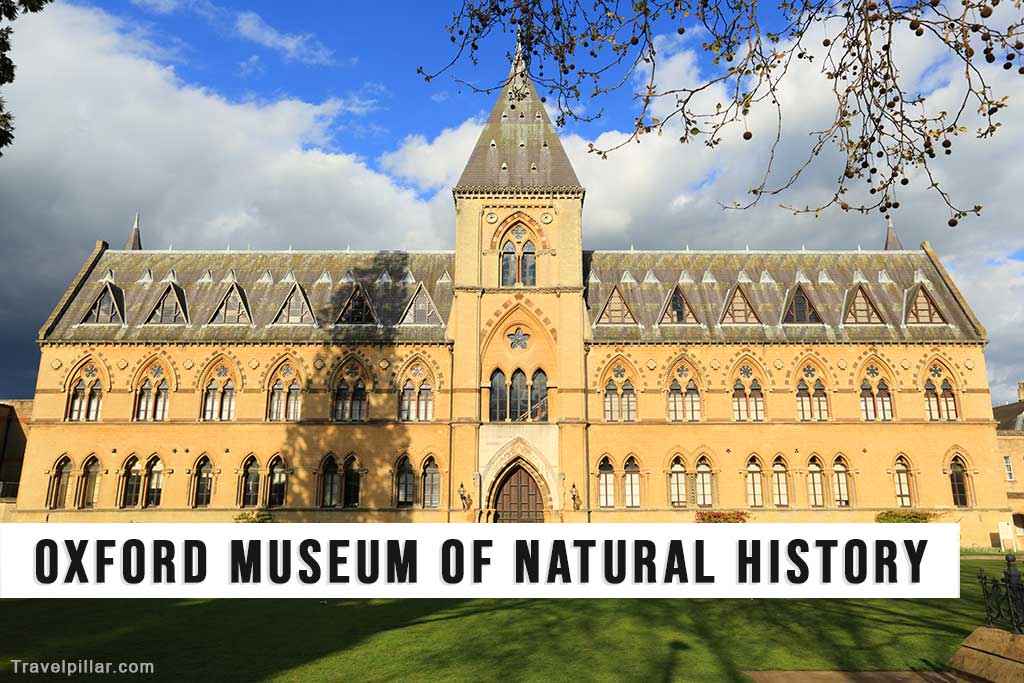
The Oxford University Museum of Natural History is an architectural marvel housing an extensive collection of geological and zoological specimens. Established in 1860, the neo-Gothic building invites visitors to explore Earth’s biodiversity, from dinosaur skeletons to rare minerals. Engaging exhibits and educational events cater to all ages, making the museum a must-visit destination for science enthusiasts.
Official website: https://www.oumnh.ox.ac.uk
Google map 4.8/5
Radcliffe Camera

Radcliffe Camera is an iconic Oxford landmark, constructed between 1737-1749, featuring striking Palladian architecture. This impressive circular edifice, designed by James Gibbs, primarily functions as a reading room for the Bodleian Library. While not accessible to the general public, its grand façade and photogenic Radcliffe Square surroundings ensure it remains a popular attraction for tourists seeking a glimpse into Oxford’s academic heritage.
Google map 4.7/5
Ashmolean Museum

The Ashmolean Museum is the world’s first university museum, founded in 1683, and renowned for its vast collection of art and archaeology. The museum houses treasures spanning millennia, from ancient Egyptian artifacts to European masterpieces by artists like Van Gogh and Michelangelo. A combination of permanent exhibits and rotating displays ensures a fresh experience for return visitors.
Official website: https://www.ashmolean.org
Google map 4.7/5
Pitt Rivers Museum

Pitt Rivers Museum is an anthropological haven, showcasing over 500,000 ethnographic and archaeological objects. Established in 1884, the museum’s eclectic collection is uniquely displayed, arranged by thematic categories rather than geographical regions. Highlights include shrunken heads, totem poles, and musical instruments from diverse cultures.
Official website: https://prm.ox.ac.uk
Google map 4.7/5
Bodleian Library
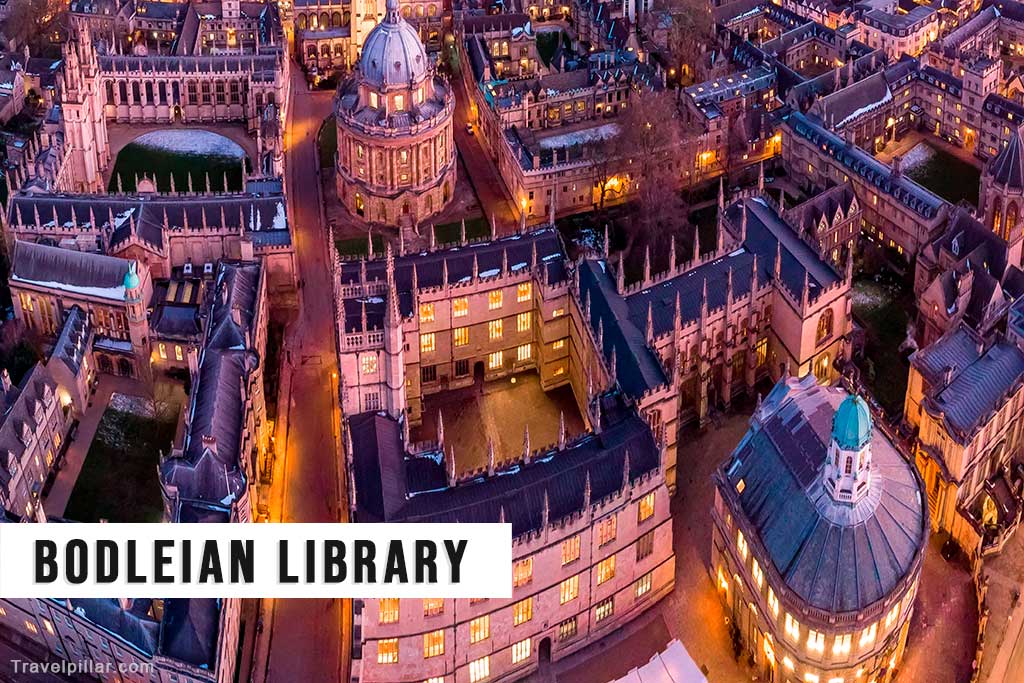
Bodleian Library is one of the oldest libraries in Europe, founded in 1602. It holds over 13 million printed items and serves as a legal deposit library, receiving a copy of every publication produced in the UK and Ireland. The library’s illustrious architecture, including the 15th-century Divinity School and the Duke Humfrey’s Reading Room, exemplifies Oxford’s scholarly atmosphere.
Official website: https://visit.bodleian.ox.ac.uk
Google map 4.6/5
University Church of St Mary the Virgin
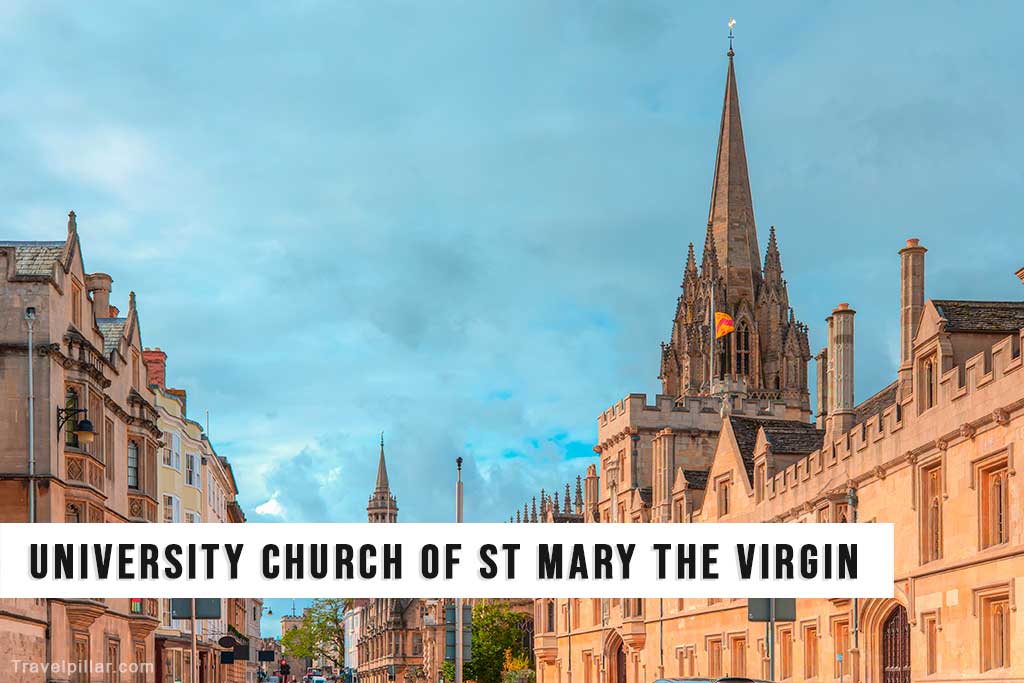
University Church of St Mary the Virgin is the oldest parish church in Oxford, with its foundation dating back to the 13th century. This sacred structure features an elegant spire, intricate stained-glass windows, and a historical pulpit where the Oxford Martyrs were tried. Visitors can climb the tower for panoramic views of Oxford’s skyline.
Official website: https://www.universitychurch.ox.ac.uk
Google map 4.6/5
All Souls College

All Souls College is a distinguished Oxford institution, established in 1438. It serves as a graduate research college, admitting no undergraduate students. The college’s ornate façade and twin-towered entrance, designed by Nicholas Hawksmoor, create a striking visual presence. While access to the college is limited, the exterior remains a popular spot for architectural appreciation.
Official website: https://www.asc.ox.ac.uk
Google map 4.8/5
Magdalen College

Magdalen College, founded in 1458, is known for its picturesque grounds and distinctive academic tradition. Visitors can explore the tranquil Cloister, the impressive Great Tower, and the enchanting riverside Addison’s Walk. The college is particularly famous for its choir, whose annual May Morning performance from the Great Tower attracts thousands of spectators.
Official website: https://www.magd.ox.ac.uk/
Google map 4.6/5
Port Meadow

Port Meadow is a vast, ancient common land along the River Thames, stretching over 300 acres. This untouched, unenclosed meadow offers a serene escape from city life, with grazing horses and cattle, and an abundance of birdlife. Visitors can enjoy leisurely walks, picnics, and stunning views of Oxford’s spires in the distance.
Official website: https://www.oxford.gov.uk
Google map 4.7/5
The University of Oxford Botanic Garden
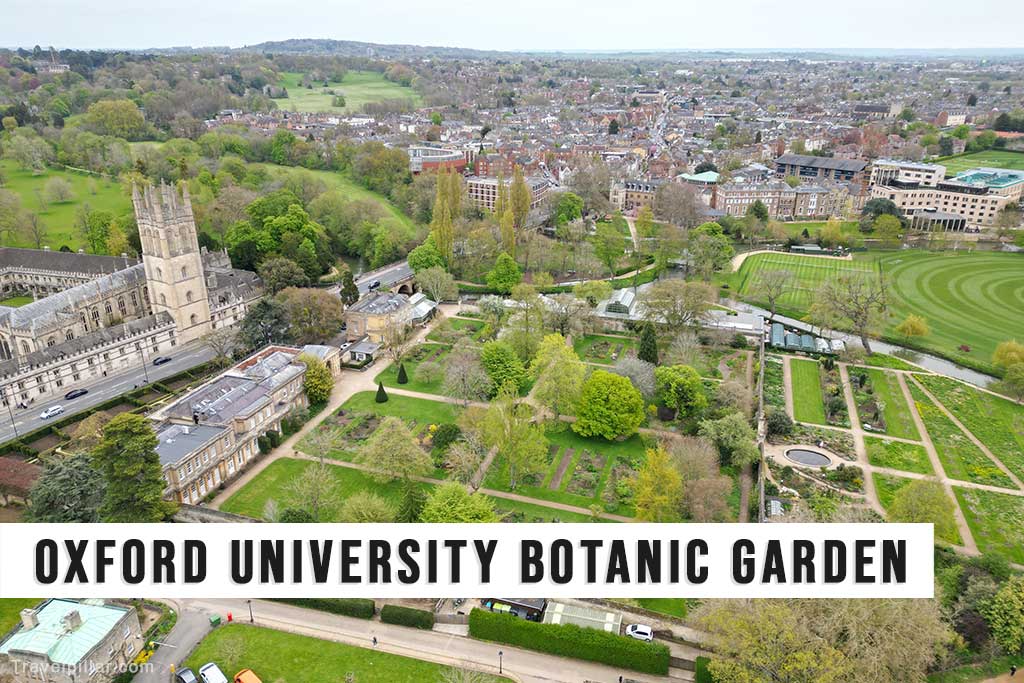
The University of Oxford Botanic Garden is the oldest botanic garden in the UK, founded in 1621. Spanning 4.5 acres, it hosts a diverse collection of over 6,000 plant species. With themed glasshouses, herbaceous borders, and a tranquil riverside setting, the garden provides an idyllic retreat for nature lovers.
Official website: https://www.obga.ox.ac.uk/visit-garden
Google map 4.5/5
Museum of the History of Science
Museum of the History of Science is housed in the world’s oldest surviving purpose-built museum building, the Old Ashmolean. Opened in 1924, it contains an extensive collection of scientific instruments, including astrolabes, microscopes, and sundials. Exhibits trace the development of scientific thought and showcase the significant contributions of historical figures like Einstein and Boyle.
Official website: https://www.hsm.ox.ac.uk
Google map 4.4/5
Carfax Tower
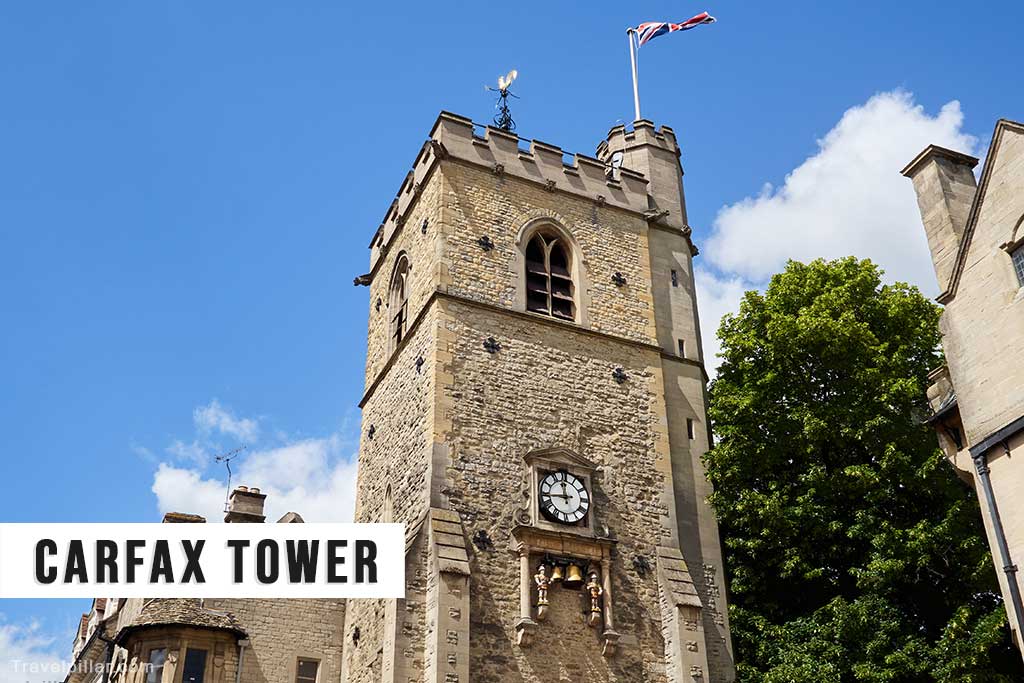
Carfax Tower, located at the junction of Oxford’s High Street and Queen Street, is all that remains of the 13th-century St Martin’s Church. Visitors can climb the 99 steps to the top, where they are rewarded with panoramic views of Oxford’s skyline. The tower’s name is derived from the Latin “quadrifurcus,” referring to its four-way intersection.
Official website: https://www.citysightseeingoxford.com/
Google map 4.4/5
Christ Church College

Christ Church is one of Oxford’s largest and most iconic colleges, founded by Cardinal Wolsey in 1525. The college boasts a grand dining hall, which served as inspiration for Hogwarts in the Harry Potter films, and houses the stunning Christ Church Cathedral. It is also home to the renowned Christ Church Picture Gallery, containing an impressive collection of European art.
Official website: https://www.chch.ox.ac.uk/
Google map 4.5/5
The Oxford Canal
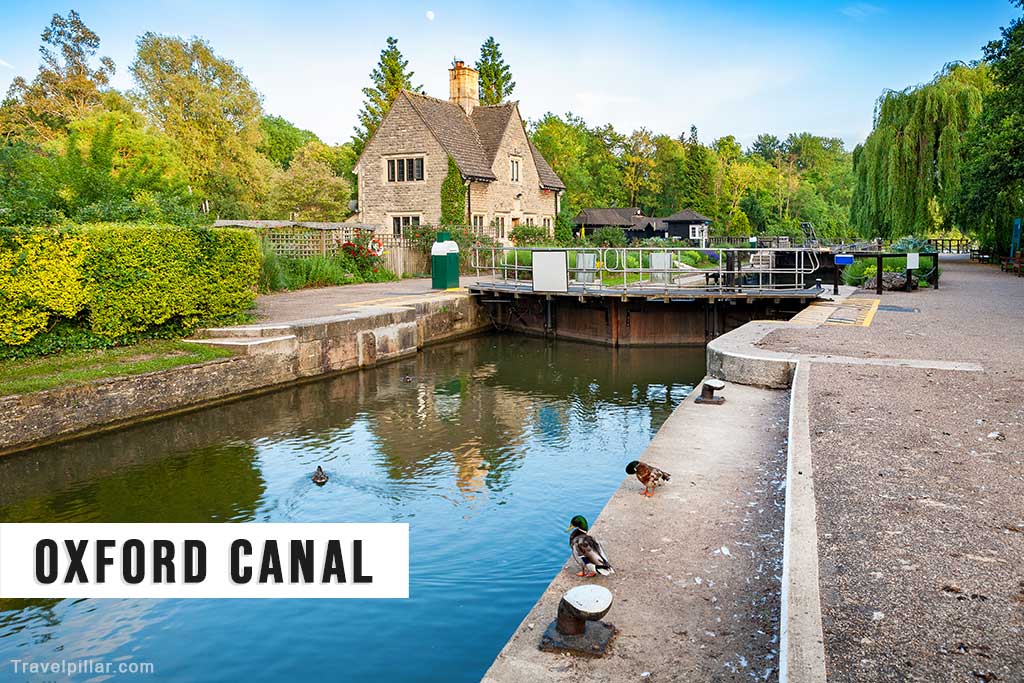
The Oxford Canal is a picturesque 78-mile waterway that connects Oxford to Coventry. Built between 1769 and 1790, it played a vital role in transporting goods during the Industrial Revolution. Today, the canal offers scenic walks and leisurely boat trips, with vibrant narrowboats and traditional canal-side pubs adding to its charm.
Google map Oxford Canal start of tow path Hythe Bridge 4.8/5
Punting on the River Cherwell

Punting on the River Cherwell is a traditional Oxford activity, offering visitors a unique way to view the city’s picturesque scenery. Punts are flat-bottomed boats propelled by a pole, known as a quant. The activity is popular in the summer months, allowing participants to glide past historic college buildings, lush meadows, and serene parks. Punts can be rented from several locations, including the Magdalen Bridge Boathouse, with options for self-hire or guided tours.
Official website: https://www.oxfordpunting.co.uk
Google map Oxford Punting 4.4/5
The Bridge of Sighs
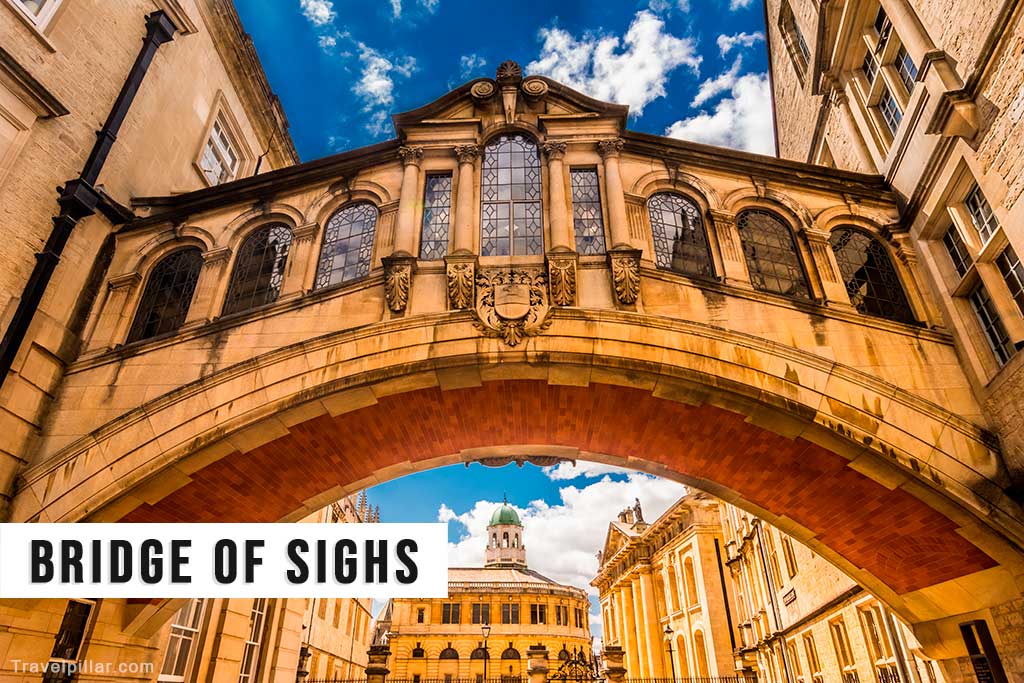
The Bridge of Sighs, officially known as Hertford Bridge, is an architectural landmark in Oxford, England. Completed in 1914, it connects two parts of Hertford College over New College Lane. The bridge is named for its resemblance to the famous Bridge of Sighs in Venice, though it primarily serves a practical function for college students. Despite popular myths, the bridge’s purpose was not health-related but rather to provide convenient access between buildings.
Places to visit just outside of Oxford
Blenheim Palace

Blenheim Palace, a UNESCO World Heritage Site, is located in Woodstock, near Oxford. Built between 1705 and 1722, it is the principal residence of the Dukes of Marlborough. The palace is renowned for its baroque architecture, landscaped gardens, and extensive parklands designed by Capability Brown. It was the birthplace of Sir Winston Churchill, whose legacy is commemorated in an on-site exhibition. Visitors can tour the State Rooms, explore the gardens, and attend various seasonal events.
Official website: https://www.blenheimpalace.com
Google map 4.6/5
Woodstock
Woodstock is a historic market town located in Oxfordshire, England, approximately 12 miles northwest of Oxford. Known for its charming streets and period architecture, Woodstock offers visitors a glimpse into England’s past. The town is home to the famous Blenheim Palace, a UNESCO World Heritage Site. Woodstock’s attractions include the Oxfordshire Museum and the Soldiers of Oxfordshire Museum. The town also hosts regular markets and events, making it a vibrant community hub.
Burford

Burford, known as the “Gateway to the Cotswolds,” is a picturesque town located 20 miles west of Oxford. Its historic high street is lined with ancient houses, antique shops, and tea rooms. The 15th-century church of St John the Baptist is a notable landmark. Burford is also home to the Tolsey Museum, showcasing local history. Nearby, the Cotswold Wildlife Park offers a family-friendly attraction with diverse animal exhibits.
Chipping Norton
Chipping Norton, located in the Cotswolds, 20 miles northwest of Oxford, is a historic market town known for its charming streets and antique shops. The town features the impressive St. Mary the Virgin Church, dating back to the 12th century. Nearby attractions include the Rollright Stones, a prehistoric stone circle.
The Cotswolds

The Cotswolds, an Area of Outstanding Natural Beauty, spans six counties, with Oxfordshire being a prominent part. Known for its rolling hills, charming villages, and distinctive limestone buildings, the Cotswolds is a popular destination for nature walks and exploring traditional English countryside life. Highlights include the picturesque village of Bourton-on-the-Water and the historic market town of Chipping Norton. Visitors can enjoy local crafts, historic sites, and scenic landscapes