
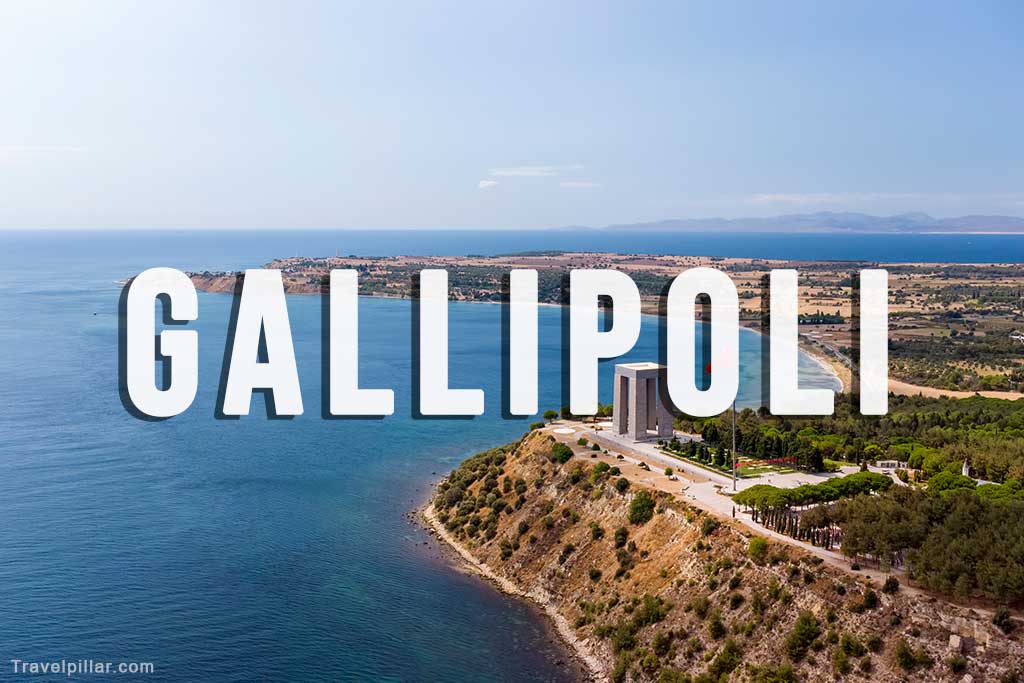
Gallipoli, located in the northwestern part of Turkey, holds historical significance as the site of the Gallipoli Campaign during World War I. This peninsula, situated between the Aegean Sea and the Dardanelles, witnessed one of the most significant and costly battles of the war.
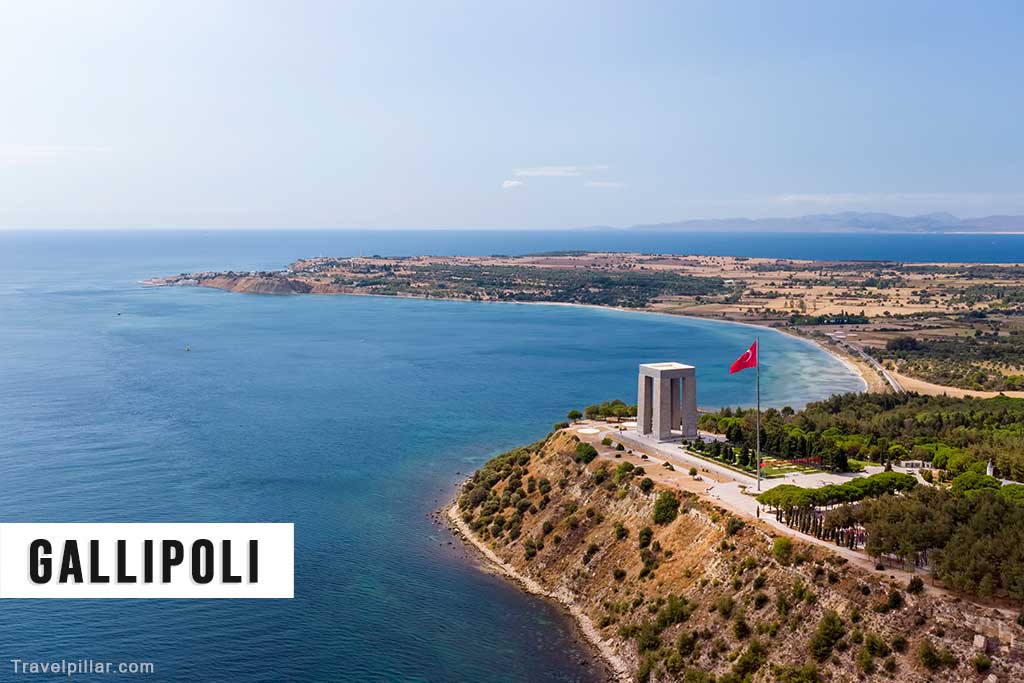
The Gallipoli Campaign, also known as the Dardanelles Campaign, took place between April 1915 and January 1916. It was a joint British and French attempt to capture the Ottoman Empire‘s capital, Constantinople (modern-day Istanbul), and secure a sea route to Russia. The campaign ultimately failed, resulting in heavy casualties on both sides.
Today, Gallipoli is a pilgrimage site for Australians and New Zealanders who come to commemorate the soldiers of the Australian and New Zealand Army Corps (ANZAC) who fought and lost their lives during the campaign. ANZAC Day, observed on April 25th, is a day of remembrance for those who served and died in all wars, conflicts, and peacekeeping operations.
The Gallipoli Peninsula is dotted with cemeteries, memorials, and monuments, each telling a poignant story of the human cost of war. The Lone Pine Cemetery, Chunuk Bair, and Anzac Cove are among the sites that draw visitors seeking to pay their respects and reflect on the sacrifices made during the Gallipoli Campaign.
Gallipoli’s serene landscapes and historical resonance make it a place of contemplation and remembrance, fostering a sense of shared history and humanity among those who visit.
Google map Gallipoli Peninsula Historical National Park Museum 4.8/5
Google map Canakkale Martyrs Monument 4.9/5
Google map Anzac Cove 4.6/5
Lone Pine Cemetery
Chunuk Bair