
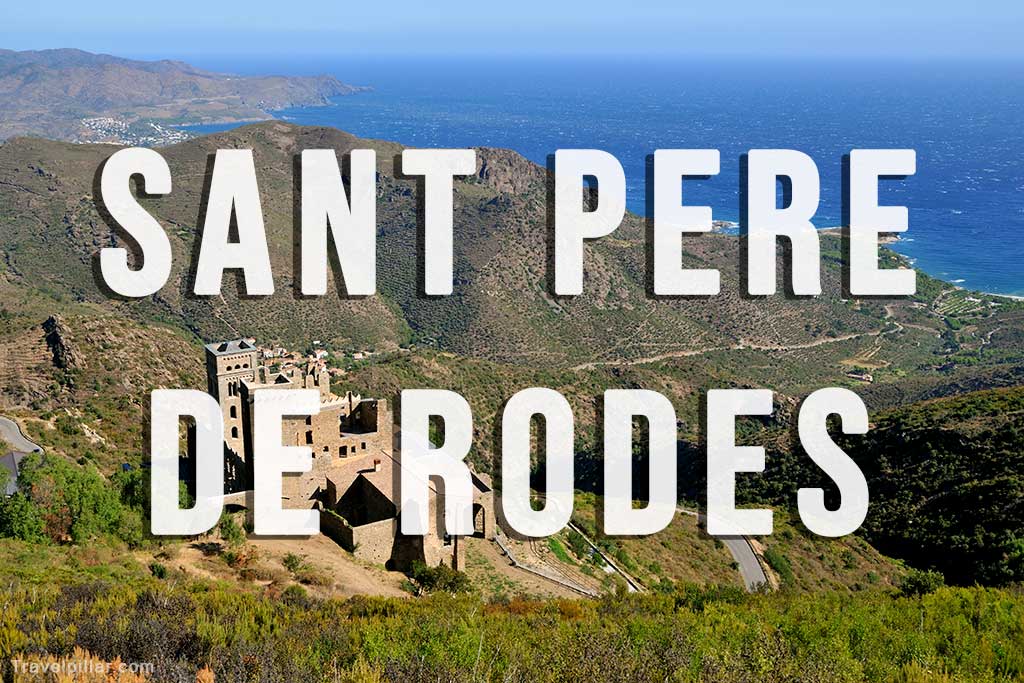
The Sant Pere de Rodes Monastery stands in the hills of the Verdera range above Port de la Selva on Spain’s Costa Brava. Its elevated position, overlooking the Cap de Creus peninsula and the Mediterranean Sea, gave it both strategic and symbolic importance during the Middle Ages. Founded in the 10th century, it became one of the most significant Benedictine monasteries in Catalonia.
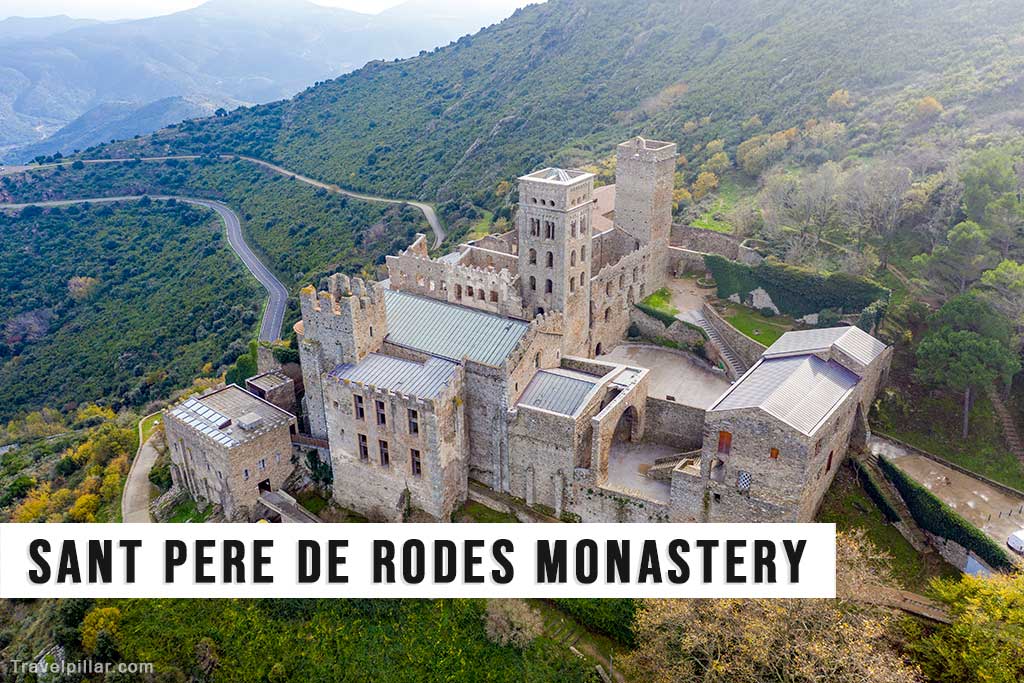
The complex reflects the Romanesque style that developed in the region. The church, consecrated in 1022, has a basilica plan with three naves separated by massive columns and decorated capitals. The design illustrates the transition from early Christian influences to a mature Romanesque style. Surrounding the church are cloisters, monastic buildings, and defensive towers, each serving different functions within the community. The remains of a castle and a village nearby indicate the wider settlement that supported the monastery.
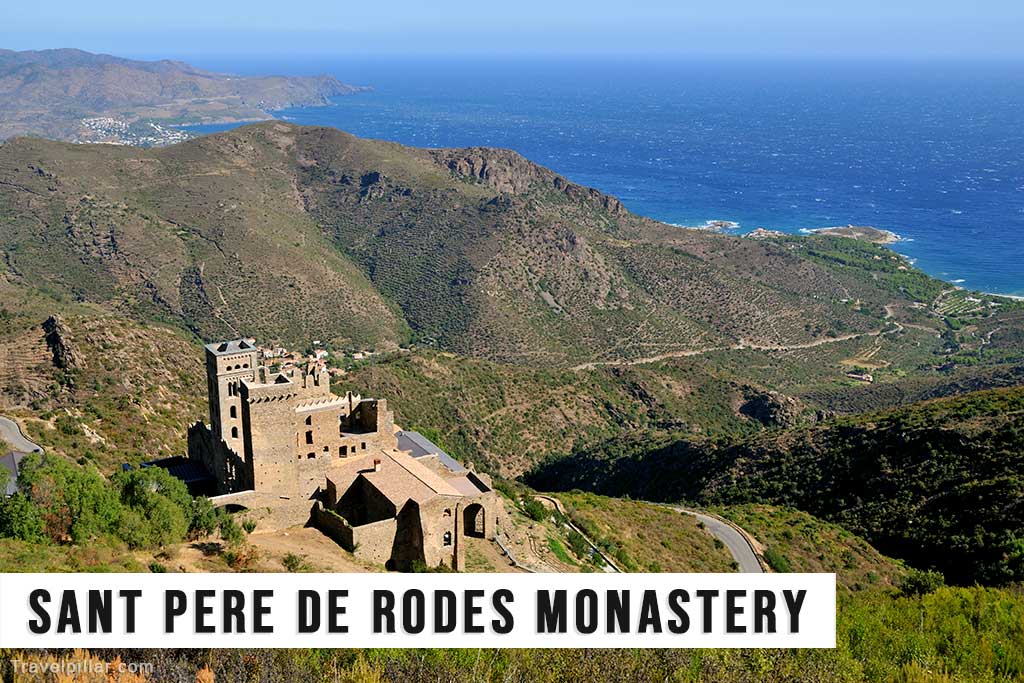
Sant Pere de Rodes was not only a religious centre but also a political and economic force. It controlled extensive lands, hosted pilgrims travelling to Santiago de Compostela, and served as a symbol of Benedictine authority. Its location on a prominent ridge also reinforced its visibility, linking the spiritual role of the monastery to the physical landscape of Cap de Creus.
Over time, the monastery declined due to wars, plundering, and eventual abandonment in the 18th century. Restoration began in the 20th century, preserving the main structures and opening the site to visitors. Today, the monastery is maintained as a cultural monument. Exhibitions and guided tours explain its history, architecture, and role in Catalan society.
The combination of its Romanesque church, monastic ruins, and panoramic setting makes Sant Pere de Rodes one of the most distinctive historic sites on the Costa Brava. It illustrates how religion, politics, and landscape combined to shape medieval Catalonia, leaving a monument that continues to define the cultural heritage of the region.
Official website: https://patrimoni.gencat.cat/en/
Google map 4.6/5