
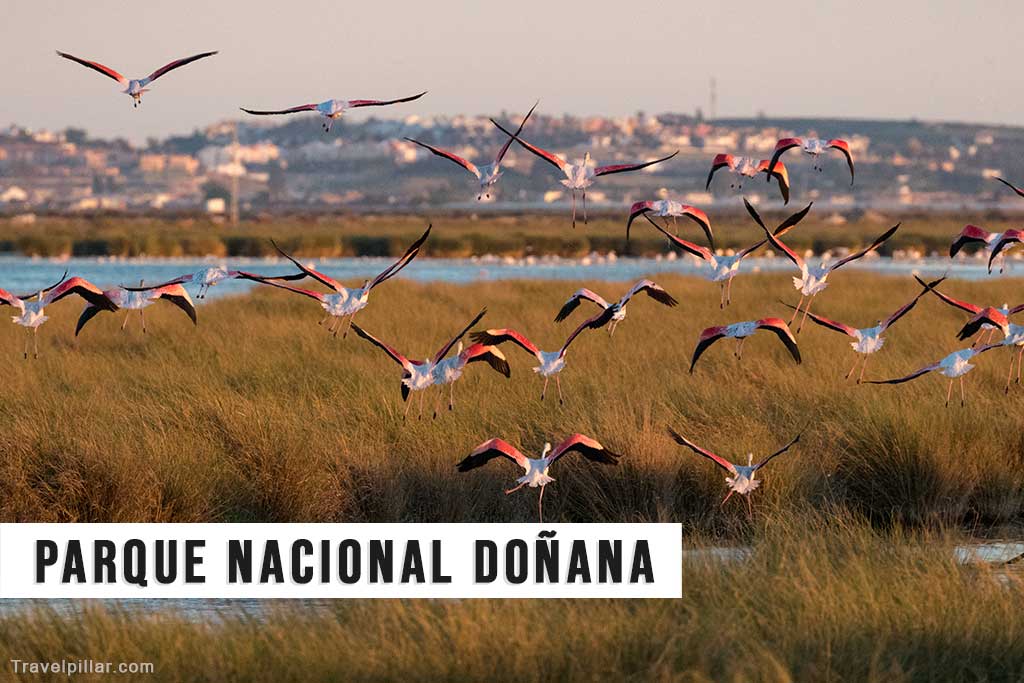
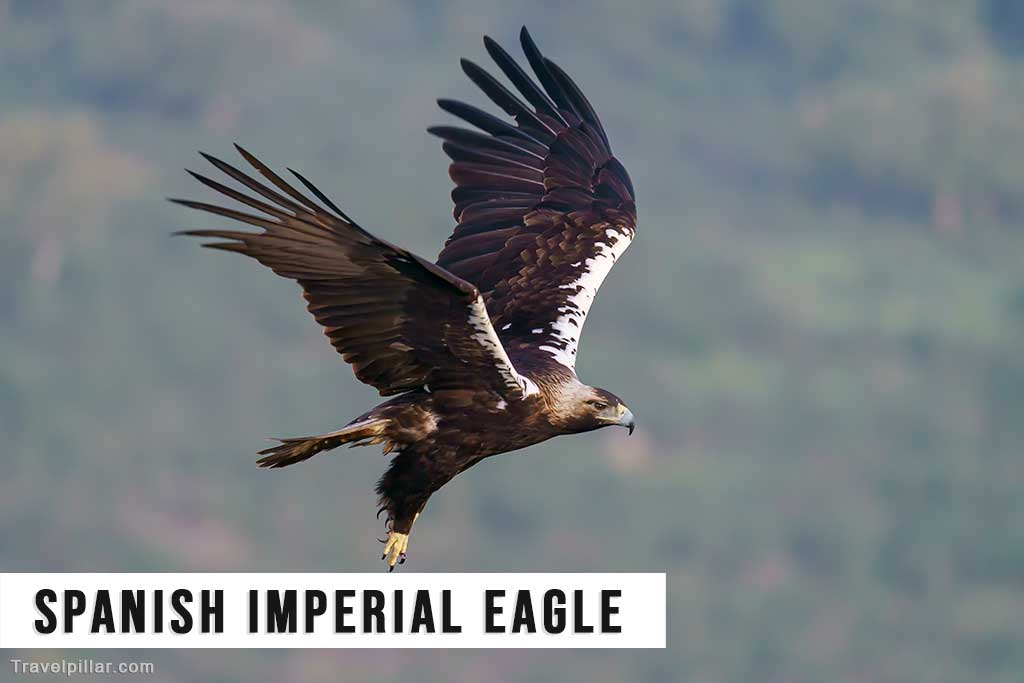
Parque Nacional Doñana, located in Andalusia, Spain, is a premier national park renowned for its extensive wetlands and diverse ecosystems. Spanning over 540 square kilometers, it encompasses a variety of landscapes including marshes, pine forests, dunes, and lagoons. Recognized as a UNESCO World Heritage Site, Doñana is a critical habitat for numerous species, particularly for migratory birds traveling between Europe and Africa. It is home to endangered species such as the Iberian lynx and the Spanish imperial eagle.
The park’s biodiversity is one of its main attractions, with over 300 species of birds, various mammals, amphibians, and reptiles. Birdwatchers are particularly drawn to Doñana, as it serves as a breeding and wintering ground for birds like flamingos, herons, and storks. The El Rocío Lagoon is a notable spot for observing these avian species.
Visitors can explore the park through guided tours, which are essential for navigating the protected areas. These tours often include 4×4 excursions and boat trips, providing access to the park’s remote sections and allowing visitors to witness its rich flora and fauna up close. Hiking trails and observation points are also available for those who prefer a more self-guided experience.
Doñana’s commitment to conservation is evident through its management practices aimed at preserving its unique environments. The park plays a crucial role in research and education on environmental protection. Overall, Parque Nacional Doñana is a vital natural reserve, offering valuable insights into Spain’s ecological heritage and providing visitors with an opportunity to experience its unspoiled natural beauty.