

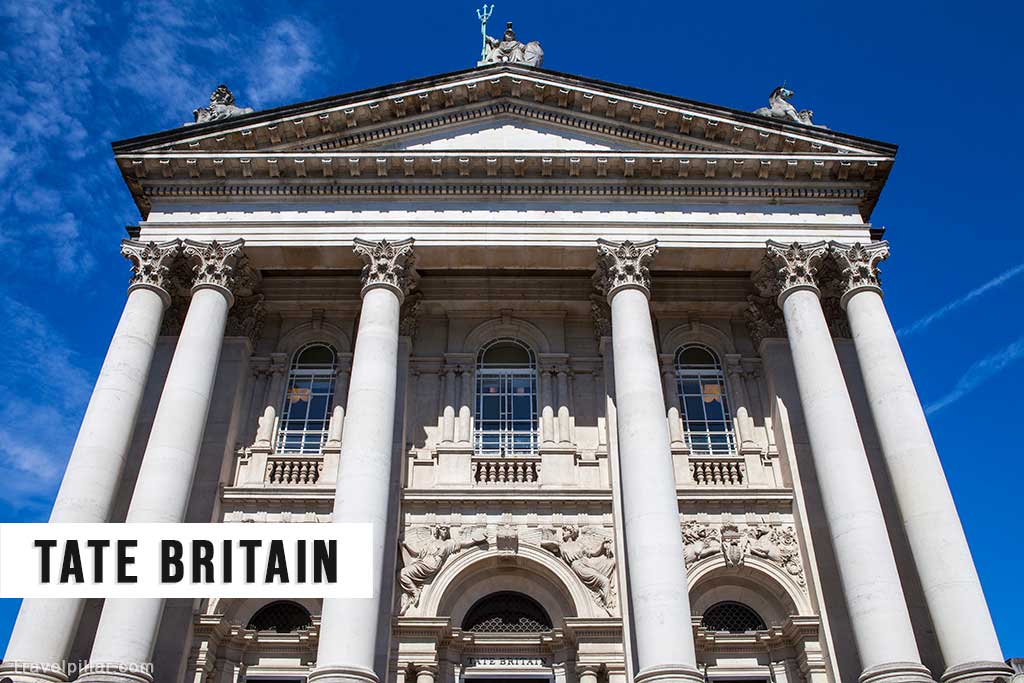
Situated on the banks of the River Thames in London, Tate Britain stands as a testament to the rich history and diversity of British art. Established in 1897 as the National Gallery of British Art, the museum has since been renamed and now forms part of the Tate family of galleries. With an impressive collection ranging from the 16th century to the present day, Tate Britain offers visitors a unique opportunity to delve into the vibrant world of British art, celebrating the works of renowned artists as well as lesser-known talents.
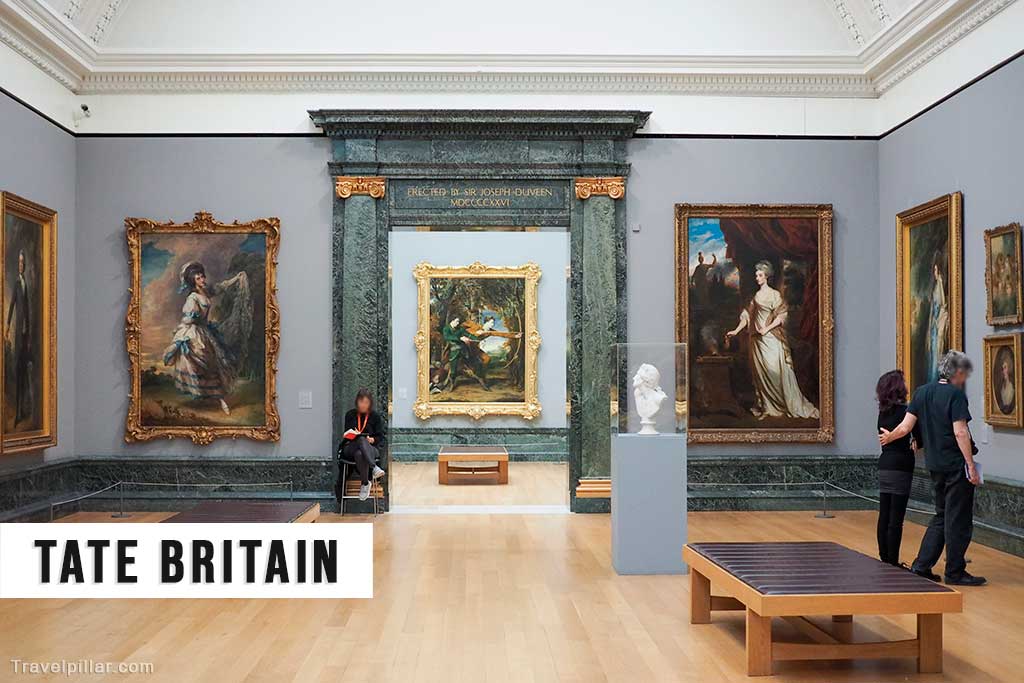
Housed in a striking neoclassical building, Tate Britain’s extensive collection features over 70,000 works, including paintings, sculptures, prints, and drawings. Visitors can explore the works of prominent British artists such as J.M.W. Turner, whose vast collection of watercolors, oils, and sketchbooks forms the Clore Gallery. Other highlights include masterpieces by Sir Joshua Reynolds, William Hogarth, and Thomas Gainsborough, as well as the iconic pre-Raphaelite paintings by artists like Dante Gabriel Rossetti and John Everett Millais.
In addition to its permanent collection, Tate Britain hosts a diverse range of temporary exhibitions, showcasing contemporary British artists and offering fresh perspectives on historical works. The gallery also organizes the prestigious Turner Prize, an annual award presented to an outstanding contemporary British artist.
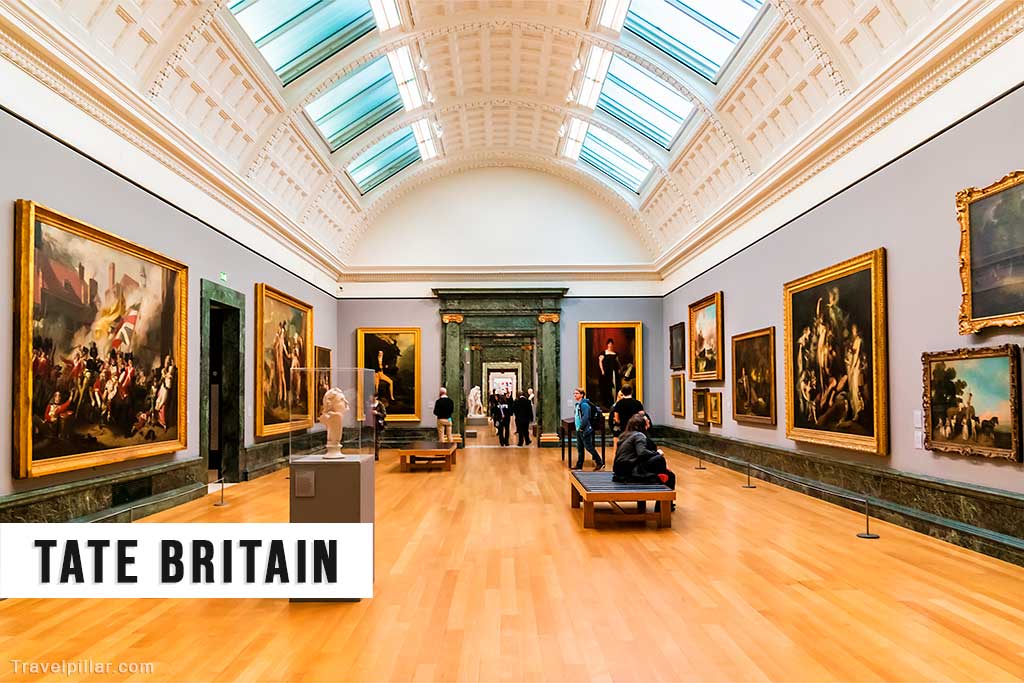
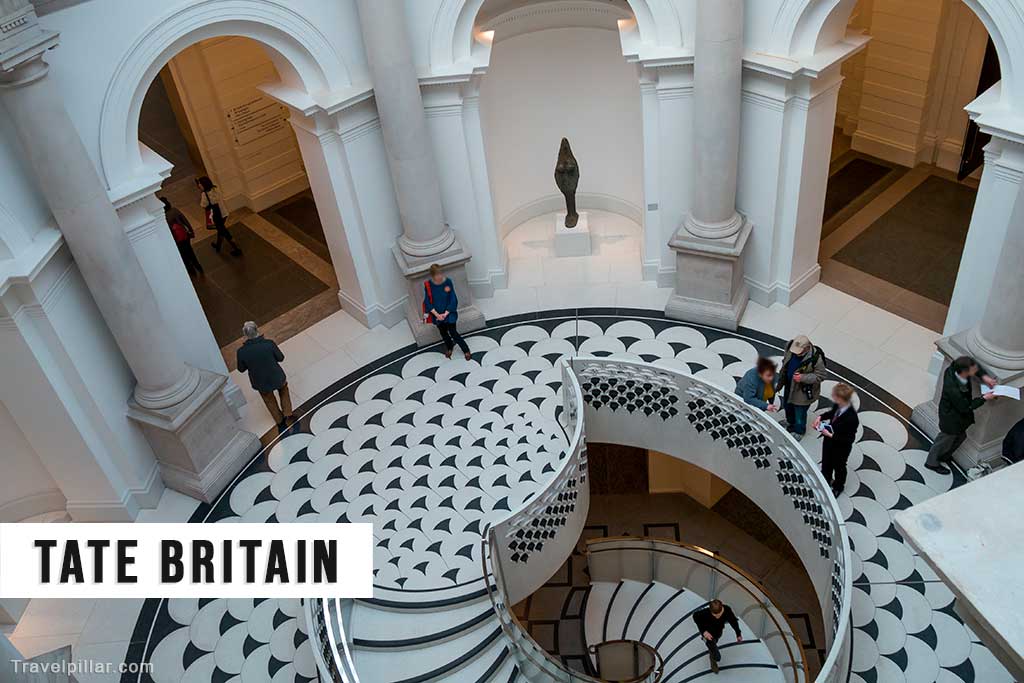
With its exceptional collection and engaging programming, Tate Britain provides an unparalleled insight into the evolution of British art. From the intricate works of the early masters to the cutting-edge creations of today’s visionaries, a visit to this iconic institution is sure to leave a lasting impression on art enthusiasts and casual visitors alike.
Official website: https://www.tate.org.uk/visit/tate-britain
Google map 4.7/5
Tate Britain Highlights
Here are some of the main artworks housed in the Tate Britain, along with updated links to their respective pages on the Tate website:
Tate Britain, located in London, is one of the leading art galleries in the world, primarily focused on British art from the 16th century to the present day. Here are some of the highlights you shouldn’t miss when visiting:
1. “Ophelia” by Sir John Everett Millais (1851-1852)
One of the most famous paintings of the Pre-Raphaelite Brotherhood, “Ophelia” depicts the tragic character from Shakespeare’s Hamlet floating in a river just before she drowns. The painting is renowned for its meticulous detail, especially in the natural surroundings, and the poignant expression of the figure.
2. “The Lady of Shalott” by John William Waterhouse (1888)
Another iconic Pre-Raphaelite work, this painting illustrates Alfred Lord Tennyson’s poem about the Lady of Shalott. The painting is admired for its ethereal beauty and the rich symbolism surrounding the doomed heroine.
3. “The Cholmondeley Ladies” (c. 1600-1610)
This intriguing double portrait, by an unknown artist, shows two women who were said to have been born on the same day, married on the same day, and given birth on the same day. The work is an excellent example of Tudor-era portraiture, with its flat perspective and attention to detail.
5. “Chatterton” by Henry Wallis (1856)
This painting depicts the tragic end of the poet Thomas Chatterton, who committed suicide at a young age. Wallis’s portrayal is deeply romanticized, capturing the poet’s youthful beauty and the melancholy of his untimely death.
6. “Three Studies for Figures at the Base of a Crucifixion” by Francis Bacon (1944)
This triptych by Bacon is one of the most powerful works of modern British art. The three figures, distorted and anguished, reflect the horrors of the human condition, with the crucifixion theme adding a layer of profound despair.
8. “Carnation, Lily, Lily, Rose” by John Singer Sargent (1885-1886)
This painting captures two young girls lighting lanterns in an English garden at twilight. Sargent’s use of light and color, as well as the delicate depiction of the flowers, make this work a masterpiece of late 19th-century British art.
9. “Flatford Mill (Scene on a Navigable River)” by John Constable (1816-1817)
This landscape by Constable is a quintessential example of his work, depicting the English countryside with naturalistic detail and a deep sense of nostalgia for rural life.
11. “The Awakening Conscience” by William Holman Hunt (1853)
A key work of the Pre-Raphaelite Brotherhood, this painting depicts a moment of moral realization in a young woman, symbolized by her rising from the lap of her lover. The attention to detail and the rich symbolism are hallmarks of Hunt’s style.
12. “The Golden Stairs” by Sir Edward Burne-Jones (1880)
This dreamlike painting shows a procession of young women descending a golden staircase. The work is a prime example of Burne-Jones’s interest in myth and fantasy, characterized by its ethereal quality and decorative style.