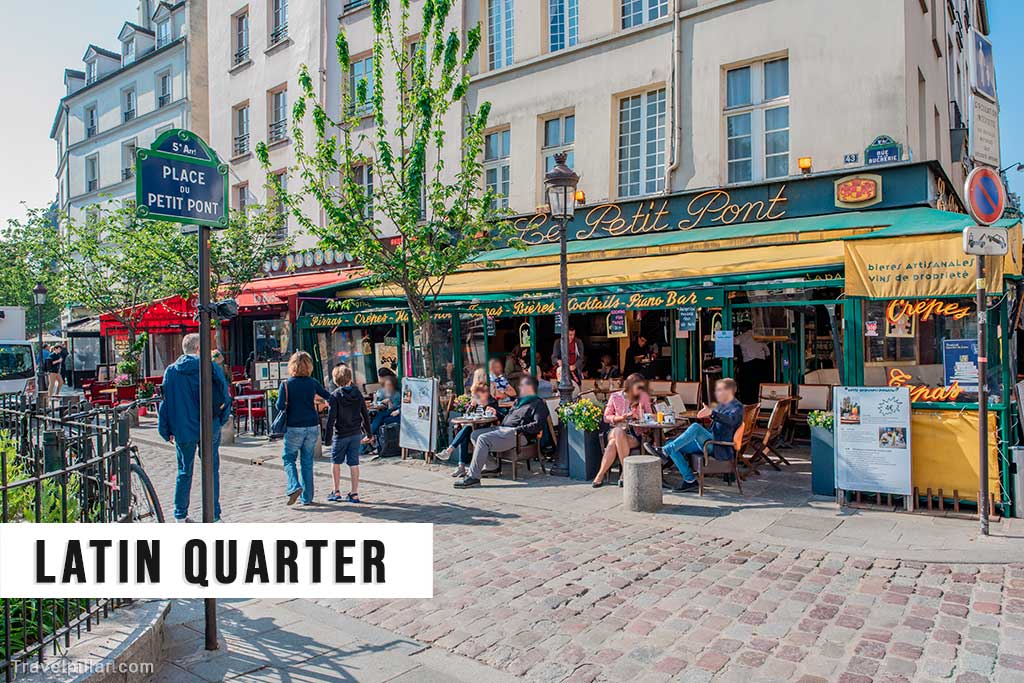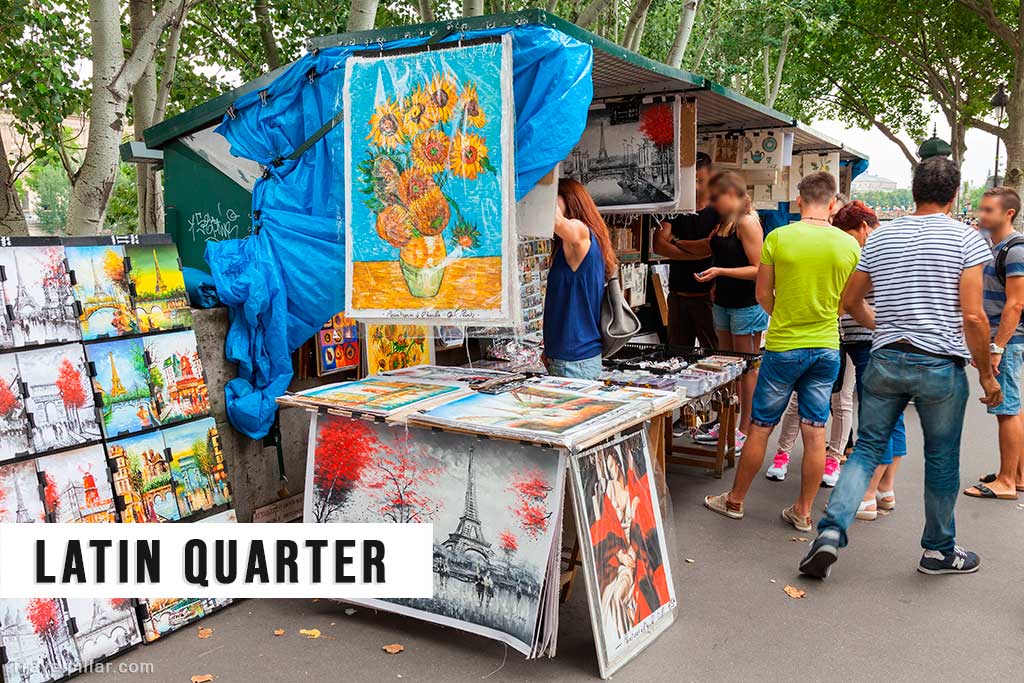
The Latin Quarter, located in Paris’s 5th and 6th arrondissements, is one of the city’s most historic and culturally rich districts. Named for the use of Latin as the primary language of instruction during the Middle Ages, the area is closely associated with academia and intellectual pursuits. It remains a vibrant neighborhood, blending historic charm with modern life.
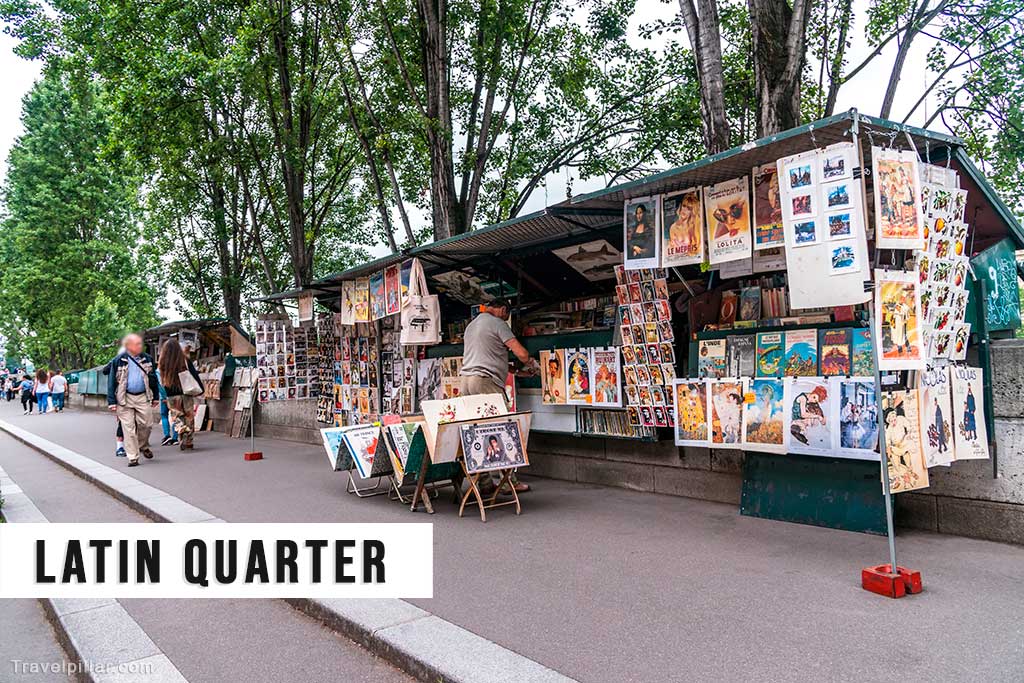
The Latin Quarter is home to the Sorbonne, one of Europe’s oldest universities, founded in the 13th century. Its presence established the area as a hub for scholars, philosophers, and students. Alongside the Sorbonne, other educational institutions such as the Collège de France and Lycée Louis-le-Grand contribute to the district’s enduring academic significance.

Architecturally, the Latin Quarter features narrow, cobblestone streets, medieval buildings, and a mix of styles from different periods. Among its landmarks is the Panthéon, a neoclassical mausoleum where notable figures such as Voltaire, Rousseau, and Marie Curie are interred. The nearby Church of Saint-Étienne-du-Mont is celebrated for its intricate interior and historical relevance.
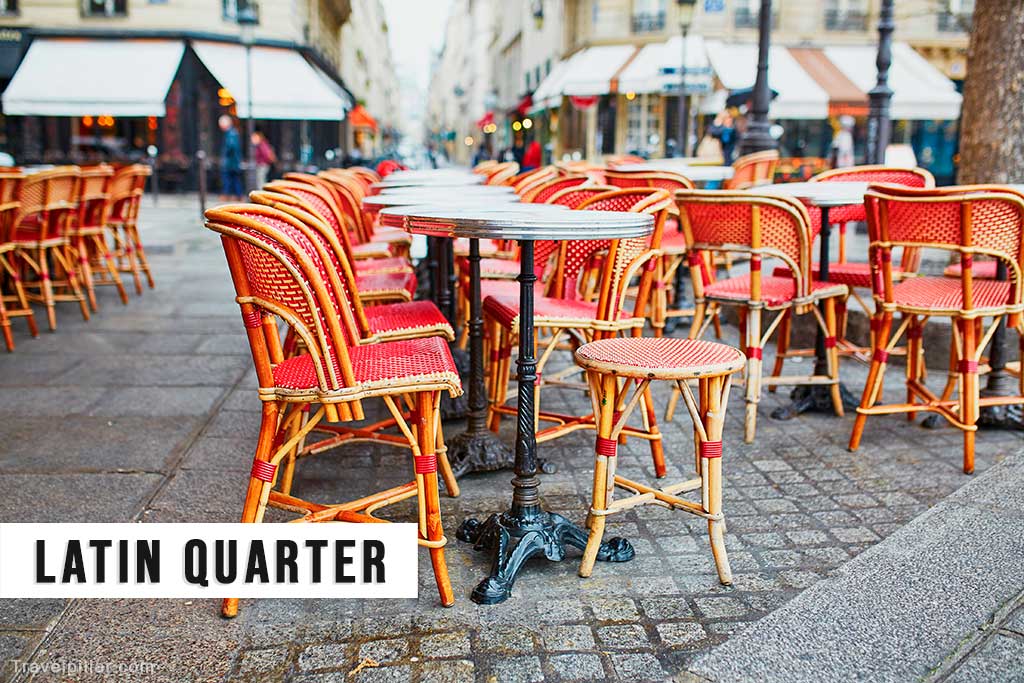
The district also includes the Jardin des Plantes, a botanical garden established in 1635, which houses the National Museum of Natural History and a small zoo. This green space offers a tranquil retreat within the bustling neighborhood.
Rue Mouffetard, one of Paris’s oldest streets, is a lively thoroughfare lined with shops, cafés, and a market. Its vibrant atmosphere and traditional charm make it a popular destination for both locals and visitors. Nearby, the Boulevard Saint-Michel serves as a central artery of the Latin Quarter, connecting key landmarks and offering a variety of bookshops and restaurants.
The Latin Quarter is also a cultural hub, with institutions such as the Cluny Museum, dedicated to medieval art, and numerous theaters and cinemas, including the historic Cinéma du Panthéon. These venues contribute to the district’s reputation as a center for intellectual and artistic activity.
The Latin Quarter’s blend of history, architecture, and culture makes it a unique destination. Whether exploring its academic heritage or enjoying its vibrant streets, visitors can experience a quintessentially Parisian atmosphere in this iconic district.
The Best Places to Visit in the Latin Quarter
The Panthéon
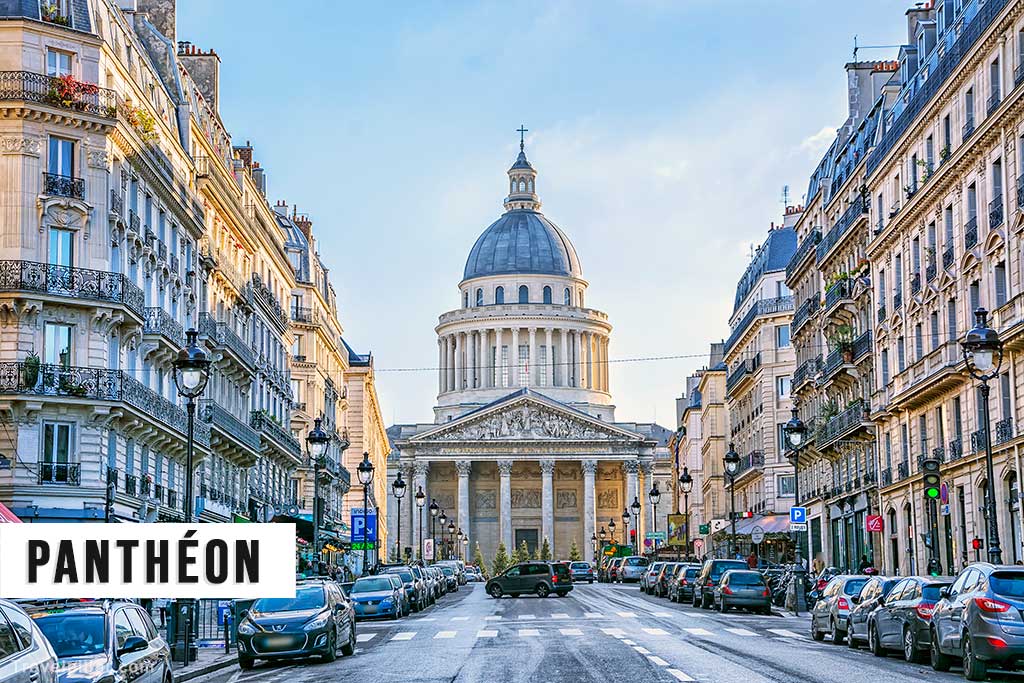
The Panthéon is a monumental neoclassical mausoleum in the Latin Quarter, originally designed as a church dedicated to Saint Genevieve. Completed in 1790, it honors prominent figures in French history, including Voltaire, Rousseau, Victor Hugo, and Marie Curie. The grand interior features intricate frescoes and a replica of Foucault’s pendulum, demonstrating the Earth’s rotation. Visitors can climb to the dome for panoramic views of Paris, making it both a historical and visual highlight.
Google map 4.6/5
The Sorbonne
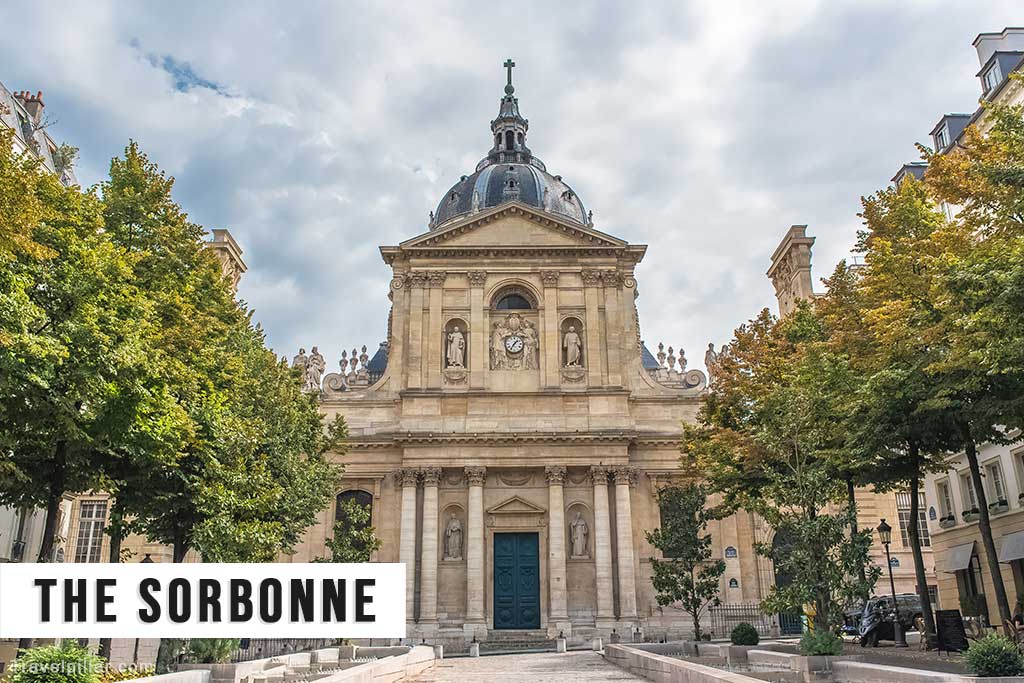
The Sorbonne is one of Europe’s oldest and most prestigious universities, founded in 1257. It has long been a hub of intellectual life and academic excellence. While the interior is not generally open to visitors, the historic façade and surrounding streets evoke the academic atmosphere of the Latin Quarter. The adjacent Place de la Sorbonne is a quiet square with fountains and cafés, ideal for soaking in the university’s legacy.
Google map 4.4/5
Shakespeare and Company Bookshop

Shakespeare and Company, located in Paris’s Latin Quarter, is a historic English-language bookstore founded in 1951 by George Whitman. A haven for writers and readers, it continues the legacy of the original store established by Sylvia Beach in the 1920s. The shop features a vast collection of literature and offers space for aspiring authors to stay in exchange for work. Its cultural significance and unique charm make it a beloved literary landmark.
Google map 4.6/5
Jardin des Plantes
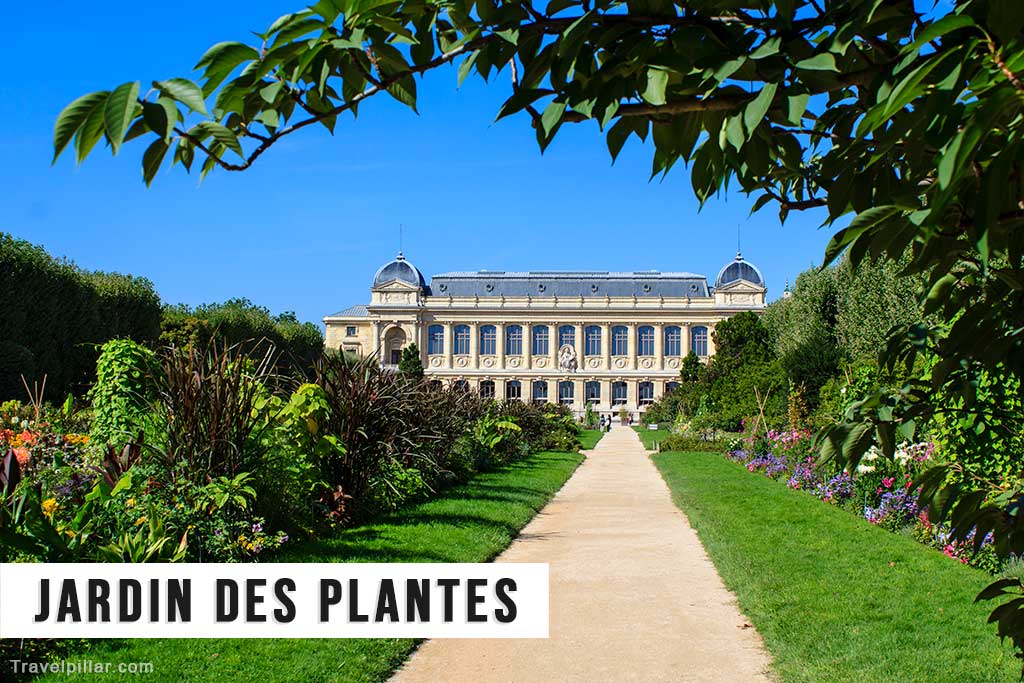
The Jardin des Plantes is a sprawling botanical garden established in 1635. It features themed sections, such as the Alpine Garden and the Rose Garden, along with historic greenhouses showcasing exotic plants. The garden also houses the National Museum of Natural History and the Ménagerie, one of Europe’s oldest zoos. Educational exhibits and its tranquil atmosphere make it a favorite for families, nature enthusiasts, and those seeking a break from the city’s hustle.
Google map 4.6/5
Muséum National d’Histoire Naturelle
The Muséum National d’Histoire Naturelle, located in Paris’s Jardin des Plantes, is a renowned institution dedicated to natural history. Established in 1793, it features extensive exhibits on paleontology, zoology, mineralogy, and evolution. Highlights include the Grande Galerie de l’Évolution, showcasing life on Earth through interactive displays and preserved specimens. The museum’s research and educational programs contribute to its global reputation as a hub for scientific exploration and public learning.
Google map 4.5/5
Rue Mouffetard
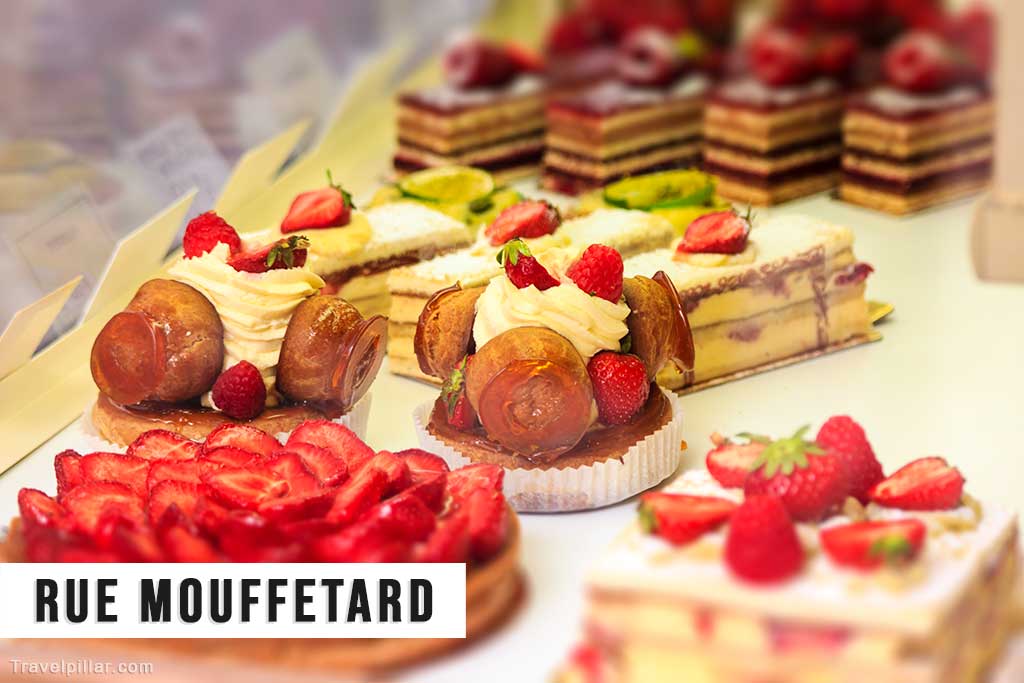
Rue Mouffetard is one of Paris’s oldest and liveliest streets, dating back to Roman times. It is lined with vibrant markets, traditional bakeries, and authentic French cafés. The street is particularly charming on weekends, when locals and visitors gather to enjoy its lively atmosphere. Its cobblestones and old-world charm make it a quintessential Parisian experience.
Google map 4.6/5
Cluny Museum (Musée de Cluny)
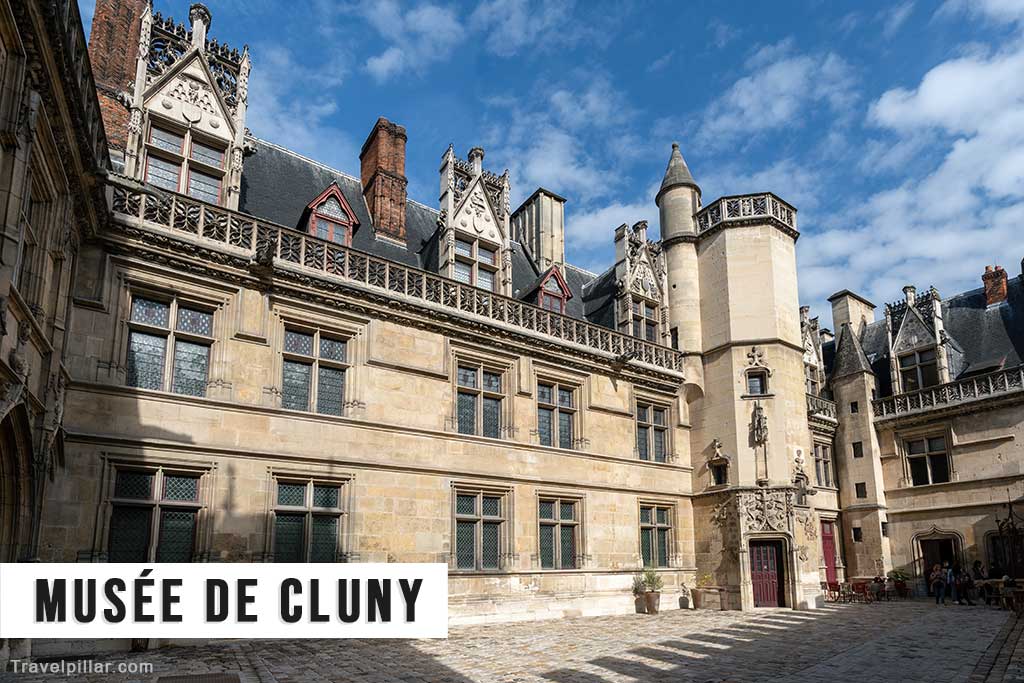
The Cluny Museum, or the National Museum of the Middle Ages, is housed in a 15th-century Gothic mansion built atop ancient Roman baths. Its extensive collection includes sculptures, stained glass, and the famous The Lady and the Unicorn tapestry series. The museum’s exhibits provide a fascinating glimpse into medieval art and daily life, complemented by the atmospheric ruins of the ancient frigidarium.
Google map 4.4/5
Church of Saint-Étienne-du-Mont

This historic church, located near the Panthéon, is a masterpiece of Gothic and Renaissance architecture. It is renowned for its intricate rood screen, the last surviving one in Paris, and its beautiful stained glass windows. The church houses the tomb of Blaise Pascal and Saint Genevieve, the patron saint of Paris, adding to its historical and religious significance.
Google map 4.7/5
Boulevard Saint-Michel
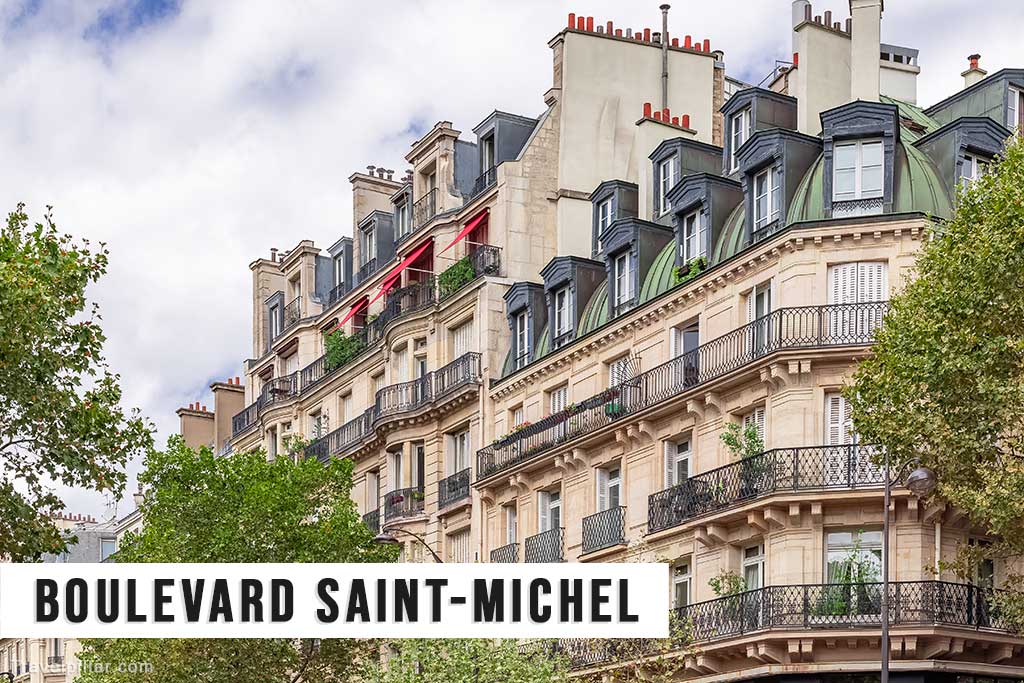
Boulevard Saint-Michel is a bustling thoroughfare that runs through the heart of the Latin Quarter. It is lined with bookshops, including the famous Gibert Jeune, as well as cafés and restaurants. The boulevard is a lively center of activity and serves as a gateway to many of the district’s attractions, reflecting the intellectual and cultural energy of the area.
Google map 4.5/5
Grande Mosquée de Paris
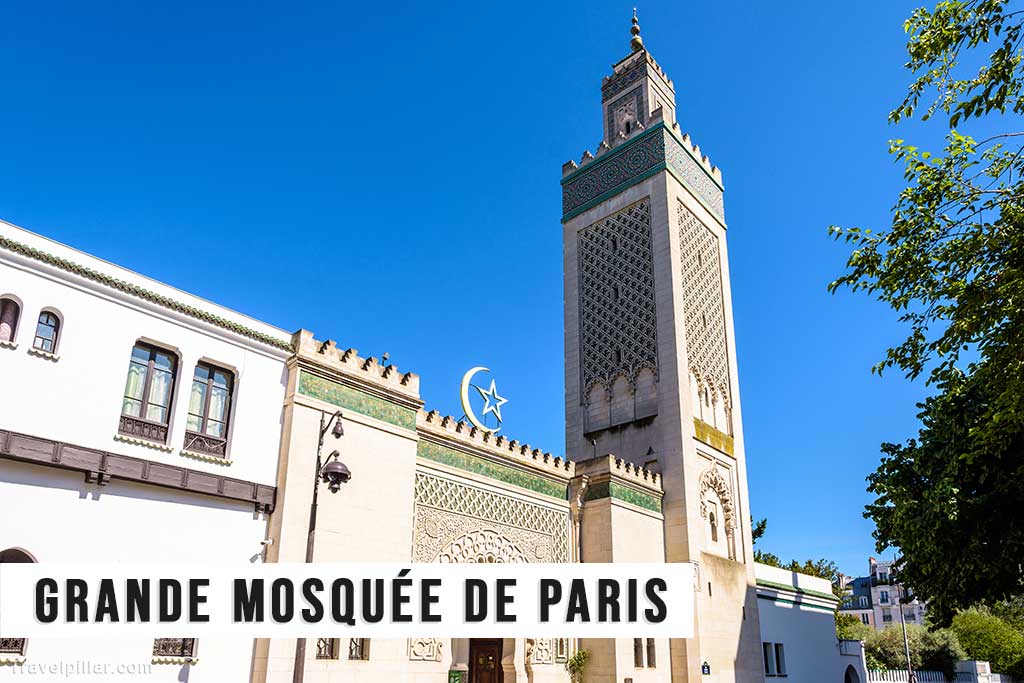
The Grande Mosquée de Paris, located in the 5th arrondissement, is a historic center of Islamic worship and culture. Built in 1926, its architecture features Moorish-inspired designs, including intricate mosaics, a serene courtyard, and a 33-meter-tall minaret. The mosque also houses a traditional hammam, a tea room, and a restaurant serving North African cuisine. It serves as a symbol of cultural diversity and offers visitors a tranquil retreat within the bustling city.
Google map 4.5/5
Arènes de Lutèce (Arena of Lutetia)
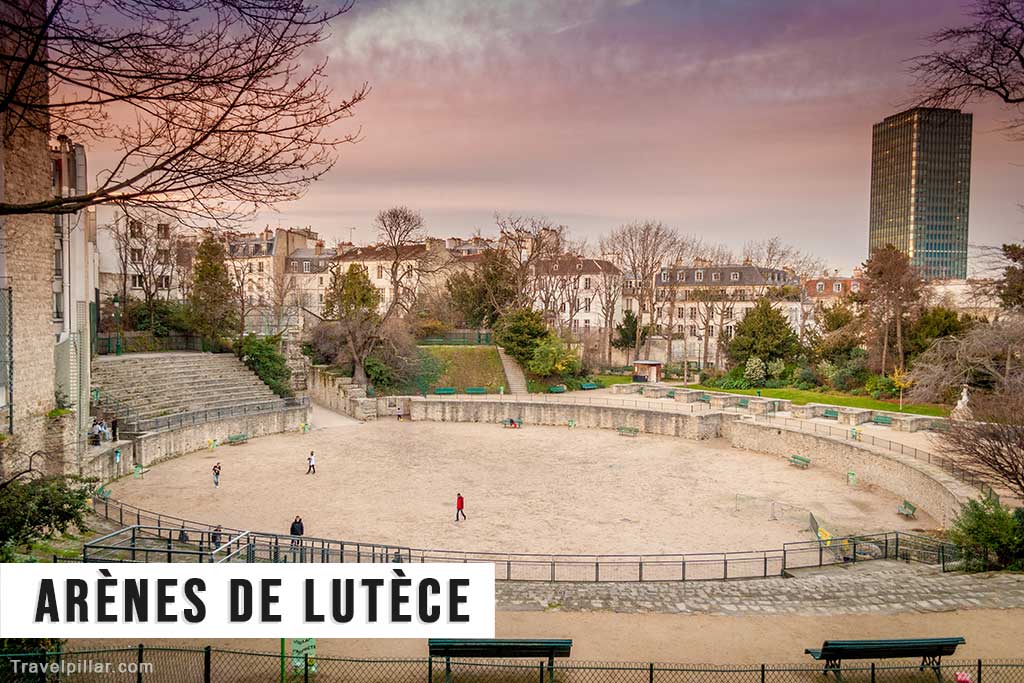
The Arènes de Lutèce is a hidden gem in the Latin Quarter, an ancient Roman amphitheater built in the 1st century AD. It once hosted gladiator combats and public events and could accommodate up to 15,000 spectators. Today, it is a peaceful park where visitors can walk among the ruins, sit on the stone steps, and imagine its storied past. It is a unique blend of history and modern tranquility.
Google map 4.2/5
Place de la Contrescarpe
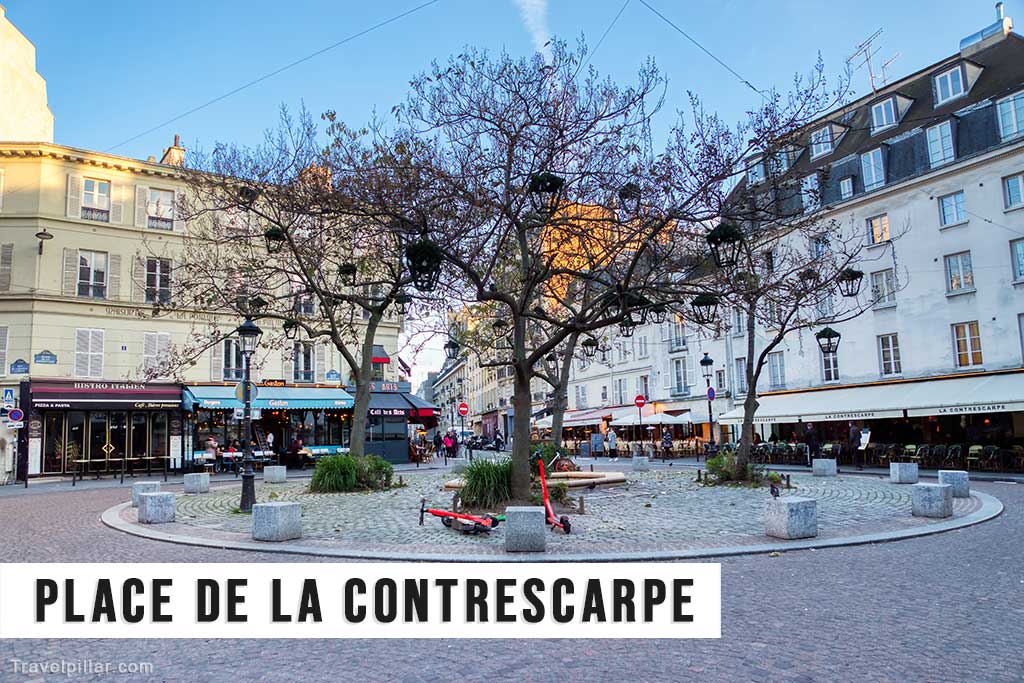
This picturesque square is surrounded by cafés and restaurants, offering a lively yet laid-back atmosphere. It is a popular spot for people-watching and enjoying Parisian dining. The square’s charm lies in its village-like feel, with cobblestones, colorful façades, and a strong sense of community. It is particularly vibrant in the evenings.
Google map 4.6/5
Cinéma du Panthéon
The Cinéma du Panthéon, established in 1907, is one of Paris’s oldest cinemas. It specializes in screening independent and classic films, reflecting the Latin Quarter’s intellectual heritage. The venue’s elegant décor and intimate atmosphere make it a cultural landmark. Its café, located on the upper floor, offers views of the surrounding area, adding to its appeal for cinema enthusiasts and visitors alike.
Google map 4.5/5