
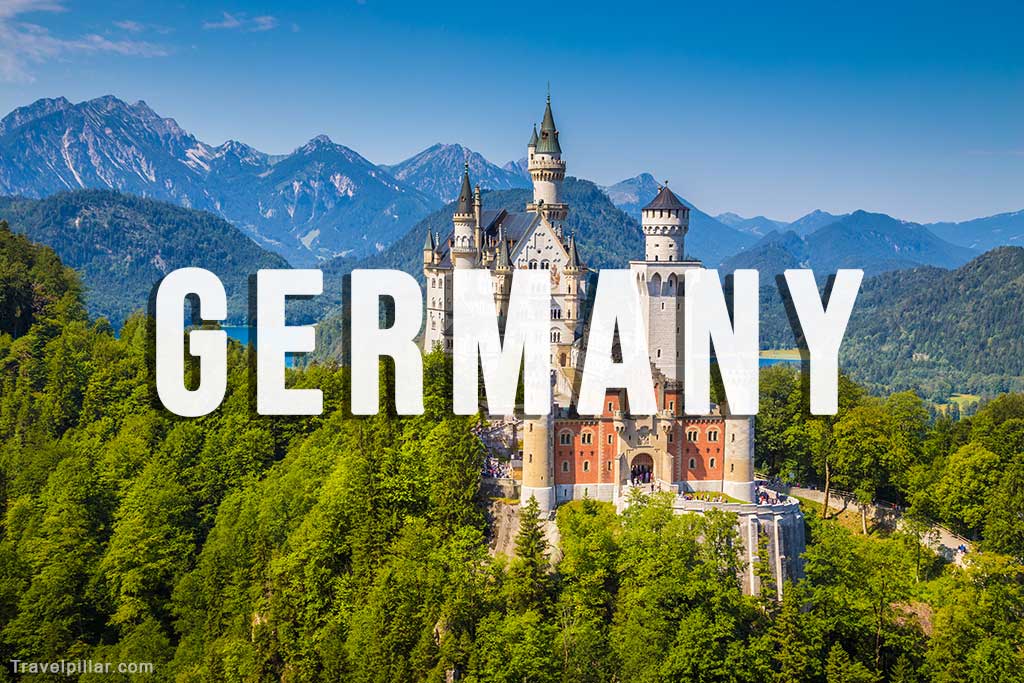
Germany offers a diverse range of attractions, combining historic architecture, cultural landmarks, and natural landscapes. Visitors can explore major cities such as Berlin, Munich, and Cologne, each with distinct heritage and museums. Scenic regions like the Rhine Valley, Black Forest, and Bavarian Alps provide outdoor activities and traditional villages. Renowned for castles, festivals, and UNESCO World Heritage Sites, Germany presents a varied travel experience reflecting its regional identities and long, complex history.
Official tourism website: https://www.germany.travel/en/
Google map of Germany
Berlin

Berlin, Germany’s capital, combines historic landmarks with modern culture. Key sites include the Brandenburg Gate, Berlin Wall remnants, and Museum Island’s collections. The Reichstag offers political history, while the Holocaust Memorial provides reflection. Neighbourhoods like Kreuzberg and Prenzlauer Berg showcase diverse dining and arts. Berlin’s mix of Prussian heritage, Cold War history, and contemporary innovation make it a multifaceted destination appealing to those interested in history, politics, architecture, and urban cultural life.
Official tourism websites:
https://www.visitberlin.de/ and
https://www.berlin.de/en/
Google map of Berlin
Neuschwanstein Castle
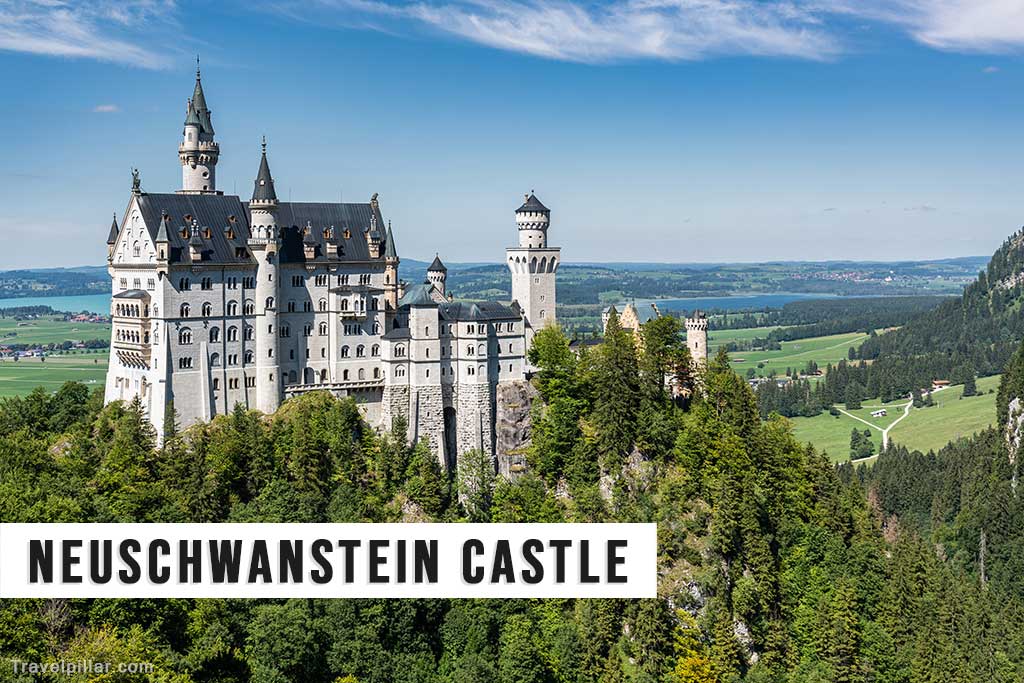
Neuschwanstein Castle, built in the late 19th century for King Ludwig II of Bavaria, is a prime example of Romantic architecture. Perched on a hill near Füssen, it features turrets, murals, and elaborate interiors inspired by medieval legends and operas by Richard Wagner. Though never completed, it remains one of Germany’s most visited landmarks, valued for its scenic setting in the Bavarian Alps and its influence on popular cultural depictions of castles.
Google map 4.6/7
Black Forest
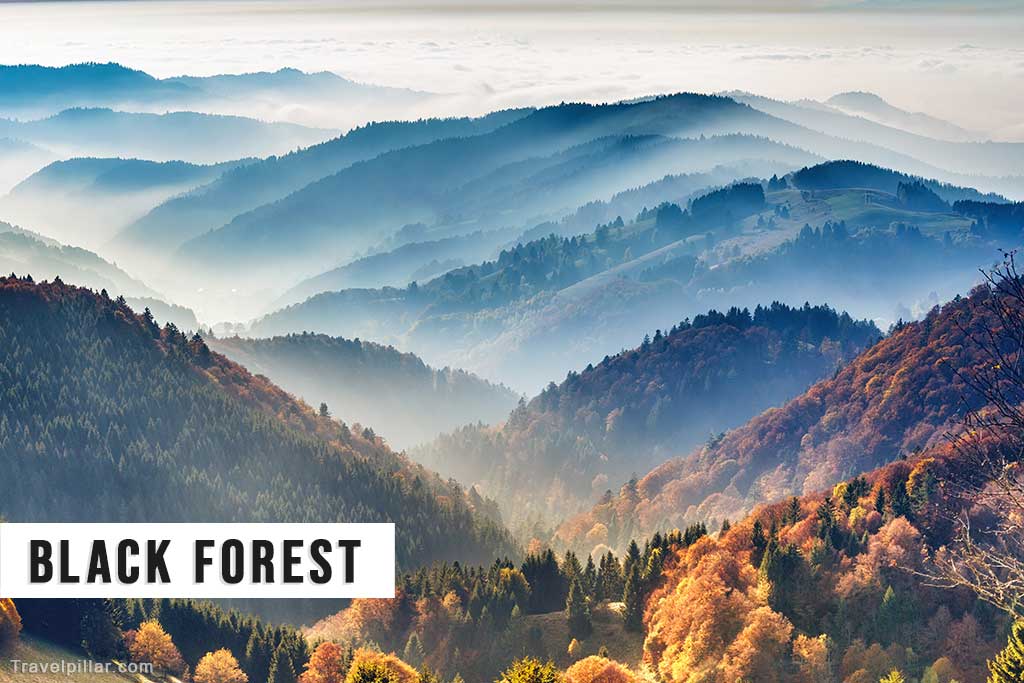
The Black Forest, located in southwestern Germany, is a densely wooded region known for its scenic landscapes, traditional villages, and spa towns. It offers extensive hiking and cycling trails, with notable routes such as the Schwarzwaldhochstrasse. The area is associated with cuckoo clocks and regional cuisine, including Black Forest cake. Rivers, lakes, and rolling hills contribute to its appeal as a destination for nature, cultural traditions, and outdoor recreation year-round.
Google map 4.7/5
Oktoberfest in Munich
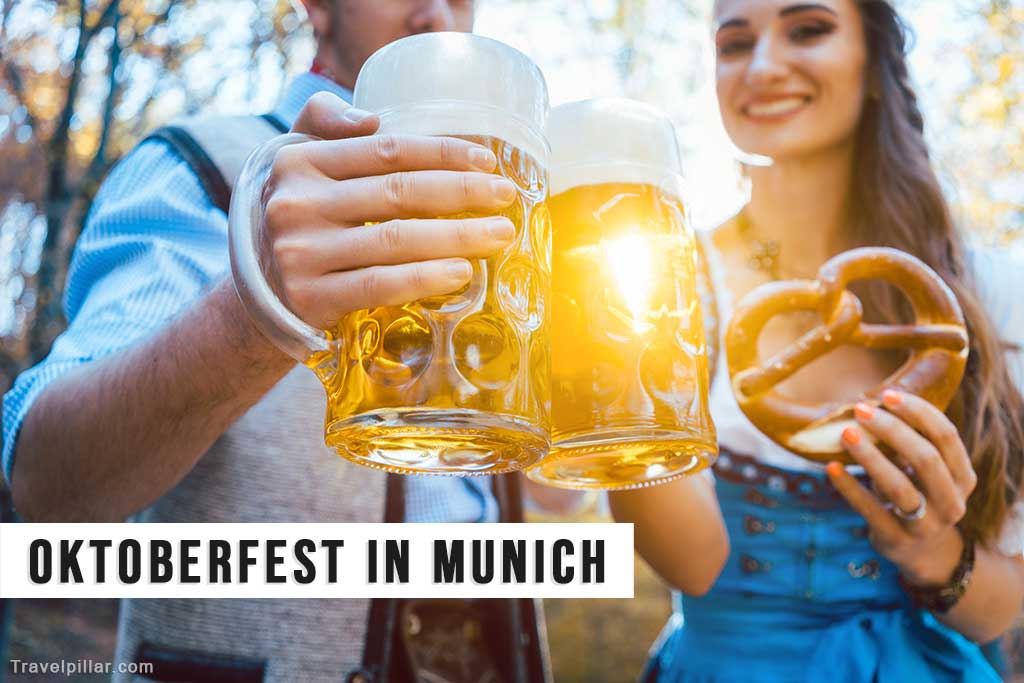
Oktoberfest in Munich is the world’s largest beer festival, held annually from late September to early October. Originating in 1810, it features large beer tents operated by Munich’s breweries, traditional Bavarian music, folk costumes, and regional foods. The event also includes parades, fairground rides, and cultural displays. Drawing millions of visitors, Oktoberfest is a major celebration of Bavarian heritage, combining local traditions with a large-scale international festival atmosphere.
Google map Munich
Rhine Valley
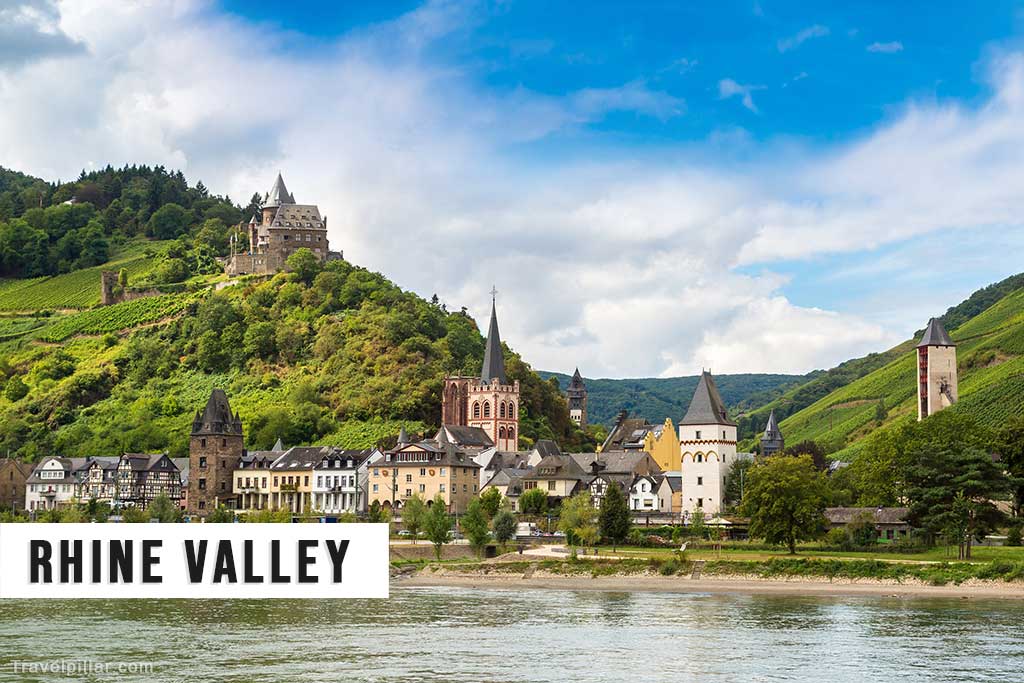
The Rhine Valley, particularly the Upper Middle Rhine, is a UNESCO World Heritage Site renowned for its river landscapes, terraced vineyards, and medieval castles. Towns such as Bacharach, Rüdesheim, and Boppard preserve historic architecture and offer access to river cruises. The Lorelei Rock is a notable landmark linked to local legend. The area’s combination of cultural heritage, wine production, and scenic views makes it a prominent destination in western Germany.
Google map
Heidelberg Old Town
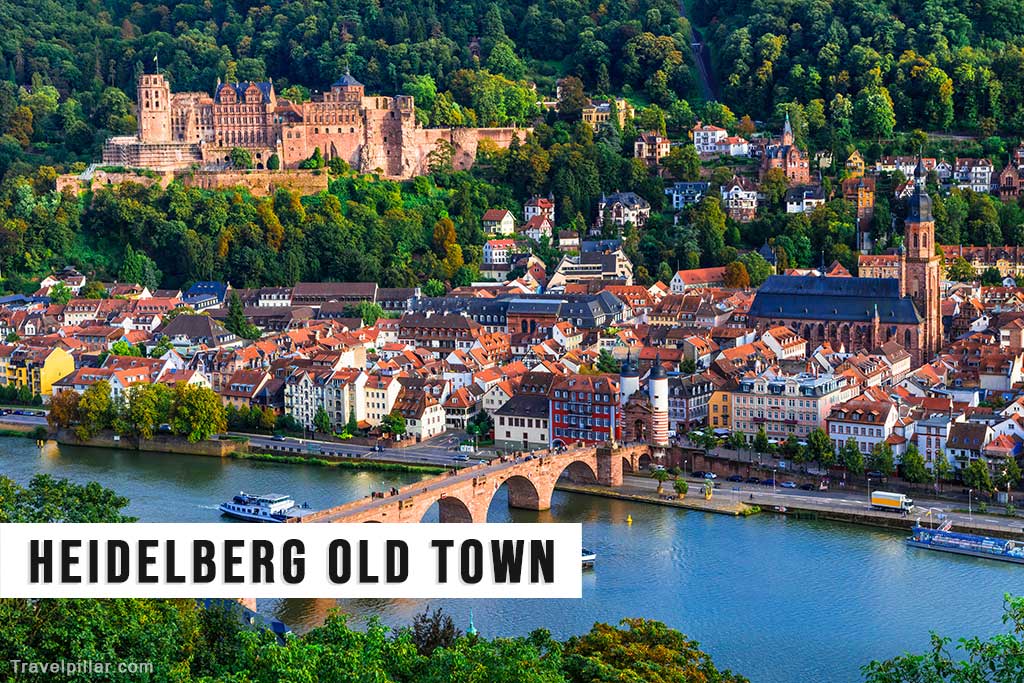
Heidelberg Old Town is characterised by its Baroque architecture, narrow streets, and historic market squares. Overlooked by Heidelberg Castle, it features landmarks such as the Church of the Holy Spirit and the Old Bridge across the Neckar River. The area hosts cafés, shops, and museums within centuries-old buildings. Its preserved urban fabric and riverside setting make it a notable example of a traditional German university town with a long cultural and intellectual history.
Dresden
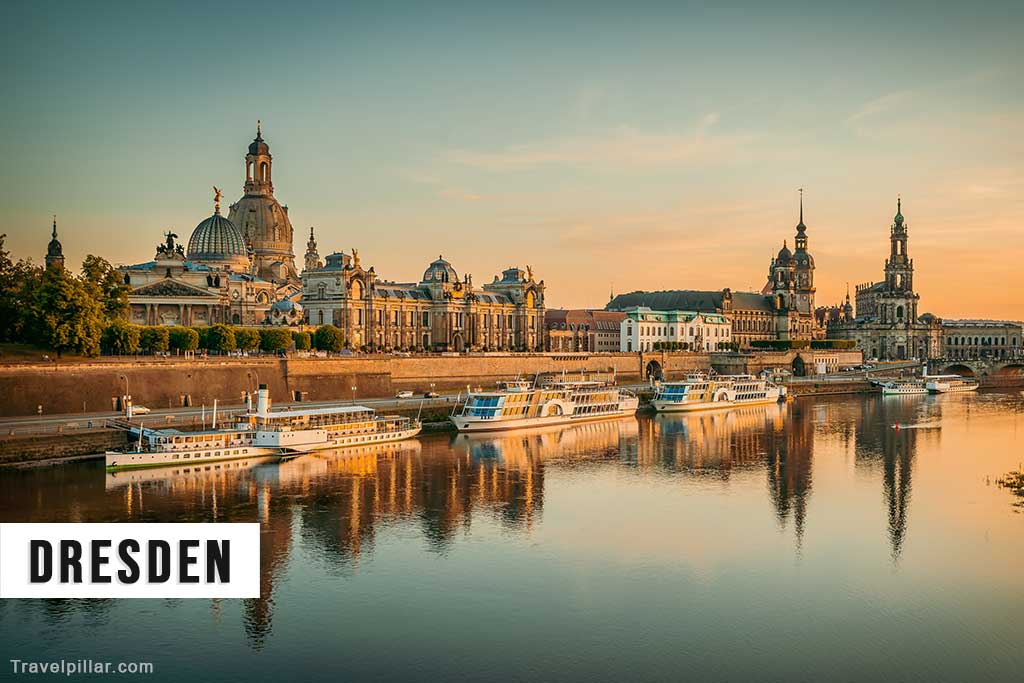
Dresden, the capital of Saxony, is noted for its Baroque and Rococo architecture, much of which has been reconstructed after wartime destruction. Key landmarks include the Frauenkirche, Zwinger Palace, and Semperoper opera house. The city’s museums hold significant art and historical collections. Situated on the River Elbe, Dresden combines architectural heritage with cultural institutions, making it an important centre for the arts in eastern Germany.
Rothenburg ob der Tauber
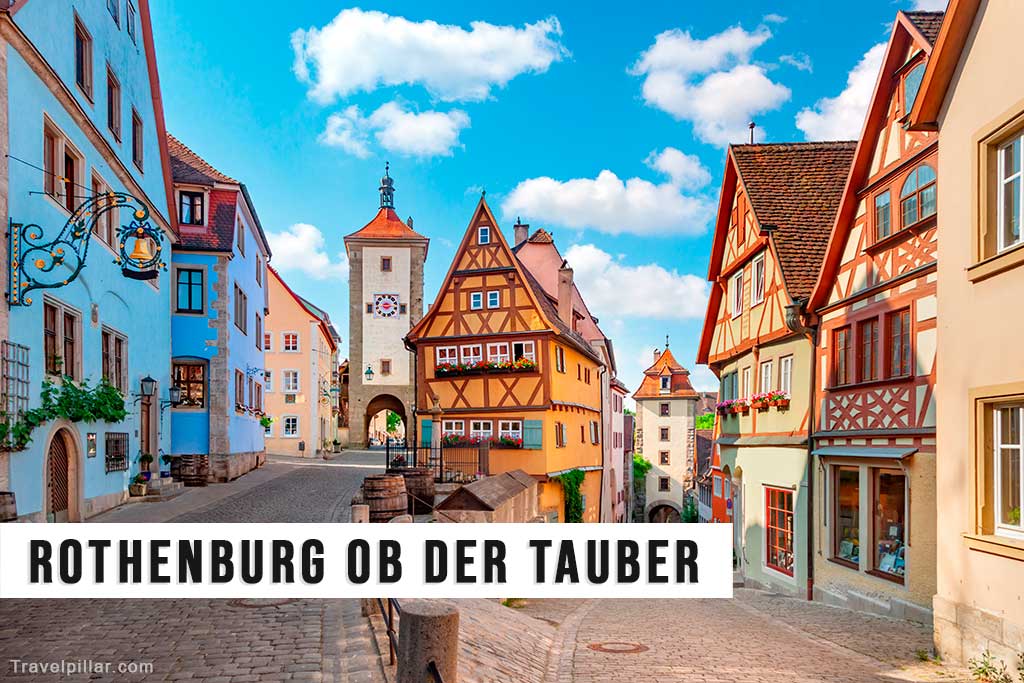
Rothenburg ob der Tauber is a well-preserved medieval town on Germany’s Romantic Road. Encircled by intact city walls, it features half-timbered houses, cobblestone streets, and market squares. Notable sites include the Town Hall, St. James’s Church, and the Medieval Crime Museum. Seasonal events, such as the Christmas Market, add to its appeal. The town’s historic fabric and picturesque setting make it a significant example of traditional German urban architecture.
Lake Königssee, Southern Bavaria
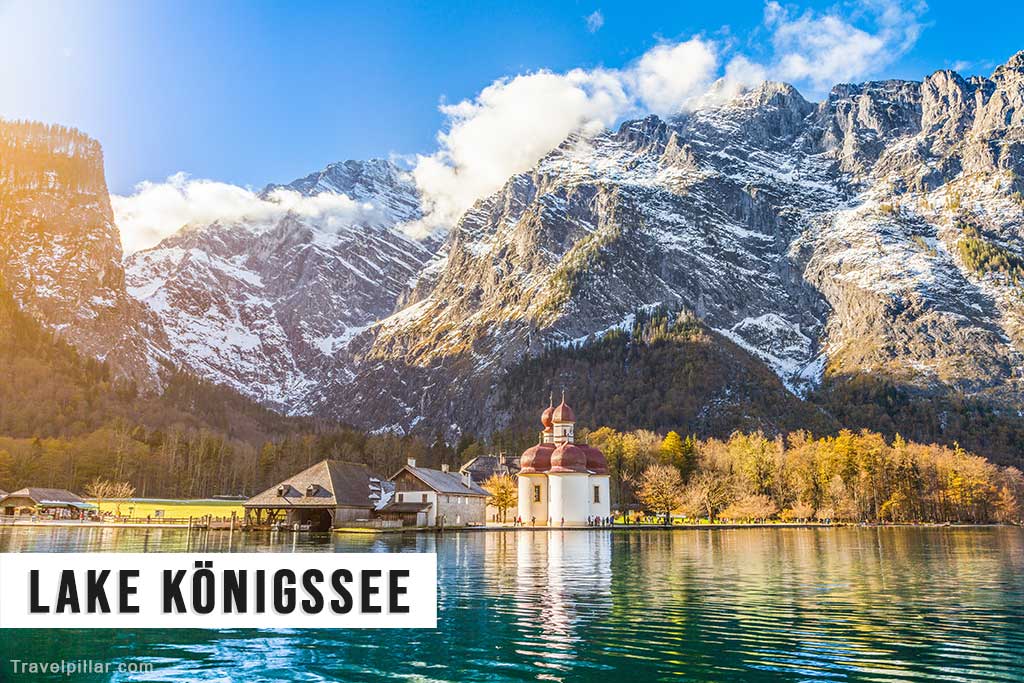
Lake Königssee, located in Berchtesgaden National Park in southern Bavaria, is a narrow, fjord-like lake surrounded by steep alpine slopes. Known for its clear waters, it is accessible by electric boat to landmarks such as St. Bartholomew’s Church. The area offers hiking trails, mountain views, and seasonal activities. Its combination of natural scenery and limited development makes it one of Germany’s most notable freshwater and alpine destinations.
Google map 4.8/5
Cologne
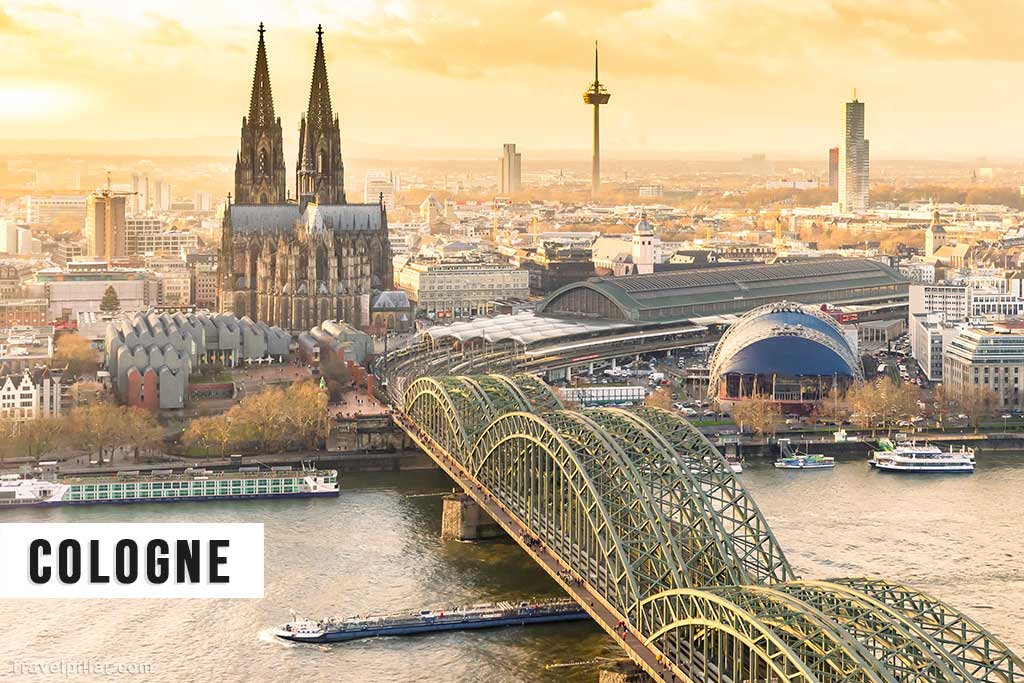
Cologne, one of Germany’s oldest cities, is noted for its Gothic cathedral, a UNESCO World Heritage Site with striking twin spires and medieval stained glass. The city’s Roman heritage is visible in archaeological sites and museums, while the Rhine promenade offers scenic views. Cologne also hosts vibrant cultural events, including its renowned carnival. Its combination of religious architecture, historic significance, and riverside location makes it a prominent destination in western Germany.