
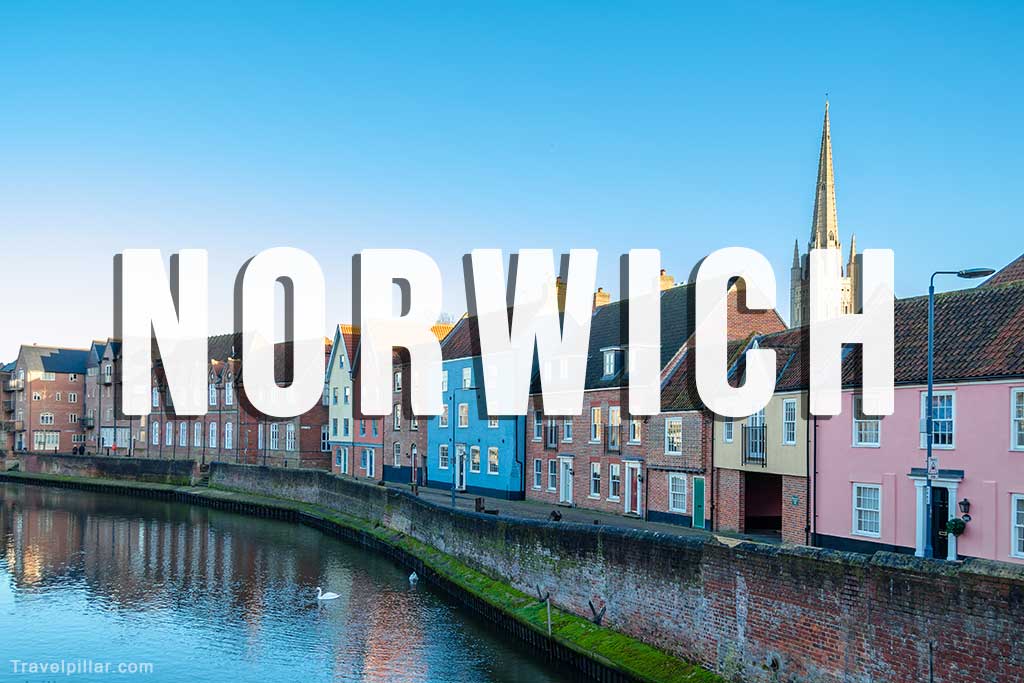
Norwich is one of the most historic cities in England, with a heritage shaped by medieval prosperity, religious influence, and later industrial growth. Once the second-largest city in the country, it retains a rich concentration of historic buildings alongside modern cultural institutions.
The city’s medieval centre includes a cathedral, castle, and numerous churches, reflecting its importance as a regional hub. Narrow lanes, markets, and historic houses highlight its development through centuries of trade and civic life.
Today Norwich combines its heritage with contemporary attractions, including museums, theatres, and riverside areas. Its balance of history and culture makes it one of the most distinctive urban destinations in East Anglia.
The Best Things to Do in Norwich
1. Norwich Cathedral
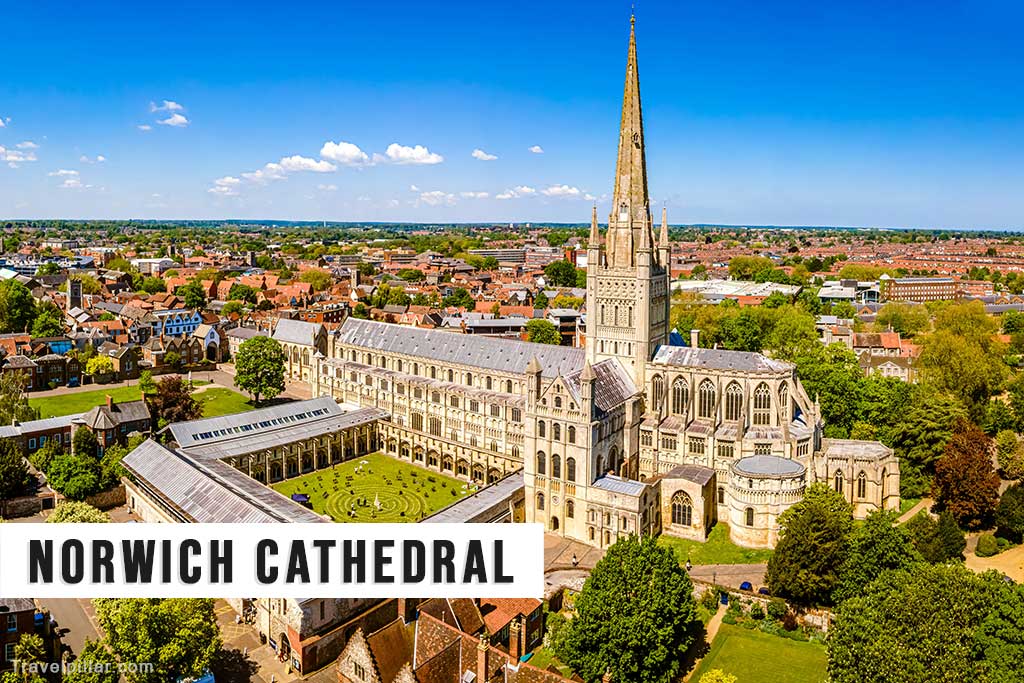
Norwich Cathedral, built between 1096 and 1145, is one of the finest Romanesque buildings in England. It features a soaring spire, cloisters, and over 1,000 medieval roof bosses. The cathedral precincts include monastic buildings and green spaces. Still an active place of worship, the cathedral also houses art, exhibitions, and concerts, making it a focal point of the city’s historic and cultural identity.
Official website: https://cathedral.org.uk
Google map 4.8/5
The Cathedral of St. John the Baptist
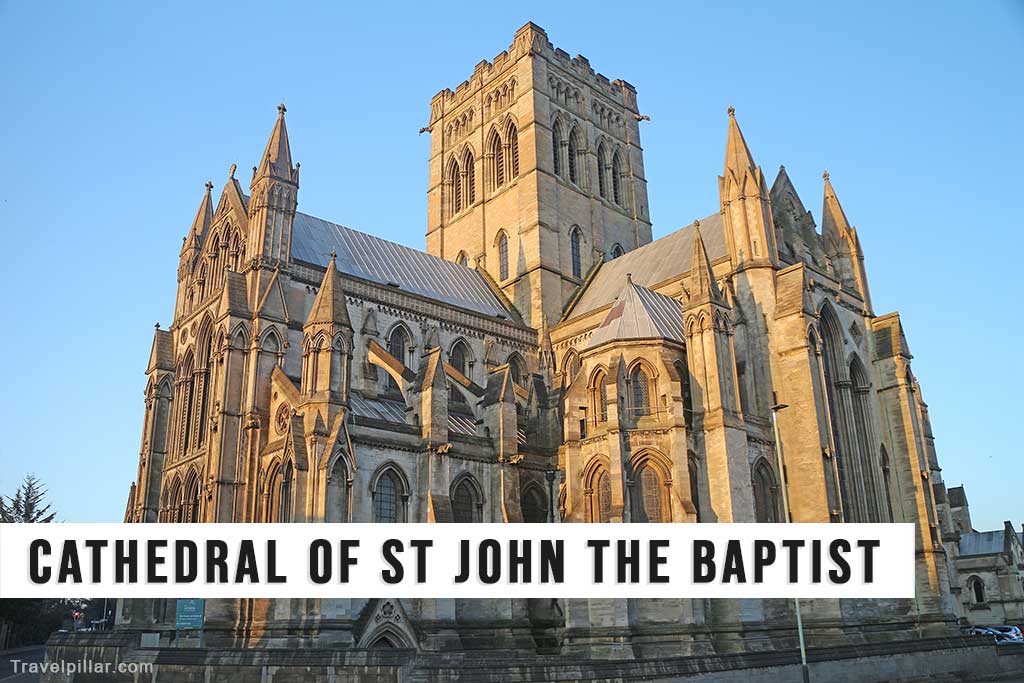
The Cathedral of St. John the Baptist in Norwich is one of the largest Roman Catholic cathedrals in the United Kingdom. Built between 1882 and 1910 in Gothic Revival style, it features a prominent spire, vaulted ceilings, and detailed stonework. The interior includes stained glass, side chapels, and a carved high altar. Still an active place of worship, it also serves as a cultural and architectural landmark within the city.
Official website: https://sjbcathedral.org.uk
Google map 4.7/5
2. Norwich Castle
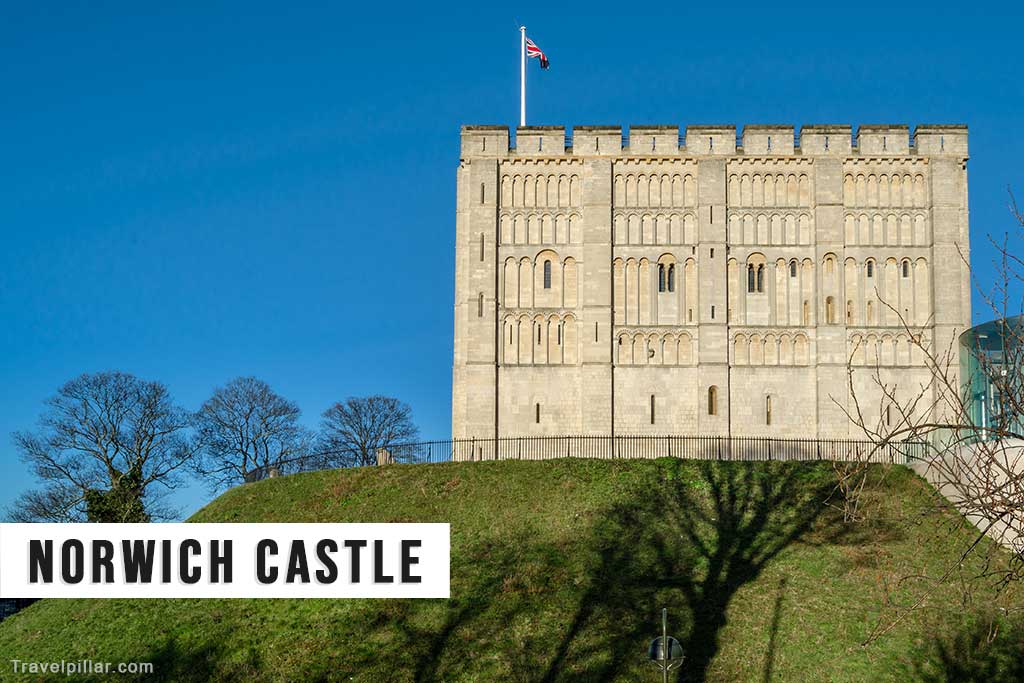
Norwich Castle was built by the Normans in the late 11th century as a royal fortress. Its square keep is one of the best-preserved of its kind in England. Later used as a prison, it now houses a museum with collections of archaeology, fine art, and natural history. The castle is both a historic landmark and a cultural institution at the heart of the city.
Official website: https://www.norwichcastle.norfolk.gov.uk
Google map 4.3/5
3. Elm Hill
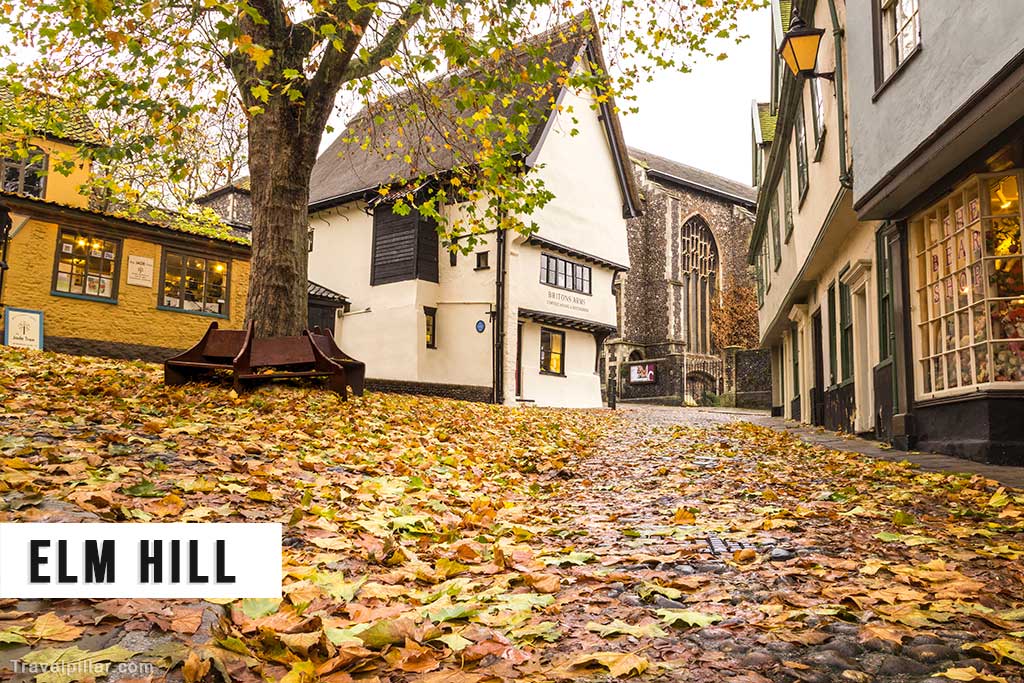
Elm Hill is Norwich’s most famous medieval street, lined with timber-framed houses, many dating from the 16th century. Once a centre of the city’s cloth trade, it is now home to independent shops, galleries, and cafes. Cobblestones and historic architecture make it a popular location for films and photography. Elm Hill reflects Norwich’s medieval character and remains one of its most picturesque areas.
Google map 4.6/5
4. The Forum
The Forum is a modern landmark completed in 2001, housing the Norfolk and Norwich Millennium Library, BBC studios, and exhibition spaces. Its glass-fronted design contrasts with the city’s medieval architecture. The Forum hosts cultural events, markets, and performances throughout the year. As a hub for learning, media, and public life, it represents the city’s balance of heritage and contemporary development.
Google map 4.5/5
5. Norwich Market
Norwich Market is one of the oldest and largest outdoor markets in England, with origins dating back to the Norman Conquest. Its colourful stalls sell food, clothing, crafts, and household goods. The market remains an important part of the city’s economy and atmosphere, located in the central market square beside the Guildhall and City Hall. It reflects Norwich’s enduring role as a trading centre.
Google map 4.5/5
6. Dragon Hall
Dragon Hall is a medieval trading hall built around 1430, once used by wealthy merchants for the export of wool and textiles. It features a magnificent timber-framed great hall, decorated with carved dragons. Now part of the National Centre for Writing, it hosts literary events and workshops. The building highlights Norwich’s role in medieval trade and its continuing reputation as a UNESCO City of Literature.
Google map 4.5/5
7. Strangers’ Hall
Strangers’ Hall is a historic house museum with roots in the 14th century. It takes its name from the Protestant refugees, known as “Strangers,” who settled in Norwich from the Low Countries in the 16th century. The house contains period rooms furnished to reflect different centuries of domestic life. It provides an insight into the history of the city’s residents and its role in European migration.
Official website: https://www.strangershall.norfolk.gov.uk
Google map 4.7/5
8. Plantation Garden
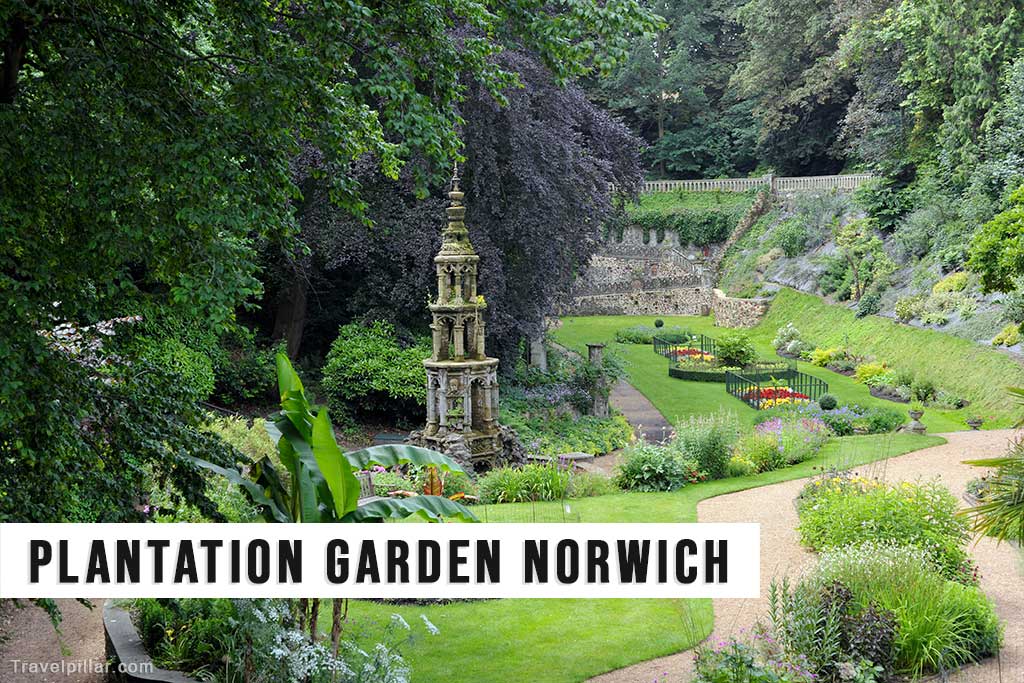
The Plantation Garden, created in the late 19th century, is a restored Victorian town garden near the cathedral. It features terraces, a gothic fountain, and woodland walks. Developed on a former chalk quarry, it reflects Victorian design and horticultural fashion. Restored by volunteers, the garden provides a quiet retreat in the city and illustrates changing attitudes to urban green spaces.
Official website: https://www.plantationgarden.co.uk
Google map 4.7/5
9. Norwich Guildhall
Norwich Guildhall, built in the early 15th century, served as the centre of city government for centuries. It is the largest surviving medieval civic building in the country outside London. The flint-faced structure contains a council chamber, courts, and cells. Today it is used for public and community events. The Guildhall represents Norwich’s prosperity and importance during the late Middle Ages.
Google map 4.3/5
10. Riverside Walks
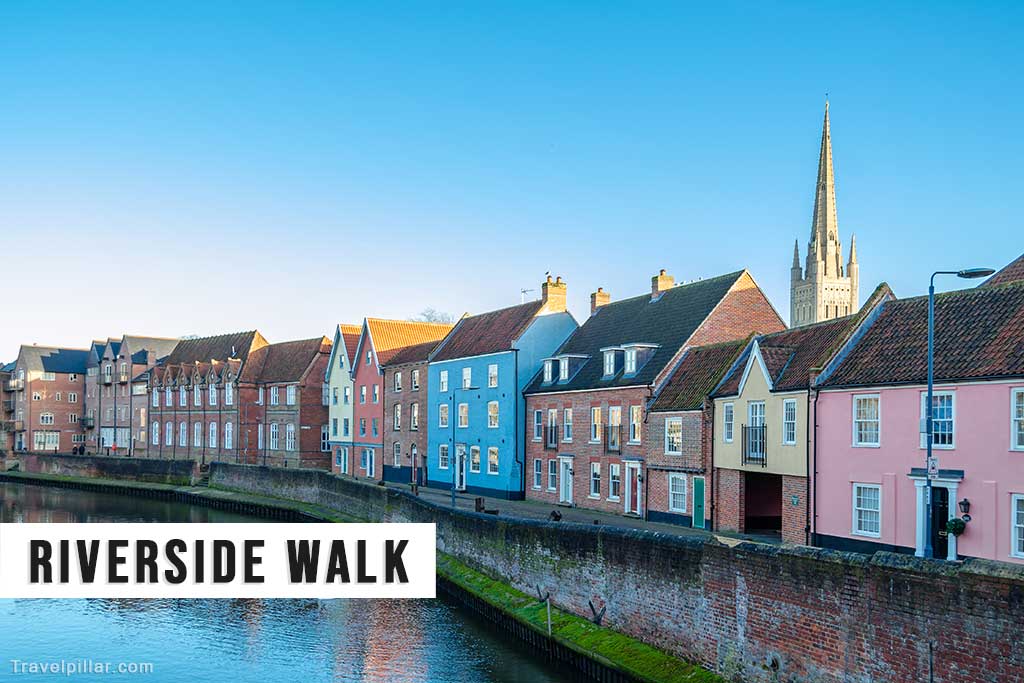
Norwich developed along the River Wensum, and its riverside areas remain important for leisure and heritage. Walks along the river reveal historic warehouses, bridges, and views of the cathedral and castle. Redevelopment has added modern restaurants, cinemas, and cultural venues. The riverside combines the city’s medieval character with contemporary life, offering an accessible way to explore Norwich’s landscape and history.