
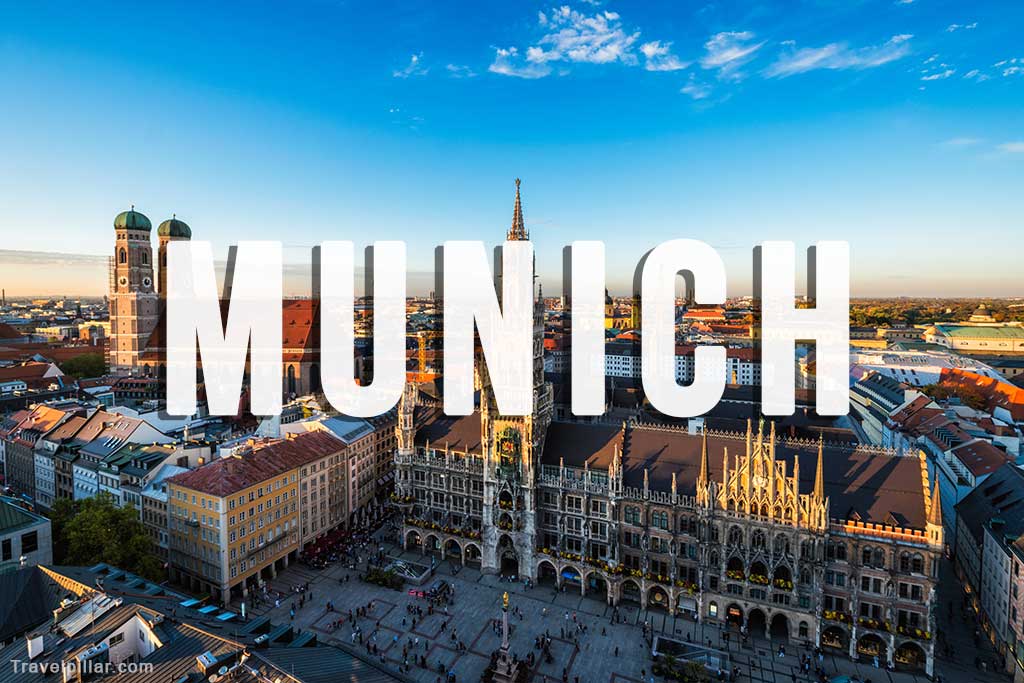
Munich, the capital of Bavaria, is one of the leading cultural and economic centres in Germany. Founded in the 12th century, it developed as the residence of the Wittelsbach dynasty and retains landmarks reflecting its political, religious, and artistic history.
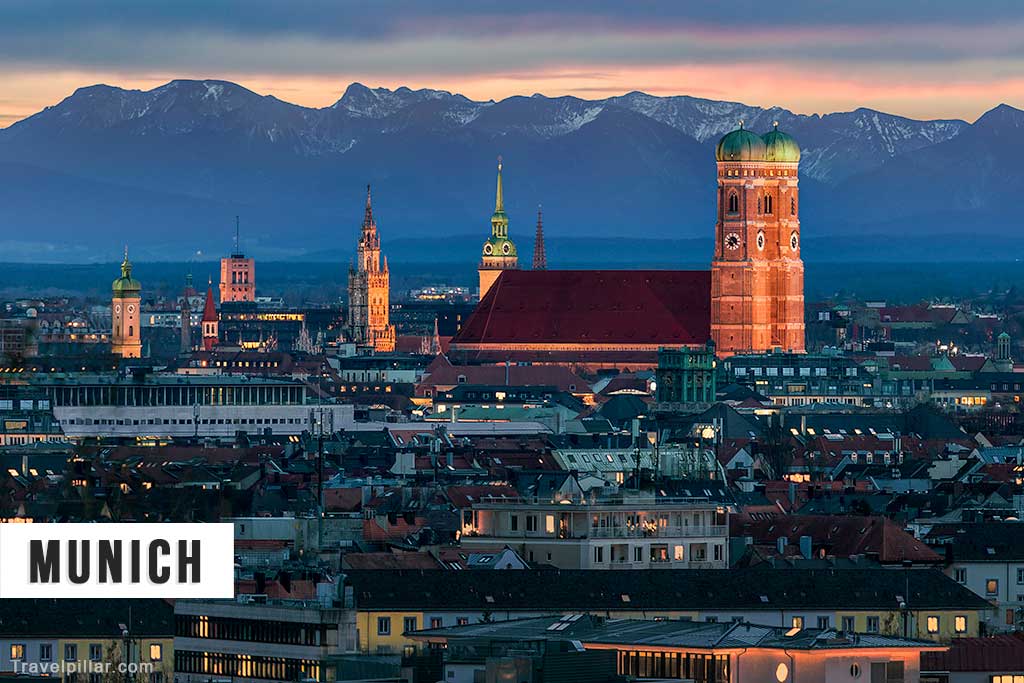
The city combines medieval structures with baroque churches, royal palaces, and modern institutions. Its squares, museums, and parks illustrate Munich’s transformation from a ducal town into a European capital of culture.
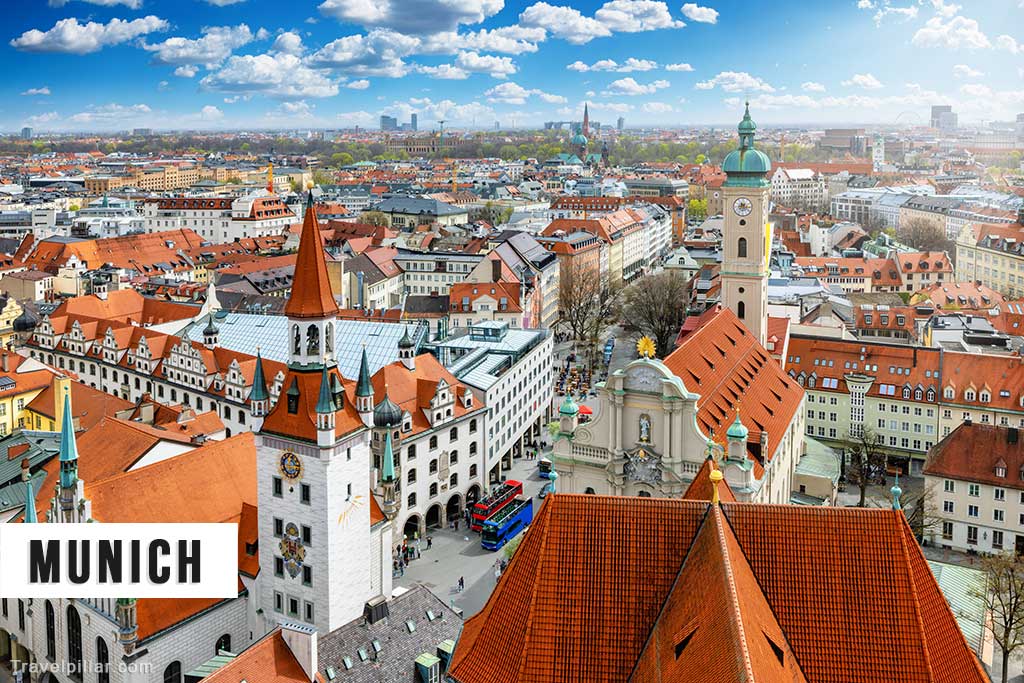
Today, Munich is internationally known for Oktoberfest, its museums, and its location near the Bavarian Alps. Its balance of historic heritage and contemporary life ensures its appeal as a major destination in southern Germany.
The Best Things to Do in Munich
1. Marienplatz
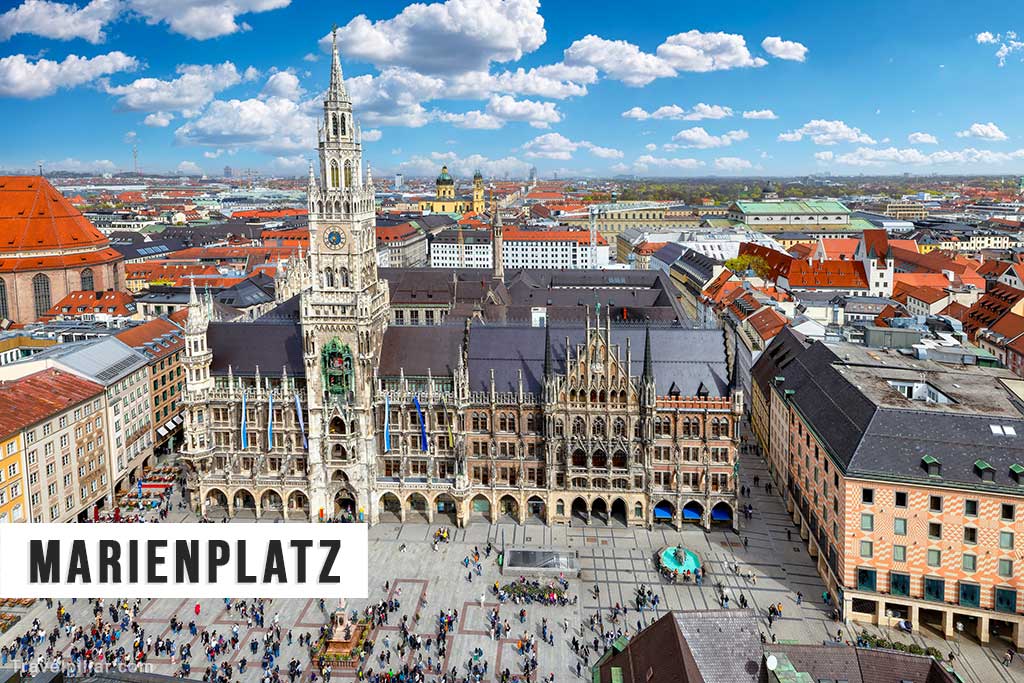
Marienplatz is Munich’s central square and has served as the city’s civic hub since the Middle Ages. The New Town Hall dominates the square with its neo-Gothic facade and the Glockenspiel, which performs daily mechanical reenactments of historical events. The square remains a gathering place for markets, festivals, and public celebrations, reflecting its enduring role in the city’s cultural and civic life.
Google map 4.7/5
2. Frauenkirche (Catholic Church)
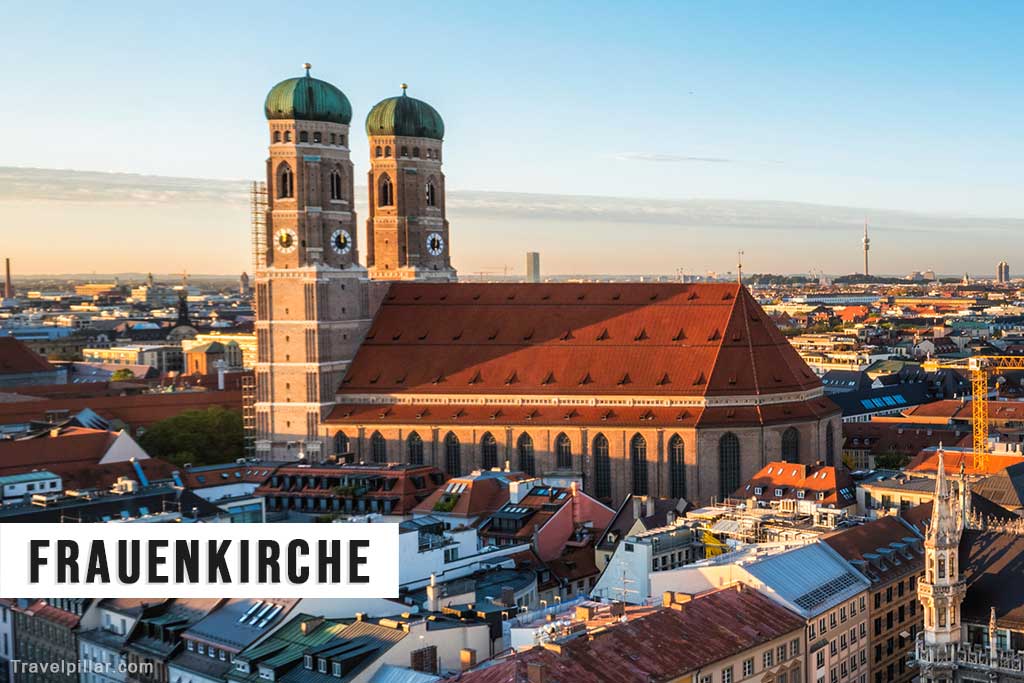
The Frauenkirche, or Cathedral of Our Lady, is Munich’s most recognisable landmark. Built in the late 15th century, its twin brick towers capped with onion domes dominate the skyline. The cathedral was heavily damaged during the Second World War but later restored. Inside are vaulted ceilings, altars, and the tombs of Bavarian rulers. The church continues to function as the seat of the Archdiocese of Munich and Freising.
Google map 4.6/5
3. Oktoberfest
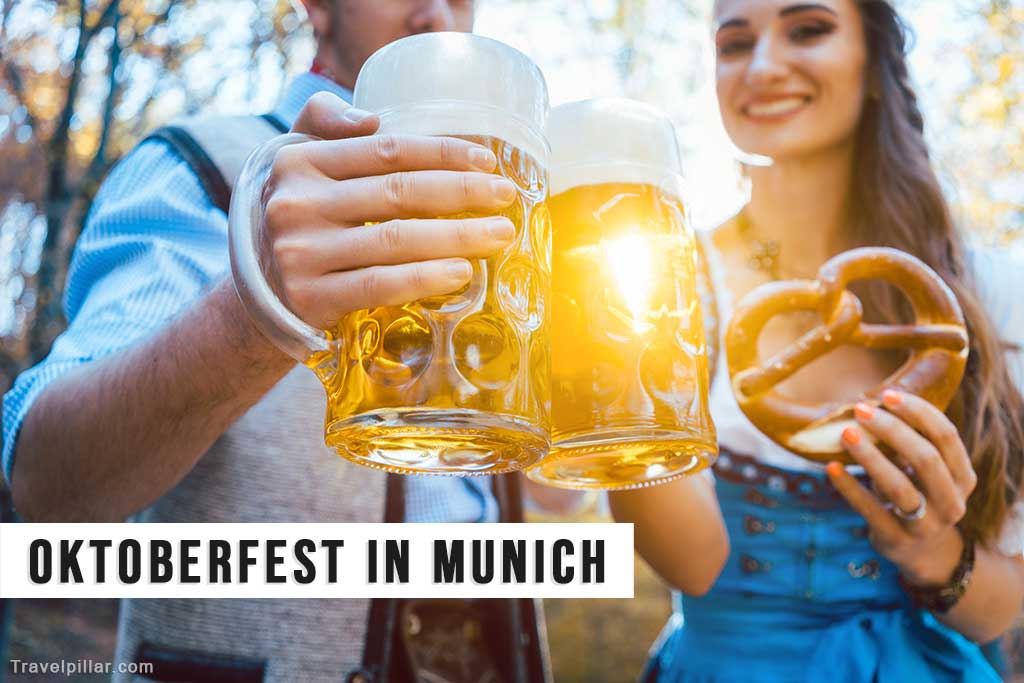
Oktoberfest is Munich’s most famous event and the world’s largest folk festival. Originating in 1810, it takes place annually on the Theresienwiese. The festival combines large brewery tents, traditional food, parades, and fairground rides. Visitors wear traditional costumes such as lederhosen and dirndls, reflecting Bavarian identity. Beyond its entertainment value, Oktoberfest has become an international symbol of Munich and contributes significantly to the city’s cultural and economic life.
4. Nymphenburg Palace
Nymphenburg Palace, begun in the 17th century, was the summer residence of the Wittelsbach dynasty. Its baroque architecture is complemented by extensive gardens laid out in French and later English styles. The complex includes smaller pavilions such as the Amalienburg and several museums, including the Marstallmuseum with royal carriages. The palace illustrates both the grandeur of Bavarian court life and changing tastes in landscape and architectural design.
Google map 4.6/5
5. Residenz (Residenz München)
The Munich Residenz served as the main residence of Bavarian rulers from the 16th to the 20th century. The complex consists of courtyards, state apartments, and ceremonial halls such as the Antiquarium, one of the largest Renaissance interiors north of the Alps. Today it functions as a museum, housing collections of paintings, sculptures, and decorative objects. The Residenz illustrates the evolution of architectural and artistic patronage in Bavaria.
Google map 4.6/5
6. English Garden (Englischer Garten)
The Englischer Garten, established in 1789, is one of the largest urban parks in Europe. Designed in the style of English landscape gardens, it features meadows, lakes, and wooded areas. Notable landmarks include the Chinese Tower, a Greek-style temple, and a popular riverside surfing spot on the Eisbach stream. The park remains an essential recreational area for Munich’s residents, combining historical landscaping with contemporary leisure activities.
Google map 4.7/5
7. Viktualienmarkt
The Viktualienmarkt is Munich’s central food market, established in the early 19th century. It operates daily, offering a wide range of fresh produce, meats, cheeses, and Bavarian specialities. Beer gardens and seasonal stalls add to its atmosphere. Located close to Marienplatz, it reflects the city’s traditions of trade and culinary culture. The market continues to be both a practical shopping location and a tourist attraction.
Google map 4.6/5
Heilig Geist (Catholic Church)
Google map 4.7/5
St. Peter (Catholic Church)
Google map 4.7/5
8. Deutsches Museum
The Deutsches Museum is the world’s largest museum of science and technology, founded in 1903. Its collections cover a wide range of fields, including transport, communication, energy, and astronomy. Exhibits include historic aircraft, early computers, and experimental demonstrations. Interactive displays allow visitors to engage with scientific principles. The museum highlights Germany’s role in technological development and provides insight into the progress of industrial and scientific innovation.
Official website: https://www.deutsches-museum.de/en/
Google map 4.5/5
9. BMW Museum and BMW Welt
The BMW Museum, located near the company’s headquarters, presents the history and development of the automobile brand since its foundation in 1916. Its exhibitions include vintage cars, motorcycles, engines, and design studies. Nearby, BMW Welt serves as both a showroom and event space, showcasing current models and technological innovations. Together, they represent Munich’s industrial heritage and continuing role in automotive engineering and design.
Official website: https://www.bmw-welt.com/en/
Google map BMW Museum 4.6/5
Google map BMW Welt 4.7/5
10. Olympic Park
The Olympic Park was constructed for the 1972 Summer Olympics and is recognised for its distinctive glass canopies inspired by mountain landscapes. The complex includes stadiums, sports facilities, and the Olympic Tower, which provides panoramic views over Munich and the Alps. Today the park functions as a venue for concerts, exhibitions, and recreational activities, ensuring its continued role in the cultural and sporting life of the city.
Google map 4.7/5