
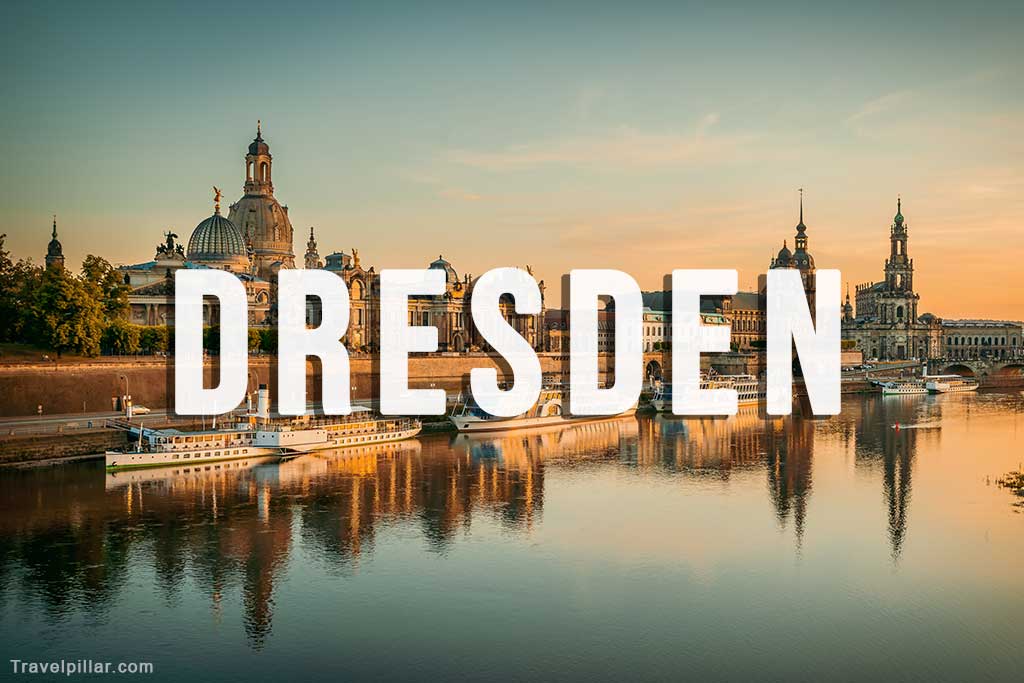
Dresden, capital of Saxony, Germany, is situated on the River Elbe, and is noted for its cultural and architectural heritage. Known as the “Florence on the Elbe,” it became a centre of art and politics under the rule of the Saxon electors and kings, particularly during the 18th century. Much of the city was destroyed in the Second World War, but extensive restoration has preserved its historic character.
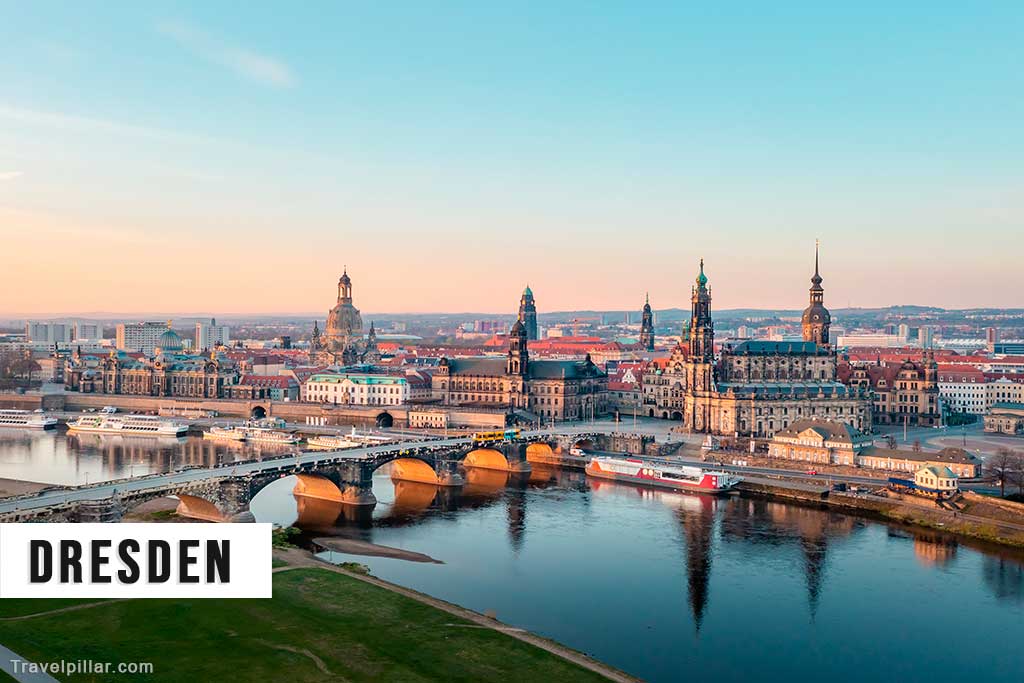
The heart of Dresden is the Altstadt, or Old Town, which contains many of its major monuments. The Frauenkirche, rebuilt after reunification, is one of Germany’s most important baroque churches. The Zwinger Palace, designed by architect Matthäus Daniel Pöppelmann, is a masterpiece of baroque architecture and houses museums including the Old Masters Picture Gallery. The Semperoper, Dresden’s opera house, is another landmark reflecting the city’s cultural prominence.
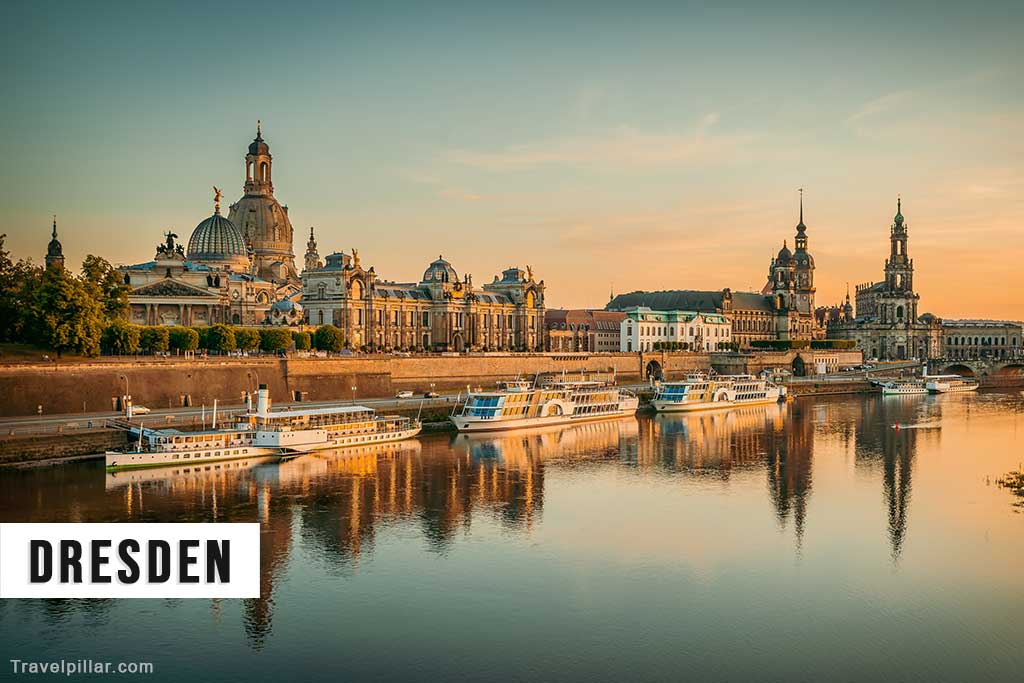
Across the river, the Neustadt illustrates urban development from the 18th century onward and contains cultural venues, markets, and a lively contemporary atmosphere. The Elbe River and its terraces provide natural settings that complement the urban fabric.
Today, Dresden combines restored historic sites with modern buildings, galleries, and institutions. Its museums, architecture, and performing arts continue to attract visitors, while its role as a regional capital ensures its significance in both Saxony and Germany as a whole.
Top 10 Dresden
1. Frauenkirche
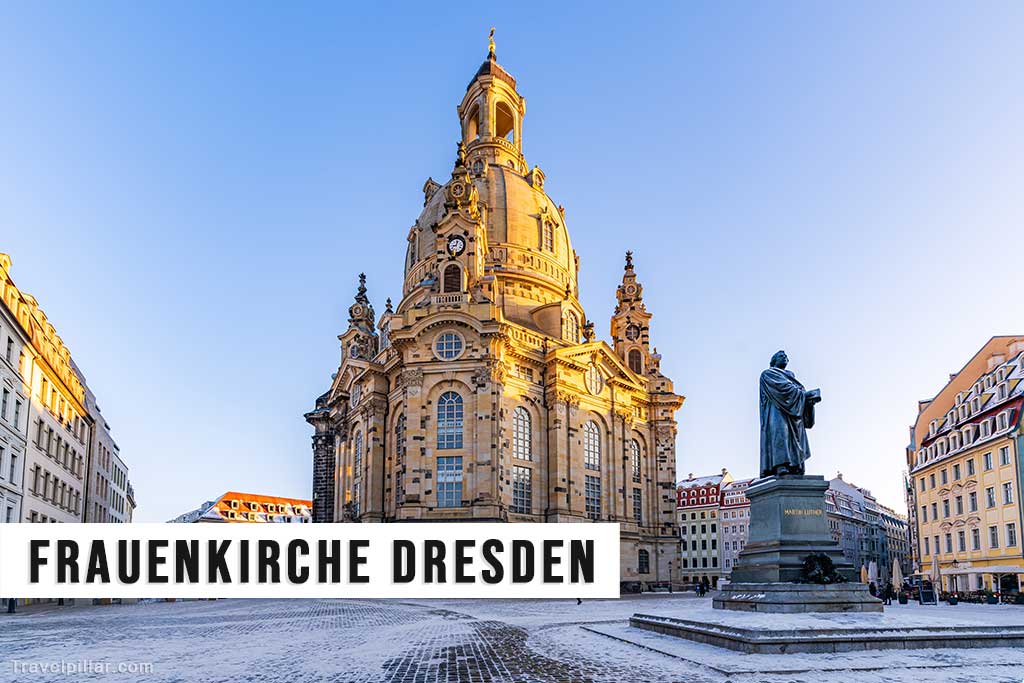
The Frauenkirche is Dresden’s most recognisable church, rebuilt after its destruction in 1945. Completed in 2005, it restored the baroque dome designed by George Bähr in the 18th century. The interior is decorated with galleries, altars, and frescoes, while its dome offers panoramic views of the city and the Elbe valley. The reconstruction symbolises Dresden’s recovery and cultural renewal.
2. Zwinger Palace
The Zwinger Palace, designed in the early 18th century by Matthäus Daniel Pöppelmann, is a masterpiece of German baroque architecture. Originally a festival ground, it now houses museums, including the Old Masters Picture Gallery with works by Raphael, Rembrandt, and Vermeer. The Nymphenbad fountain and ornate pavilions illustrate the richness of baroque design. The palace complex highlights Dresden’s importance as a centre of art and architecture.
3. Semperoper
The Semperoper, Dresden’s opera house, was built in 1841 and reconstructed after wartime damage. Designed by Gottfried Semper, it combines neo-Renaissance architecture with ornate interiors. It is home to the Saxon State Opera and the Staatskapelle Dresden, one of the world’s oldest orchestras. The Semperoper remains a leading venue for opera, ballet, and concerts, continuing Dresden’s long-standing musical tradition.
4. Dresden Royal Palace
The Dresden Royal Palace served as the residence of the electors and kings of Saxony. Its architecture reflects Gothic, Renaissance, and baroque styles, with reconstructions continuing after war damage. Today it houses several museums, including the Green Vault, which contains one of Europe’s most important collections of treasures and jewellery. The palace illustrates the wealth and influence of Saxony’s rulers.
5. Brühl’s Terrace
Brühl’s Terrace, often called the “Balcony of Europe,” is a riverside promenade overlooking the Elbe. Originally part of Dresden’s fortifications, it was transformed into a landscaped terrace in the 18th century. It is lined with historic buildings, statues, and gardens, providing views of the river and the Neustadt. The terrace represents both the city’s history and its integration with the natural landscape.
6. Albertinum
The Albertinum is an art museum housed in a Renaissance armoury, redesigned in the 19th century. It contains collections of sculpture and painting from the Romantic period to contemporary art. Works by Caspar David Friedrich, a native of the region, are among its highlights. The museum complements the city’s older collections and demonstrates Dresden’s continuing role as a centre for the visual arts.
7. Green Vault
The Green Vault, located in the Royal Palace, is one of Europe’s oldest and most important treasure chambers. Founded by Augustus the Strong in the early 18th century, it contains gold, silver, jewels, and objects of art. The collection is displayed in reconstructed baroque rooms that highlight both craftsmanship and wealth. It remains a key attraction within Dresden’s network of museums.
8. Dresden Transport Museum
The Dresden Transport Museum, located in the Johanneum, presents the history of transport on land, water, and air. Exhibits include historic locomotives, automobiles, bicycles, and aircraft. It highlights the development of mobility and engineering, with displays that illustrate both Saxon and international contributions. The museum is part of Dresden’s broader tradition of technical innovation.
9. Neustadt
The Neustadt, or New Town, developed north of the Elbe after the 18th century. It contains baroque streets, cultural venues, and a lively atmosphere with cafes, markets, and street art. The Kunsthofpassage, with its themed courtyards and art installations, reflects the area’s contemporary creativity. Neustadt provides a contrast to the reconstructed Old Town, illustrating Dresden’s evolving urban life.
10. Pillnitz Palace
Pillnitz Palace, located on the outskirts of Dresden along the Elbe, was the summer residence of Saxon rulers. Its architecture combines baroque and chinoiserie elements, surrounded by extensive gardens and parkland. The palace includes museums focusing on decorative arts and palace history. Its riverside setting and landscaped grounds make it both a cultural site and a leisure destination.