
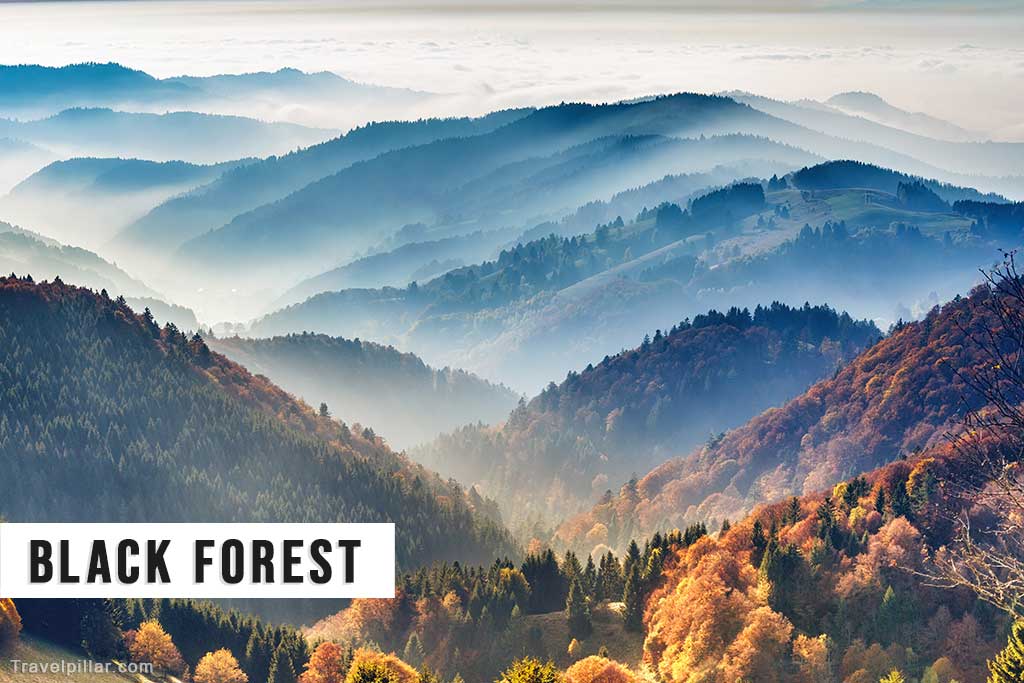
The Black Forest, or Schwarzwald, is a mountain range in Baden-Württemberg in southwest Germany, stretching along the upper Rhine valley. Its name derives from the density of its evergreen forests, which have long inspired myths, folklore, and cultural traditions. The region’s landscapes combine wooded hills, river valleys, lakes, and mountain peaks, making it one of Germany’s most distinctive natural areas.
Historically, the Black Forest was known for farming, forestry, and crafts, particularly woodcarving and clock-making. Villages developed architectural forms such as the Black Forest farmhouse, with broad roofs adapted to heavy snowfall. Over centuries, spa towns, resorts, and scenic roads further shaped its identity as a cultural landscape.
Today, the Black Forest is valued for both recreation and heritage. Hiking, cycling, and skiing are balanced with attractions such as open-air museums, spa towns, and traditional cuisine, including Black Forest cake and cured ham. These features, alongside scenic routes and preserved villages, make the region a major destination within Germany.
Google map 4.7/5
Top 10 Things to Do in the Black Forest
1. Triberg Waterfalls
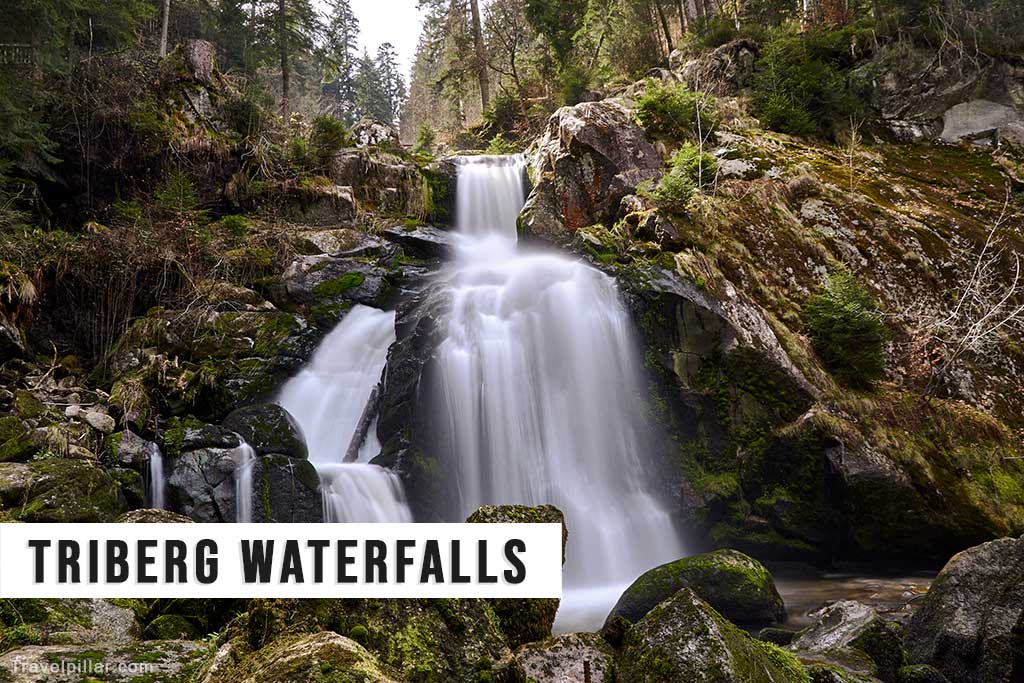
The Triberg Waterfalls, at 163 metres, are among the tallest in Germany. Located near the town of Triberg, they cascade in seven stages through a forested gorge. Walking paths and bridges provide access to various viewpoints, while illumination at night enhances the setting. Nearby, the town’s tradition of cuckoo clock production reflects the cultural heritage of the Black Forest, combining natural and artisanal attractions in a single destination.
Google map 4.3/5
2. Black Forest Open Air Museum
The Black Forest Open Air Museum in Gutach preserves historic farmhouses, mills, and workshops from across the region. Buildings dating from the 16th to 19th centuries illustrate rural life, architecture, and craft traditions. Exhibits include domestic interiors, farming tools, and demonstrations of baking and weaving. Seasonal events and workshops further explain how communities adapted to the environment, making the museum an important resource for understanding the region’s heritage.
Google map 4.6/5
3. Feldberg
Feldberg, at 1,493 metres, is the highest peak in the Black Forest. It is part of a nature reserve that protects alpine meadows and rare species. The mountain provides hiking trails in summer and ski slopes in winter, making it a year-round attraction. From the summit, visitors can see as far as the Swiss Alps and Vosges Mountains, highlighting Feldberg’s position as a central landmark of the Black Forest.
Google map 4.7/5
4. Baden-Baden
Baden-Baden is a historic spa town on the edge of the Black Forest, renowned for its thermal springs. In the 19th century it became an international centre of leisure, frequented by royalty and artists. Landmarks include the Kurhaus, casino, and landscaped gardens. Today, its spas, museums, and cultural festivals continue this tradition. Baden-Baden illustrates the region’s longstanding association with health, recreation, and cultural refinement within a natural setting.
5. Lake Titisee
Lake Titisee is a glacial lake formed during the last Ice Age, located near Feldberg. Surrounded by forests and hills, it is a popular destination for boating, swimming, and lakeside walking. The nearby resort town provides accommodation, restaurants, and shops. In winter, the surrounding area offers skiing and other snow sports. The combination of natural beauty, recreation, and tourist facilities makes Titisee one of the region’s most visited sites.
Google map
6. Mummelsee
Mummelsee is a small cirque lake at an elevation of 1,036 metres, situated along the Black Forest High Road. It is steeped in folklore, with legends of water spirits inhabiting its depths. The lake is accessible for boating and is surrounded by trails leading into the forest. Facilities include guesthouses and craft shops. Mummelsee illustrates the blend of natural landscape and mythology characteristic of the Black Forest.
Google map
7. Black Forest Railway
The Black Forest Railway, constructed in the 19th century, runs from Offenburg to Singen, crossing mountainous terrain. Known for its engineering, it includes numerous tunnels and viaducts. The route passes through scenic valleys and forests, offering travellers panoramic views of the region. Still in use today, it combines transport with tourism, demonstrating both technological achievement and the enduring appeal of rail journeys through the Black Forest.
Google map
8. Baiersbronn
Baiersbronn is a village in the northern Black Forest, renowned for its culinary reputation. With several Michelin-starred restaurants, it is considered one of Germany’s leading centres of gastronomy. The village also offers access to extensive hiking trails, meadows, and forests. Baiersbronn reflects the balance between cultural refinement and natural surroundings, showing how traditional landscapes can be combined with modern achievements in food and hospitality.
Google map
9. Schwarzwaldhochstrasse (Black Forest High Road)
The Schwarzwaldhochstrasse, or Black Forest High Road, is a 60-kilometre scenic route between Baden-Baden and Freudenstadt. It passes viewpoints, lakes, and hiking trails, providing access to both natural and cultural landmarks. Constructed in the 1930s, it remains one of Germany’s most popular touring routes. Travellers encounter changing landscapes of forests and ridges, making the road an introduction to the diversity of the Black Forest.
Google map
10. Freiburg im Breisgau
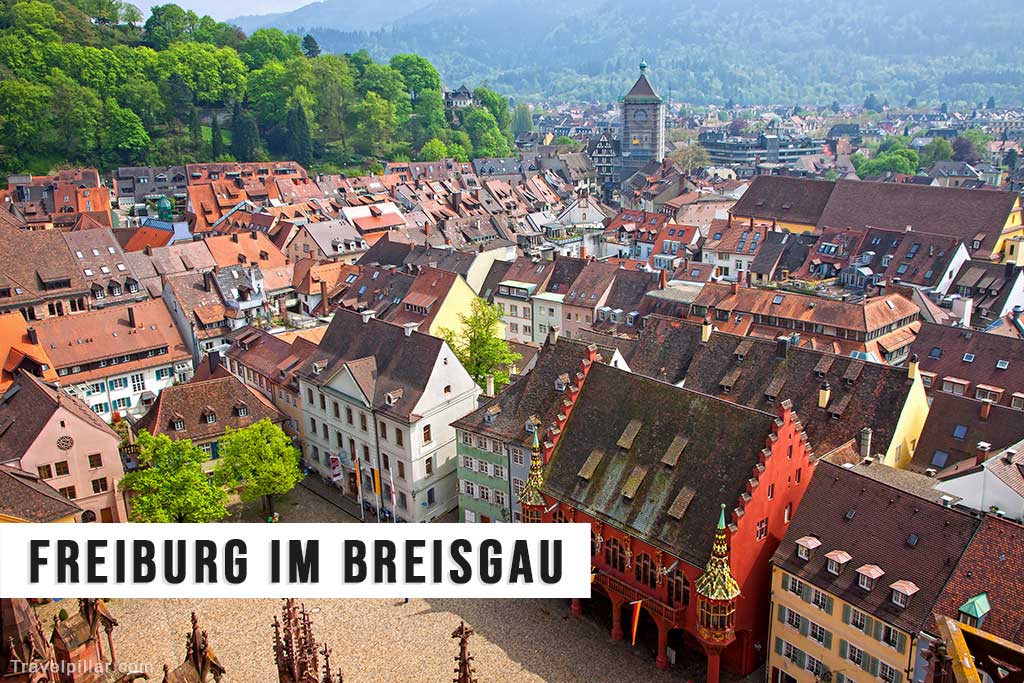
Freiburg im Breisgau lies at the southwestern edge of the Black Forest and is a historic university city. Its medieval old town includes the Gothic Freiburg Minster, narrow water channels known as Bächle, and a market square. The city serves as a gateway to the Black Forest while retaining its own cultural identity through museums, theatres, and academic institutions. Freiburg combines urban history with regional significance.
Google map