
Poole is a coastal town in Dorset, situated on the south coast of England and overlooking one of the largest natural harbours in the world. Its maritime location has influenced its development from a medieval port into a modern destination with a mix of heritage, leisure, and natural attractions.
The town’s identity is tied to its waterfront, with Poole Quay and the old town reflecting its centuries of trade and seafaring. The harbour continues to play a central role, serving as a base for sailing, water sports, and boat services to nearby destinations. Nature also features strongly, with Brownsea Island, bird habitats, and scenic coastline contributing to its character.
Poole is well connected to the surrounding Dorset coast, including Studland Bay and Swanage, as well as the wider Jurassic Coast, a UNESCO World Heritage Site. Visitors can combine history, wildlife, and recreation, with activities ranging from exploring museums and historic streets to relaxing on beaches or taking organised boat trips. Its variety makes it a notable base for discovering this part of southern England.
Poole is well connected to the surrounding Dorset coast, including Studland Bay and Swanage, as well as the wider Jurassic Coast, a UNESCO World Heritage Site. It is also a great base for visiting the nearby resorts of Bournemouth and the Isle of Purbeck. Visitors can combine history, wildlife, and recreation, with activities ranging from exploring museums and historic streets to relaxing on beaches or taking organised boat trips. Its variety makes it a notable centre for discovering this part of southern England.
The Best Poole Attractions
Poole Quay

Poole Quay is the historic waterfront, lined with converted warehouses, pubs, and restaurants. Once a centre for maritime trade, it now hosts events, festivals, and firework displays during summer. The quayside provides views of boats and ferries, as well as access to boat trips across the harbour. Its mix of history and leisure makes it one of the busiest and most distinctive parts of Poole.
Poole Old Town
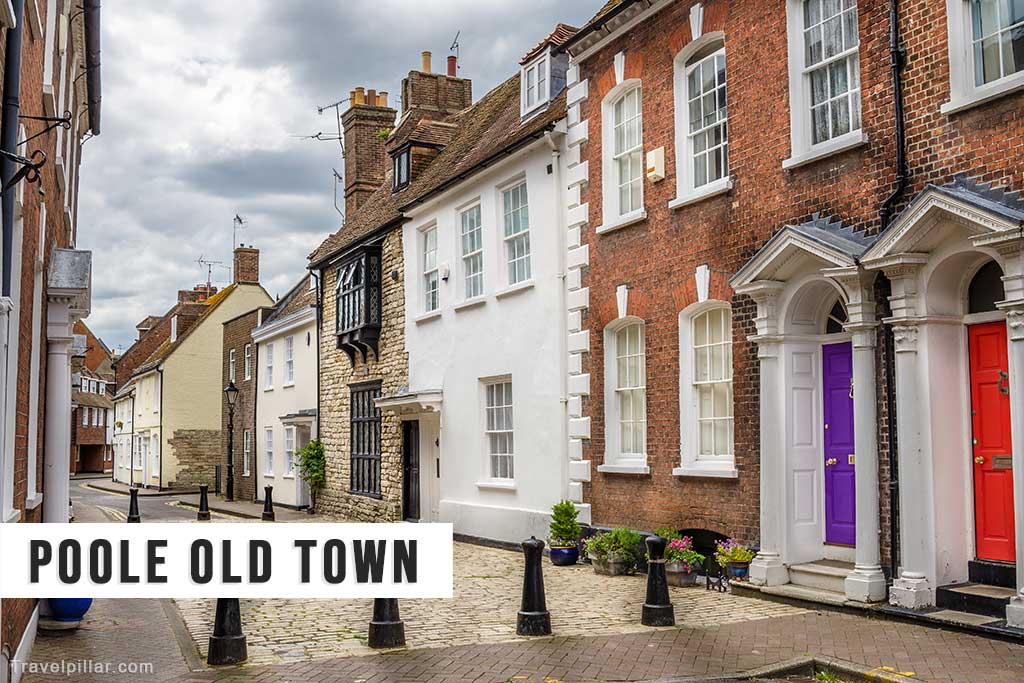
Poole Old Town preserves its medieval street plan with narrow lanes and historic architecture. The Guildhall and St James’ Church are notable landmarks, reflecting the town’s importance in past centuries. Many buildings are linked to wealthy merchants who prospered from trade. Walking through this area highlights Poole’s maritime heritage and offers a quieter contrast to the bustle of the quayside and harbour.
Poole Harbour

Poole Harbour is among the world’s largest natural harbours and central to the town’s identity. It is used for sailing, fishing, and leisure activities, as well as being a significant ecological site supporting diverse birdlife. The harbour contains islands including Brownsea and offers access to the Dorset coastline. Walking along its shoreline or taking a boat trip provides insight into its scale and importance.
Brownsea Island

Owned by the National Trust, Brownsea Island lies within Poole Harbour and is accessible only by boat. It is known for its wildlife, including a red squirrel population and protected bird habitats. The island has woodland and coastal paths, as well as historical associations with the founding of the Scout movement in 1907. Its combination of nature and history makes it a notable local attraction.
Boat Trips to Brownsea Island, Studland Bay and Swanage
Regular boat services operate from Poole Quay, connecting visitors with destinations within and beyond the harbour. Trips to Brownsea Island focus on nature and history, while cruises to Studland Bay highlight beaches and coastal scenery. Longer routes to Swanage pass Old Harry Rocks and the Jurassic Coast. These excursions combine sightseeing with maritime heritage, offering varied perspectives on Poole and the wider Dorset coastline.
Sandbanks Beach
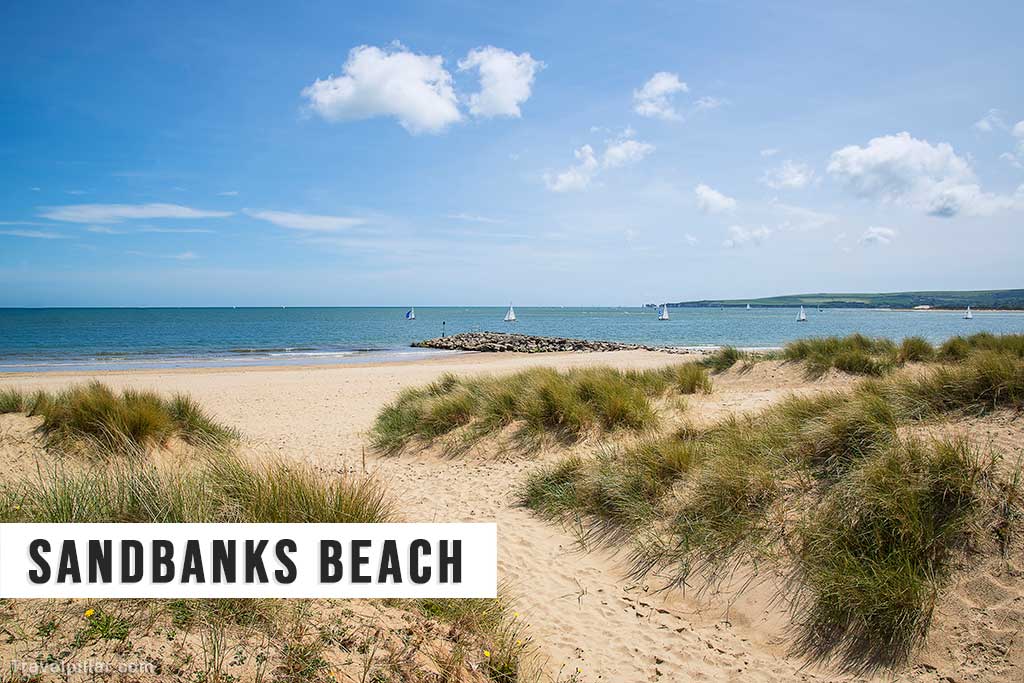
Sandbanks Beach is widely regarded as one of England’s best, with fine sand and clean waters recognised by Blue Flag awards. It is popular for swimming, water sports, and family activities, and backed by some of the country’s most expensive properties. From the beach, there are views towards Studland Bay and the Isle of Purbeck. Its facilities and reputation make it a key part of Poole’s appeal.
Sandbanks Peninsula
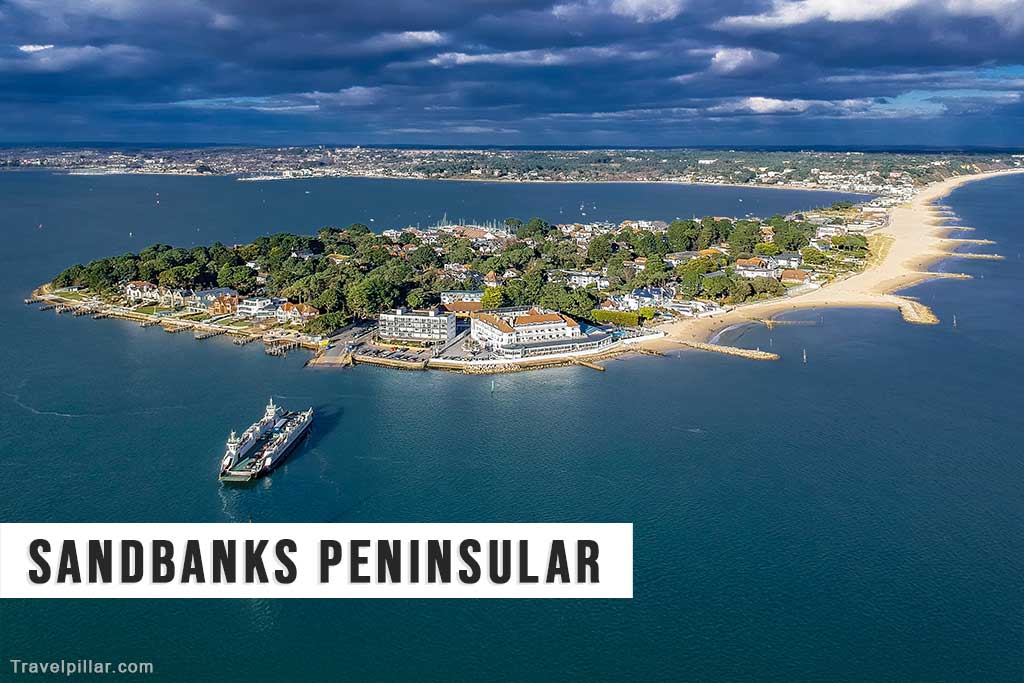
The Sandbanks Peninsula stretches out into Poole Harbour, forming a narrow strip of land with water on both sides. It is famous for its exclusive properties, often cited among the most expensive in the UK. Beyond its residential status, the peninsula offers views across the harbour and towards Studland Bay. Its position makes it a striking feature of Poole’s landscape, combining coastal scenery with modern prestige.
Sandbanks Car Ferry to Studland
The Sandbanks Ferry provides a short but important link across the entrance to Poole Harbour, connecting Sandbanks with Studland on the Isle of Purbeck. It carries vehicles, cyclists, and pedestrians, reducing the need for a longer road journey. The crossing takes only a few minutes but offers striking views of the harbour entrance and Old Harry Rocks. It is both practical and a distinctive feature of Poole’s transport links.