
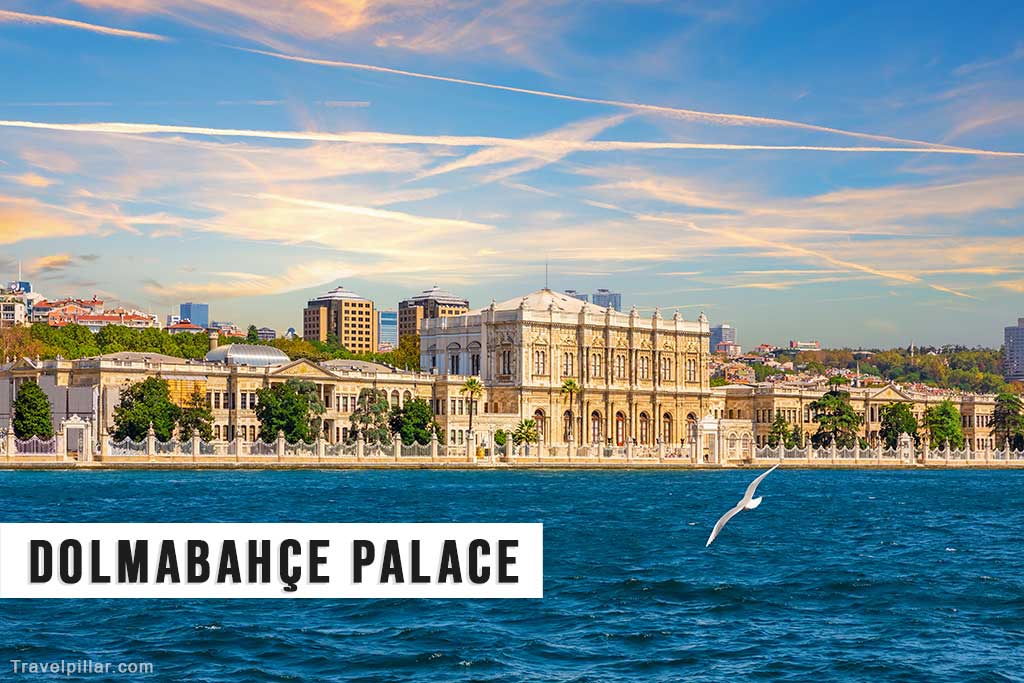
Dolmabahçe Palace is one of the most prominent architectural landmarks of 19th-century Istanbul, situated on the European shore of the Bosphorus. Constructed between 1843 and 1856 under Sultan Abdülmecid I, it replaced Topkapi Palace as the primary residence of the Ottoman sultans. The palace reflects the empire’s attempt to modernise and adopt European styles, combining neoclassical, baroque, and rococo influences with traditional Ottoman features.
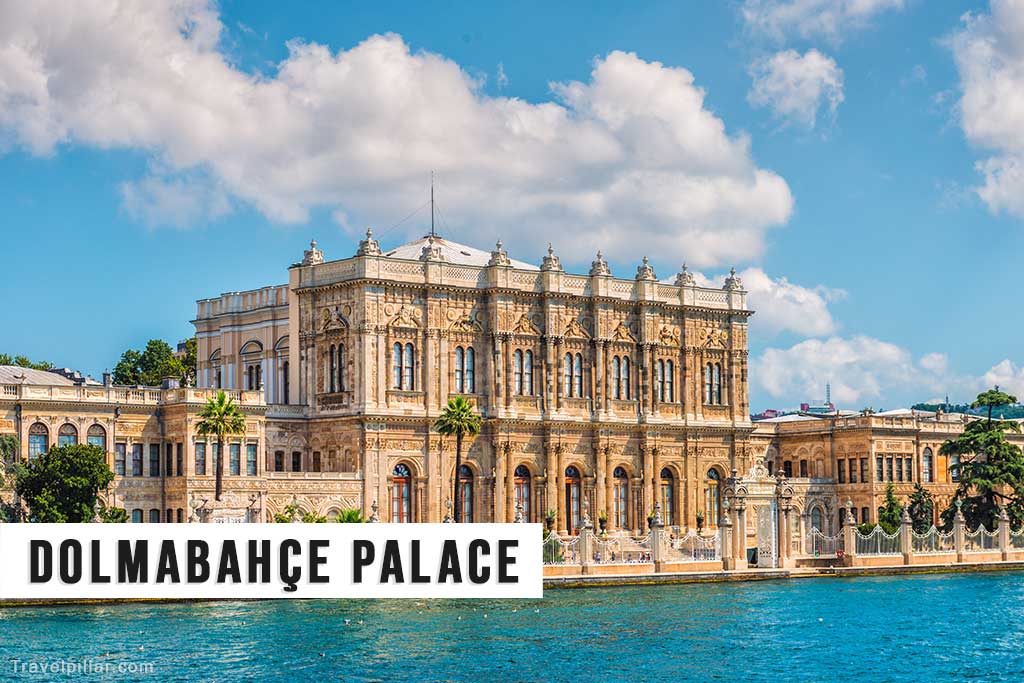
The palace complex extends over 45,000 square metres and contains 285 rooms, 46 halls, and extensive gardens along the waterfront. Its layout is divided into three main sections: the Selamlik, used for official functions; the Harem, serving as the private quarters of the sultan and his family; and the ceremonial halls. The most notable of these is the Muayede Hall, or Throne Room, which features a 36-metre-high dome and an elaborate chandelier presented by Queen Victoria.
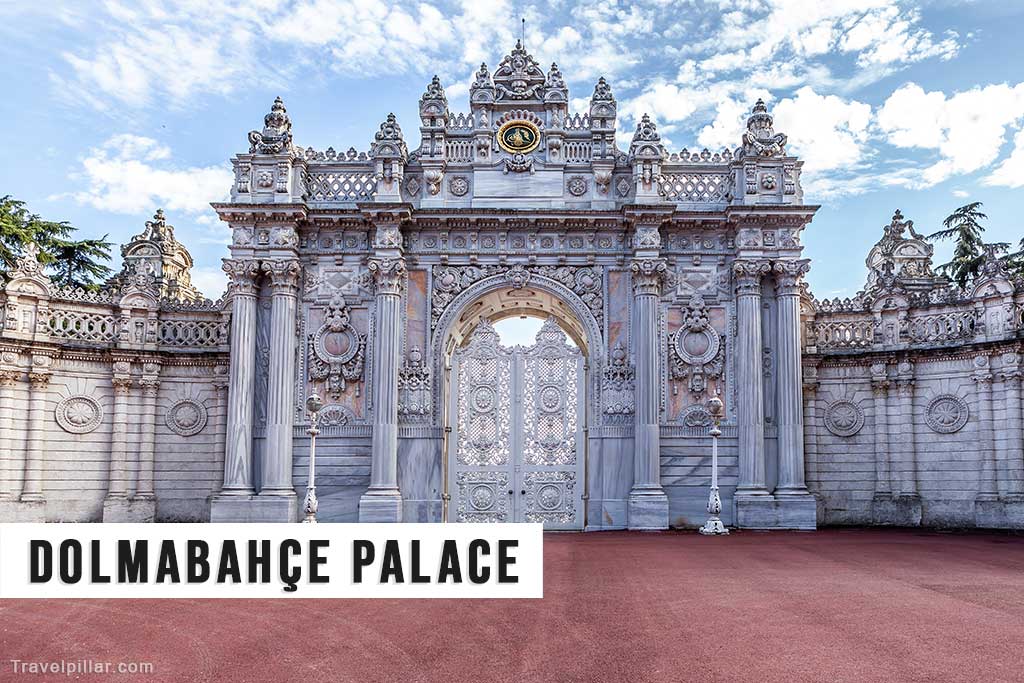
Interior decoration emphasises opulence, with crystal staircases, gilded ceilings, and carpets from Hereke workshops. The palace also incorporates innovations such as gas lighting and plumbing, reflecting technological advancements of the era. Its furnishings and art collections further illustrate the cultural exchanges between the Ottoman Empire and Europe during the 19th century.
Dolmabahçe Palace also holds significance in the history of modern Turkey. Mustafa Kemal Atatürk, founder of the Turkish Republic, used the palace as a presidential residence during his stays in Istanbul and died there in 1938. This connection adds to the site’s symbolic importance.
Today, Dolmabahçe Palace functions as a museum administered by the Turkish Directorate of National Palaces. It remains one of Istanbul’s most visited attractions, offering insight into the final century of Ottoman rule and the transition towards modern Turkey. Its combination of architectural grandeur, historical associations, and waterfront setting make it a distinctive landmark on the Bosphorus.
Official website: https://www.millisaraylar.gov.tr/
Google map 4.7/5