
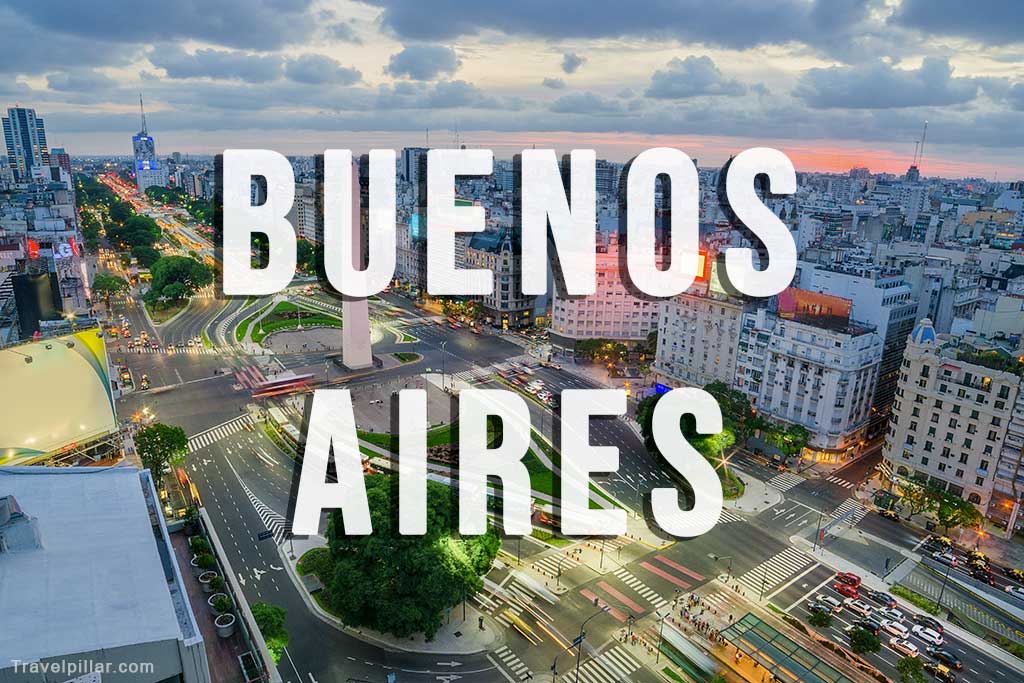
Buenos Aires, the capital city of Argentina, is a vibrant metropolis steeped in history and culture. Founded in 1536, this sprawling city boasts a population of over 15 million people, making it the second-largest city in South America. Renowned for its rich architecture, Buenos Aires showcases a fascinating blend of European and Latin American influences.
The city’s main attractions include the iconic Obelisco, situated on the bustling Avenida 9 de Julio, and the historic neighborhood of San Telmo, known for its antique shops and lively tango performances. For art enthusiasts, the Museo Nacional de Bellas Artes houses an extensive collection of both Argentine and international masterpieces.
Food lovers will delight in the city’s culinary scene, with its world-famous steakhouses and traditional Argentine fare. Additionally, Buenos Aires offers a thriving nightlife, featuring a wide array of bars, clubs, and live music venues.
Argentina’s official tourism website: https://www.argentina.travel/en
Buenos Aires official tourism website: https://turismo.buenosaires.gob.ar/en
Google map of Buenos Aires
The Best Things to See and Do in Buenos Aires
Obelisco
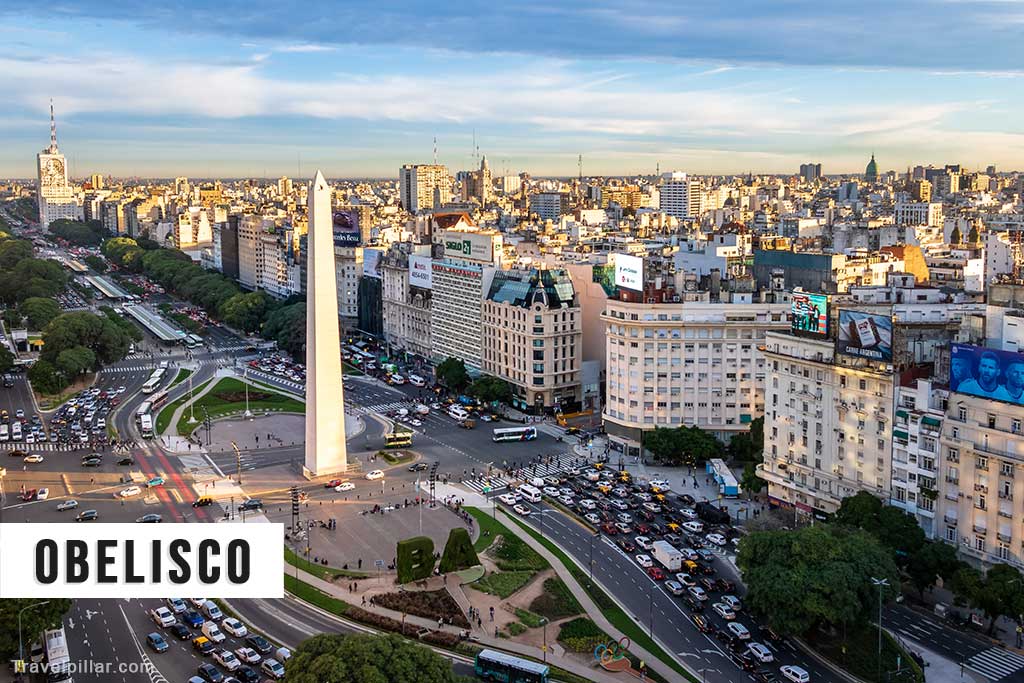
Obelisco is a striking and monumental landmark in Buenos Aires, situated at the intersection of Avenida 9 de Julio and Avenida Corrientes. Completed in 1936, this 67-meter-tall obelisk commemorates the city’s 400th anniversary and honors Argentina’s independence. The monument is surrounded by a bustling urban landscape, with numerous shops, restaurants, and theaters in the vicinity. Visitors to the Obelisco can explore the surrounding area, capture memorable photographs, and immerse themselves in the energetic atmosphere of Buenos Aires.
Google map 4.6/5
Plaza de Mayo
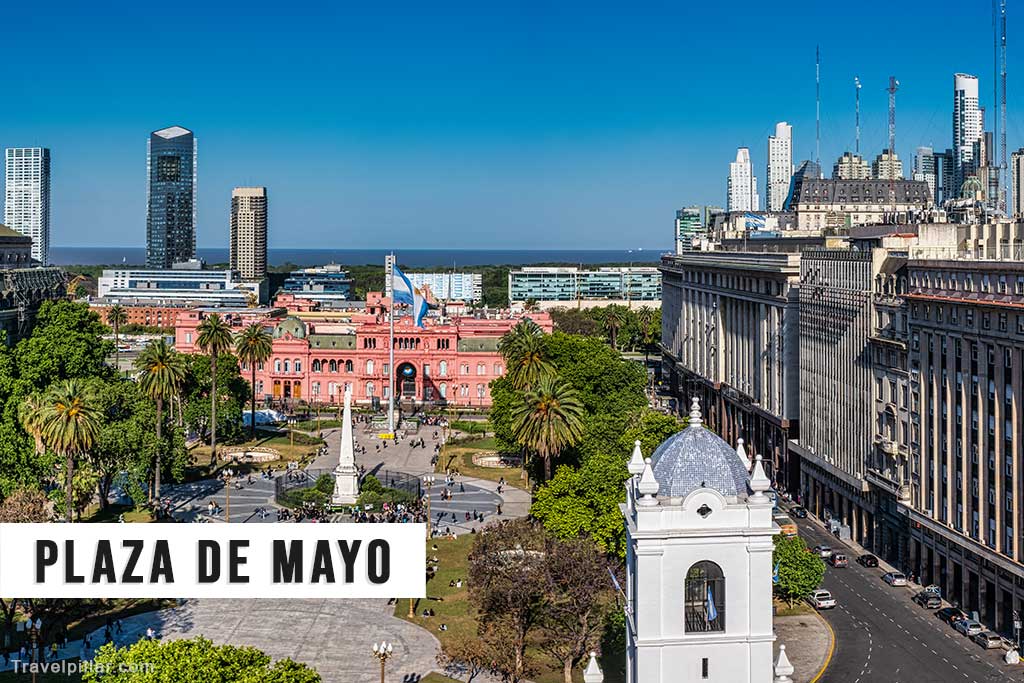
Plaza de Mayo, the political and historical epicenter of Buenos Aires, has been the site of numerous significant events throughout Argentina’s history. Established in 1580, the square is home to iconic buildings, including the pink-hued Casa Rosada, the Presidential Palace, and the Metropolitan Cathedral, the principal Catholic church in the city. Additionally, Plaza de Mayo has borne witness to various historical events, from the 1810 May Revolution to present-day protests and gatherings. Visitors can explore the surrounding architecture, learn about Argentina’s past, and experience the spirit of Buenos Aires.
Google map 4.6/5
Buenos Aires Metropolitan Cathedral
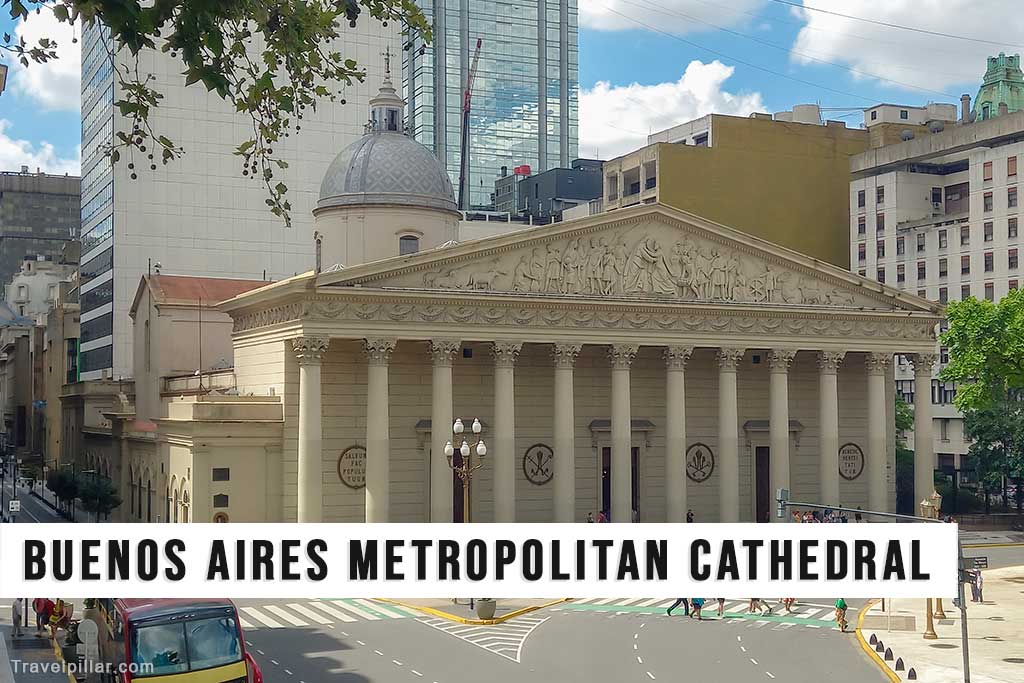
Catedral Metropolitana de Buenos Aires, the principal Catholic church in the city, is a striking architectural landmark that blends Neoclassical, Baroque, and Neo-Renaissance styles. Completed in 1791, the cathedral houses the tomb of Argentine liberator General José de San Martín and features stunning frescoes, stained glass windows, and an impressive altar. Visitors can explore the cathedral’s rich history, admire its architectural beauty, and attend religious services. The Catedral Metropolitana de Buenos Aires is a significant site for both spiritual and historical reflection.
Google map 4.7/5
Teatro Colón
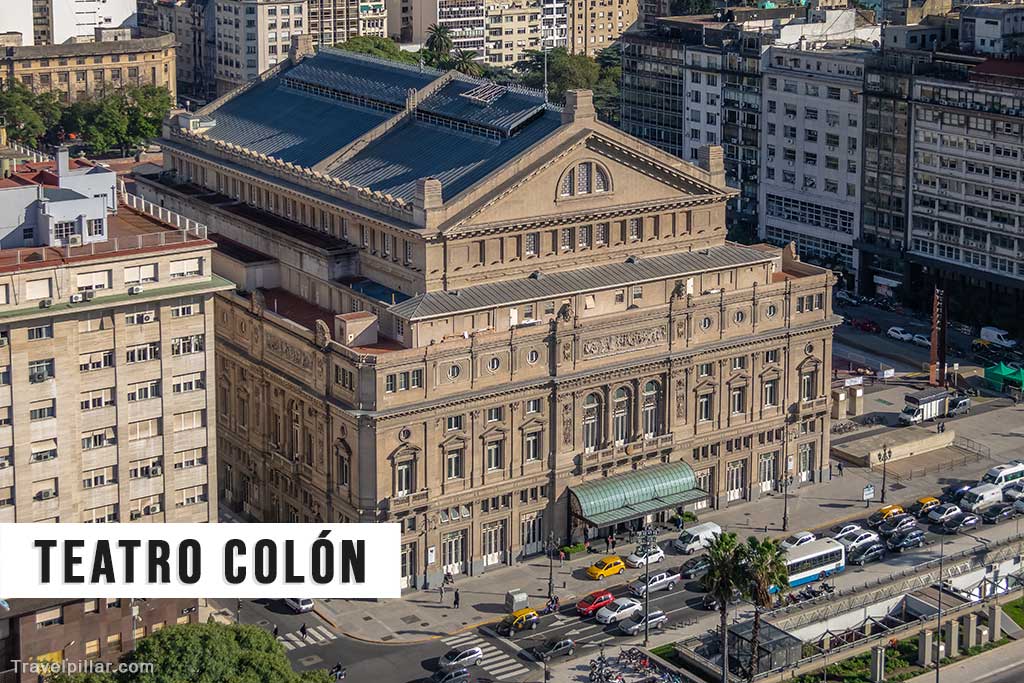
Teatro Colón is a world-renowned opera house in Buenos Aires, celebrated for its stunning architecture, exceptional acoustics, and rich history. Inaugurated in 1908, the theater has hosted countless international and local performances, ranging from opera and ballet to classical music concerts. Visitors can take guided tours of the opulent interior, featuring frescoes, marble staircases, and an impressive main auditorium. Teatro Colón remains a testament to Argentina’s cultural prowess and is a must-visit destination for any performing arts enthusiast.
Google map 4.8/5
El Ateneo Grand Splendid
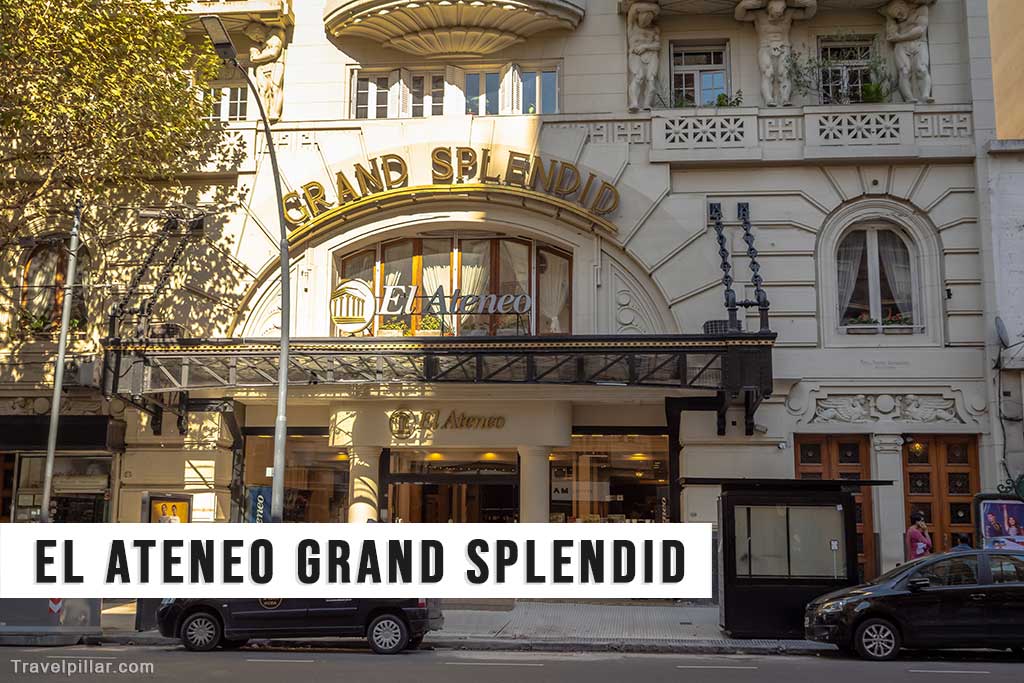
El Ateneo Grand Splendid is a magnificent bookstore housed in a former theater in Buenos Aires, often regarded as one of the world’s most beautiful bookshops. The century-old building retains its original frescoes, ornate balconies, and luxurious red stage curtains, creating a truly awe-inspiring atmosphere. Visitors can peruse an extensive collection of books in various languages, relax in the cozy café located on the former stage, or simply admire the architectural splendor. El Ateneo Grand Splendid is an unforgettable destination for book lovers and architecture enthusiasts alike.
Google map 4.8/5
San Telmo
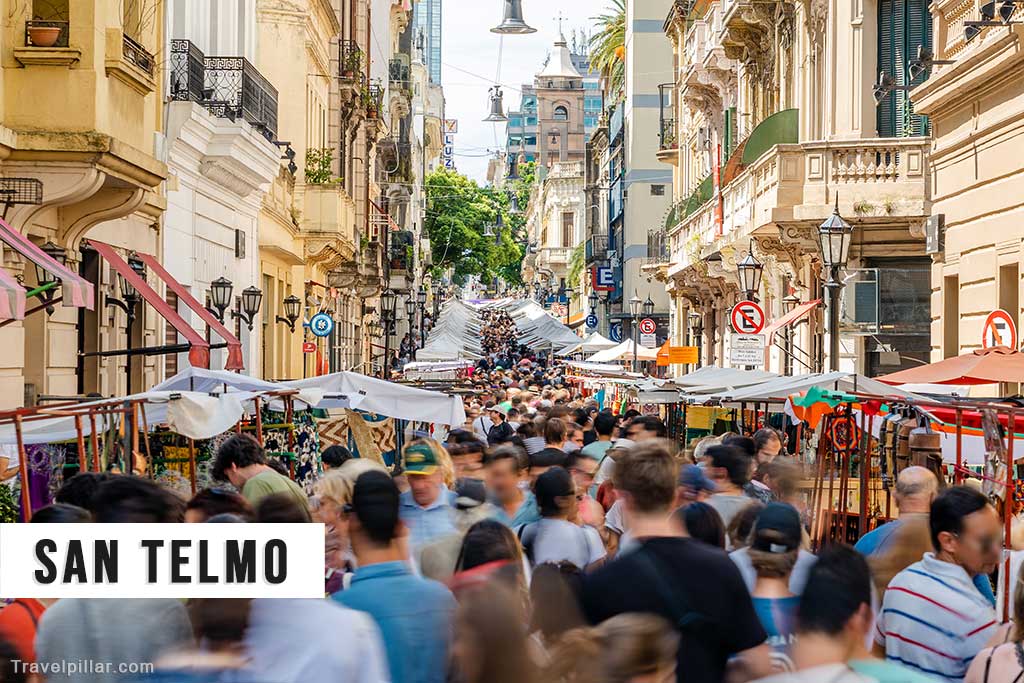
San Telmo, a charming and historic neighborhood in Buenos Aires, offers a unique blend of colonial architecture, cobblestone streets, and a thriving tango scene. The area is known for its antique shops, lively street markets, and the emblematic Plaza Dorrego, where spontaneous tango performances often take place. San Telmo is also home to the San Pedro Telmo Church and the San Telmo Market, a covered marketplace selling fresh produce, local foods, and artisanal goods. A visit to San Telmo provides a delightful opportunity to step back in time and experience the rich cultural heritage of Buenos Aires.
Palermo
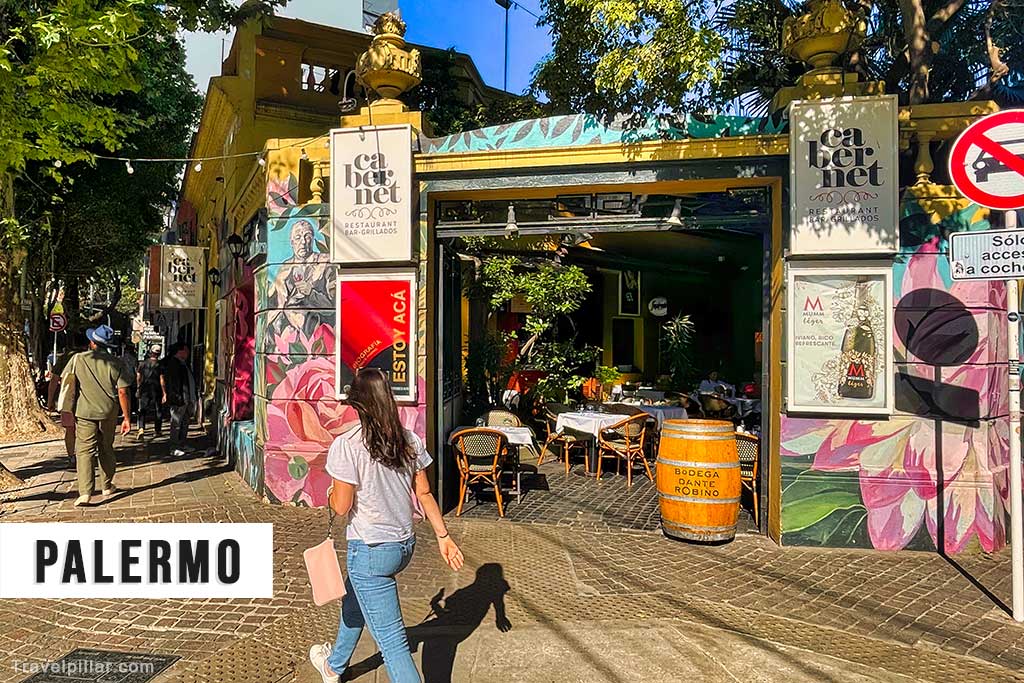
Palermo, one of Buenos Aires’ trendiest districts, boasts a vibrant array of dining, shopping, and nightlife options. This diverse neighborhood is divided into several sub-areas, each offering a unique atmosphere and experience. Palermo Soho and Palermo Hollywood are known for their fashionable boutiques, bars, and cafes, while Palermo Chico is characterized by its elegant mansions and embassies. The area also features beautiful green spaces, such as the Bosques de Palermo, a large park with lakes, rose gardens, and monuments. Additionally, Palermo is home to important cultural institutions, including the Museum of Latin American Art (MALBA) and the Evita Museum.
La Boca
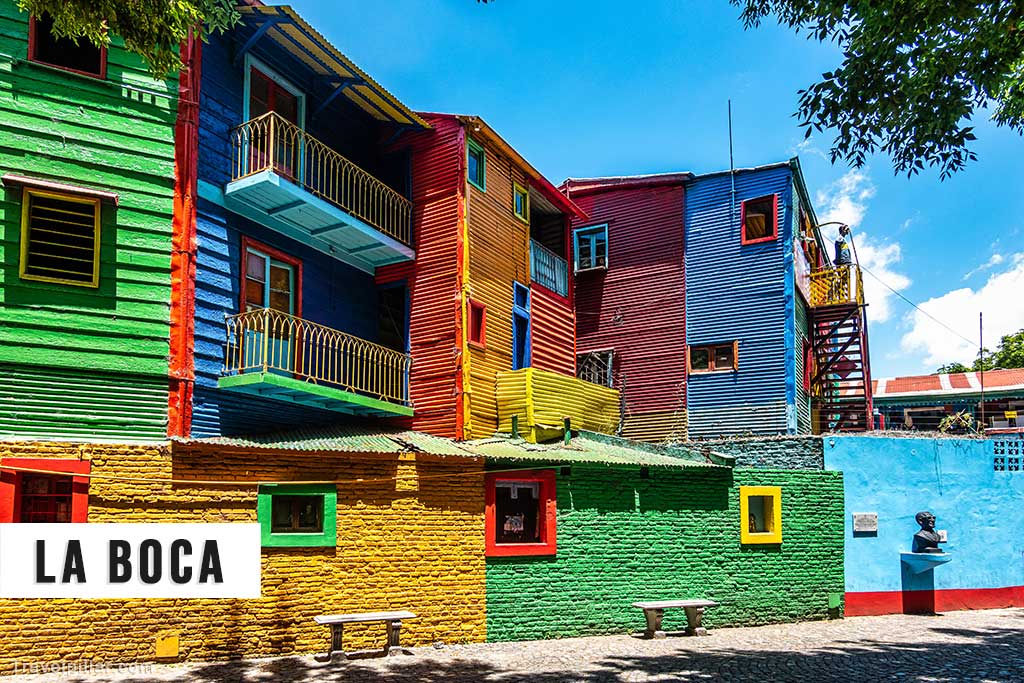
La Boca, a colorful and lively neighborhood in Buenos Aires, is renowned for its distinctive, corrugated-iron houses painted in bright hues. The area has a strong artistic spirit, with Caminito Street serving as the main attraction. This pedestrianized street, lined with local artwork, craft stalls, and tango performers, offers a glimpse into the area’s rich culture and history. La Boca is also home to the iconic stadium of the Boca Juniors football club, La Bombonera, where passionate sports fans can take a tour or attend a match. A visit to La Boca allows travelers to experience the authentic, vivacious atmosphere that Buenos Aires is known for.
Recoleta Cemetery
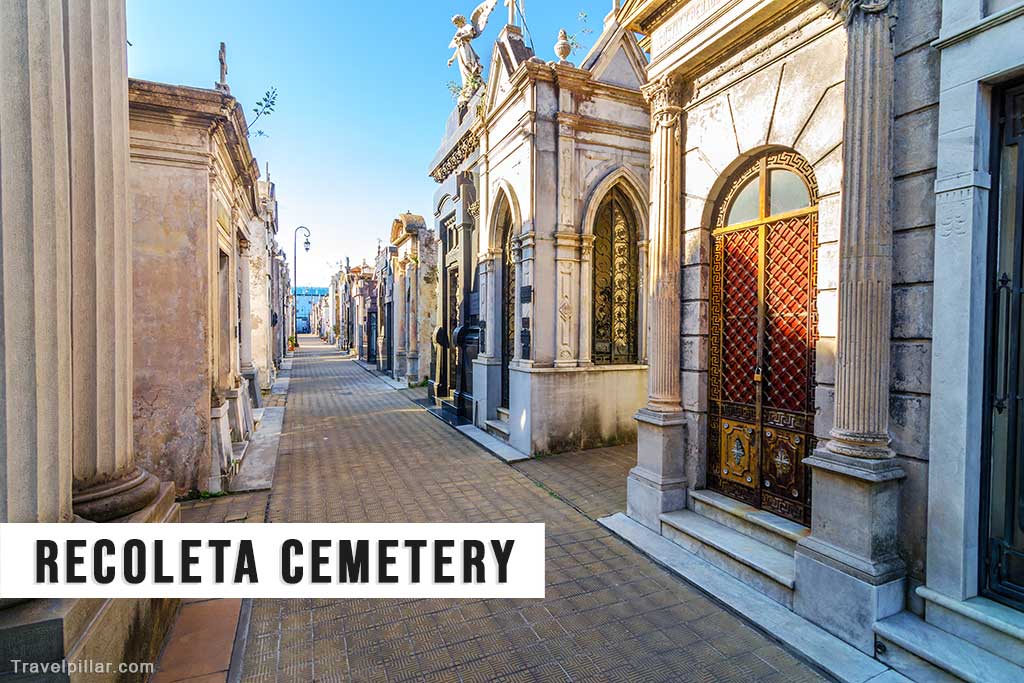
Recoleta Cemetery is a fascinating and historic burial ground in Buenos Aires, known for its ornate mausoleums and the notable Argentine figures interred within. Established in 1822, the cemetery features a unique mix of architectural styles, from Neo-Gothic to Art Nouveau. Visitors can explore the labyrinthine paths, discover elaborate tombs, and pay their respects to prominent figures such as Eva Perón, Argentine presidents, and literary icons. Recoleta Cemetery offers a serene and evocative experience, providing insight into the country’s rich history and culture.
Google map 4.4/5
Puerto Madero
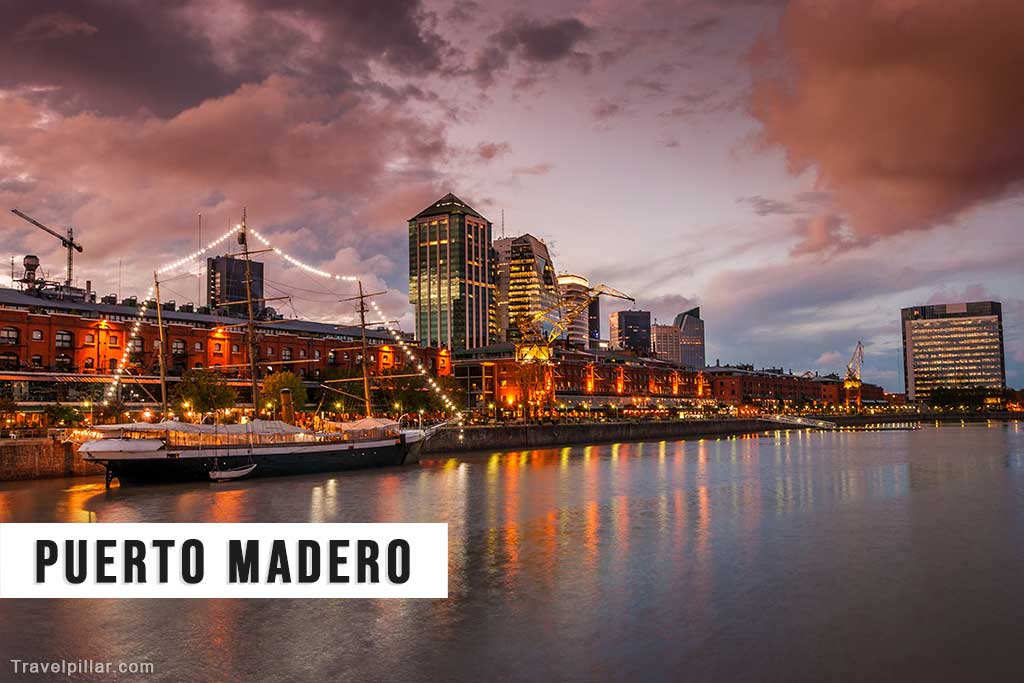
Puerto Madero, a revitalized port district in Buenos Aires, offers a blend of modern architecture, upscale dining, and leisurely promenades along the waterfront. The area is characterized by its sleek high-rises, repurposed warehouses, and the eye-catching Puente de la Mujer pedestrian bridge, designed by architect Santiago Calatrava. Visitors can enjoy a leisurely stroll along the water, visit the modern art museum Colección de Arte Amalia Lacroze de Fortabat, or dine at one of the many renowned restaurants. Puerto Madero is a testament to the city’s innovative spirit and an ideal destination for a relaxed, sophisticated experience.
Museo Nacional de Arte Decorativo
Museo Nacional de Arte Decorativo, housed in a stunning early 20th-century mansion, showcases an extensive collection of decorative art objects from various time periods and countries. The museum features works such as European and Oriental ceramics, textiles, furniture, and paintings, alongside Argentine and international silverware. Visitors can explore the lavish rooms, including the Great Hall, the Dining Room, and the Music Room, each reflecting a different historical style. The Museo Nacional de Arte Decorativo offers a fascinating glimpse into the world of decorative arts and design, providing a unique cultural experience in Buenos Aires.
Google map 4.7/5
Museo Histórico Nacional
Museo Histórico Nacional, located in the picturesque neighborhood of San Telmo, is dedicated to preserving and showcasing Argentina’s rich and diverse history. The museum features a vast collection of artifacts, documents, and artworks spanning from pre-Columbian times to the present day. Visitors can explore exhibits relating to indigenous cultures, the colonial period, Argentina’s struggle for independence, and the country’s development into a modern nation. Museo Histórico Nacional provides a comprehensive and engaging overview of Argentina’s history, making it an essential destination for history buffs and curious travelers.
Google map 4.7/5
Floralis Genérica
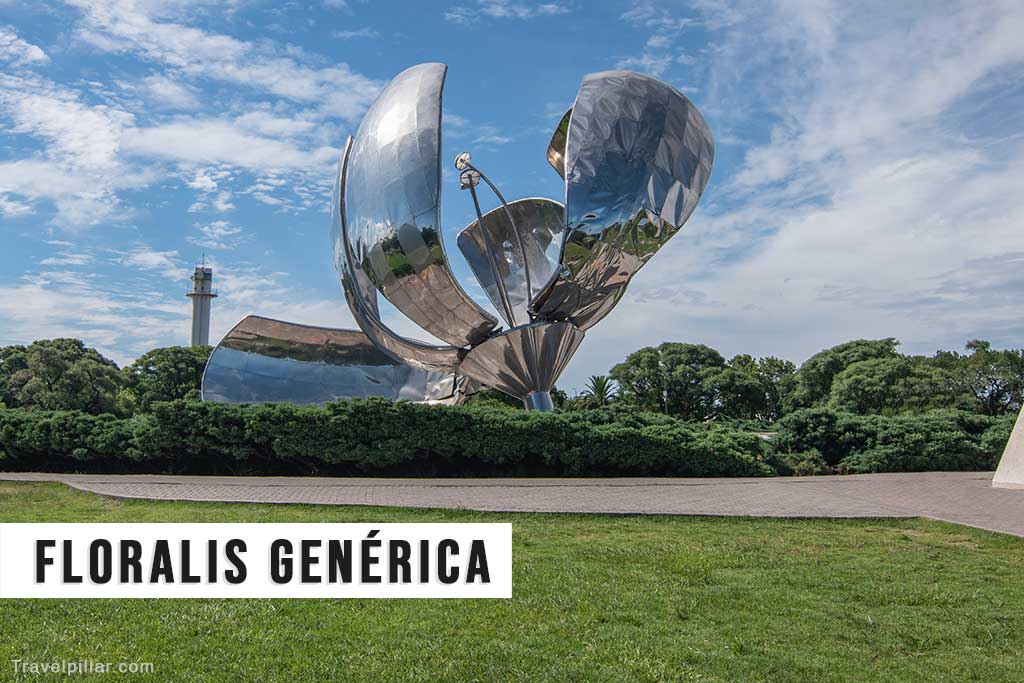
Floralis Genérica is a stunning, large-scale sculpture in Buenos Aires, situated in Plaza de las Naciones Unidas. Created by Argentine architect Eduardo Catalano, this impressive 20-meter-tall flower is made of stainless steel and aluminum. The sculpture’s petals open during the day and close at night, symbolizing hope and rebirth. Surrounded by a reflecting pool, Floralis Genérica is an eye-catching and photogenic landmark. Visitors can admire the sculpture’s architectural beauty, capture memorable photographs, and enjoy the surrounding green space in the heart of the city.
Google map 4.7/5
Jardín Botánico Carlos Thays
Jardín Botánico Carlos Thays is a picturesque botanical garden in Buenos Aires, designed by the renowned landscape architect Carlos Thays. Spanning 17 acres, the garden features over 5,000 species of plants, tranquil ponds, and elegant sculptures. The garden is divided into several sections, including a French-style rose garden, a Roman garden, and a greenhouse showcasing tropical plants. Visitors can enjoy a leisurely stroll, observe the diverse flora, and escape the bustling city in this serene, green oasis. Jardín Botánico Carlos Thays is an ideal destination for nature enthusiasts and those seeking a peaceful retreat.
Google map 4.6/5
Casa Rosada
Casa Rosada, or the “Pink House,” is the Presidential Palace of Argentina, located in the historic Plaza de Mayo. This iconic building, characterized by its distinctive pink hue, has been the site of numerous political events and speeches, including those by former First Lady Eva Perón. Visitors can take guided tours of the palace, which include the opulent Salón Blanco, the presidential office, and the balcony overlooking the square. Casa Rosada is an essential destination for those interested in Argentina’s political history and architectural heritage.
Google map 4.5/5
Feria de Mataderos
Feria de Mataderos is a lively weekend fair in Buenos Aires, celebrating traditional Argentine culture through food, music, and dance. Located in the Mataderos neighborhood, the fair features numerous stalls selling artisanal goods, regional delicacies, and antiques. Visitors can enjoy live music performances, watch skillful demonstrations of horsemanship, and participate in folk dancing. Feria de Mataderos provides an authentic and immersive experience of Argentine culture, making it a must-visit event for those seeking a deeper understanding of the country’s traditions and customs.
Google map 4.5/5
Plaza Dorrego
Plaza Dorrego, nestled in the historic neighborhood of San Telmo, is a charming square brimming with vibrant energy and rich cultural heritage. Known for its cobblestone streets, antique shops, and lively outdoor cafés, Plaza Dorrego hosts a bustling antiques fair on Sundays, where visitors can find unique treasures and vintage items. The square is also a popular venue for spontaneous tango performances, offering travelers a chance to experience the authentic spirit of Buenos Aires. A visit to Plaza Dorrego is a delightful opportunity to immerse oneself in the city’s history, culture, and lively atmosphere.
Google map 4.4/5

More Things to Do in Buenos Aires
Tango shows and dance lessons:
Buenos Aires is considered the birthplace of tango, a sensual and passionate dance that originated in the late 19th century among the working-class neighborhoods of the city. Today, tango is an integral part of Argentine culture, and experiencing it is a must when visiting Buenos Aires.
Tango shows: To immerse yourself in the world of tango, attending a show is a great option. Numerous venues across the city offer dinner and tango shows, where you can enjoy a delicious Argentine meal while watching professional dancers perform. Some of the most popular tango shows in Buenos Aires include Rojo Tango, El Viejo Almacén, Esquina Carlos Gardel, and Piazzolla Tango. These shows often feature live music, stunning costumes, and captivating storytelling that transports you to the golden age of tango.
Dance lessons: If you’re feeling inspired and want to try tango dancing for yourself, many places offer group or private lessons. Beginners are welcome, and you don’t need any prior dance experience. Tango schools such as DNI Tango, La Viruta, and Escuela Mariposita offer lessons for all levels, from novices to experienced dancers. Taking a tango lesson is not only a fun way to learn about Argentine culture but also a great opportunity to meet locals and fellow travelers.
Argentina Cuisine

Argentina is renowned for its delicious cuisine, which is characterized by its rich flavors and high-quality ingredients. When visiting Buenos Aires, be sure to sample the following traditional Argentine dishes:
Asado: Asado, or barbecued meat, is the cornerstone of Argentine cuisine. Traditionally cooked on a parrilla (grill) or an open fire, asado often features various cuts of beef, pork, and sometimes lamb or chicken. Argentine beef is world-famous for its tenderness and flavor, and a visit to a local parrilla (steakhouse) is a must. Popular parrillas in Buenos Aires include Don Julio, La Cabrera, and El Pobre Luis.
Empanadas: These savory pastries are a staple in Argentina, typically filled with meat, cheese, or vegetables. Each region of the country has its own unique spin on empanadas, with different fillings and cooking techniques. In Buenos Aires, you can find empanadas at bakeries, street food stalls, and restaurants. Try the classic beef empanada, or venture out to taste other varieties like chicken, ham and cheese, or spinach and cheese.
Milanesa: A popular dish across Latin America, milanesa is a breaded and fried meat cutlet, similar to a schnitzel. In Argentina, milanesa is typically made with beef or chicken and can be served with mashed potatoes, fries, or a simple salad. You can also find milanesa sandwiches called “milanesa al pan” at many cafés and street food vendors.
Dulce de leche: This sweet, caramel-like spread is a national obsession in Argentina. Made from condensed milk and sugar, dulce de leche is used in a variety of desserts and pastries, such as alfajores (shortbread cookies filled with dulce de leche), flan, and ice cream. Be sure to pick up a jar of dulce de leche as a souvenir or a gift for friends and family back home.
While exploring Buenos Aires, don’t miss the opportunity to dine at local cafés and restaurants to fully experience the rich and diverse flavors of Argentine cuisine.