
Roses is a coastal town in the northern part of the Costa Brava in Catalonia, located close to the Cap de Creus peninsula and approximately 20 kilometres from the French border. The town sits around a large natural bay known as the Gulf of Roses and combines beaches, a marina, archaeological sites and access to nearby natural parks. Although Roses is now a major holiday destination, its history extends back to Greek and Roman settlement, making it one of the oldest inhabited areas on the Catalan coast.
The modern town is centred around a long seafront promenade lined with restaurants, cafés and apartment buildings. Several sandy beaches extend along the waterfront, with Platja de Roses forming the main urban beach. The marina is an important feature of the town and supports sailing, boating and fishing activity. Compared with smaller Costa Brava villages such as Cadaqués or Calella de Palafrugell, Roses is larger and more developed, though it retains access to attractive coastal scenery nearby.
One of the main historical attractions is the Ciutadella de Roses, a large fortified enclosure containing archaeological remains from different periods including Greek, Roman and medieval occupation. Nearby, the Castell de la Trinitat overlooks the bay from a hill above the town and provides wide coastal views. Roses also serves as a practical base for visiting the Cap de Creus Natural Park, known for rocky landscapes, hiking trails and small coves.
Boat trips operate from the harbour during the summer months, including excursions along the coast towards Cadaqués and Cap de Creus. The surrounding area also includes beaches such as Canyelles Petites and Almadrava, which are quieter than the main central beach. Roses is particularly popular with visitors seeking a combination of beaches, outdoor activities and access to the northern Costa Brava coastline.
Official tourism website: https://visitroses.cat/en
Google map Roses town
The Best Things to do in Roses
1. Visit the Ciutadella de Roses
The Ciutadella de Roses is a large fortified archaeological complex near the centre of the town containing remains from Greek, Roman and medieval settlements. Renaissance defensive walls surround much of the site, while a museum explains the long history of human settlement around the Gulf of Roses. The area can be explored on foot and is one of the most important historical attractions on this section of the Costa Brava coastline.
Official website: https://www.rosescultura.cat/ca/la-ciutadella.html
Google map 4.7/5
2. Explore Cap de Creus Natural Park
Roses provides one of the main access points to Cap de Creus Natural Park, an area of rugged coastline, rocky hillsides and exposed Mediterranean scenery. The park contains walking routes, viewpoints and smaller coves extending towards the Cap de Creus peninsula. The landscape contrasts strongly with the sandy beaches around the Gulf of Roses and is popular for hiking, photography and scenic coastal drives throughout the year.
Google map
3. Relax on the Main Beaches of Roses
The main beaches of Roses stretch for several kilometres around the Gulf of Roses and include Platja Nova, Platja del Rastell and the beaches towards Santa Margarida. Broad sandy sections and shallow water make the area popular for swimming, walking and family visits during summer. Restaurants, cafés and hotels line much of the promenade behind the beach, while watersports and boat excursions operate from several points along the waterfront and marina area. The promenade is also popular for evening walks beside the bay and marina.
Google map Platja Nova 4.4/5
Google map Platja del Rastell 4.6/5
Google map Platja de Santa Margarida 4.5/5
4. Visit Castell de la Trinitat
Located on a hillside east of the town, Castell de la Trinitat is a sixteenth-century coastal fortress built to defend the Gulf of Roses. The elevated position provides wide views across the beaches, marina and surrounding coastline. Parts of the fortress have been restored and exhibitions explain aspects of local military history. The site can be reached by road or walking routes and is often combined with visits to nearby beaches and viewpoints.
Official website: https://www.rosescultura.cat/ca/castell-trinitat.html
Google map 4.3/5
5. Explore Cala Montjoi
Located around 7 km southeast of Roses within Cap de Creus Natural Park, Cala Montjoi is a sheltered bay surrounded by rocky hillsides and Mediterranean vegetation. The cove is known for clear water, quieter surroundings and scenic coastal scenery along the Cap de Creus peninsula. Swimming, kayaking and diving are popular activities during summer. Cala Montjoi can be reached by car along winding coastal roads from Roses, by seasonal boat excursions, or by a longer coastal walk through sections of the Cap de Creus coastline.
Google map 4.5/5
6. Walk the Coastal Paths Around Roses
Several sections of the Camí de Ronda pass through the coastline around Roses, linking beaches, coves and rocky headlands. Walking routes vary from short promenade walks to longer hikes towards Cap de Creus and nearby beaches east of the town. Many sections provide access to quieter coves difficult to reach by road. The paths are particularly popular during spring and autumn when temperatures are more comfortable for walking.
7. Visit Nearby Cadaqués
Located northeast of Roses across the Cap de Creus peninsula, Cadaqués is one of the Costa Brava’s best-known coastal towns. The town is recognised for whitewashed buildings, narrow streets and connections with Salvador Dalí. Many visitors combine Roses and Cadaqués within the same trip due to the relatively short driving distance. The scenic coastal road between the two towns also passes through sections of Cap de Creus Natural Park.
8. Take a Boat Excursion Along the Coast

Boat excursions operate from Roses during the summer season and provide views of beaches, cliffs and rocky sections of coastline inaccessible by road. Some routes travel towards Cadaqués and Cap de Creus, while others focus on swimming and sightseeing. Viewing the coastline from the sea provides a different perspective on the Gulf of Roses and the rugged landscapes of the nearby natural park. Boat trips are among the town’s most popular summer activities.
Official website of Els Blaus de Roses: https://elsblausderoses.com
Ride the Tren Turístic Cultural Roses Expres
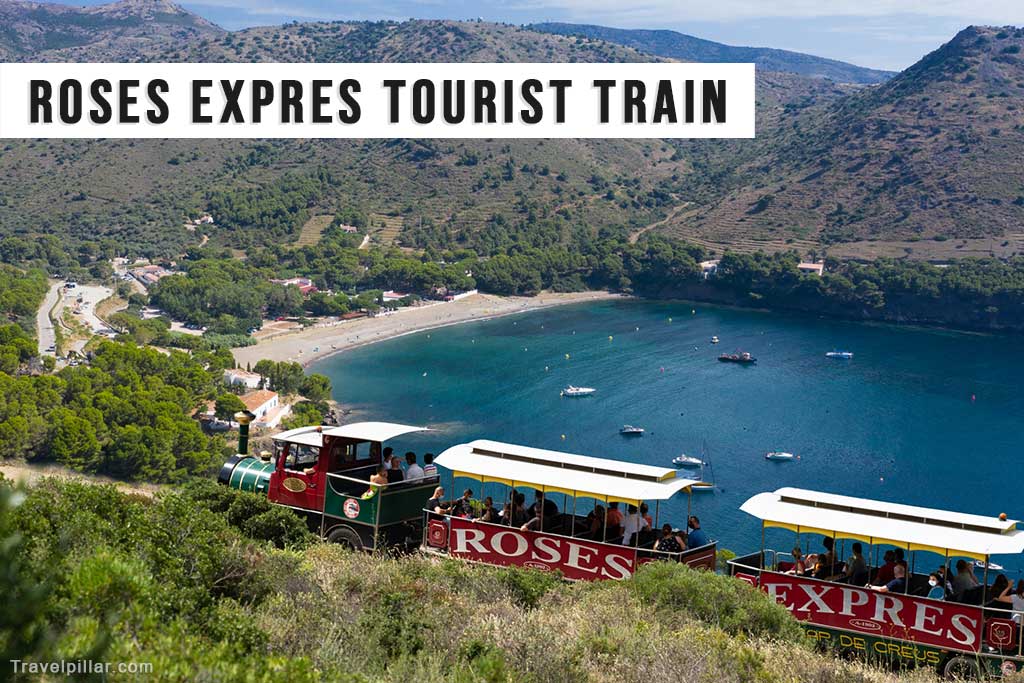
The Tren Turístic Cultural Roses Expres is a seasonal tourist train operating sightseeing routes from Roses to several nearby viewpoints and coastal locations. Routes include Puig Rom and Puig Alt overlooking the Bay of Roses, as well as journeys towards Cala Montjoi and Cala Jóncols within Cap de Creus Natural Park. The service provides an alternative to driving and allows visitors to explore surrounding beaches, cliffs and coastal scenery while travelling through some of the most scenic sections of coastline near Roses.
Official website: https://www.trenrosesexpres.com/en/
9. Visit the Marina and Fishing Harbour
The marina and fishing harbour remain important parts of Roses and contribute to the town’s year-round activity outside the main tourist season. Walking around the harbour provides views of fishing boats, leisure craft and the surrounding coastline. Restaurants near the waterfront specialise in seafood and Catalan cuisine, while parts of the promenade become particularly active during summer evenings. Watersports activities and boat rentals also operate from the marina area.
Visit Cap Norfeu
Located south of Roses within Cap de Creus Natural Park, Cap Norfeu is a rugged headland known for rocky cliffs, walking routes and coastal viewpoints overlooking the Mediterranean. The area contains exposed limestone formations, smaller coves and relatively undeveloped scenery compared with the beaches around the Gulf of Roses. Access is mainly by road and walking paths, while boat excursions also pass the headland during coastal sightseeing trips around Cap de Creus.
Google map 4.7/5
Explore Cala Jóncols
Cala Jóncols is a relatively isolated cove located between Roses and Cadaqués within Cap de Creus Natural Park. Surrounded by rocky hillsides and Mediterranean vegetation, the beach contains a mixture of pebbles and clear water popular for swimming and snorkelling. The cove lies about 14 km from Roses and can be reached by coastal road, hiking routes or boat excursions along the coastline. Compared with the larger beaches around Roses, Cala Jóncols has a quieter and more natural atmosphere.
Google map 4.5/5
10. Explore the Beaches East of Roses
Several smaller beaches and coves are located east of the town towards Cap de Creus, including Platja de Canyelles Petites (3.5 km from Roses) and Almadrava Beach (4.5 km from Roses). Compared with the main urban beach, these areas are generally more sheltered and scenic, with rocky surroundings and clearer water. Many beaches are reached by coastal roads or walking paths following the shoreline. The coves are popular for swimming, kayaking and snorkelling during the warmer months of the year.
Google map Platja de Canyelles Petites 4.7/5
Google map Platja de l’Almadrava 4.6/5
11. Visit Aquabrava Water Park
Located on the outskirts of Roses, Aquabrava is one of the largest water parks on the Costa Brava and is mainly visited during the summer season. The park contains water slides, swimming pools and family areas suitable for children and teenagers. Although very different in atmosphere from the historic and natural attractions around Roses, it remains a popular option for families staying in the town during warmer weather. Large parking areas and road access make it easy to reach from nearby resorts.
12. Explore the Local Markets and Shopping Streets
The centre of Roses contains a mixture of local shops, seasonal tourist businesses and weekly markets selling food, clothing and regional products. Walking through the town centre provides a contrast to the beaches and marina areas, with more everyday commercial activity continuing throughout the year. Markets and shopping streets become particularly active during the summer tourist season, while smaller cafés and restaurants remain busy around the waterfront and older sections of town.