

Lyme Regis is a historic seaside town on the coast of West Dorset, close to the Devon border. Situated on Lyme Bay, the town is renowned for its fossil-rich cliffs, picturesque harbour and attractive beaches. It forms part of the Jurassic Coast UNESCO World Heritage Site, where geological formations reveal approximately 185 million years of Earth’s history. Its narrow streets, traditional buildings and scenic waterfront make Lyme Regis one of Dorset’s most popular coastal destinations.
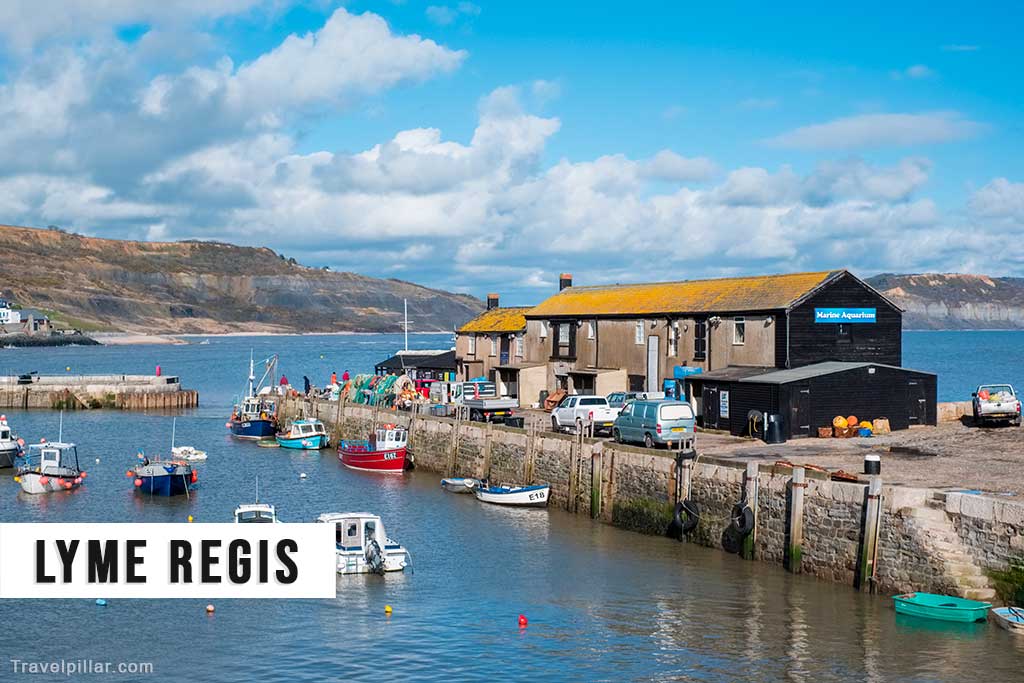
The town has a long history associated with fishing, maritime trade and fossil collecting. During the early 19th century, pioneering fossil hunter Mary Anning made important discoveries along the surrounding coastline, contributing significantly to the development of palaeontology. Today, visitors can explore the historic Cobb harbour, discover fossils along the beaches, visit local museums or follow scenic coastal walks towards Charmouth and the surrounding Jurassic Coast.
Google map Town
The Best Places to Visit in Lyme Regis Dorset
The Cobb
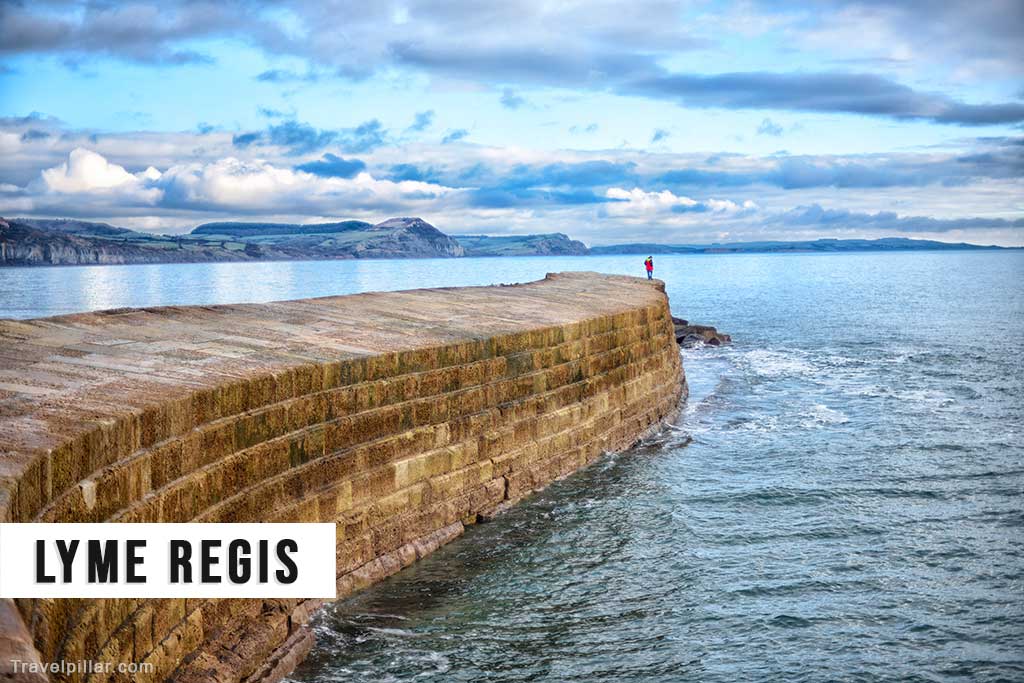
The Cobb is Lyme Regis’s historic harbour wall, extending into Lyme Bay and protecting the town’s small harbour. Its origins date back centuries, although the present structure has undergone numerous alterations and repairs. The distinctive curved stone wall provides spectacular views across the coastline and is closely associated with Jane Austen’s novel Persuasion and the film The French Lieutenant’s Woman. Visitors can walk along parts of the harbour wall when conditions are safe.
Google map The Cobb 4.6/5
Lyme Regis Beach (Sandy Beach)
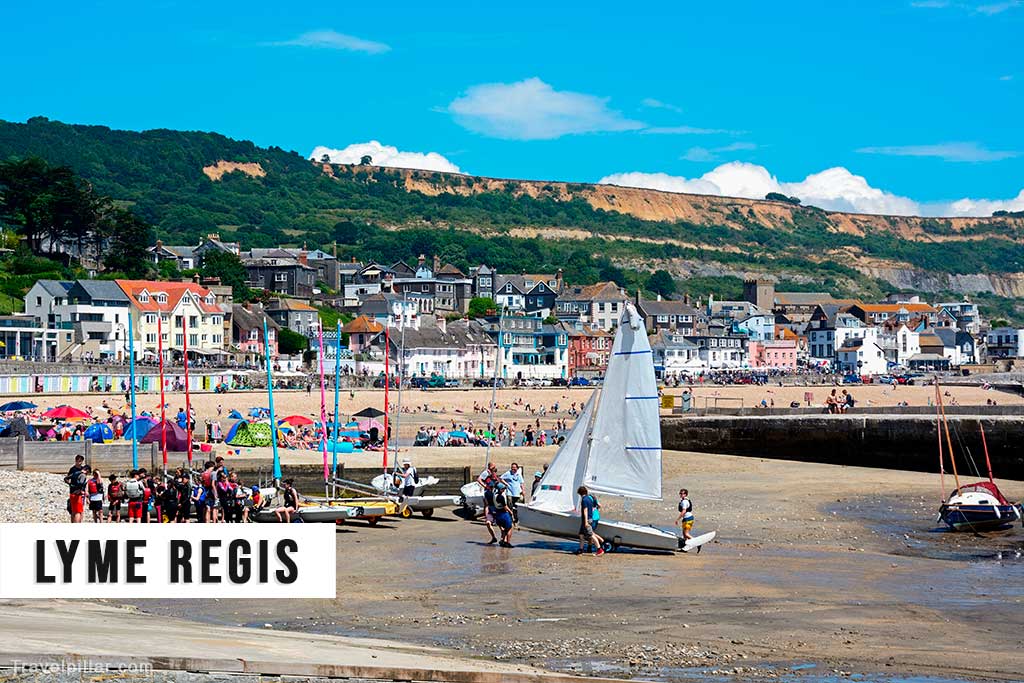
Lyme Regis has several attractive beaches stretching along the town’s waterfront. The main sandy beach, situated near the Cobb, is particularly popular with families and swimmers during the summer months. Further east, the shoreline becomes increasingly pebbly, with opportunities for fossil hunting and exploring the coast. The seafront contains cafés, traditional shops and restaurants, making it a popular area for visitors.
Google map Beach 4.7/5
Lyme Regis Museum
Lyme Regis Museum is situated in a historic building overlooking the seafront, close to the site of Mary Anning’s former home. Its exhibitions explore the town’s geology, fossil discoveries, maritime heritage and literary connections. The museum contains important fossil collections and displays explaining the Jurassic Coast’s geological history. Guided fossil walks are also organised, providing opportunities to learn about local discoveries.
Official website: https://www.lymeregismuseum.co.uk/
Google map 4.6/5

Monmouth Beach
Monmouth Beach is a rocky and pebbly beach situated west of the Cobb, renowned for its fossil-rich geological formations. At low tide, visitors can explore the exposed limestone ledges and discover the famous ammonite pavement, where numerous fossilised ammonites are preserved within the rock. The beach is particularly popular with geology enthusiasts, although visitors should check tide times and avoid unstable cliffs.
Google map 4.6/5
Dinosaurland Fossil Museum
Dinosaurland Fossil Museum is a specialist museum situated in the historic centre of Lyme Regis, housed within a former church building. Its extensive collection includes ammonites, marine reptiles and other prehistoric fossils discovered along the Jurassic Coast and elsewhere. The museum provides an interesting introduction to palaeontology and the remarkable prehistoric creatures that inhabited the region millions of years ago.
Google map 4.6/5
Langmoor and Lister Gardens
Langmoor and Lister Gardens are attractive landscaped public gardens situated on the hillside above Lyme Regis seafront. The gardens contain lawns, flowerbeds, mature trees and walking paths, with panoramic views across Lyme Bay and towards the Cobb. Their elevated position provides an excellent viewpoint overlooking the town’s beaches and surrounding coastline.
Google map 4.8/5
Mary Anning Statue
The Mary Anning Statue is a bronze monument situated on the seafront at Lyme Regis, overlooking Lyme Bay near Church Cliff Beach. Unveiled in 2022, the statue commemorates Mary Anning (1799–1847), the pioneering fossil collector and palaeontologist whose discoveries contributed significantly to the understanding of prehistoric life. The sculpture depicts Anning carrying her geological tools, accompanied by her dog Tray. It celebrates her scientific achievements and her important association with the Jurassic Coast.
Google map 4.8/5
East Cliff Beach (Back Beach)
East Cliff Beach, also known as Back Beach, is a fossil-rich stretch of coastline situated east of Lyme Regis town centre, beneath the cliffs towards Charmouth. The beach is renowned for its Jurassic fossils, particularly ammonites and belemnites, which are frequently exposed by coastal erosion. Fossil collectors often search among the loose stones and shingle, especially following storms. Visitors should remain well clear of unstable cliffs and check tide times carefully, as sections of the beach can become cut off at high tide.
Google map 4.7/5
Charmouth Beach
Charmouth Beach is situated approximately three miles east of Lyme Regis and is one of the Jurassic Coast’s most famous fossil-hunting locations. The beach is renowned for its Jurassic cliffs, where erosion regularly exposes ammonites, belemnites and other prehistoric remains. The Charmouth Heritage Coast Centre provides geological displays and guided fossil walks, making it a popular destination for families and fossil enthusiasts.
Google map Charmouth Beach
Google map Charmouth Heritage Coast Centre
Golden Cap
Golden Cap is the highest point on England’s south coast, rising approximately 191 metres above sea level. Situated east of Lyme Regis near Charmouth and Seatown, the prominent sandstone and limestone hill offers spectacular panoramic views across the Jurassic Coast. Walking routes through the surrounding National Trust countryside provide access to the summit, although the ascent is steep in places.
Official website https://www.nationaltrust.org.uk/
Google map 4.9/5
Beer and Seaton
Beer and Seaton are two attractive coastal destinations situated west of Lyme Regis, across the county boundary in Devon. Beer is renowned for its sheltered fishing beach, white limestone cliffs and historic quarry caves, while Seaton offers a long pebble beach and the popular Seaton Tramway. Both provide opportunities for exploring the eastern section of the Jurassic Coast.
Google map Beer Beach
Google map Seaton
Some More Things You Can Do
Fossil Hunting: Guided fossil walks provide opportunities to discover the Jurassic Coast’s geological history. Visitors should avoid hammering cliffs and always check tide times.
Coastal Walks: The South West Coast Path provides scenic routes towards Charmouth, Golden Cap and the surrounding coastline.
Boat Trips: Seasonal sightseeing and fishing excursions operate from Lyme Regis Harbour, depending on weather conditions.
Food and Drink: The town contains traditional pubs, seafood restaurants and independent cafés serving locally produced food.
Shopping: Broad Street and the surrounding historic centre contain independent boutiques, galleries, bookshops and specialist fossil retailers.